
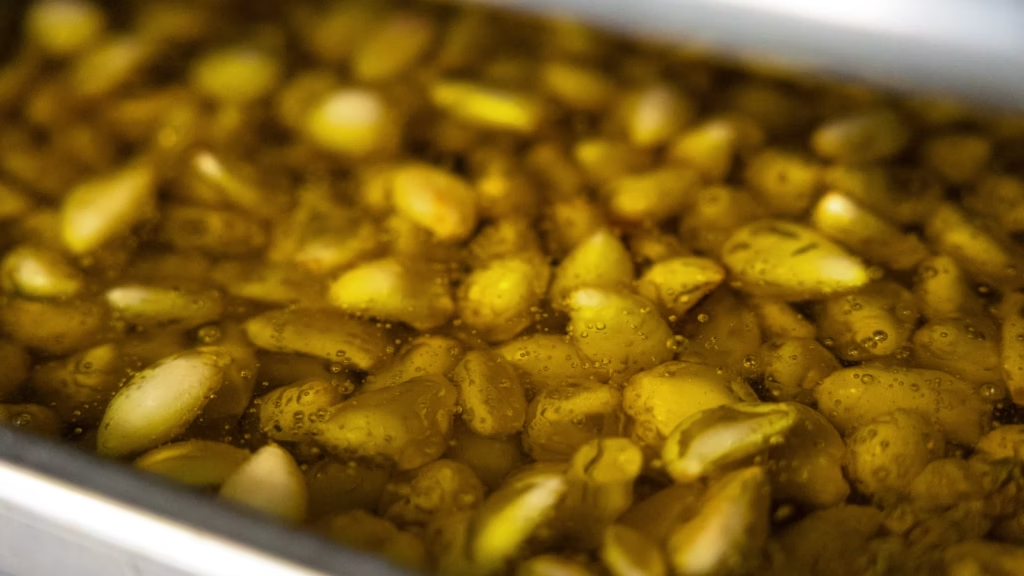
A jar of soft garlic cloves looks wonderfully simple, but the useful answer to how to make garlic confit includes both gentle heat and careful storage. Cover peeled cloves with oil, cook them slowly until a knife slides through without resistance, then cool and refrigerate promptly.
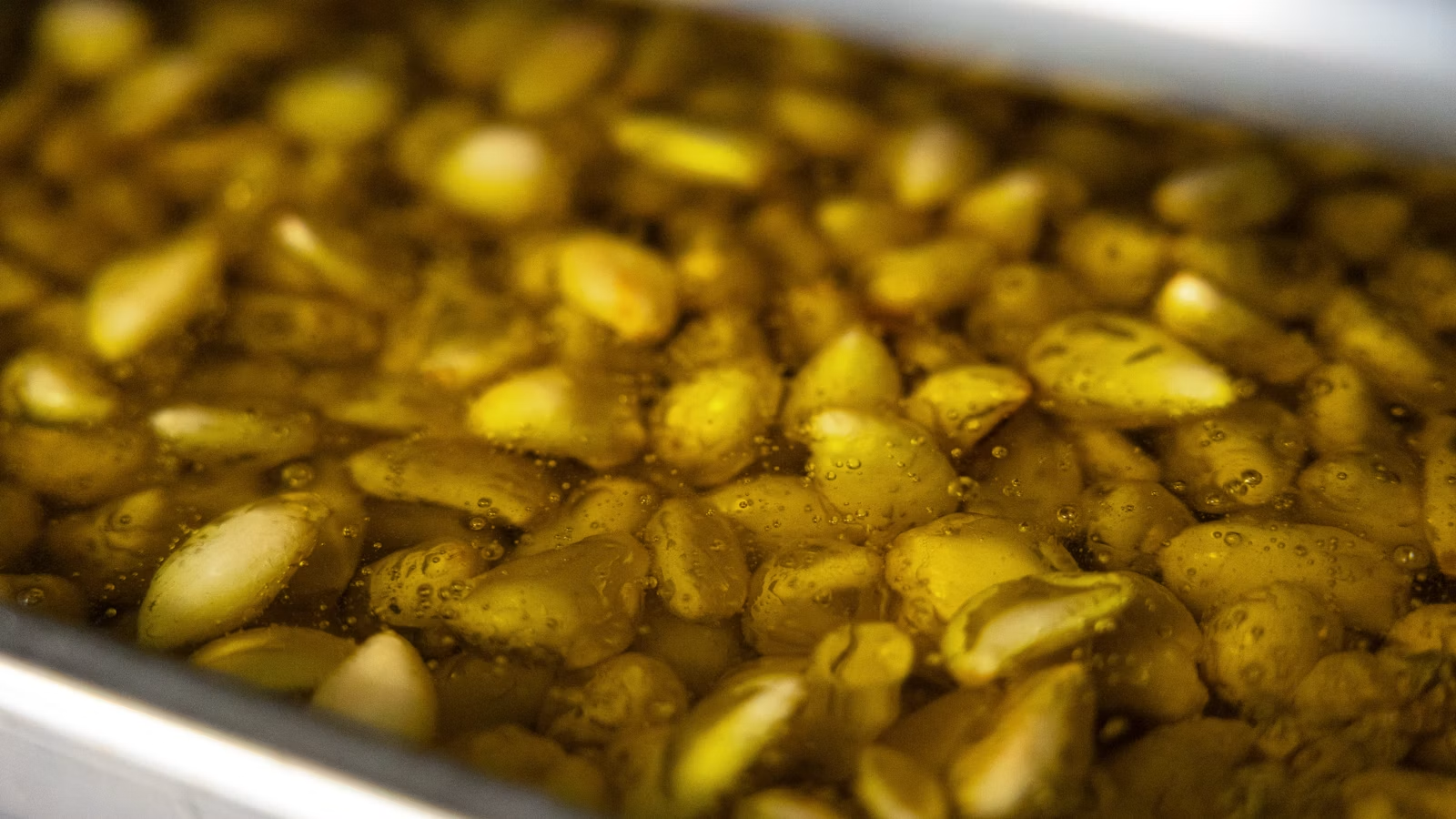
Garlic confit should be mellow and spreadable, never treated as a shelf-stable jar.
Table of Contents
What garlic confit is and why low heat matters
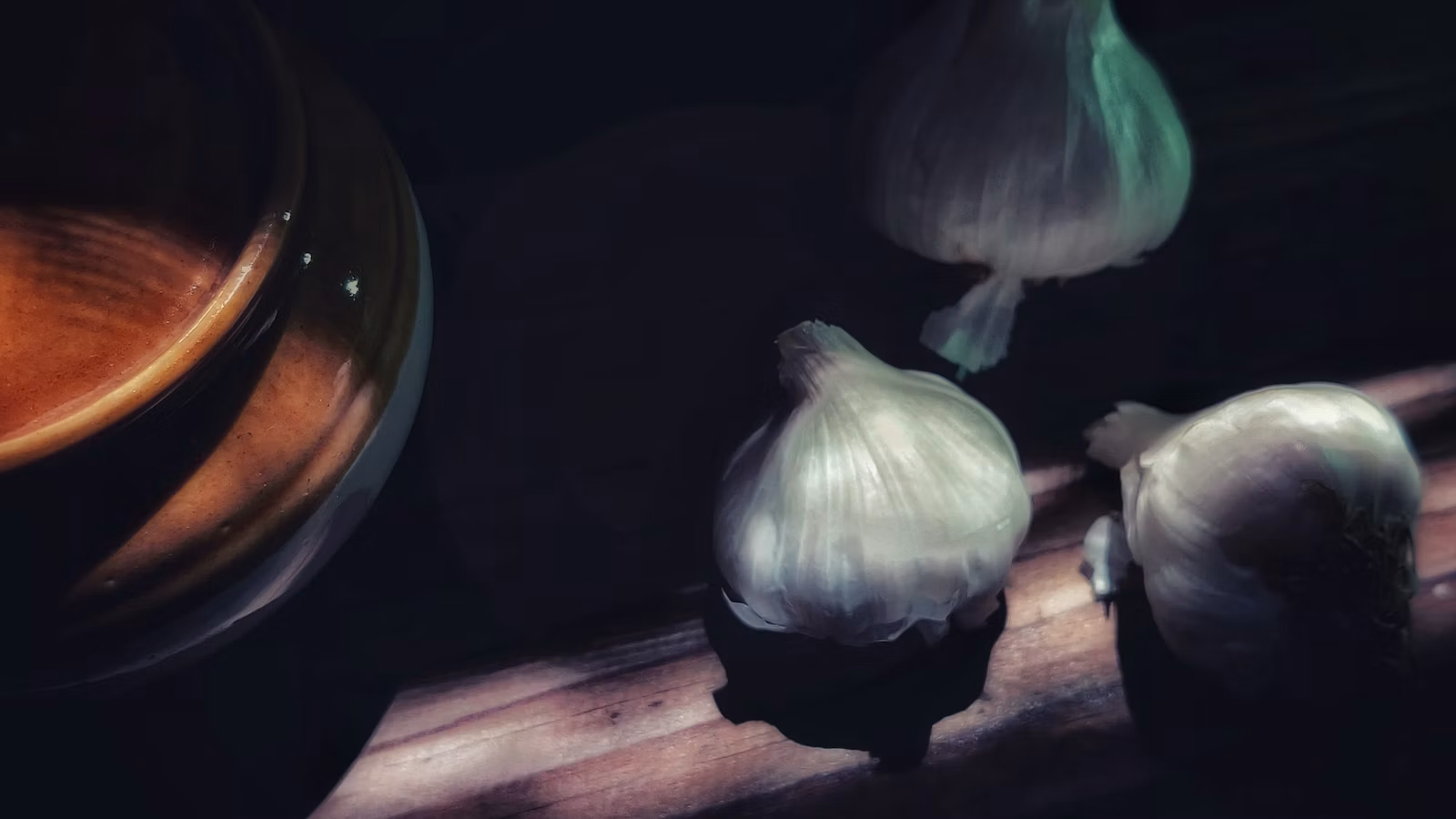
Confit is a low, slow cooking method in fat. Here, the oil carries heat evenly around the cloves while protecting them from the dry edges that can form during ordinary roasting. The sharp raw aroma softens, the cloves turn pale gold, and their texture becomes almost creamy.
A small baking dish keeps the garlic submerged without demanding a bottle of oil. I would choose a mild olive oil or neutral oil that you already enjoy; an aggressively bitter oil can dominate the finished result. For everyday garlic flavor without the storage issue, garlic powder remains the easier pantry option.
- Stay low: use a 250°F (120°C) oven so the cloves tenderize rather than fry.
- Keep cloves covered: exposed tips brown faster and can turn chewy.
- Watch texture: begin checking at 45 minutes; size matters more than the clock.
Ingredient choices and useful variations
Whole peeled cloves, enough oil to submerge them, and a pinch of salt are the essential pieces. Thyme, rosemary, a bay leaf, or a few peppercorns can perfume the oil, but use dry, clean herbs and remember that aromatics do not make the mixture safe at room temperature.
Intact cloves cook more evenly than smashed ones. Trim only a tough root end, and discard any clove with mold or deep soft spots. If the garlic begins browning quickly before it feels soft, lower the oven temperature; the goal is a quiet shimmer, not active frying.
How to make garlic confit without scorching
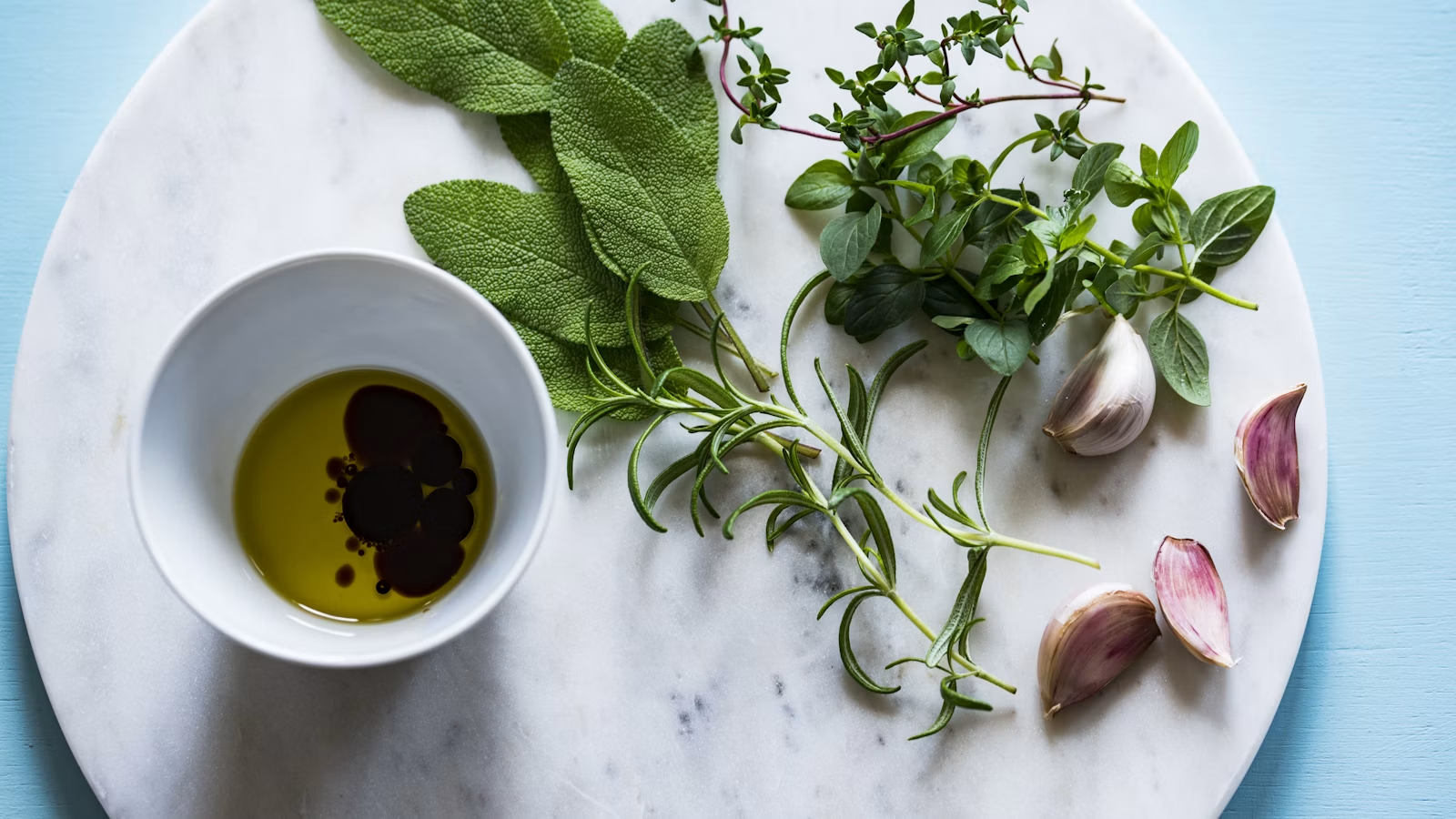
- Place 2 cups peeled garlic cloves in a small oven-safe dish and add enough oil to cover them completely.
- Bake at 250°F (120°C) for 50 to 70 minutes, stirring once, until the cloves are pale gold and crush easily with a fork.
- Cool only until the dish is manageable, then transfer the cloves and oil to a clean container and refrigerate promptly.
The oil may look still in one oven and gently tremble in another. That is fine. Dark brown cloves signal too much heat, while chalky centers need more time. Let texture make the final decision.
The storage rule that matters most
Garlic in oil creates a low-acid, low-oxygen environment where Clostridium botulinum can grow if the mixture is held improperly. The CDC says homemade garlic or herb oils should be refrigerated and discarded after four days. The National Center for Home Food Preservation gives the same four-day limit at 40°F (4°C) or colder and recommends freezing for longer storage.
Divide extra confit into small freezer-safe portions so you can thaw only what you need. Never leave the jar on the counter, even if it smells normal. Botulinum toxin cannot be detected by sight, smell, or taste, so this is one rule I would keep plain and firm.
Garlic confit recipe
The card below keeps the complete quantities, temperature, timing, yield, and estimated nutrition in one editable place. Use the cloves on toast, mash them into potatoes, or whisk a small amount of the chilled oil into a dressing.
How to Make Garlic Confit Safely

Ingredients
- 2 cups peeled whole garlic cloves about 10 ounces or 285 g
- 1 1/2 to 2 cups olive oil or neutral oil enough to fully submerge the cloves
- 4 sprigs fresh thyme optional
- 1 bay leaf optional
- 1/4 teaspoon fine salt
Instructions
- Preheat the oven to 250°F (120°C). Place the peeled garlic in a small oven-safe dish so the cloves fit in one or two snug layers.
- Pour in enough oil to cover every clove completely. Add the thyme, bay leaf, and salt if using.
- Bake for 50 to 70 minutes, stirring once, until the cloves are pale gold and a small knife slides through without resistance. The oil should shimmer gently, not fry vigorously.
- Remove from the oven. Cool only until the dish is manageable, then transfer the garlic and oil to a clean container, cover, and refrigerate at 40°F (4°C) or below.
- Use refrigerated confit within 4 days. Freeze extra portions promptly for longer storage; never store homemade garlic in oil at room temperature.
Nutrition
Notes
- The CDC and National Center for Home Food Preservation advise refrigerating homemade garlic oil and discarding it after 4 days.
- Freeze small portions for longer storage.
- Nutrition is an estimate for one tablespoon including some oil; the amount of oil served changes the result.
Tried this recipe?
Let us know how it turned out!Sources
Hi, I’m Laura, the voice behind Tastiva. I’ve always believed that eating well should feel enjoyable, comforting, and realistic—not like another complicated rule to follow. I love creating recipes that fit into everyday life, sharing simple nutrition ideas, and finding small ways to make meals feel a little better without losing the pleasure of good food.