

French toast can go wrong in two opposite directions before the coffee is ready: dry in the middle because the dip was too quick, or soft and eggy because the bread took on more custard than the pan could set. Good French toast lands between them, with bronzed edges and a center that is moist, tender, and fully cooked.

Choose sturdy, slightly dry bread and give the custard time to reach the center without drowning the slice.
Table of Contents
The best bread for French toast
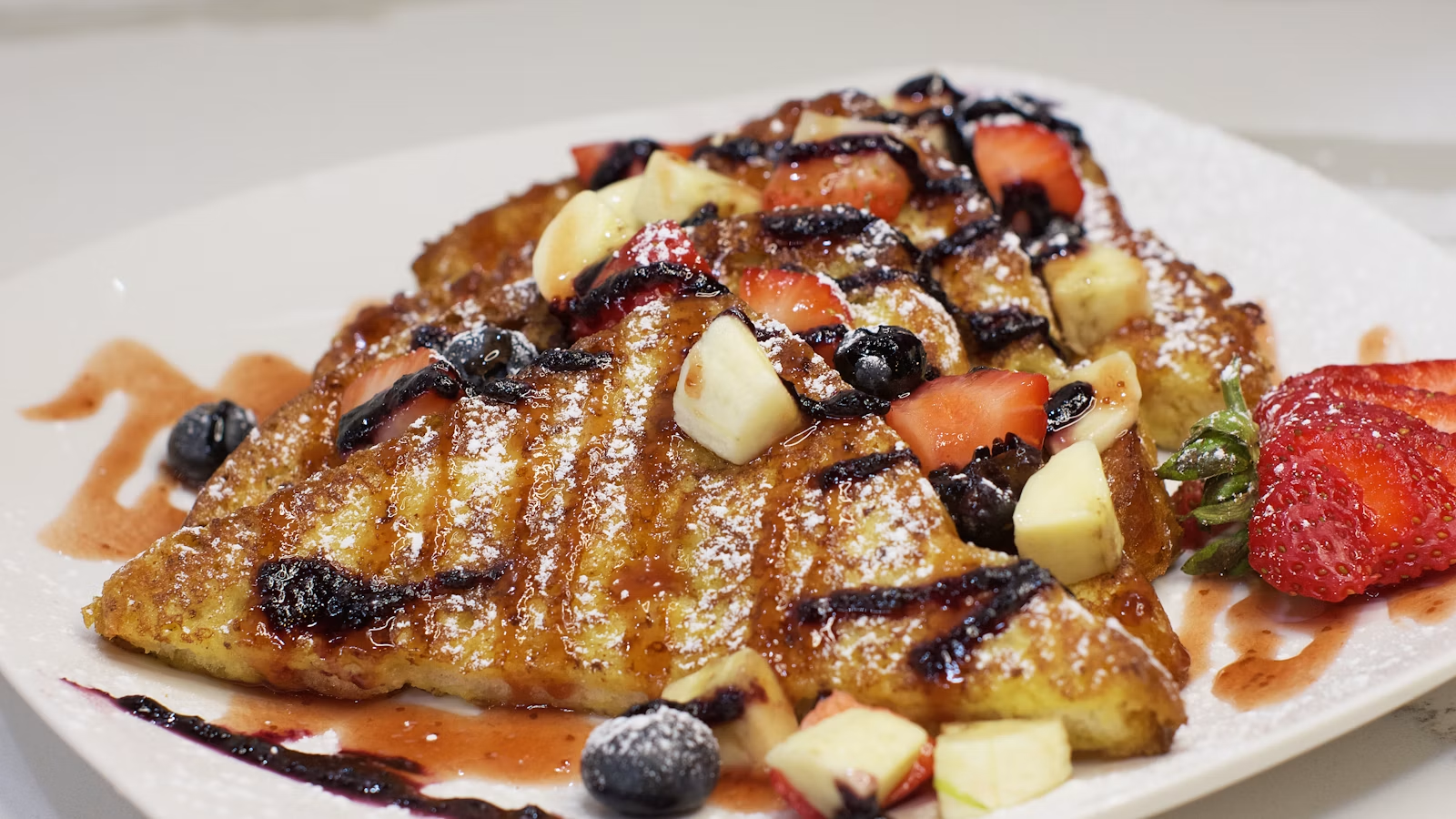
Use bread thick enough to absorb custard without collapsing. Brioche and challah make a rich, plush slice; country white bread gives more chew; whole-grain bread brings a nuttier flavor and a firmer crumb. Very fresh sandwich bread can tear, while rock-hard stale bread may stay dry inside.
Slightly dry bread is ideal. Leave slices uncovered for 30 to 60 minutes, or warm them briefly in a low oven, then cool before dipping. The goal is not to turn breakfast into croutons; it is simply to remove enough surface moisture that the custard can replace it.
Slices about 3/4 inch thick are a forgiving middle ground. Thicker café-style pieces need a longer soak and gentler heat so the inside cooks before the outside becomes too dark.
Build a custard that cooks evenly
Eggs set the custard, milk loosens it, and a small amount of sugar helps browning. Too many eggs create a firm, savory coating; too much milk leaves the center wet. Whisk until no ropes of egg white remain, then pour the mixture into a shallow dish wide enough for one slice.
Cinnamon tends to float, so whisk it first with the sugar before adding the wet ingredients. Vanilla adds aroma, while a pinch of salt keeps the sweetness from tasting flat. I would save extra sweetness for the plate; maple syrup, fruit, or powdered sugar are easier to control than a heavily sweetened custard.
- For rich bread: use a quick but thorough soak.
- For lean country bread: allow a little more time for absorption.
- For thin sandwich bread: dip briefly and transfer with a wide spatula.
If you are cooking for several people, whisk a fresh half-batch of custard rather than doubling everything in one deep bowl. A shallow layer keeps the cinnamon distributed and makes it easier to give each slice the same soak.
How to cook French toast without soggy centers
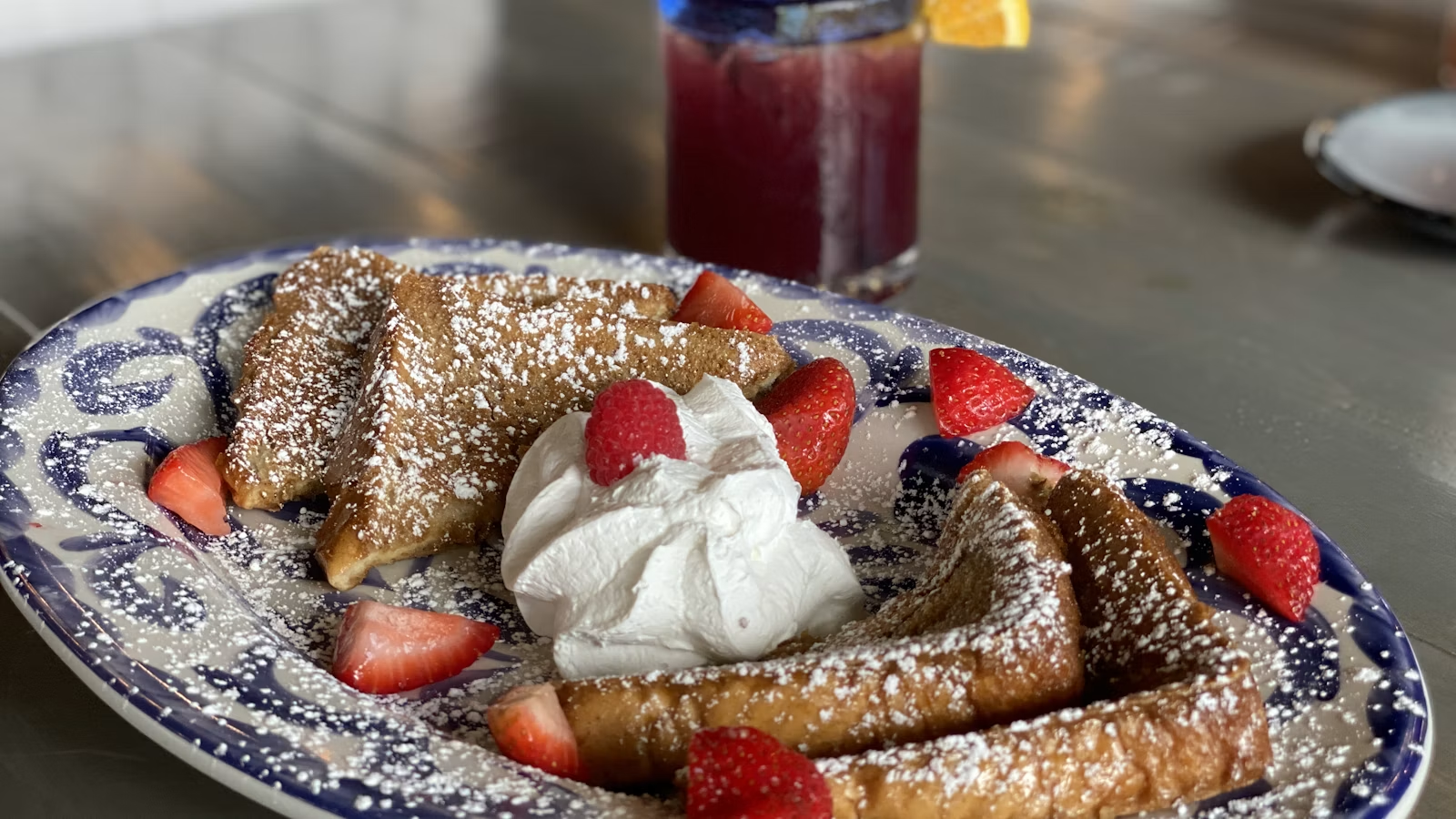
Preheat a skillet or griddle over medium heat before the first slice goes down. Add a thin film of butter, then cook until the underside is deeply golden and releases easily. If butter darkens immediately, the pan is too hot. If the bread sits pale for several minutes, increase the heat slightly.
Cook in batches without crowding, and wipe out burnt milk solids between rounds if necessary. A moderate pan gives the center time to reach a safe temperature while the outside browns. USDA guidance for egg dishes is 160°F (71°C); a thin probe inserted into the center of a thick slice gives the clearest check.
- Soak until the slice feels heavier but still holds its shape.
- Let excess custard drip back into the dish.
- Cook the first side undisturbed until golden.
- Flip once and finish until the center is hot and set.
Toppings, storage, and reheating
Berries and yogurt keep the plate bright; sliced bananas and toasted nuts make it more substantial; warm apples add a soft fall note. If you are planning breakfast for a family, Tastiva’s easy breakfast ideas for kids can help round out the menu without turning every morning into brunch service.
Hold cooked slices in a 200°F (95°C) oven on a wire rack while finishing the batch. Refrigerate leftovers promptly, then reheat in a toaster oven, skillet, or air fryer so the edges recover. A microwave works, but the surface will stay soft.
Freeze cooled slices in a single layer before stacking with parchment. Reheat from frozen until hot throughout. When using eggs, clean splashes and utensils promptly; Tastiva’s guide to checking eggs covers quality cues, but thorough cooking remains the safety step.
Classic French toast recipe
The card below keeps the full ingredient quantities and cooking sequence together. Estimated nutrition is for two slices per serving and excludes toppings.
French Toast With Crisp Edges and a Custardy Center

Ingredients
- 4 large eggs
- 1 cup 2% milk
- 1 tablespoon granulated sugar
- 1 teaspoon vanilla extract
- 1 teaspoon ground cinnamon
- 1/4 teaspoon fine salt
- 8 slices sturdy bread about 3/4 inch thick and slightly dry
- 1 tablespoon unsalted butter plus more as needed
Instructions
- Whisk the sugar, cinnamon, and salt in a shallow dish. Add the eggs, milk, and vanilla, then whisk until completely blended with no visible strands of egg white.
- Heat a large skillet or griddle over medium heat. Add a thin film of butter.
- Dip two bread slices in the custard, turning to coat. Let them absorb the mixture without becoming fragile, then allow the excess to drip off.
- Cook for 2 to 4 minutes per side, until deep golden and the center is hot and set. For thick slices, verify 160°F (71°C) in the center.
- Repeat with the remaining bread, adjusting the heat and adding butter as needed. Serve warm with your chosen toppings.
Nutrition
Notes
- Slightly dry bread absorbs custard more evenly than very fresh bread.
- Hold cooked slices on a rack in a 200°F (95°C) oven.
- Nutrition is estimated from standard USDA ingredient data and excludes toppings.
Tried this recipe?
Let us know how it turned out!Sources
These references support the preparation, ingredient, nutrition, and food-safety details in this article.
- USDA FSIS: Shell Eggs From Farm to Table
- USDA MyPlate: Fantastic French Toast
- USDA FSIS: Safe Minimum Internal Temperatures
Hi, I’m Laura, the voice behind Tastiva. I’ve always believed that eating well should feel enjoyable, comforting, and realistic—not like another complicated rule to follow. I love creating recipes that fit into everyday life, sharing simple nutrition ideas, and finding small ways to make meals feel a little better without losing the pleasure of good food.