
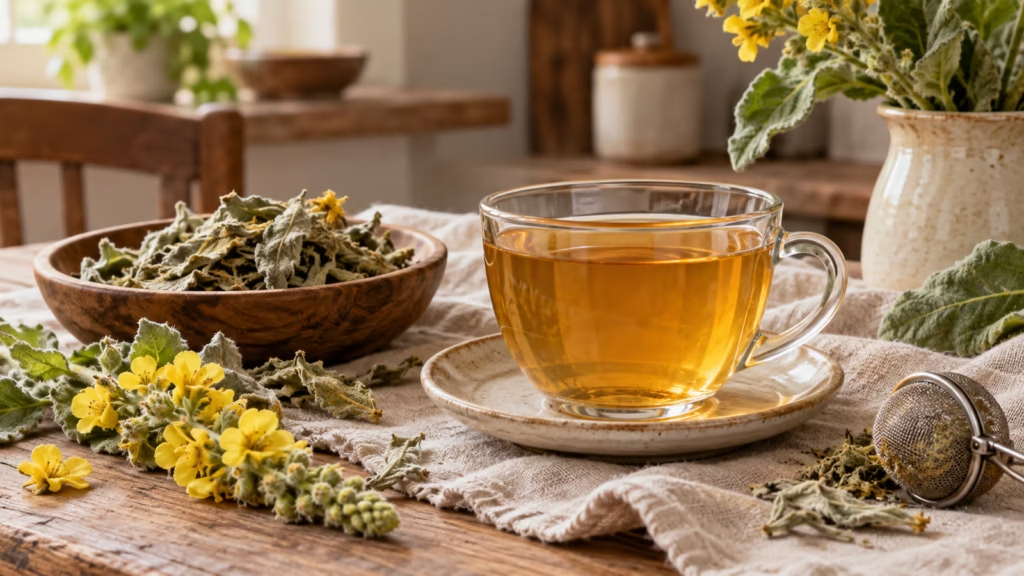
Mullein looks soft enough to pet: tall yellow flower spikes, broad gray-green leaves, and a coat of fine fuzz that catches the light. In a cup, mullein tea is mild, earthy, and slightly sweet. It also arrives with a cloud of online claims about “detoxing” lungs and clearing every cough. The plant has a long traditional history, but modern human evidence is limited, and one practical detail matters immediately: filter the tea very well.
Mullein’s traditional story is much stronger than its clinical-trial record, so a careful cup begins with honest expectations.
What mullein tea is and why people drink it
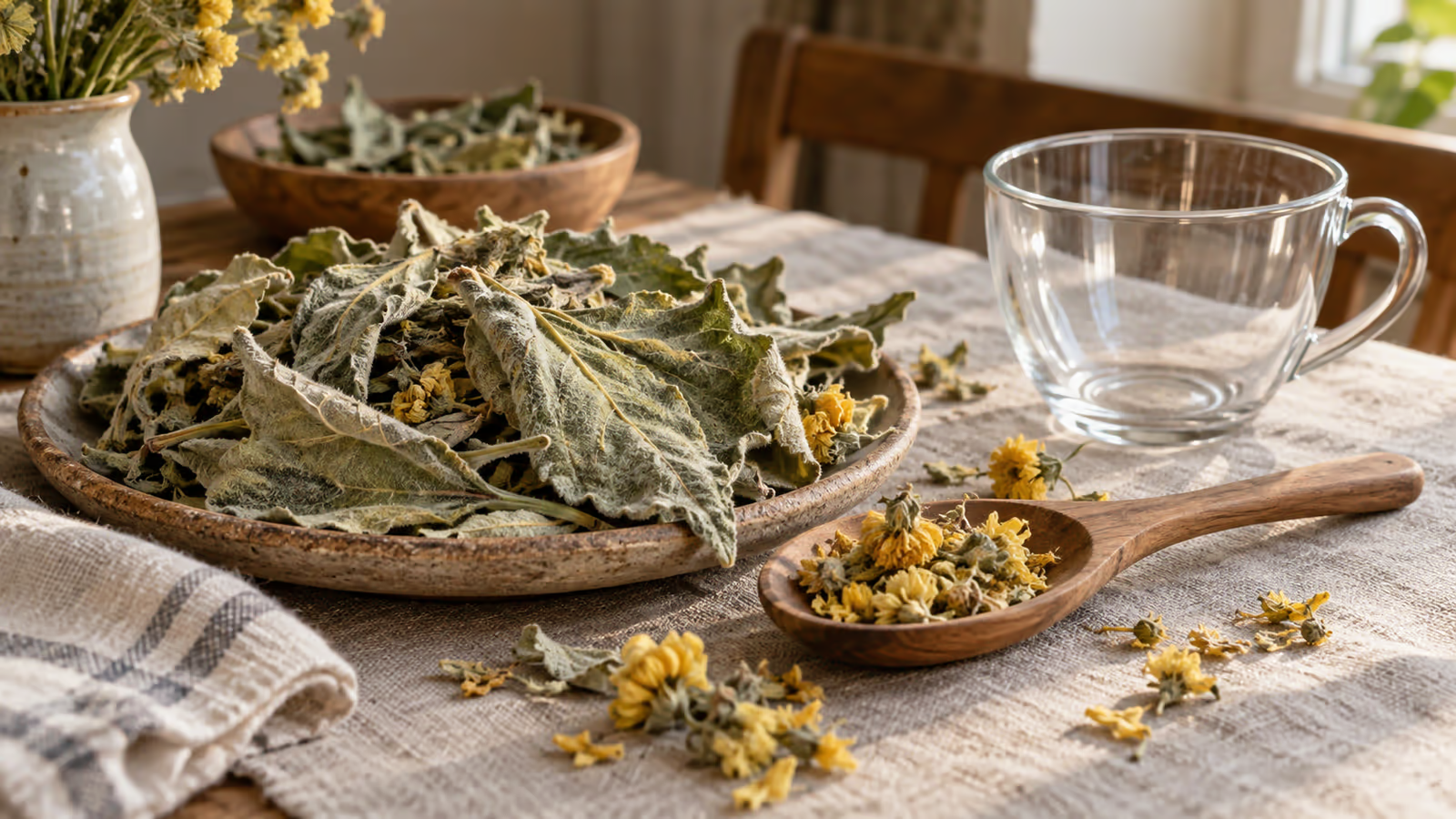
Mullein is the common name for plants in the Verbascum genus. Tea is commonly made from dried leaf or flower, and the parts are not interchangeable in every traditional or regulated herbal preparation. Read the package so you know the species and plant part rather than assuming every bag labeled “mullein” is identical.
People have traditionally used mullein for dry cough, sore throat, and respiratory discomfort. The European Medicines Agency’s herbal committee concluded that mullein flower medicines may be used for relief of sore throat associated with dry cough and a cold, but specifically on the basis of long-standing traditional use. The agency also states that clinical studies are lacking.
That distinction is the heart of the article. Traditional use can tell us how a plant has been used and whether a limited, short-term use seems plausible. It cannot prove that mullein treats asthma, bronchitis, pneumonia, COPD, infection, or lung damage. Tea does not “detox” lungs, reverse smoking injury, or replace inhalers, antibiotics, testing, or medical evaluation.
What the research does—and does not—show
Laboratory and review papers describe plant compounds with possible anti-inflammatory, antioxidant, antimicrobial, and other biological activity. Those findings help researchers decide what to study next. They do not show that drinking mullein tea produces the same effect in a person, at a useful dose, without harm.
The EMA monograph is refreshingly direct: its conclusion rests on at least 30 years of traditional use, including 15 years in the European Union, rather than sufficient clinical trials. For the referenced mullein flower medicines, it limits use to adults and adolescents over 12 and advises medical review if symptoms worsen or last longer than a week. A U.S. tea product may have different instructions, so follow its label.
- Reasonable expectation: a warm, mild drink that may feel soothing on a dry throat.
- Unproven claim: that mullein tea removes mucus or toxins from healthy lungs.
- Unsafe substitution: using tea instead of prescribed respiratory medicine or urgent care.
- Useful checkpoint: worsening symptoms or a cough lasting beyond the product’s recommended window.
How to brew and strain mullein tea carefully
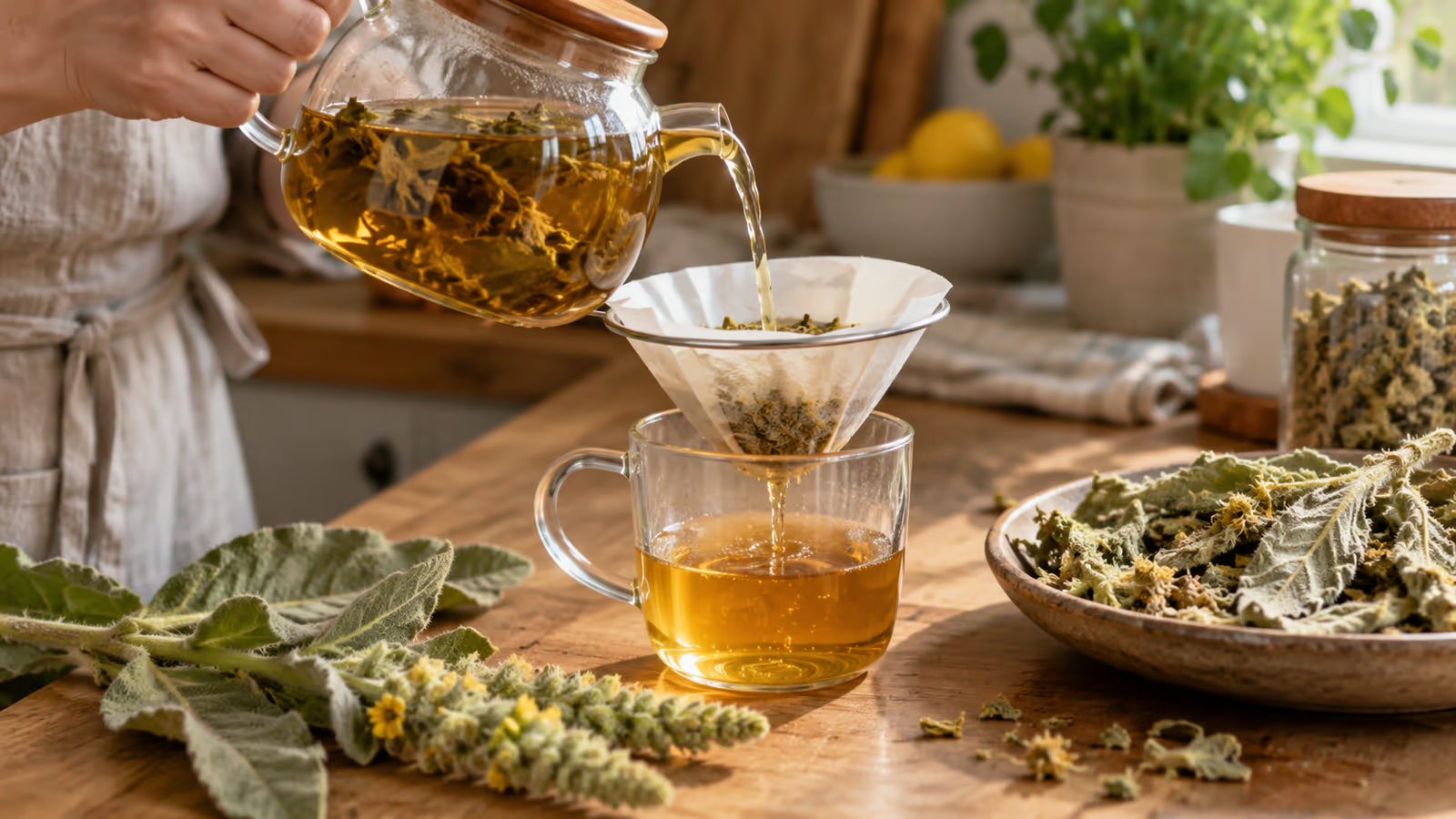
Use the directions on the package because cut size and plant part change the strength. A typical loose-tea approach is to steep a small spoonful in hot water for several minutes, but that is a kitchen preparation—not a treatment dose. If the product does not identify the plant or give directions, I would choose another one.
The leaves carry tiny hairs that can make a poorly filtered cup feel scratchy. A loose tea ball may not catch them. Pour the infusion through a paper coffee filter, clean cloth, or very fine filter, and do not press fuzzy plant fragments through. The smoothest-looking cup is the goal here; rustic bits floating on top add nothing useful.
Mullein tastes gentle, so honey or lemon can easily take over. Try it plain first. If you add honey, remember it should never be given to a child younger than 12 months. For another naturally caffeine-free evening option with a better-studied safety page, see our evidence-based look at chamomile tea.
Safety, buying, and the moment tea is not enough
Reliable safety data are thin, particularly for pregnancy, breastfeeding, children, long-term use, and interactions. Ask a clinician or pharmacist before regular use if you take medication, manage a chronic condition, are pregnant or breastfeeding, or are considering it for a child. Stop if you develop a rash, swelling, throat irritation, stomach upset, or another reaction.
Buy from a seller that lists the botanical name, plant part, lot information, and clear directions. Avoid wild-harvested roadside leaves, plants exposed to sprays, and products that smell musty. In the United States, herbal teas sold as foods and mullein supplements can fall under different rules; neither a pretty package nor “natural” language proves effectiveness.
Seek urgent care for trouble breathing, blue or gray lips, chest pain, confusion, coughing blood, or severe wheezing. Fever, dehydration, worsening symptoms, or a cough that lingers also deserve proper assessment. I am happy to let mullein be a soothing, carefully strained cup. I would not ask it to carry the weight of a diagnosis.
Sources
- European Medicines Agency: Verbasci flos (Mullein Flower)
- PubMed: Common Mullein—Recent Advances in Research
- National Library of Medicine: Review of Verbascum Traditional Uses and Research
- NIH Office of Dietary Supplements: Dietary Supplements—What You Need to Know

Hi, I’m Laura, the voice behind Tastiva. I’ve always believed that eating well should feel enjoyable, comforting, and realistic—not like another complicated rule to follow. I love creating recipes that fit into everyday life, sharing simple nutrition ideas, and finding small ways to make meals feel a little better without losing the pleasure of good food.