
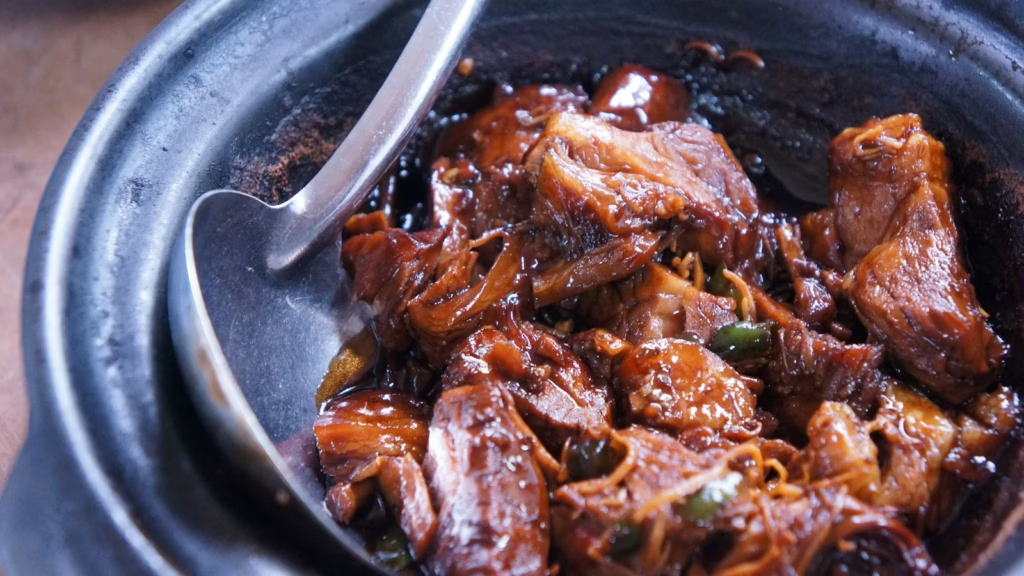
Oxtail is one of those ingredients that asks for patience and rewards it generously. The raw pieces can look mostly like bone, but a long, gentle cook turns them into deeply savory meat surrounded by a glossy, almost velvety sauce. If you have wondered whether the name is literal, how it tastes, or why it costs more than expected, this guide clears up the useful bits before you shop.
Oxtail is not a shortcut supper, and that is exactly its charm: low heat and time turn a bony cut into something lush.
It also belongs to many food traditions rather than one single cuisine. You will meet it in Caribbean stews, Korean soups, Italian braises, Southern cooking, and plenty of family pots that do not fit neatly into a label. The seasonings change; the basic logic stays wonderfully steady.
What is oxtail?
Oxtail is the culinary name for the tail of cattle. Historically the term referred more narrowly to an ox, but the oxtail sold today can come from cattle of either sex. Butchers cut the tail crosswise into thick rounds, so each piece has a central bone, marrow, connective tissue, fat, and a modest ring of meat.
The pieces are not identical. Sections from the broad end are meatier, while the narrow end gives you smaller rounds with more bone relative to meat. A mixed package is normal. For even cooking, arrange the larger pieces where the heat is strongest or give them a little extra time.
That bone-to-meat ratio explains both the appeal and the price puzzle. You are buying less boneless meat per pound than you would with chuck, yet oxtail has become a sought-after cut. Plan portions with the bones in mind instead of treating it like a boneless roast.
Why oxtail tastes so rich
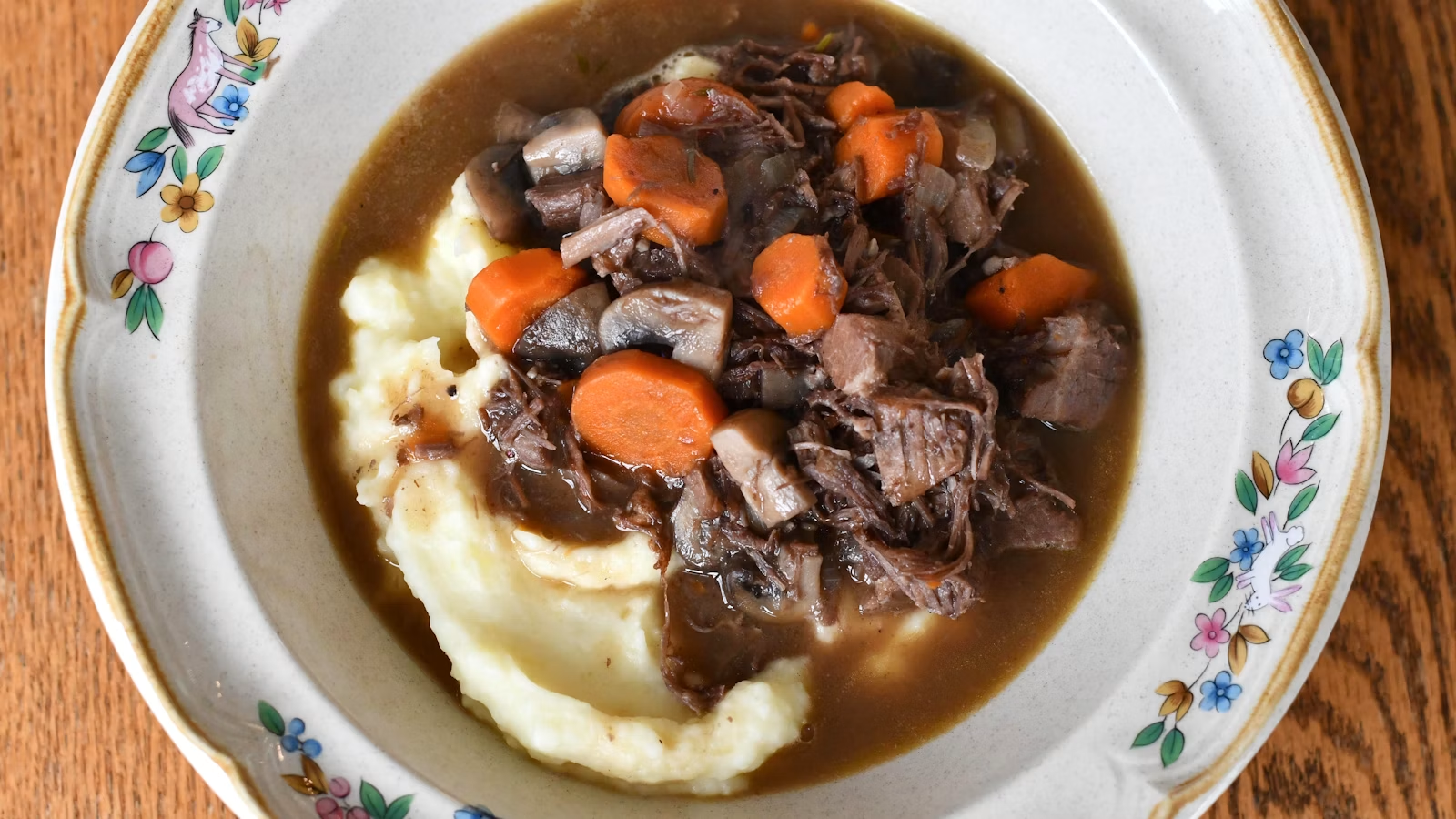
The flavor is unmistakably beefy, but the texture is the real event. Oxtail contains plenty of connective tissue. During a slow, moist cook, collagen softens into gelatin, giving the cooking liquid body without a spoonful of flour. When it is ready, the meat should yield easily and the sauce should lightly coat a spoon.
A good braise builds that richness in layers. Browning adds roasted depth, aromatics bring sweetness and fragrance, and a flavorful liquid carries everything through the long cook. The technique is similar to the one used for barbacoa-style beef, although oxtail usually needs more patient picking around the bones.
- Jamaican-style pots may bring allspice, thyme, chiles, and beans.
- Korean soups can keep the broth pale, clean, and beef-forward.
- Roman coda alla vaccinara leans into tomato, celery, and a long braise.
- Southern versions often become a dark gravy served over rice or potatoes.
How to buy and prepare it
Look for pieces with moist, ruby-colored meat and creamy white fat rather than dry, gray edges. Similar-size rounds are easier to cook together, but a varied pack is completely usable. Ask the butcher to cut the tail if it is sold whole; the joints and dense bone are not friendly to an ordinary kitchen knife.
Trim only large, loose flaps of exterior fat. Some fat helps the dish, and you can remove more after cooking. Pat the pieces dry before seasoning so they brown instead of steaming. Work in batches and leave breathing room in the pan—crowding is the fastest way to lose that flavorful crust.
If a finished braise seems greasy, chill it overnight and lift off the firm fat cap. This is not a failure; it is one of the nicest make-ahead advantages of the cut. The rested sauce often tastes more settled the next day, too.
The best way to cook oxtail
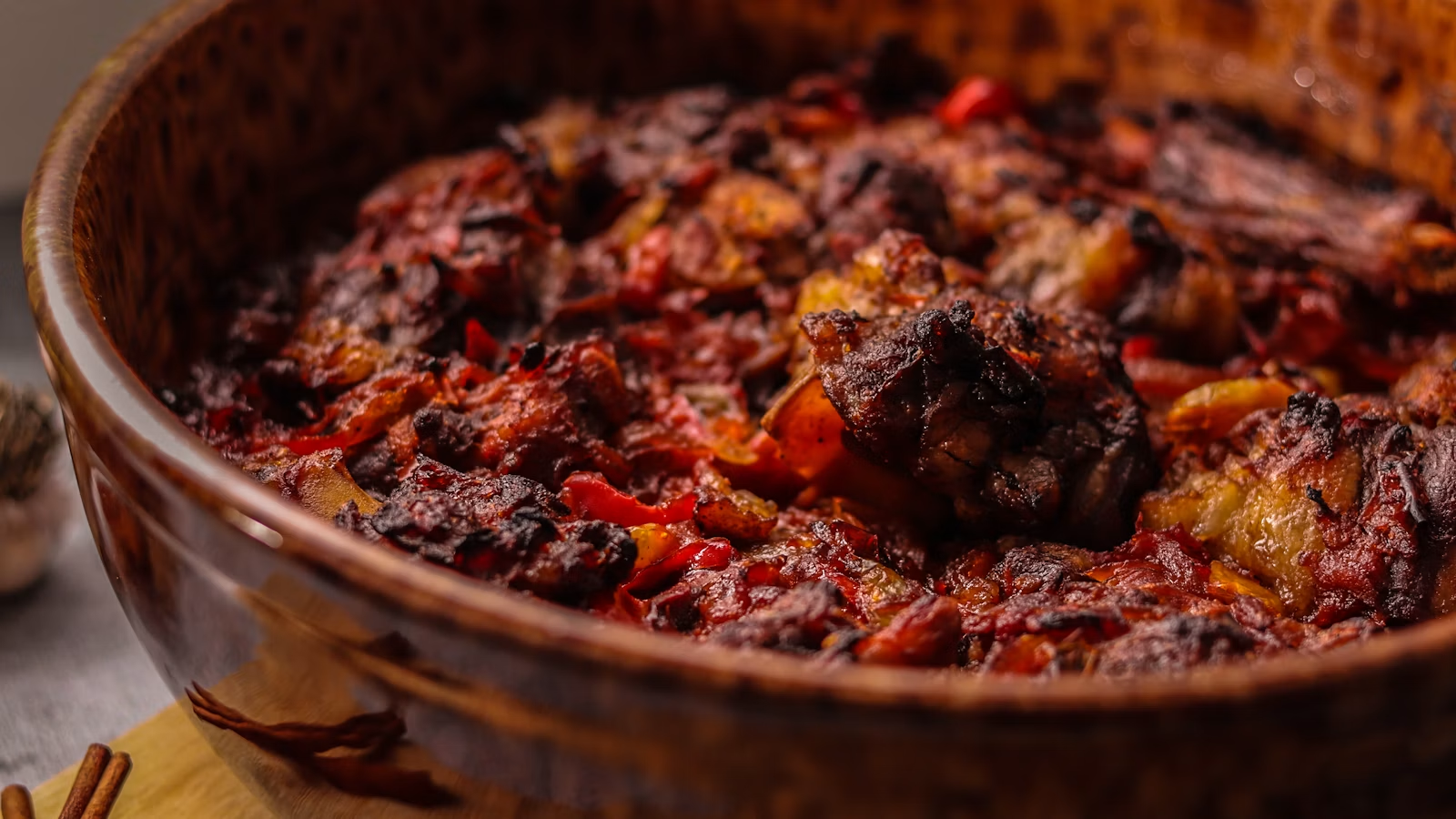
Braising is the dependable answer. Brown the seasoned pieces, soften your aromatics, deglaze the pan, then add enough stock or other cooking liquid to come partway up the meat. Cover and cook at a gentle simmer until a fork slides in easily and the meat wants to pull from the bone. Depending on size and method, that often takes roughly three hours, sometimes longer.
Do not chase tenderness with a hard boil. Aggressive bubbling can tighten the meat, cloud the sauce, and knock small bones loose. A quiet stovetop simmer, a low oven, a slow cooker, or a pressure cooker can all work; the correct endpoint matters more than the appliance.
After cooking, skim excess fat and reduce the liquid uncovered if it needs concentration. Taste only then for final salt. Oxtail works beautifully with rice, mashed potatoes, polenta, noodles, or bread—something plain that catches every bit of sauce.
- Brown deeply, but do not burn the fond.
- Keep the liquid below a violent boil.
- Judge doneness by tenderness, not only by the clock.
- Watch for small bone fragments when serving.
Nutrition, storage, and smart portions
Oxtail provides protein, but it is not especially lean. Nutrition varies with trimming, how much edible meat you pull from the bones, and whether the sauce is defatted. I think of it as a rich main rather than an everyday lean protein: serve a sensible portion with vegetables, beans, or whole grains and let the sauce do the talking.
For food safety, cook beef to a safe temperature and remember that braised oxtail needs to go well beyond mere safety to become tender. Refrigerate leftovers promptly in shallow containers. USDA guidance recommends using cooked beef within three to four days and reheating leftovers to 165°F.
Freeze the meat with enough sauce to protect it from drying out. Thaw it in the refrigerator, then reheat gently until steaming hot throughout. If you are serving children or anyone who may not expect bones, remove the meat from the bones first and check it carefully before it reaches the table.
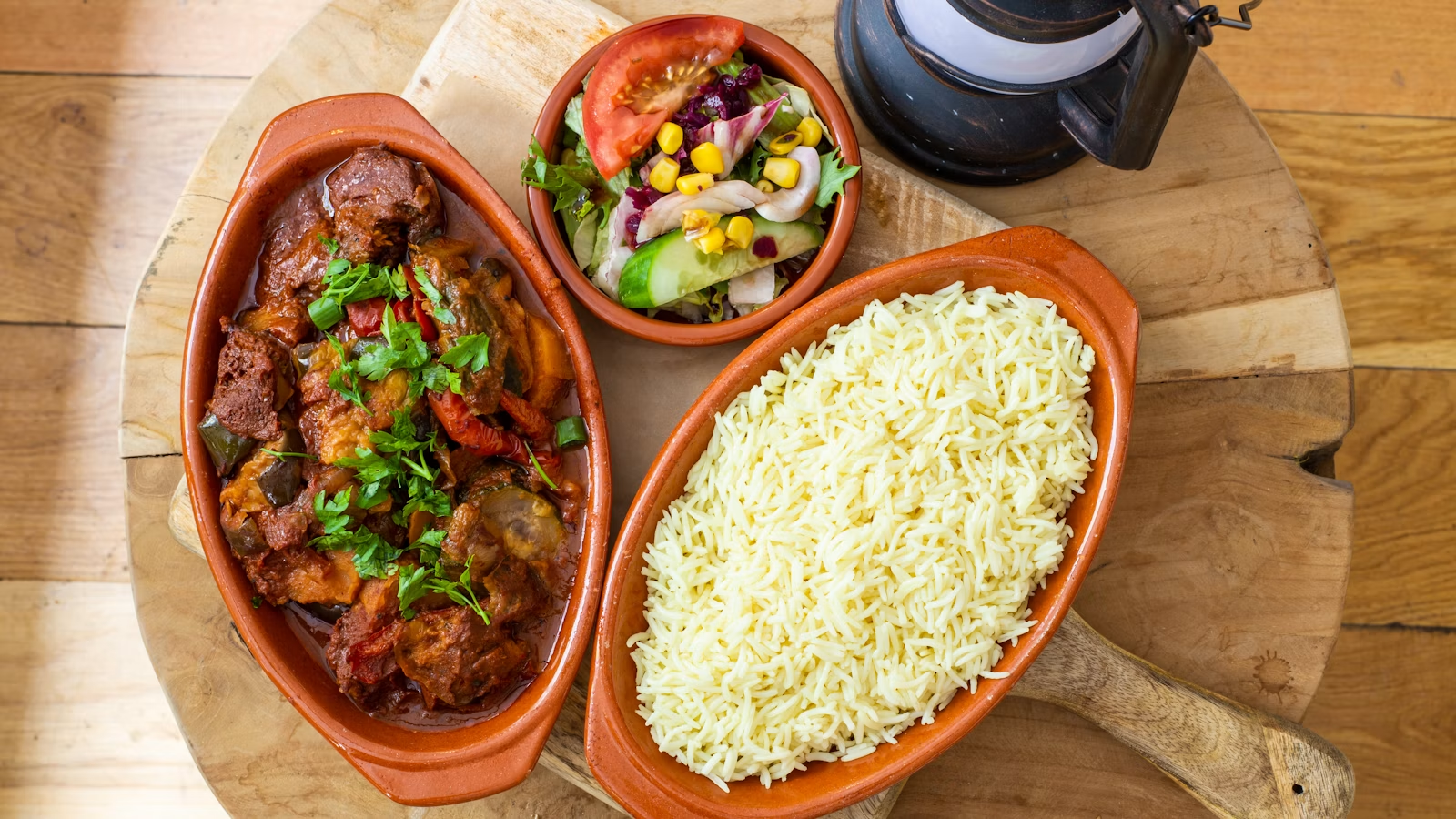
Chef John of Food Wishes turns oxtail into a tomato-based pasta ragu. His method browns the pieces in the oven, then finishes with a gentle stovetop simmer; follow his correction in the video rather than the unsuccessful oven-only stage.
Sources
- Culinary Institute of America: Spanish Oxtail Stew in Red Wine
- USDA FSIS: Beef From Farm to Table
- USDA FoodData Central
- Serious Eats: Best Cuts of Beef for Stew

Hi, I’m Laura, the voice behind Tastiva. I’ve always believed that eating well should feel enjoyable, comforting, and realistic—not like another complicated rule to follow. I love creating recipes that fit into everyday life, sharing simple nutrition ideas, and finding small ways to make meals feel a little better without losing the pleasure of good food.