
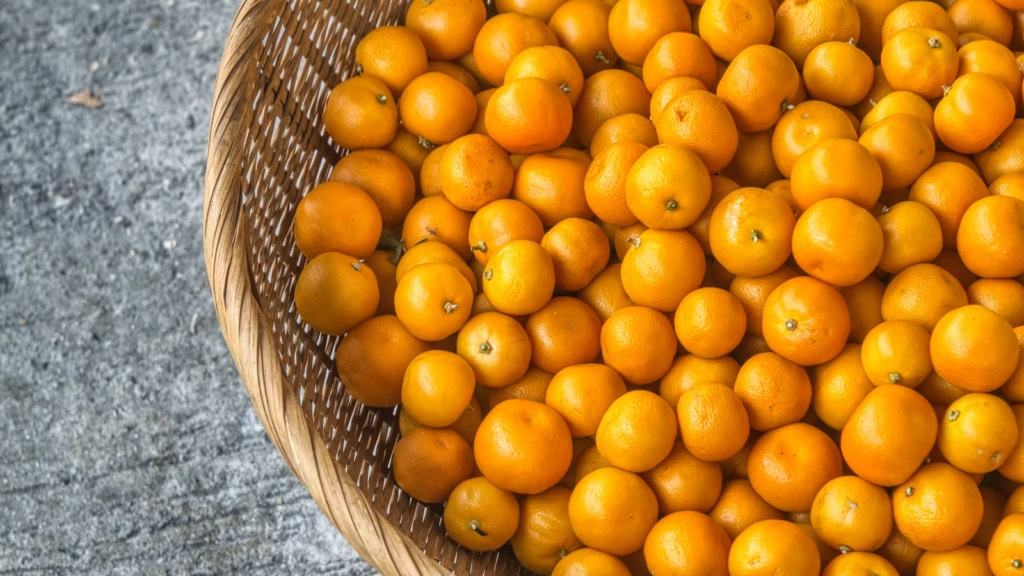
A kumquat looks like an orange that stopped growing early, but its flavor works in reverse: the peel is sweet and fragrant while the flesh is sharply tart. You eat the little fruit whole, which makes the first bite surprising in the best way. It is juicy, bright, a touch floral, and much more interesting than treating it as miniature citrus decoration.
The kumquat’s tiny trick is balance: sweet skin, sour center, and one bold citrus bite.
If you have passed a carton in the produce aisle because you did not know whether to peel it, you are not alone. Please do not attempt that fiddly little job. A rinse, a gentle roll between your fingers, and perhaps a seed removed after the first bite are usually all the preparation you need.
What is a kumquat?
Kumquats are small citrus relatives, generally round or oval and usually no more than about two inches long. Modern botanical classifications place common kumquats in the genus Citrus, although you may still see the older genus name Fortunella in garden books and nursery labels. That naming wrinkle changes nothing in the fruit bowl.
Unlike an orange, the thin rind is tender and pleasant to eat. The pulp and rind are both edible, while the seeds are safe but can be bitter and are easy to spit out. The popular oval Nagami type tends to be especially tart; rounder Meiwa kumquats are often sweeter, though individual fruit varies.
The fruit is associated with cool-season markets in many places, but timing depends on where it was grown. A deep orange color is attractive, yet color alone does not guarantee sweetness. Taste is the honest judge, as citrus can color before its flavor has fully developed.
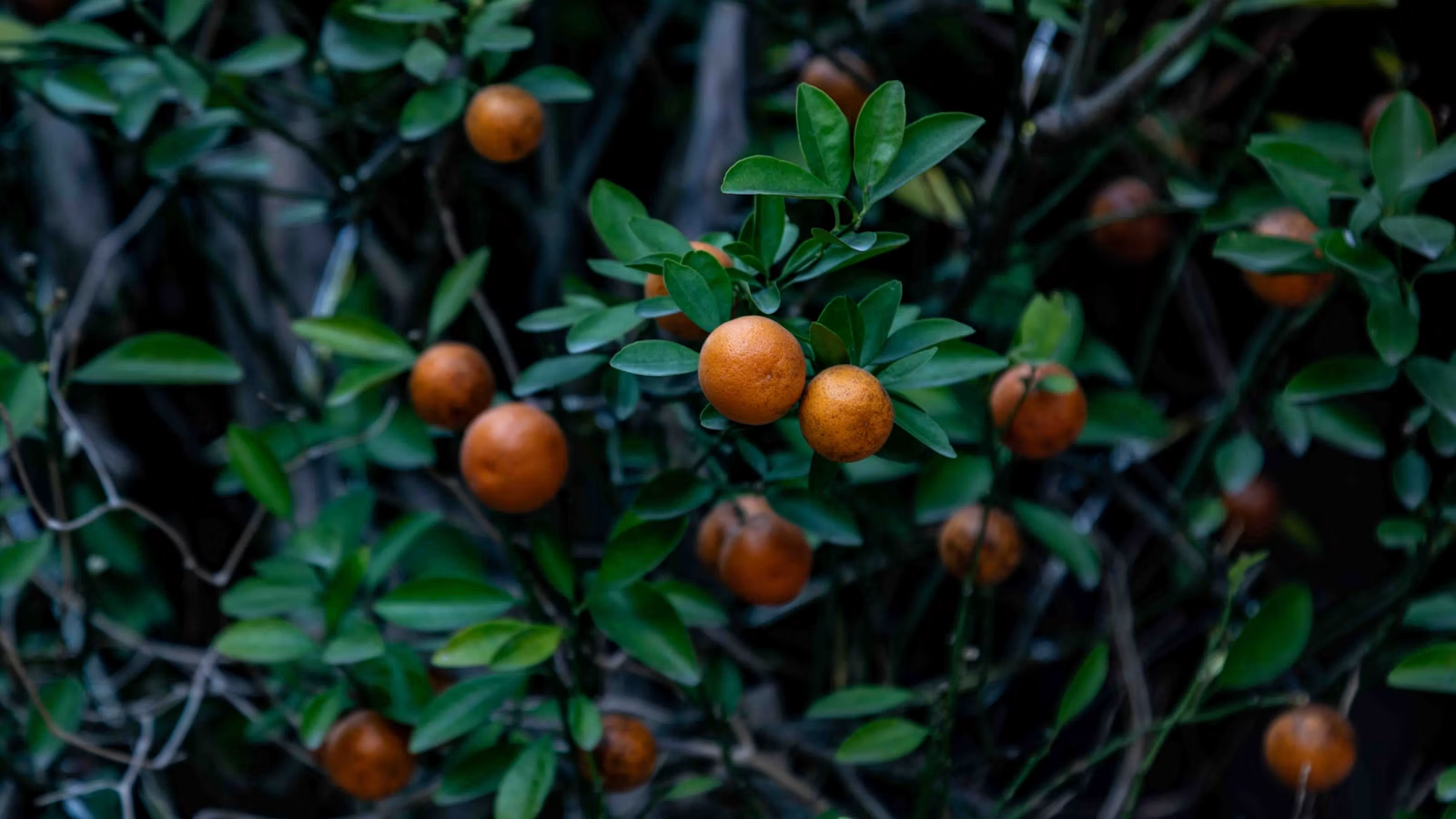
What does kumquat taste like?
The first impression is aromatic sweetness from the oil-rich peel. Then the juice arrives with a clean sour snap—somewhere in the neighborhood of orange, lemon, and tangerine, but not a copy of any of them. Eating peel and pulp together is the point because one tempers the other.
For the friendliest first taste, choose a plump fruit and roll it gently between your fingers for a few seconds. That releases some of the peel’s aromatic oils. Bite it whole, or slice it crosswise so you can remove visible seeds before eating.
- If it tastes too sharp, pair it with yogurt, honey, or a mild cheese.
- If it tastes flat, a tiny pinch of salt can wake it up.
- If the peel feels tough, slice the fruit thinly instead of eating it in one bite.
How to choose and store kumquats
Look for firm, glossy fruit that feels heavy for its size. A little natural variation in shape is fine, but skip pieces with mold, leaking spots, or widespread shriveling. The peel should smell fresh and citrusy when lightly rubbed, not fermented or stale.
If you will use them within a few days, keep whole kumquats at cool room temperature away from sun. For longer keeping, refrigerate them unwashed in a breathable produce bag, then rinse just before use. Extra surface moisture encourages deterioration, so dry them well if they are already damp.
Once cut, cover and refrigerate the fruit promptly. For a larger haul, turn it into marmalade, compote, syrup, or preserved fruit instead of waiting for the skins to wrinkle. You can also freeze sliced, seeded kumquats for cooked sauces and baking, where a softer texture will not matter.
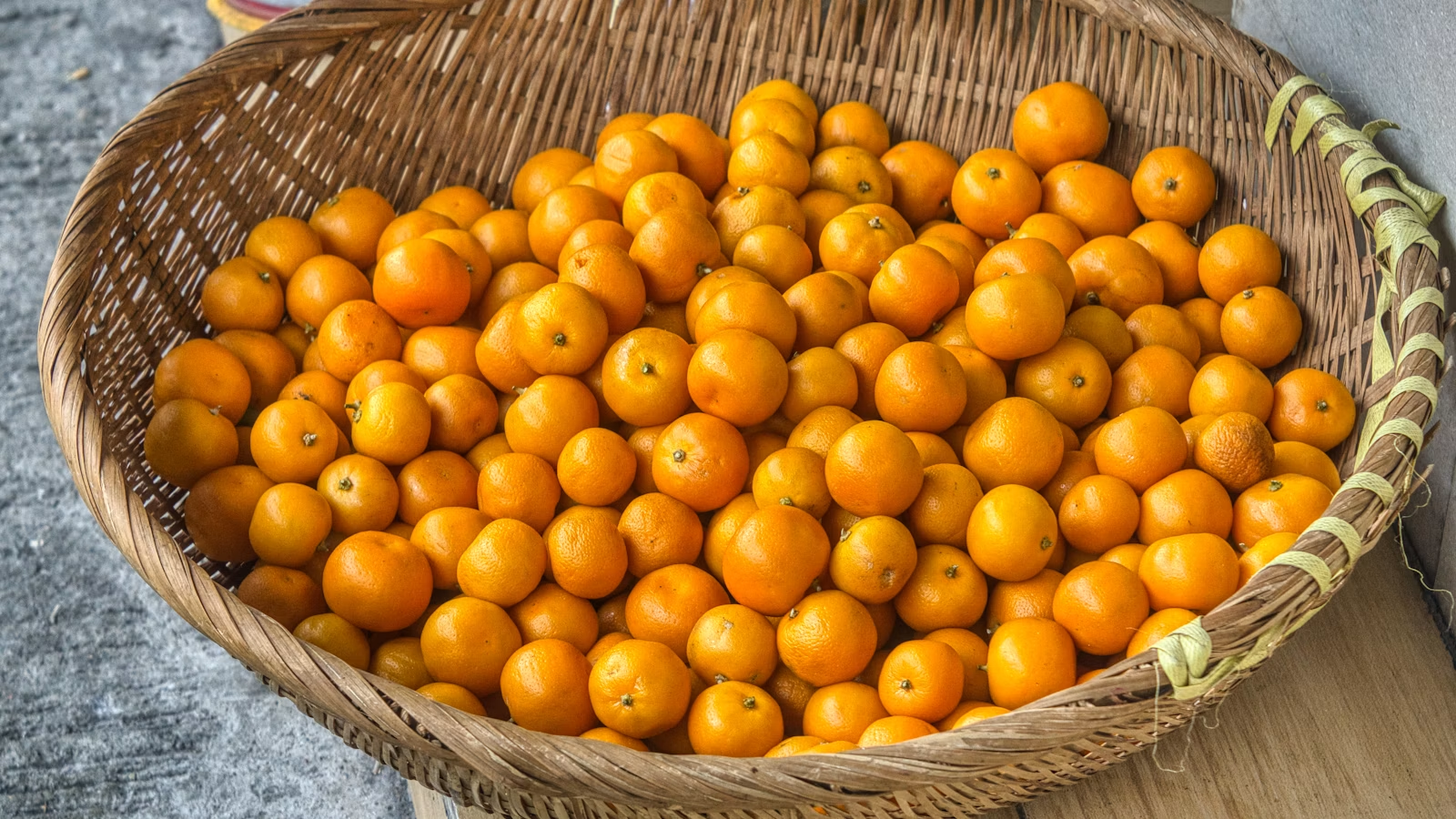
Easy ways to use kumquats
Raw kumquats are terrific anywhere a dish needs acidity and color. Slice them paper-thin over a winter salad, tuck them onto a cheese board, stir them into yogurt, or muddle them in sparkling water. Their peel brings more perfume than lemon juice alone, so begin modestly and taste as you go.
Heat rounds off the sharpness. Simmer the fruit with a little sugar for a spoonable compote, roast halves beside chicken, or reduce chopped kumquats into a glossy sauce for fish or tofu. They also make a lively citrus addition to a homemade fire cider, provided you enjoy its punchy style.
- Breakfast: spoon chopped fruit over oatmeal or ricotta toast.
- Salads: pair with bitter greens, fennel, avocado, or toasted nuts.
- Desserts: candy thin slices or fold a cooked compote into cake batter.
- Drinks: muddle with herbs, add to tea, or use as a bright garnish.
- Savory cooking: balance rich meats, oily fish, or creamy cheeses.
Nutrition and safe preparation
Because you eat the peel, kumquats bring the whole fruit to the plate, including fiber and vitamin C. A normal handful is still fruit rather than a supplement, and the exact nutrient amount depends on the portion and variety. Their strongest everyday advantage may simply be how easily they add vivid flavor without a heavy sauce.
Wash kumquats under cool running water before eating or cutting them, even if they look clean. The FDA advises washing fresh produce under running water and does not recommend soap or detergent. Rub the surface gently with clean fingers, then dry it with a clean towel.
If citrus causes you discomfort, begin with one fruit rather than a bowlful. And if you take medication with a known citrus interaction, ask your pharmacist whether kumquat belongs on your caution list; do not assume that every citrus fruit behaves exactly like grapefruit.
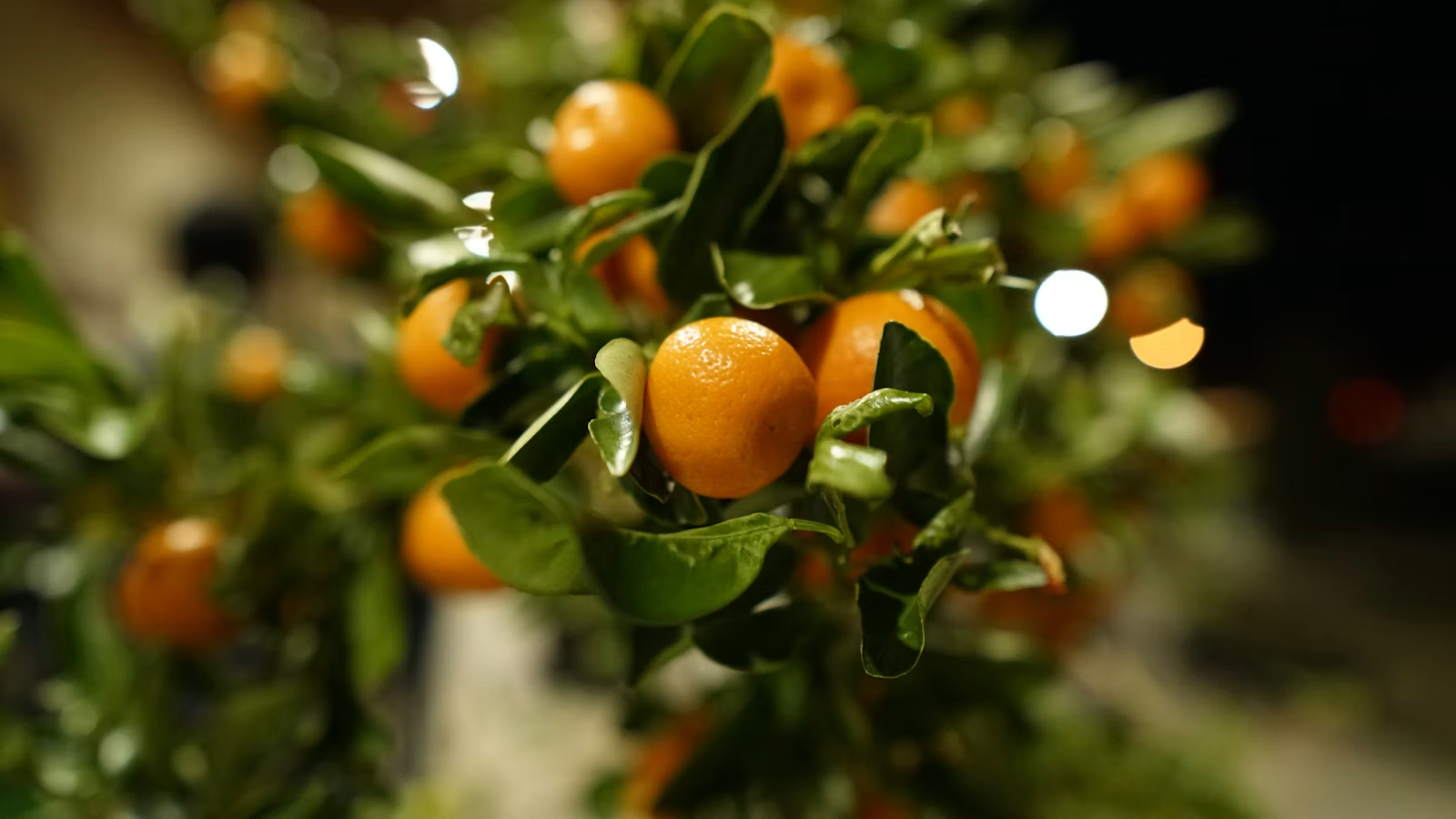
Howcast’s quick preparation guide shows the peel-and-all approach to eating a kumquat. You can also halve the washed fruit and remove the seeds before trying your first bite.
Sources
- University of Florida IFAS Extension: Kumquat
- University of Florida IFAS: Fortunella spp., Kumquat
- U.S. FDA: Selecting and Serving Produce Safely
- USDA FoodData Central

Hi, I’m Laura, the voice behind Tastiva. I’ve always believed that eating well should feel enjoyable, comforting, and realistic—not like another complicated rule to follow. I love creating recipes that fit into everyday life, sharing simple nutrition ideas, and finding small ways to make meals feel a little better without losing the pleasure of good food.