
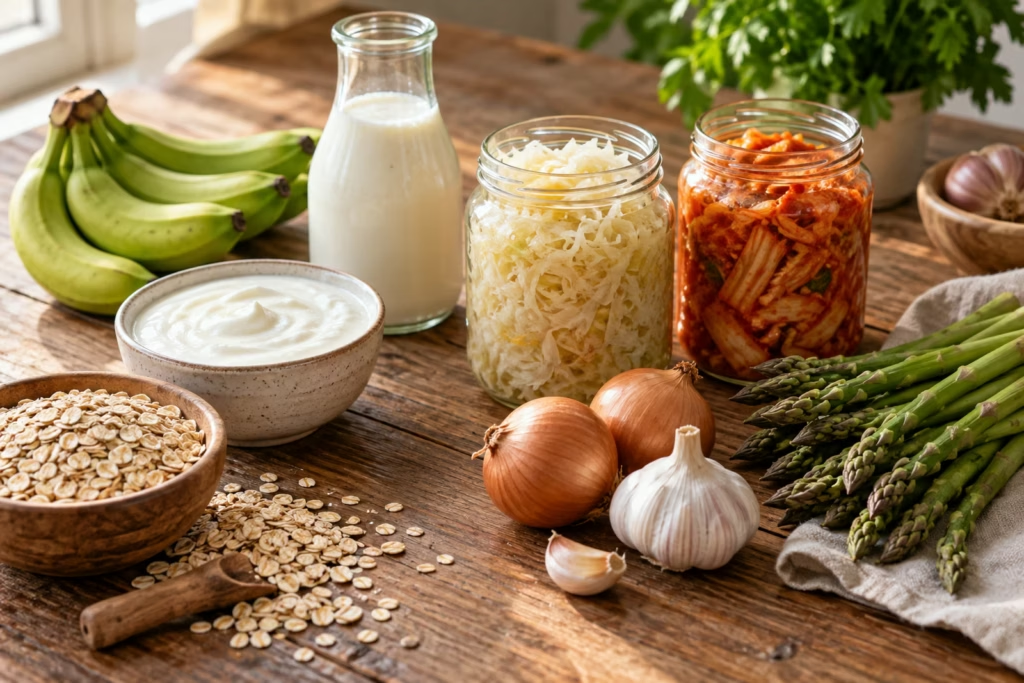
The gut-health aisle can make two nearly identical words feel needlessly complicated. Here is the simple prebiotic vs probiotic difference: prebiotics are substances that beneficial microbes use as food, while probiotics are live microorganisms that can provide a health benefit when consumed in adequate amounts. They can work together, but they are not interchangeable.
Think of probiotics as helpful guests and prebiotics as the nourishing table you set for the microbial community already living with you.
What prebiotics and probiotics actually are
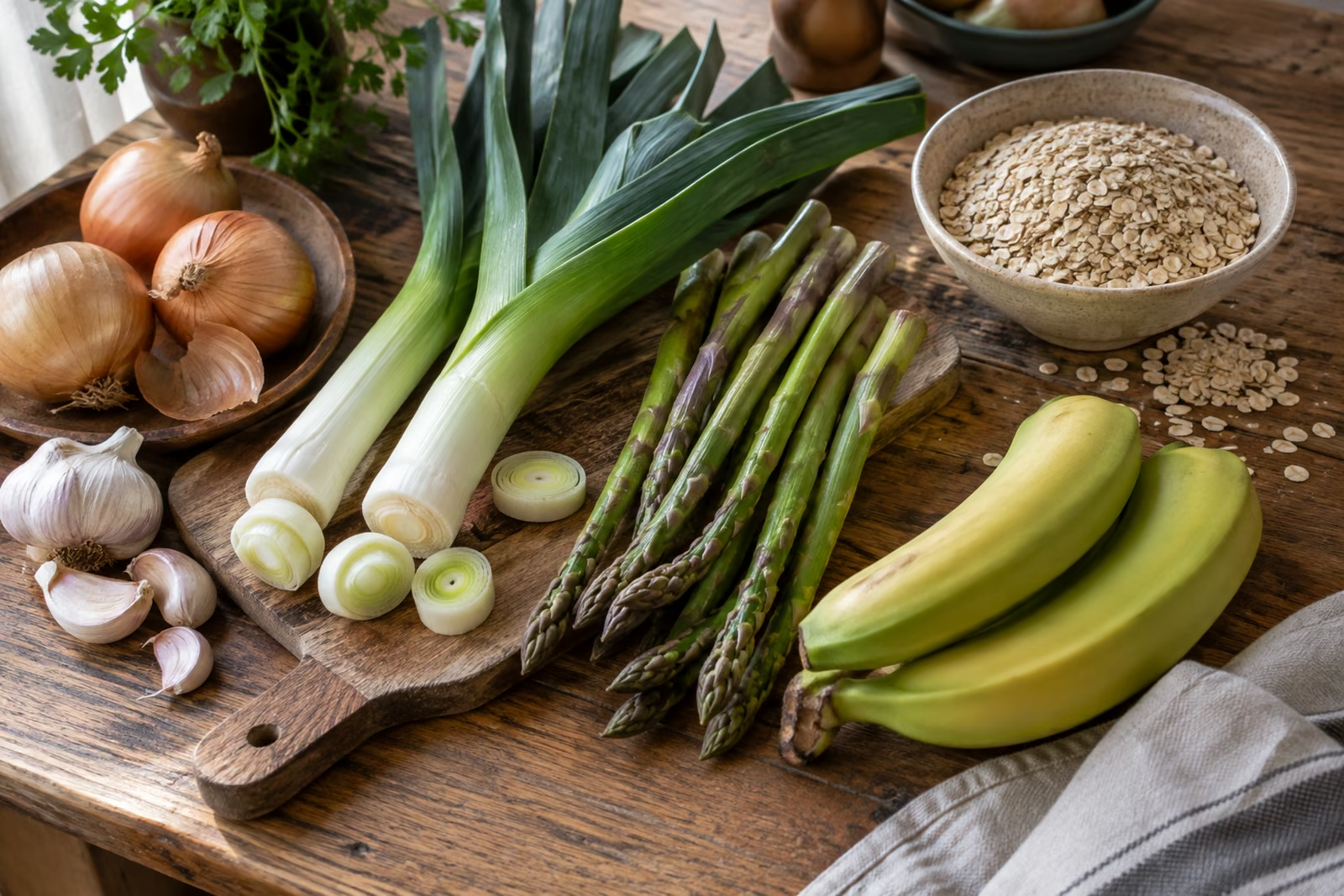
Experts define a prebiotic as a substrate that is selectively used by host microorganisms and provides a health benefit. Many prebiotics are types of fermentable fiber, but not every fiber automatically meets that definition. Common food sources include onions, garlic, leeks, asparagus, oats, beans, and slightly green bananas.
A probiotic is a live microorganism that, when given in an adequate amount, provides a health benefit. That definition is more specific than “contains live cultures.” A microbe must be identified, alive in a meaningful amount, and supported for a particular benefit. Results seen with one strain or combination cannot be casually promised for every probiotic product.
Fermented foods can still be wonderful even when they do not meet the strict scientific definition of a probiotic. Sourdough is fermented, for example, but baking does not leave its microbes alive. The precise language helps us make clearer choices without dismissing nutritious foods.
Where to find them in everyday food
Prebiotic eating usually looks less like a specialty product and more like plant variety. Beans in a soup, oats at breakfast, garlic and onions in dinner, or a banana as a snack can all help feed the gut ecosystem. Increase high-fiber foods gradually and drink enough fluid if your current intake is low; a sudden jump can cause gas or bloating.
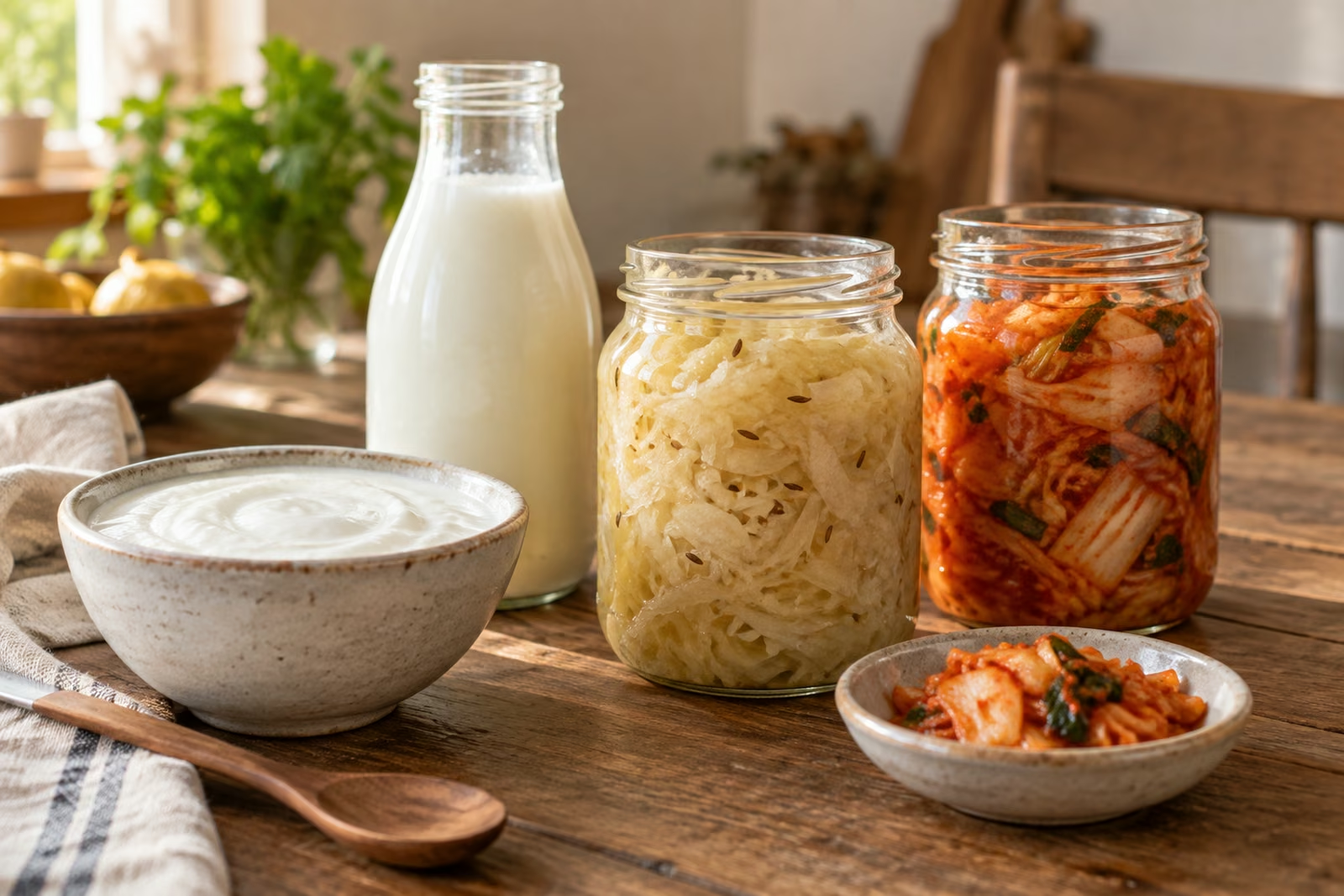
Foods that may supply live cultures include yogurt labeled with live and active cultures, kefir, and some refrigerated fermented vegetables. Processing matters: heat treatment can kill microbes, and not every fermented food contains strains proven to deliver a specific clinical effect.
- Prebiotic-rich choices: garlic, onions, leeks, asparagus, oats, barley, beans, lentils, and green bananas.
- Foods with live cultures: certain yogurts, kefir, and some unpasteurized-after-fermentation vegetables.
- A useful pairing: plain yogurt with oats and banana, or beans topped with cultured yogurt and herbs.
Do you need both—or a supplement?
You do not need to take matching supplements to support gut health. A varied, fiber-rich pattern gives resident microbes plenty to work with, while foods with live cultures may add variety. In research and clinical care, certain probiotic strains can help in certain situations, but the benefit depends on the strain, dose, condition, and person.
If you are choosing a probiotic supplement, look beyond the biggest colony-forming-unit number. The label should identify the genus, species, and strain, state how to store it, and provide an amount that remains viable through the end of shelf life. Ideally, the exact strain and dose should have evidence for your reason for taking it.
Talk with a healthcare professional before using probiotics if you are seriously ill, immunocompromised, or caring for a premature infant. Supplements can have real biological effects, and “natural” does not mean universally risk-free.
A calm, food-first way to support your gut
Start by adding, not overhauling. Put one more plant on the plate, rotate your grains and beans, and include a live-culture food if you enjoy and tolerate it. Your gut community responds to the whole pattern over time, not one heroic spoonful of yogurt.
It is also normal for digestion to be individual. A food can be nutritious and still not suit you in a particular amount. Introduce changes slowly, notice how you feel, and seek medical advice for persistent pain, bleeding, unexplained weight loss, fever, or a major change in bowel habits.
The takeaway is simple: prebiotics feed microbes, probiotics are beneficial live microbes, and both can belong in a flexible way of eating. Tastiva’s Nutrition section is here for more clear, practical guides without the wellness fog.
Sources
- National Center for Complementary and Integrative Health: Probiotics—What Do We Know?
- International Scientific Association for Probiotics and Prebiotics: Probiotic Consensus Statement
- International Scientific Association for Probiotics and Prebiotics: Prebiotic Consensus Statement

Hi, I’m Laura, the voice behind Tastiva. I’ve always believed that eating well should feel enjoyable, comforting, and realistic—not like another complicated rule to follow. I love creating recipes that fit into everyday life, sharing simple nutrition ideas, and finding small ways to make meals feel a little better without losing the pleasure of good food.