
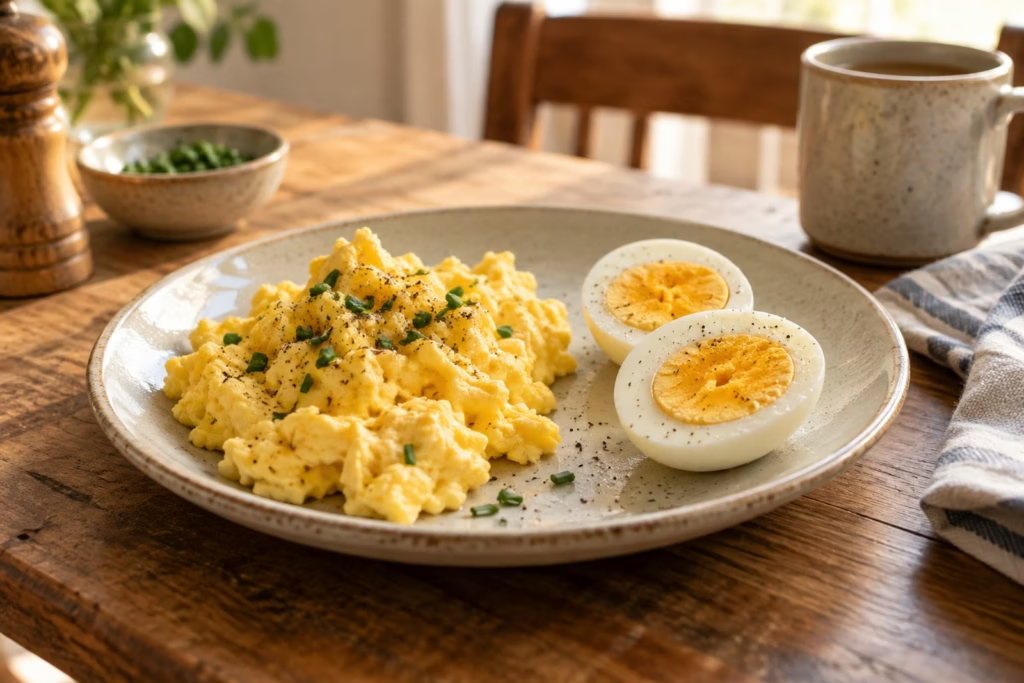
There is something reassuring about an egg breakfast: quick, warm, and easy to build around whatever is already in the kitchen. If you are wondering how much protein is in an egg, a large whole egg provides about 6 grams. The exact number shifts slightly with egg size, but that round figure is the most useful one for everyday planning.
One egg offers a helpful little protein boost; a satisfying meal comes from pairing it with enough food to match your hunger and your day.
Protein in a whole egg, egg white, and yolk
Most of the protein is in the white, but the yolk contributes a meaningful share. A typical large egg contains roughly 6.3 grams of protein: about 3.6 grams from the white and 2.7 grams from the yolk. These are averages from food-composition data, so you do not need to chase the decimal point at breakfast.
The yolk also brings nutrients and nearly all of the egg’s fat, while the white is mostly water and protein. Choosing only whites can make sense when you specifically want more protein with fewer calories, but a whole egg is not a nutritionally empty compromise. For many people, using whole eggs—or combining one whole egg with extra whites—offers a satisfying middle ground.
- 1 large whole egg: about 6 grams of protein
- 1 large egg white: about 3.5 to 4 grams
- 1 large egg yolk: about 2.5 to 3 grams
- 2 large whole eggs: about 12 to 13 grams
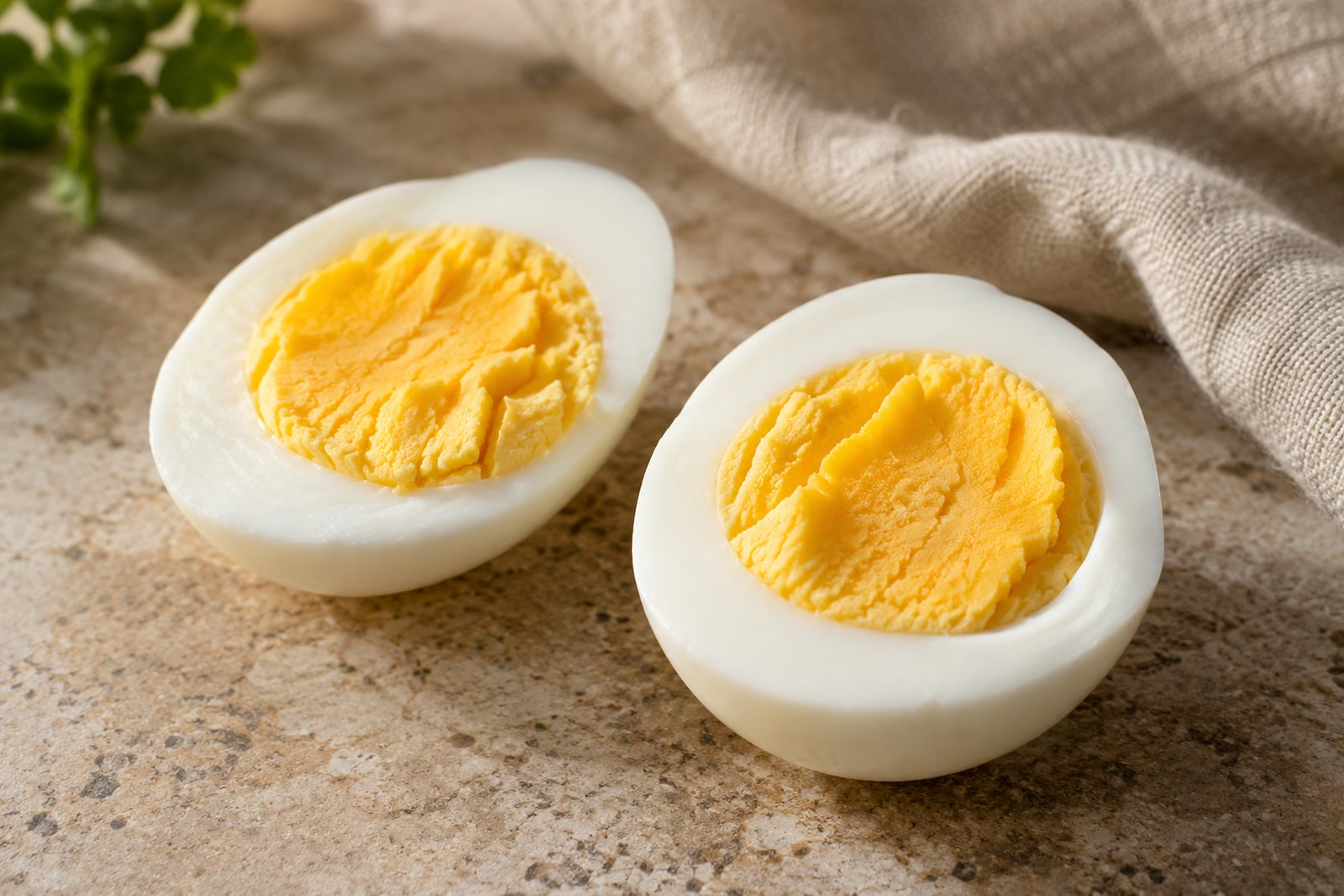
Does egg size change the protein count?
Yes, although not enough to make meal planning complicated. A medium egg has a little less protein than a large one, and an extra-large or jumbo egg has a little more. Nutrition labels in the United States commonly use the large egg as the reference serving, which is why “about 6 grams” appears so often.
Cooking method does not remove the protein. A boiled, poached, scrambled, or fried egg begins with roughly the same amount. What changes is what you add: butter, oil, cheese, or milk can alter the meal’s calories, fat, and protein. That is not automatically a problem—it is simply part of the full plate.
For precise tracking, use the serving size and nutrition facts on your egg carton, especially if your eggs are unusually small or large. For ordinary home cooking, a reasonable estimate is more useful than turning breakfast into a math test.
Is one egg enough protein for a meal?
One egg is nutritious, but 6 grams of protein may not feel like a full meal for many adults. Protein needs vary with body size, age, activity, pregnancy, health, and the rest of the day’s food. Instead of asking an egg to do all the work, let it be the anchor for a more complete breakfast or lunch.
Two eggs provide around 12 to 13 grams. Add Greek yogurt, cottage cheese, beans, tofu, fish, poultry, or another protein food when you need more. Whole-grain toast, fruit, vegetables, and healthy fats can add fiber, energy, color, and staying power.
This is also why I prefer thinking in meals rather than isolated “high-protein” foods. An egg can be a lovely piece of the puzzle without needing to become the entire picture.
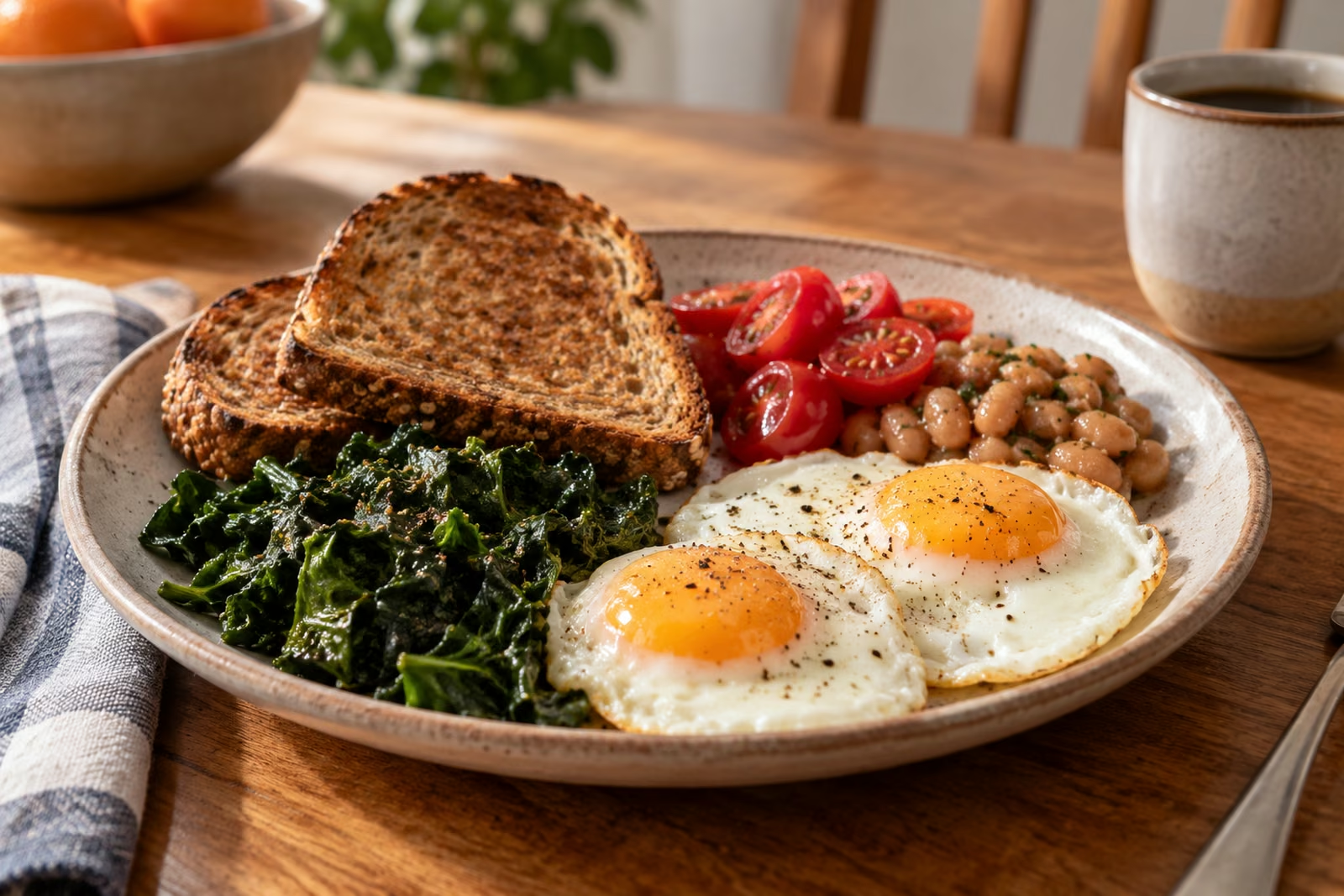
Easy ways to build a protein-rich egg meal
- Scramble two eggs with black beans, peppers, and spinach.
- Top whole-grain toast with egg and a side of plain Greek yogurt.
- Add chopped egg to a lentil or chickpea salad for lunch.
- Pair a vegetable omelet with cottage cheese and fresh fruit.
- Use one whole egg plus extra whites when you want a larger protein portion.
Handle eggs safely, too. Keep them refrigerated, cook them until both the white and yolk are firm when serving people at higher risk of foodborne illness, and avoid tasting dishes made with raw, unpasteurized egg. Pasteurized eggs are the safer choice when a recipe will remain raw or lightly cooked.
So, how much protein is in an egg? About 6 grams in a large one. It is a useful contribution—not a magic number—and it becomes much more satisfying when the rest of the plate supports it. For another nutrient found in egg yolks, read Tastiva’s guide to vitamin D deficiency.
Sources
- USDA FoodData Central: Whole Egg Nutrient Data
- USDA MyPlate: Protein Foods
- U.S. Food and Drug Administration: What You Need to Know About Egg Safety

Hi, I’m Laura, the voice behind Tastiva. I’ve always believed that eating well should feel enjoyable, comforting, and realistic—not like another complicated rule to follow. I love creating recipes that fit into everyday life, sharing simple nutrition ideas, and finding small ways to make meals feel a little better without losing the pleasure of good food.