
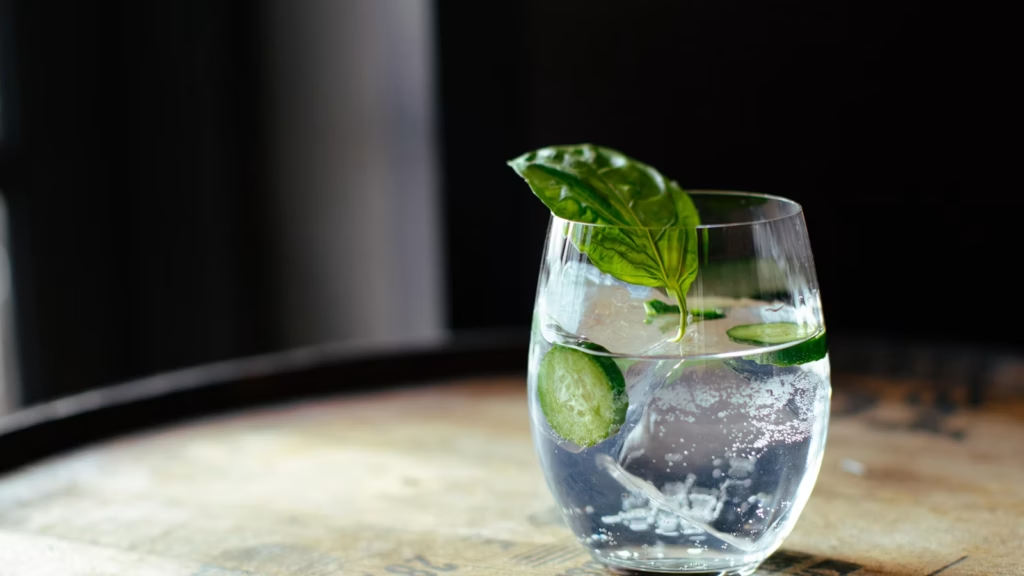
The best Prosecco for a Hugo Spritz is not the fanciest bottle on the shelf. It is a lively, dry sparkling wine that keeps the elderflower floral rather than syrupy and still has enough fizz to survive ice and soda. My short answer is Prosecco DOC Spumante labeled Brut; the longer answer explains why that one word matters
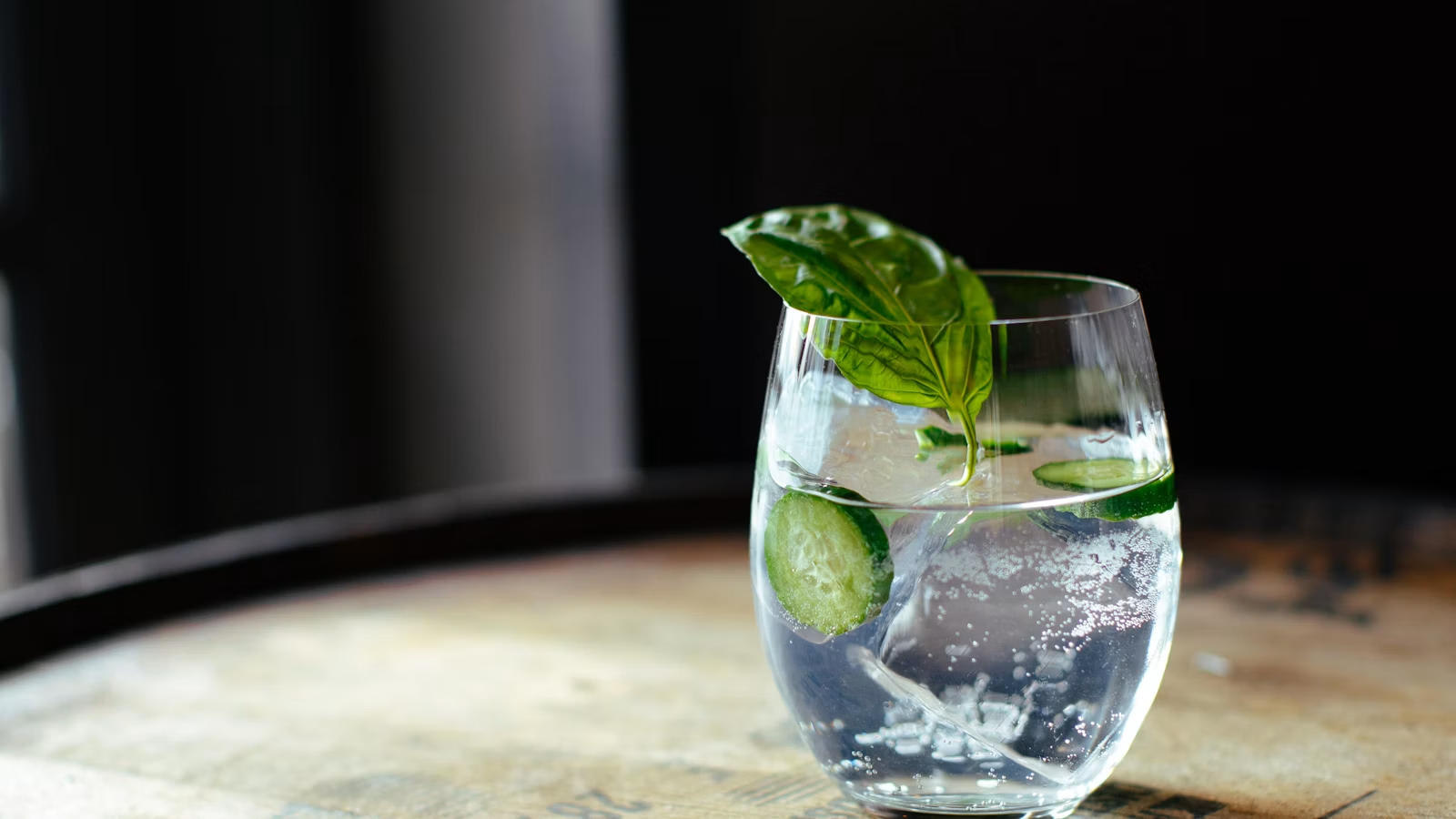
“A Hugo Spritz should smell like a garden and drink like a breeze—not finish like elderflower candy.”
Choose Prosecco Brut for the cleanest balance
Look for “Prosecco DOC” and “Spumante” on the label, then choose Brut. DOC identifies wine made under the Prosecco denomination’s rules, while Spumante tells you it has the full sparkling pressure that gives a spritz its energetic bubbles. You do not need a costly single-vineyard bottle for a mixed drink, but you do want a wine you would happily sip on its own.
I favor a bottle with apple, pear, white-flower, and lemon notes rather than one described as creamy or dessert-like. The Hugo already brings perfume from elderflower and freshness from mint and lime. Prosecco’s job is to lift those flavors and keep them moving.
Spend for freshness, not prestige. A recent, well-stored bottle in the everyday price range is usually better for this cocktail than an expensive wine that has sat warm under store lights. Check that the cork and foil look intact, chill the bottle thoroughly, and plan to open it close to serving. Once the fizz is gone, no amount of mint can make the spritz feel buoyant. If you are mixing for a group, keep the bottle on ice and pour each glass individually rather than building a pitcher far in advance.
Brut versus Extra Dry is surprisingly confusing
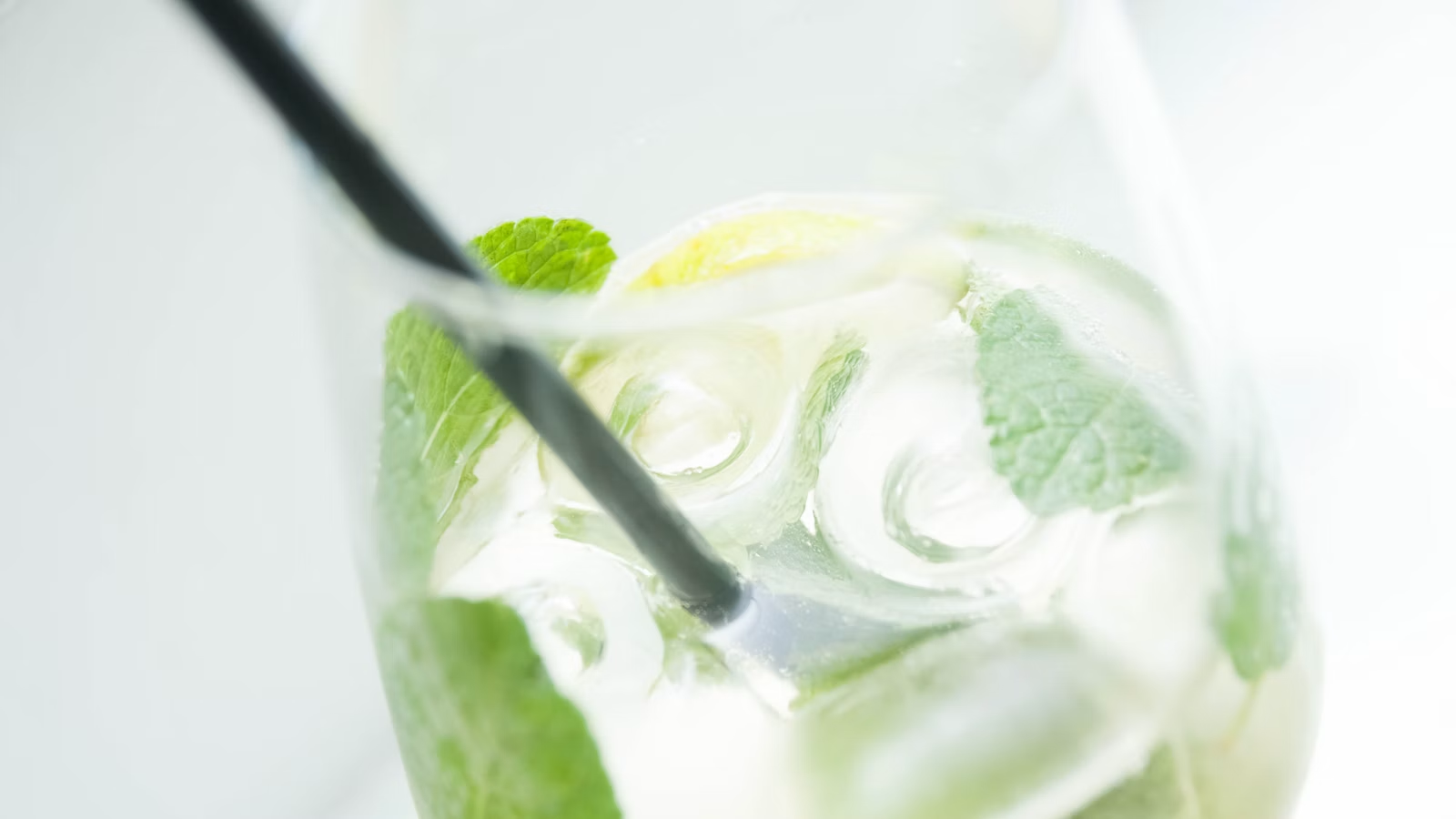
“Extra Dry” sounds drier than Brut, but sparkling-wine language is mischievous: Extra Dry is actually the sweeter style. The official Prosecco DOC range moves from very dry Brut Nature and Extra Brut through Brut, Extra Dry, Dry, and Demi-sec as residual sugar increases.
Brut is my reliable choice with elderflower liqueur. Extra Dry can still work, especially if you use unsweetened soda and plenty of lime, but reduce the liqueur slightly and taste before adding anything sweet. Avoid Dry or Demi-sec here unless you intentionally want a dessert-leaning spritz.
Build the spritz without flattening the bubbles
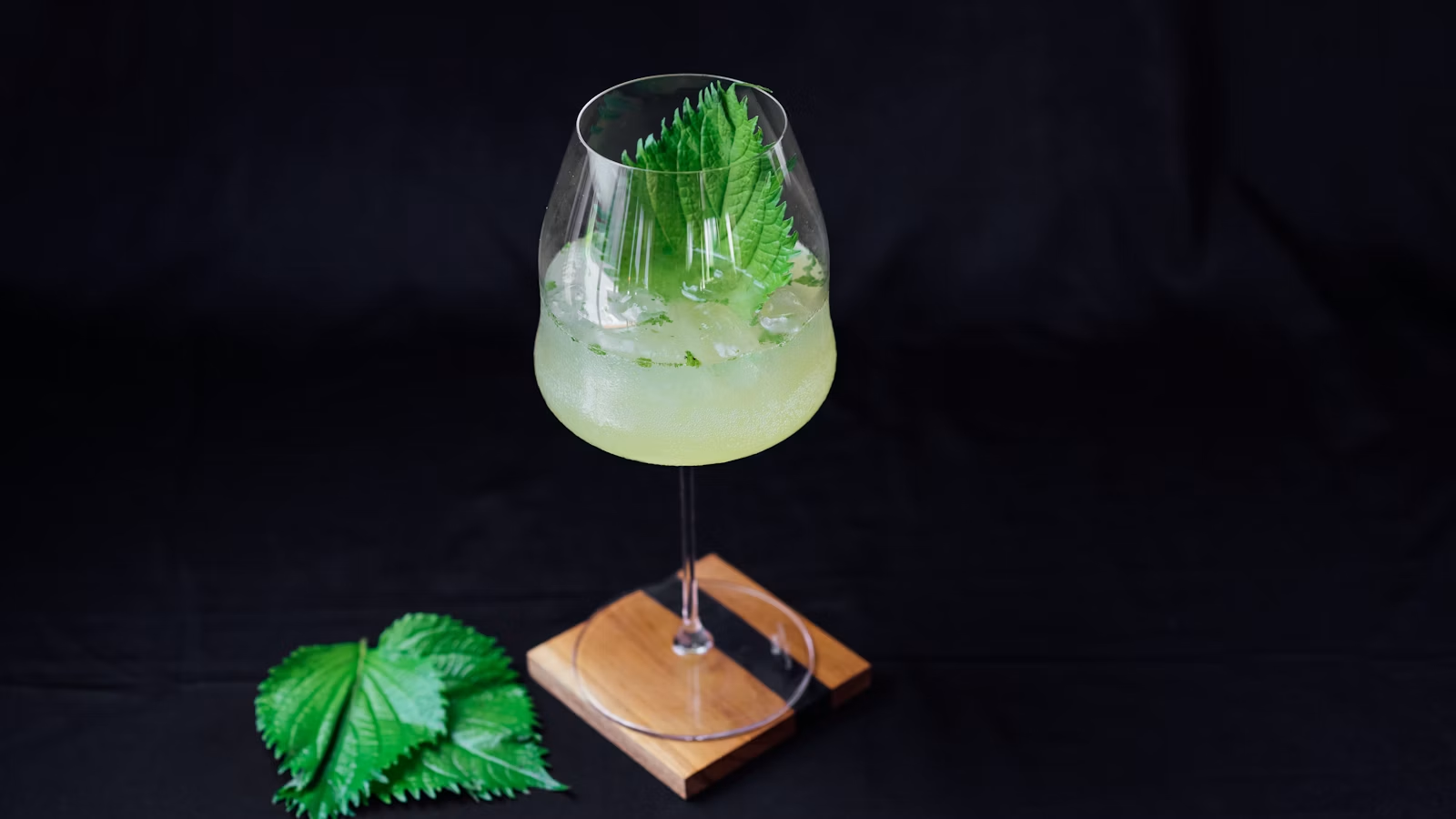
Chill every liquid before you begin and use a generous amount of solid ice. Cold ingredients preserve carbonation, while too little ice melts quickly and waters down the drink. Press the mint once or twice with a spoon to release aroma; aggressive muddling shreds it and can add a grassy bitterness.
Add the elderflower liqueur first, then Prosecco and soda. Stir once from the bottom—this is a spritz, not a whirlpool. I squeeze only a little lime into the glass and keep the wheel visible as a garnish. Too much juice can make the drink taste like a sparkling limeade.
Prosecco for Hugo Spritz recipe
This version uses four ounces of Brut Prosecco, one ounce of elderflower liqueur, and one ounce of soda. It is floral but still crisp. If your liqueur tastes especially sweet, start with three-quarters ounce and let the wine lead.
Prosecco for Hugo Spritz Recipe

Ingredients
- 4 ounces chilled Prosecco DOC Brut Spumante style
- 1 ounce elderflower liqueur
- 1 ounce chilled club soda
- 4 fresh mint leaves plus a sprig for garnish
- 1 lime wheel plus a small squeeze to taste
- ice to fill the glass
Equipment
- 1 large wine glass
- 1 bar spoon
Instructions
- Place the mint leaves in a large wine glass and press them once or twice with the back of a spoon. Do not shred or aggressively muddle them.
- Fill the glass generously with ice. Add the elderflower liqueur, then pour in the chilled Prosecco and club soda.
- Add the lime wheel and a small squeeze of lime. Stir once from the bottom to combine without knocking out the bubbles. Garnish with a fresh mint sprig and serve immediately.
Nutrition
Video
Notes
- Choose Prosecco DOC Spumante labeled Brut for the driest, cleanest balance. Extra Dry is slightly sweeter despite its name.
- For a lighter drink, reduce the elderflower liqueur to 3/4 ounce and add another ounce of soda.
- For a zero-proof version, use alcohol-free sparkling wine and elderflower cordial; start with 1/2 ounce cordial because it can be very sweet.
- Nutrition is an estimate and varies by bottle and liqueur.
Tried this recipe?
Let us know how it turned out!Substitutions and serving notes
If Prosecco is unavailable, use another dry, fruit-forward sparkling wine. Cava is leaner and toastier; crémant can be rounder; a domestic Brut works if it is not aggressively oaky. The result will not be strictly the same, but it can still be balanced and refreshing.
For a lower-alcohol glass, use three ounces of Prosecco, one-half ounce elderflower liqueur, and two ounces soda. For zero proof, combine alcohol-free sparkling wine with elderflower cordial, starting with only one-half ounce because cordial can be much sweeter than liqueur.
Serve immediately, with extra water and something salty to eat. A finished Hugo can land around one U.S. standard drink depending on the wine and liqueur, but bottle strength and your pour matter more than glass size. Measure the ingredients instead of judging by how light the cocktail tastes.
Sources
- Consorzio Tutela Prosecco DOC: Types — official Prosecco styles and sweetness classifications.
- La Marca Prosecco: The Hugo Spritz — a producer’s classic Prosecco, elderflower, soda, mint, and citrus build.
- NIAAA: What Is a Standard Drink? — context for estimating alcohol in mixed drinks.
Hi, I’m Laura, the voice behind Tastiva. I’ve always believed that eating well should feel enjoyable, comforting, and realistic—not like another complicated rule to follow. I love creating recipes that fit into everyday life, sharing simple nutrition ideas, and finding small ways to make meals feel a little better without losing the pleasure of good food.