
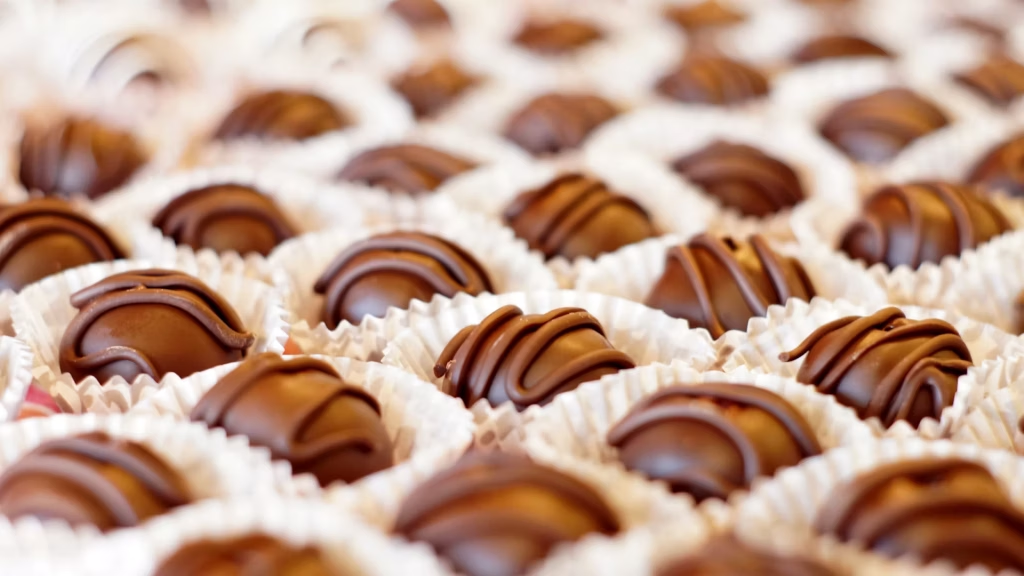
Chocolate mold fillings look tiny, but they carry most of a bonbon’s personality. The shell gives snap; the center decides whether the bite feels silky, chewy, nutty, bright, or pleasantly surprising. The useful question is not only “What tastes good?” but “What will pipe neatly, leave room for a cap, and stay stable long enough to enjoy?”
“A beautiful shell gets attention, but a balanced filling is what makes someone reach for a second chocolate.”
What makes a filling mold-friendly
A good molded-chocolate filling is smooth enough to pipe but firm enough not to leak when you cap the shell. It should also be cool—ideally near room temperature—before it goes into tempered chocolate. A hot ganache can soften the shell, ruin the temper, or create a dull spot on the finished bonbon.
I aim for a texture like soft peanut butter for ganache and praline fillings. Caramel can be looser, but it should flow in a ribbon rather than pour like water. Leave roughly 1/8 inch (3 millimeters) of empty space at the top of every cavity. That clean ledge gives the final chocolate layer something to seal against.
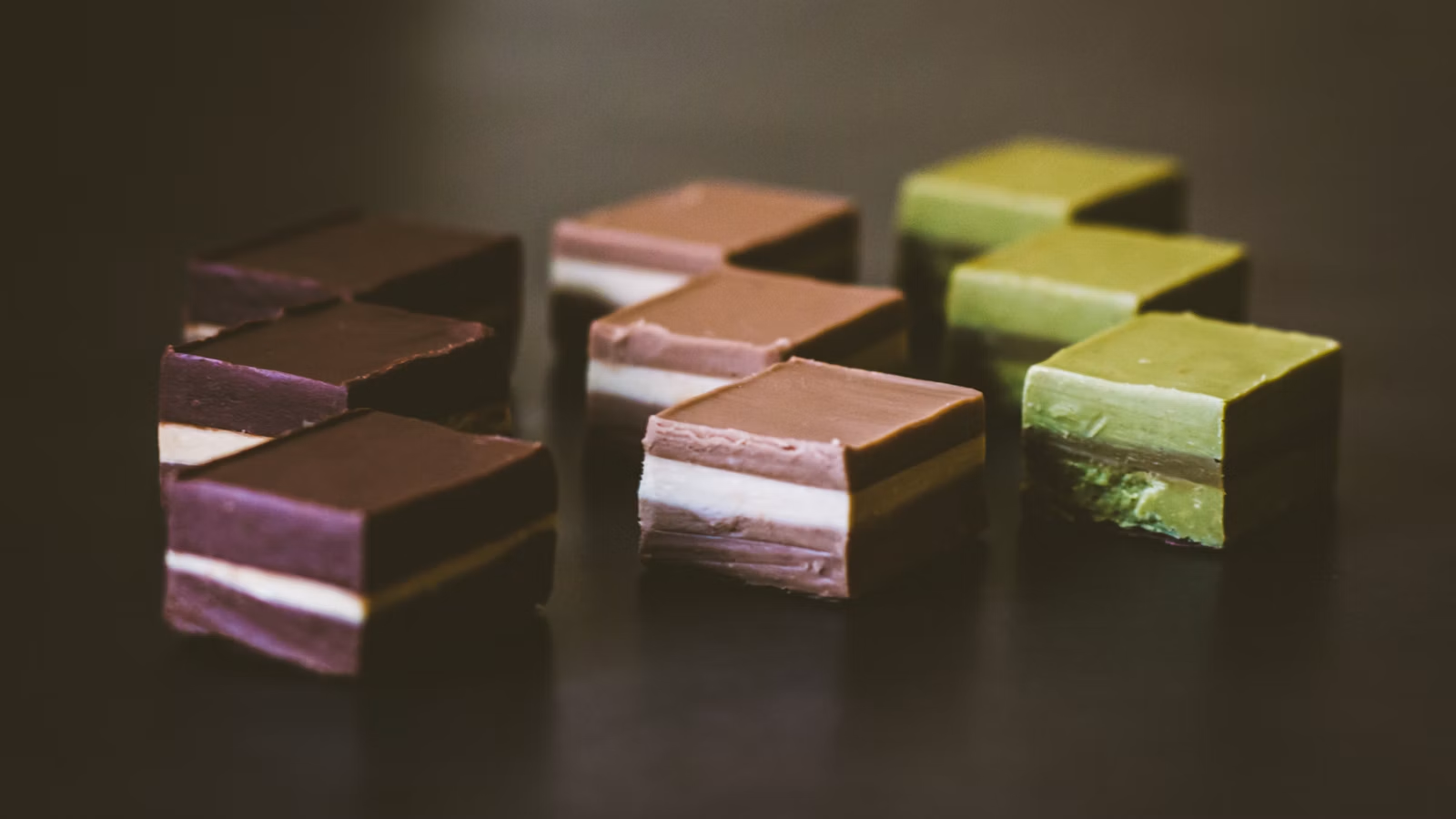
12 chocolate mold fillings to try
- Dark chocolate ganache: Deep, bittersweet, and the easiest place to learn a proper emulsion. Add espresso, orange zest, or a pinch of flaky salt.
- Milk chocolate caramel: Soft caramel folded with milk chocolate makes a forgiving, fudgy center. Keep the salt restrained so the cocoa still reads.
- Hazelnut praline: Blend hazelnut paste with milk chocolate for a smooth gianduja-style filling. This is one of my favorites because it is rich without feeling wet.
- Peanut butter crunch: Combine smooth peanut butter, white or milk chocolate, and crisped rice or feuilletine. Use fine crumbs so the piping bag does not clog.
- Pistachio cream: Pistachio paste plus white chocolate creates color and a gentle roasted flavor. A tiny pinch of salt keeps it from tasting flat.
- Espresso ganache: Infuse warm cream with coffee or use instant espresso powder. Pair with dark chocolate for bitterness or milk chocolate for a latte effect.
- Passion fruit ganache: White chocolate softens the fruit’s sharp acidity. Strain the purée if you want an especially sleek center.
- Raspberry gel: A pectin-set fruit layer gives clean brightness. Pair it with a thin ganache layer rather than filling the entire cavity with gel.
- Salted caramel: Cook the sugar to a confident amber for flavor, then cool the caramel before piping. Pale caramel is sweet; properly browned caramel is interesting.
- Coconut cream: Use finely shredded coconut with a white-chocolate base for a center that cuts cleanly. Lime zest makes it feel fresher.
- Cookie butter truffle: Mix cookie butter with melted milk chocolate and a few crisp crumbs. It is playful, warmly spiced, and beginner-friendly.
- Marzipan or almond paste: Roll or press a thin layer into the shell, then cover with chocolate. Orange blossom water, cherry, or apricot pairs especially well.
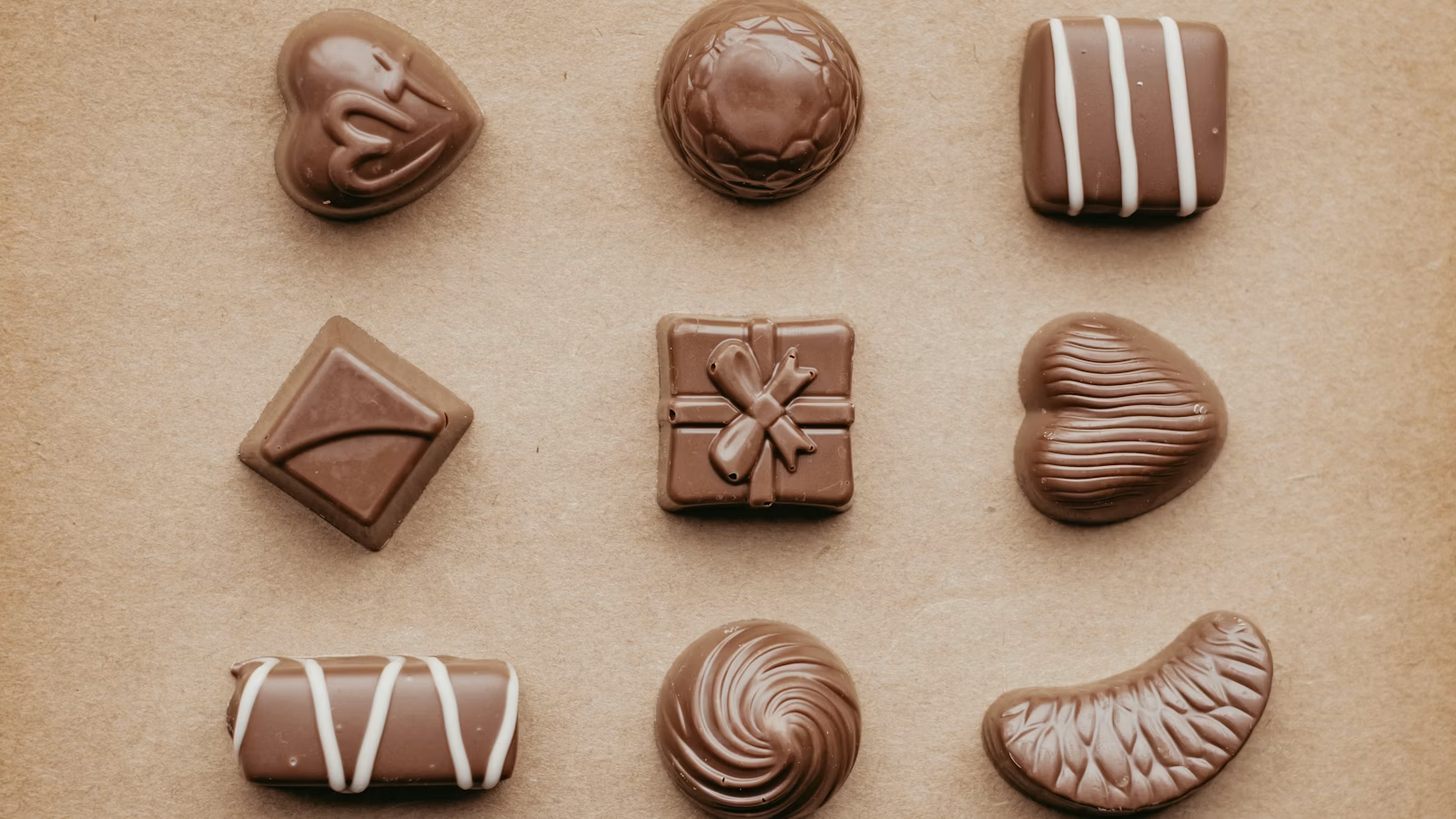
How to match fillings with chocolate shells
Dark shells welcome sweet fillings such as caramel, coconut, cookie butter, and white-chocolate fruit ganache. Milk chocolate is softer and sweeter, so I pair it with roasted nuts, coffee, salt, or tart fruit. White chocolate needs the most contrast; passion fruit, raspberry, lemon, pistachio, and toasted sesame can keep it lively.
Two-layer centers feel special without requiring a complicated recipe. Try raspberry gel under dark ganache, salted caramel under hazelnut praline, or passion fruit gel under coconut cream. Pipe the firmer layer first when possible and let each layer settle before adding the next.
Filling and capping without leaks
Let the tempered shells crystallize before filling. Pipe to the same level in every cavity, tap the mold gently to settle peaks, and wipe stray filling off the rim. Give ganache time to form a light skin before capping; wet filling and tempered chocolate make reluctant neighbors.
Spread tempered chocolate over the mold, scrape it level in one confident pass, and let it set fully before unmolding. If the chocolates resist, do not pry them out. Properly tempered shells contract slightly and should release with a firm tap once crystallized.
Storage and shelf-life reality
Shells alone keep well, but fillings change the calculation. Cream, fruit purée, butter, and other moisture-rich ingredients raise water activity and shorten shelf life. Professional recipes may be engineered and tested for weeks or months; those dates do not automatically apply to an improvised home ganache.
My cautious home-kitchen rule is to make small batches, refrigerate bonbons with fresh dairy or fruit fillings in an airtight container, and enjoy them within several days unless the formula comes with validated storage guidance. Bring the sealed container toward room temperature before opening it so condensation forms on the container rather than the chocolate.
Discard chocolates with visible mold, a fermented smell, leaking filling, or a center that seems unexpectedly fizzy. White streaks on the shell may be harmless fat or sugar bloom, but they still signal that the chocolate experienced heat or moisture and will not have its best snap.
Chef Hawkes demonstrates filling and capping molded chocolates in the video below. It is a visual guide to working with the shells; the 12 flavor ideas above still need a filling formula with suitable consistency and storage guidance.
Sources
- Callebaut: White Chocolate Ganache for Moulded Pralines — a professionally formulated ganache example with specific storage conditions.
- Callebaut: Why Extend Shelf Life? — an overview of why confection shelf life depends on formulation and process.
- Foods: Chocolate Ganaches—Formulation, Processing, and Stability — research on emulsion structure, water activity, and storage stability.

Hi, I’m Laura, the voice behind Tastiva. I’ve always believed that eating well should feel enjoyable, comforting, and realistic—not like another complicated rule to follow. I love creating recipes that fit into everyday life, sharing simple nutrition ideas, and finding small ways to make meals feel a little better without losing the pleasure of good food.