
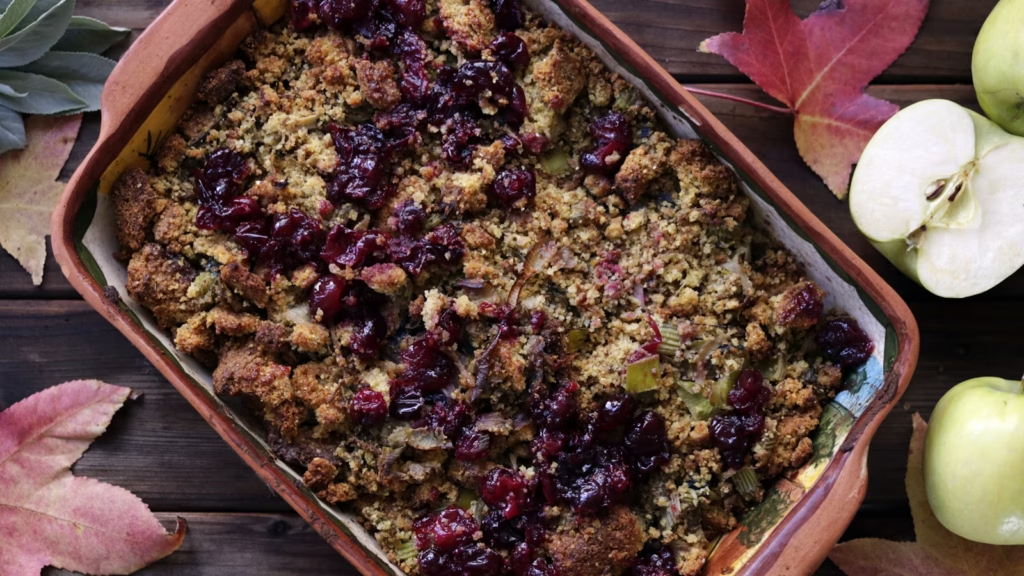
Spoonbread dressing lives between two familiar holiday sides: it has the sage-and-celery flavor of cornbread dressing, but the center stays soft enough to serve with a spoon. This version uses cornmeal, broth, eggs, and a small amount of milk for a tender custard with a lightly golden top.
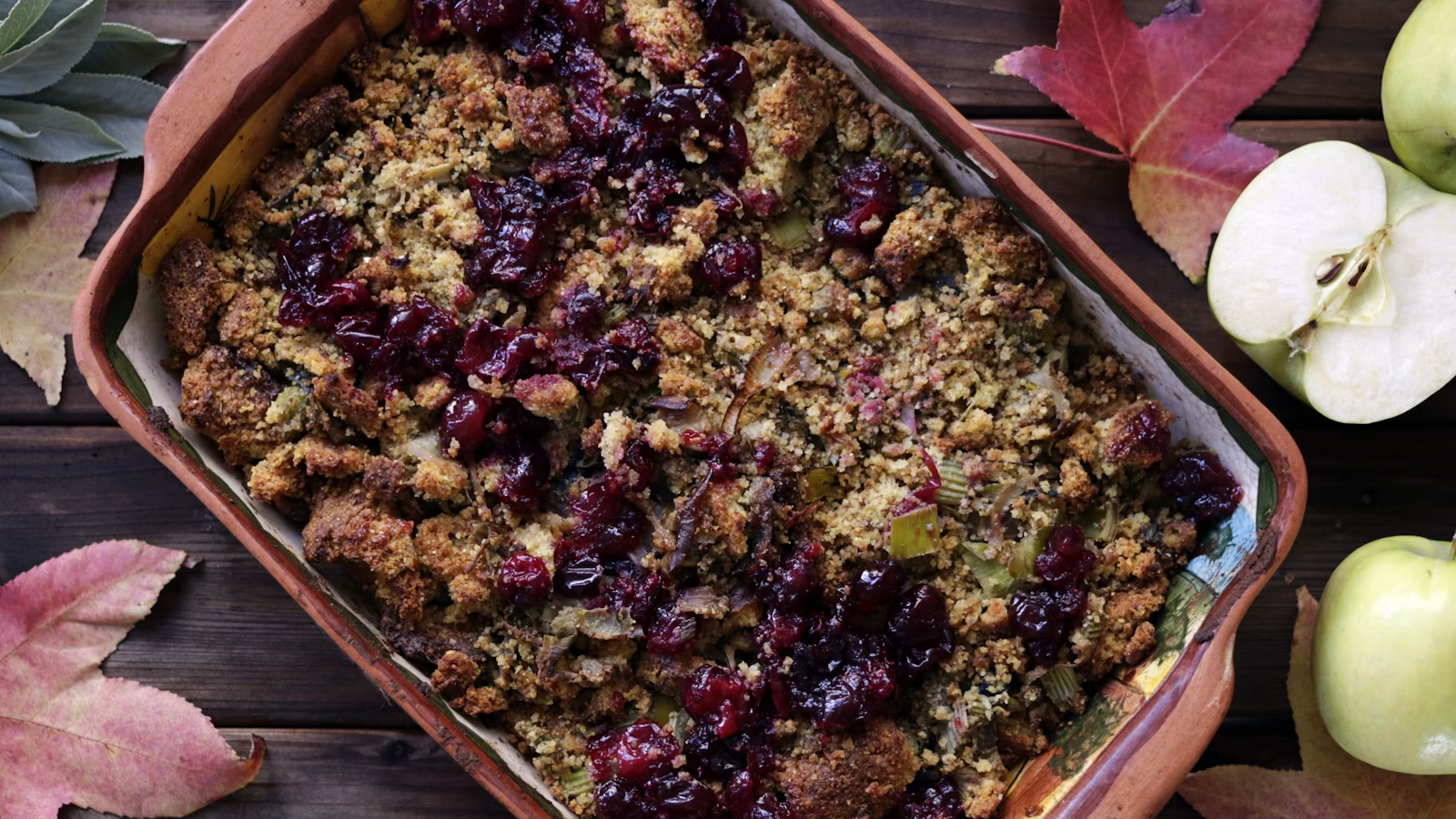
Bake spoonbread dressing until the edges set and the center gives a gentle wobble, not until it turns dry.
What makes spoonbread dressing different
Traditional spoonbread is a soft cornmeal dish leavened with eggs. Turning it toward dressing adds sautéed onion and celery, savory herbs, and broth. The result is more cohesive than crumbled cornbread dressing and less airy than a soufflé.
The texture depends on cooking the cornmeal into a thick base before the eggs go in. That step hydrates the meal and prevents a gritty center. Let the base cool briefly so it is warm rather than steaming hot when you whisk in the eggs.
- Cornmeal: fine or medium grind gives a tender but distinct texture.
- Broth: seasons the base; choose low-sodium so the final salt stays under control.
- Eggs: set the custard and add lift.
- Celery, onion, and sage: bring the familiar dressing flavor.
Build flavor without losing the soft texture
Cook the onion and celery until fully softened before adding them to the cornmeal base. Crunchy vegetables feel out of place in a custardy spoonbread. Fresh sage tastes rounder, while dried rubbed sage is stronger; the recipe card gives a measured amount for the dried version.
Fold in the beaten eggs after the mixture has cooled for about ten minutes. Stir enough to combine, but do not beat the mixture hard. The finished batter should pour slowly into the baking dish, similar to thick porridge.
How to know it is done
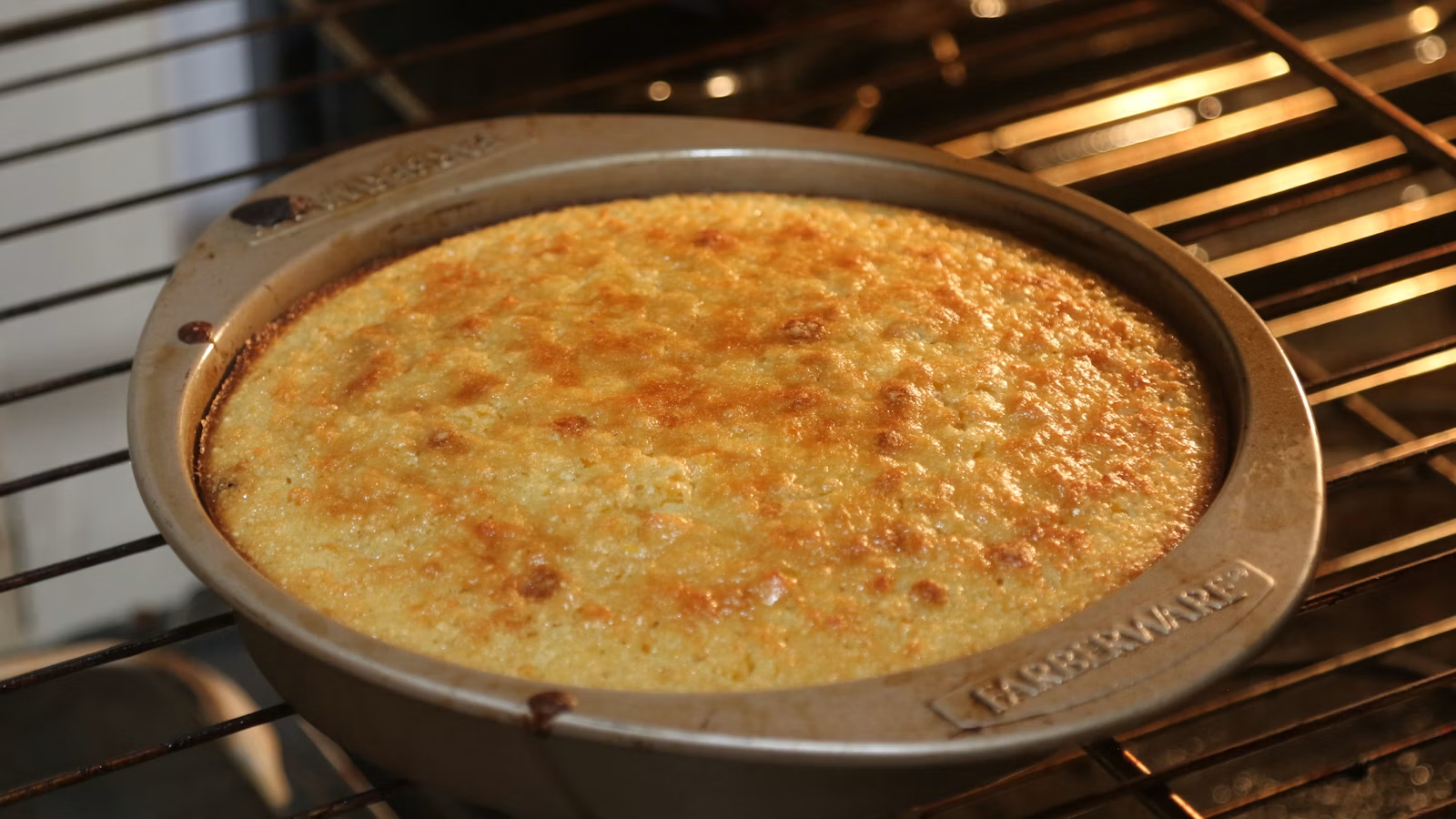
Bake at 375°F (190°C) until the top is pale gold, the edges pull slightly from the dish, and the center trembles when nudged. A completely rigid center usually means the spoonbread has gone too far. Let it rest for ten minutes so the custard settles before serving.
- Gritty center: cook the cornmeal base longer before adding eggs.
- Rubbery texture: the oven was too hot or the dish baked too long.
- Flat flavor: taste the warm base before the eggs and adjust salt carefully.
- Watery pockets: drain sautéed vegetables and combine the batter evenly.
Make-ahead, serving, and leftovers
You can cook the vegetable-cornmeal base one day ahead, chill it, and bring it close to room temperature before adding eggs and baking. For food safety, do not leave the egg-enriched batter sitting at room temperature while the rest of dinner waits.
Serve spoonbread dressing beside roast turkey, chicken, greens, or cranberry sauce. Refrigerate leftovers promptly and reheat covered in a moderate oven so the center warms without the top becoming tough.
Spoonbread dressing recipe
The card below keeps the complete ingredient list, ordered method, times, yield, and estimated nutrition in one place. The eight-serving yield assumes this is one of several holiday sides.
Spoonbread Dressing

Ingredients
- 4 tablespoons unsalted butter divided
- 1 medium yellow onion finely diced
- 3 celery ribs finely diced
- 2 cups low-sodium chicken or vegetable broth
- 2 cups whole milk
- 1 cup fine or medium yellow cornmeal
- 1 teaspoon dried rubbed sage
- 1 teaspoon fine salt adjust for the broth
- 1/2 teaspoon black pepper
- 3 large eggs beaten
Instructions
- Heat the oven to 375°F (190°C). Butter a 2-quart baking dish with 1 tablespoon of the butter.
- Melt the remaining butter in a saucepan. Add the onion and celery and cook over medium heat for 8 to 10 minutes, until fully soft.
- Add the broth, milk, sage, salt, and pepper. Bring to a gentle simmer, whisk in the cornmeal, and cook for 5 to 7 minutes until thick and smooth.
- Remove from the heat and cool for 10 minutes. Whisk a small amount of the warm cornmeal into the eggs, then fold the egg mixture back into the pot.
- Pour into the prepared dish and bake for 35 to 45 minutes, until the edges are set, the top is pale gold, and the center still trembles gently.
- Let the spoonbread dressing rest for 10 minutes, then serve warm with a large spoon.
Nutrition
Video
Notes
- Use low-sodium broth so the final seasoning stays under control.
- A rigid center indicates overbaking; look for a gentle wobble.
- Nutrition is estimated from standard USDA ingredient data for eight servings.
Tried this recipe?
Let us know how it turned out!Sources
Hi, I’m Laura, the voice behind Tastiva. I’ve always believed that eating well should feel enjoyable, comforting, and realistic—not like another complicated rule to follow. I love creating recipes that fit into everyday life, sharing simple nutrition ideas, and finding small ways to make meals feel a little better without losing the pleasure of good food.