
Accent seasoning is a branded flavor enhancer whose current Ac’cent product page lists one ingredient: monosodium glutamate, or MSG. It is meant to make savory food taste fuller, rather than to supply a blend of herbs and spices. I would treat it as a small seasoning tool and read the actual package, because products and labels can change. The useful questions are what MSG does, how much sodium a serving adds, and how it fits the dish.
Ac’cent is MSG on the current manufacturer’s label. It adds savory depth; it does not replace every job that salt, herbs, or a balanced meal does.
What is in Accent seasoning now
The manufacturer describes Ac’cent Flavor Enhancer as monosodium glutamate. Check the jar in your kitchen for the current ingredients and serving information, since package sizes and formulations can change. MSG is a sodium salt of glutamic acid, a component associated with savory, umami taste. FDA lists MSG as a flavor enhancer and requires added MSG to appear by name in packaged-food ingredient lists.
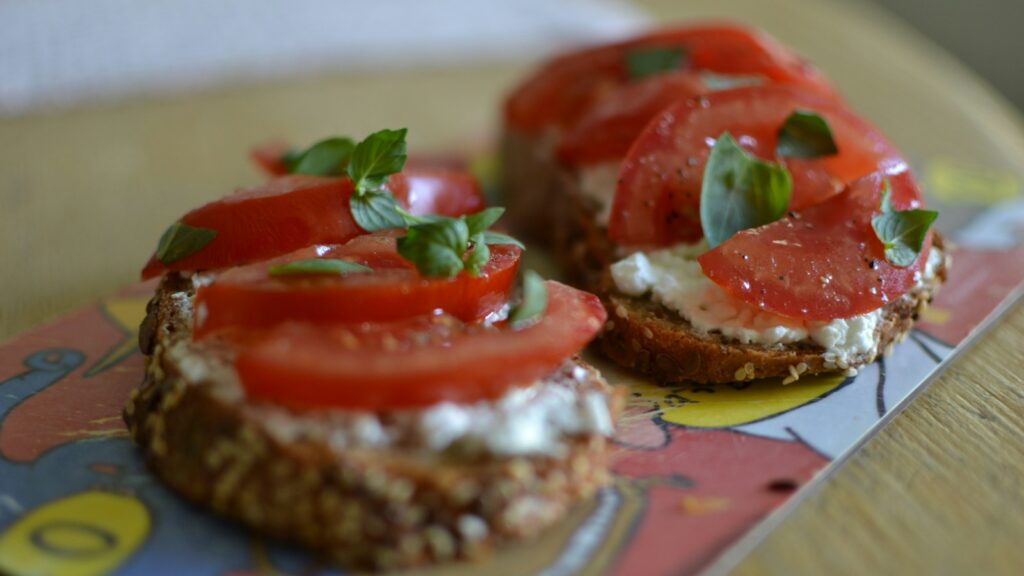
The photo of tomato and cheese illustrates familiar foods that naturally contain glutamate; it is not a photo of Ac’cent or proof that the dish contains added MSG. FDA notes that free glutamate is present in tomatoes, cheeses, and some other ingredients. That does not make a sprinkle of the branded product nutritionally identical to those whole foods.
Accent seasoning is different from an all-purpose seasoning mix with garlic, onion, pepper, or dried herbs. If you want those flavors, add them separately or choose a blend whose ingredients suit the meal. MSG can deepen an existing savory flavor, but it will not make a bland dish taste like roasted garlic on its own.
MSG, salt, and the sodium question
The manufacturer says Accent seasoning has less sodium than the same weight of table salt. That comparison does not mean it is sodium-free, and the amount in your meal still depends on how much you add and what else the recipe contains. Compare the product’s Nutrition Facts and serving size with the salt you might otherwise use. FDA’s sodium label guide can help you read the percent Daily Value.
I would add a small amount of MSG to a soup or vegetable dish, stir, and taste before deciding whether it also needs salt. Salt brings its own salty taste, while MSG emphasizes savory depth; they are not interchangeable in every recipe. If a broth, cheese, soy sauce, or prepared sauce is already salty, check the dish before adding either.
A claim of ‘60% less sodium than salt’ is a comparison with salt by weight from the manufacturer’s product page, not a promise that a meal containing Ac’cent is low in sodium. People following a sodium-restricted plan should use the numbers on their own package and their clinician’s guidance, not a headline claim alone.
What the FDA says about safety and labeling
FDA considers MSG added to food to be generally recognized as safe. The agency’s questions-and-answers page also describes reports from some people of short-lived symptoms after consuming large amounts without food, while noting that studies have not consistently reproduced reactions in people who identify as sensitive. I would avoid both alarmist claims and blanket promises about any person’s response.
If you think a particular ingredient bothers you, track what you ate and discuss symptoms with a healthcare professional rather than assuming one seasoning explains every reaction. FDA requires added MSG to be labeled as monosodium glutamate; it also explains that some ingredients contain naturally occurring free glutamate. Read the full ingredient list when you have a specific reason to avoid it.
MSG does not replace food allergy precautions. A packaged meal can have many ingredients and allergens besides a flavor enhancer. The manufacturer’s FAQ addresses its own product, but another seasoning blend called ‘accent’ could mean something different. Use the exact brand and package to answer a product-specific question.
How to use it in a real dish

A broth-based soup, cooked mushrooms, beans, or roasted vegetables are sensible places to try a tiny amount of savory seasoning. Add it near the end, stir well, and taste. The goal is a more rounded flavor, not to make the Ac’cent jar the main ingredient. You can keep garlic, herbs, acid, and salt in the recipe as needed.
If you are cooking for others, tell them what you used when ingredients matter to them. Do not hide a seasoning in a dish to ‘test’ whether someone notices. A small shaker is convenient, but its contribution should be deliberate and transparent. Store it dry and closed, following the product’s label.
For a side-by-side taste, split a pot of plain vegetable soup before seasoning. Use a little Ac’cent in one portion, leaving the other as a reference, and adjust salt separately. This is a way to learn what umami does to a familiar food, not a recommendation for a particular dose. If you dislike the result, the lesson is simply that this flavor tool does not suit that dish. Ordinary tomatoes, mushrooms, or cheese can also bring savory notes.
Accent seasoning, in the Ac’cent branded sense, is MSG according to the current manufacturer page. It can add umami to savory food, carries sodium, and is best judged in the context of the full dish. I would read the jar, season lightly, and taste before adding more salt or another flavor.
Sources
- Ac’cent, Flavor Enhancer Product and Ingredients
- Ac’cent, Product FAQ
- FDA, Questions and Answers on Monosodium Glutamate
- FDA, Sodium in Your Diet

Hi, I’m Laura, the voice behind Tastiva. I’ve always believed that eating well should feel enjoyable, comforting, and realistic—not like another complicated rule to follow. I love creating recipes that fit into everyday life, sharing simple nutrition ideas, and finding small ways to make meals feel a little better without losing the pleasure of good food.