
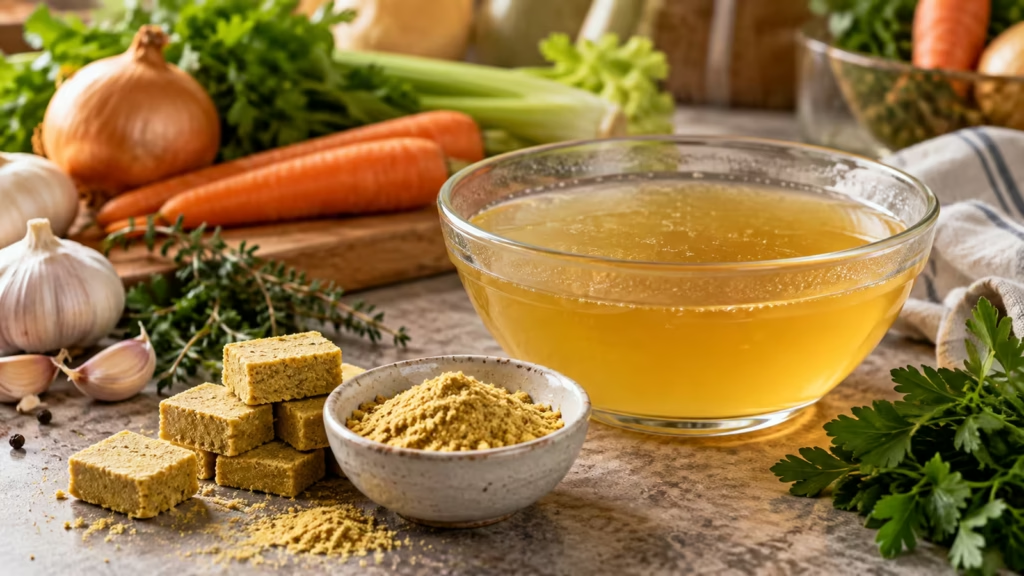
Chicken bouillon is a concentrated savory seasoning designed to dissolve in water and make a chicken-flavored broth. It comes as cubes, powder or granules, paste, and sometimes liquid concentrate, and it is useful well beyond soup.
Bouillon is a shortcut for flavor, not a one-for-one nutritional stand-in for homemade chicken stock.
I’m Laura, and I keep bouillon for the nights when a pot needs depth but there is no stock in the refrigerator. The important details are on the label: ingredients, sodium, serving size, water ratio, allergens, and whether the product actually contains chicken.
What chicken bouillon contains
Recipes vary widely. A bouillon may include salt, chicken fat or meat solids, yeast extract, vegetables, herbs, spices, sugar, starch, and flavor enhancers. Vegetarian “chicken-style” products use plant ingredients to create a similar savory profile.
Cubes are compact and shelf-stable; granules dissolve quickly and are easy to measure; pastes often taste fuller and stay in the refrigerator after opening. None is automatically superior. Choose the form you can measure accurately and store according to its package directions.
Read labels if you avoid gluten, milk, soy, or other allergens. Ingredient formulas can change, and a product called chicken-flavored may not meet a special diet unless the package specifically confirms it.
Bouillon vs broth, stock, and base
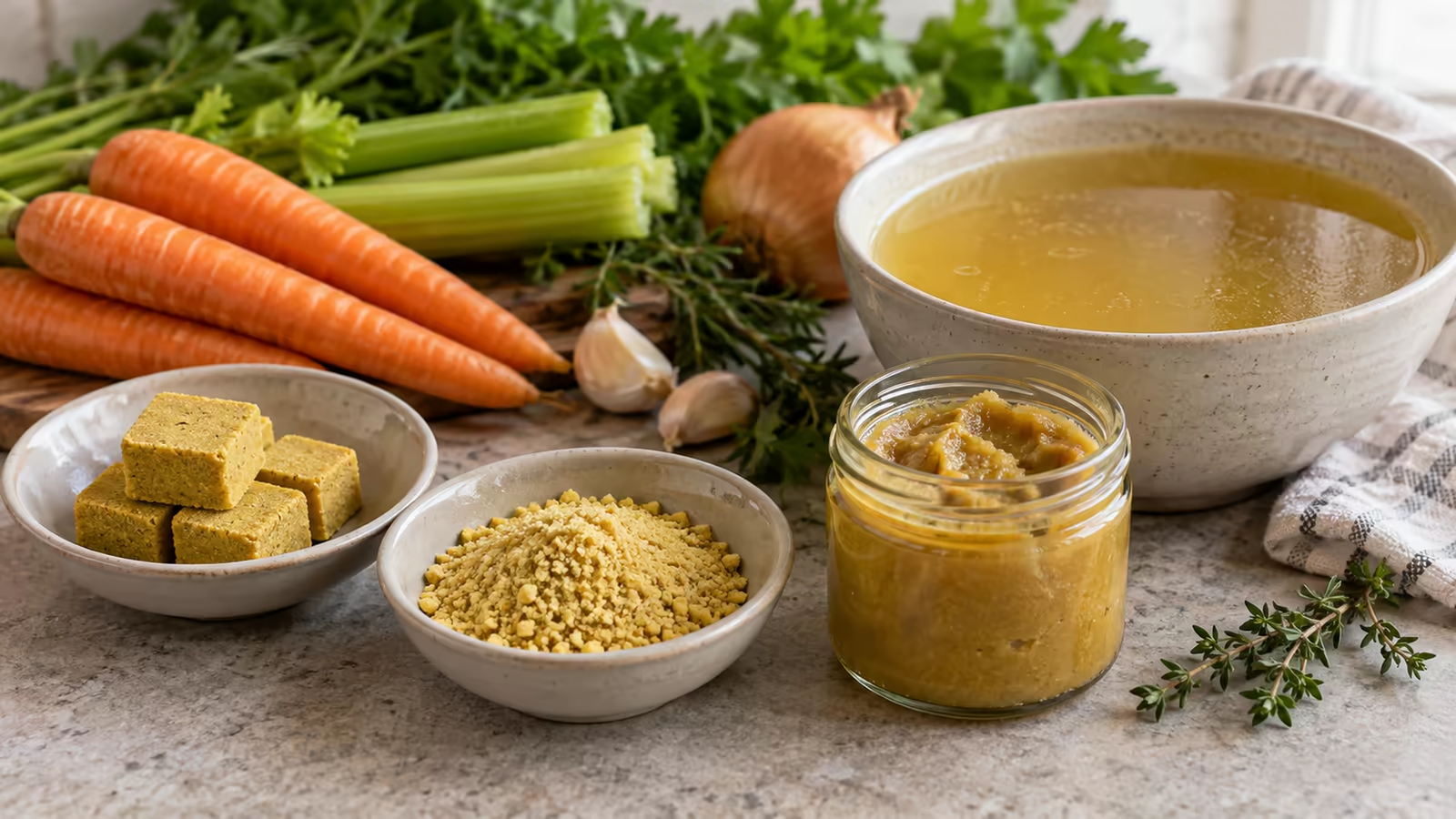
Broth is a ready-to-use liquid, while stock traditionally gets body from simmered bones and connective tissue. Bouillon makes a broth-like liquid when diluted. “Chicken base” often refers to a moist concentrate with a higher proportion of chicken ingredients, but naming is not standardized across every brand.
- Bouillon cube or granules: concentrated, convenient, and usually salty.
- Paste or base: refrigerated after opening in many cases and easy to adjust by the spoonful.
- Boxed broth: ready to pour and available in low-sodium versions.
- Homemade stock: customizable, but its flavor and salt level depend on the recipe.
Use the package ratio when making a cup of broth. Too little water can make a dish aggressively salty; extra water can always be added. When a recipe reduces significantly, start with a weaker mixture because evaporation concentrates sodium and flavor.
Nutrition and sodium
Bouillon is used in small amounts, so it is not usually a meaningful source of protein even if chicken appears in the ingredients. Its most notable nutrient is often sodium. Some products provide a substantial share of a day’s sodium in one prepared cup, while reduced-sodium versions vary in what “reduced” means.
Compare sodium per prepared cup, not merely per cube or teaspoon. If bouillon seasons a full pot containing vegetables, grains, beans, and protein, the amount per serving will be lower than the label amount for a cup of broth—but it still counts.
- Choose unsalted ingredients elsewhere in the dish.
- Start with half the bouillon and taste after simmering.
- Add acidity, herbs, garlic, onion, pepper, or mushrooms for flavor that does not rely only on salt.
- Use a lower-sodium product when broth is a major part of the meal.
How to use it and what to substitute
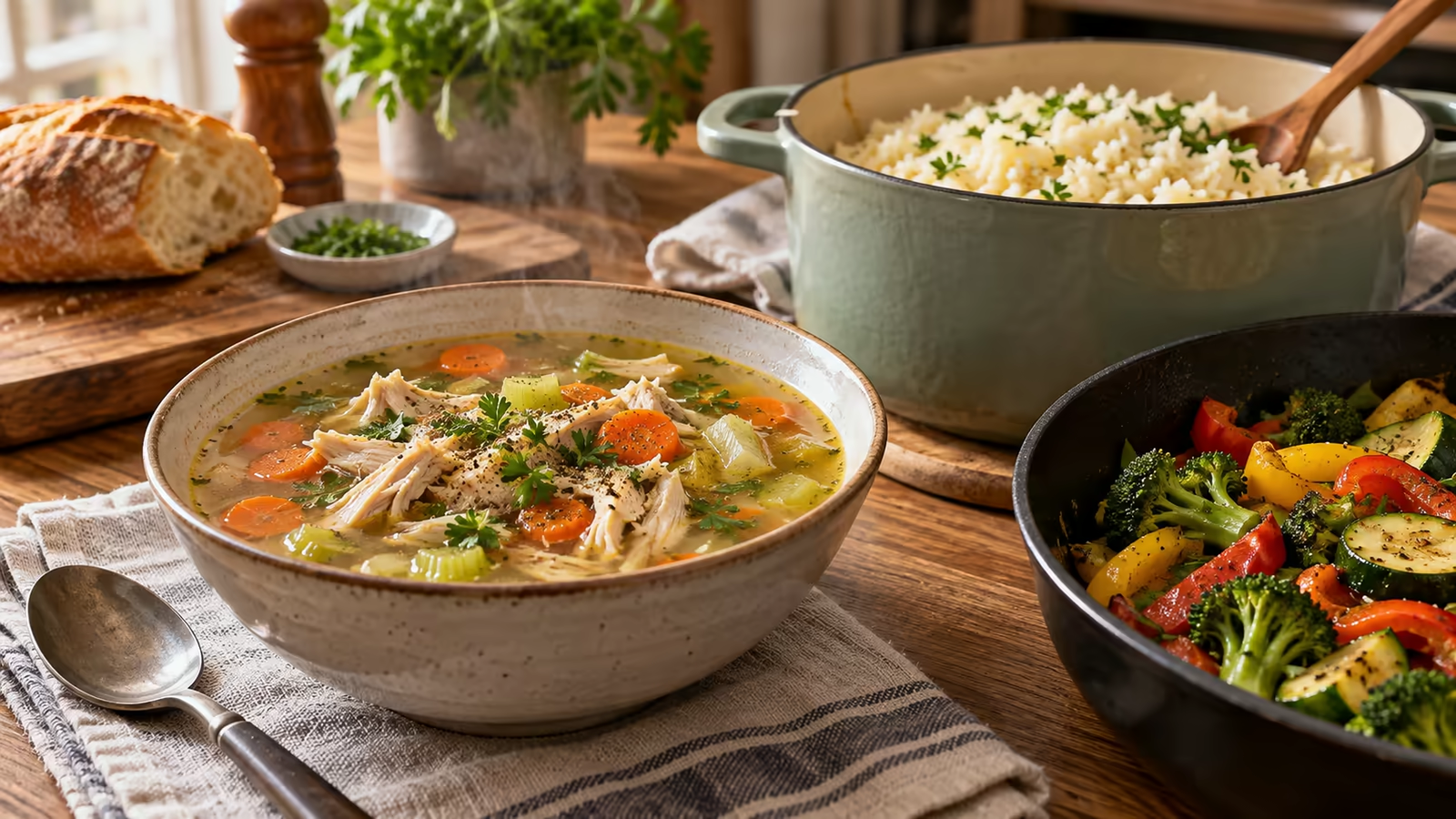
Dissolve bouillon in hot water for soups, sauces, gravies, casseroles, and braises. A smaller amount can season rice, quinoa, lentils, mashed potatoes, or sautéed vegetables. Add it early enough to dissolve, then taste before adding separate salt.
For one cup of prepared bouillon, substitute one cup of boxed chicken broth or homemade stock. Vegetable broth works when chicken flavor is not essential. In a dry seasoning application, use salt plus onion powder, garlic, herbs, nutritional yeast, or mushroom powder—but start lightly because the salt level will not match automatically.
Store unopened shelf-stable bouillon in a cool, dry place. Refrigerate pastes or liquids after opening when directed, use clean utensils, and discard anything with mold, a bulging package, off odor, or unexpected fermentation. If you freeze homemade stock, Tastiva’s guide to preventing freezer burn will help protect its flavor. For more chicken nutrition context, see the chicken liver guide.
Bouillon is easiest to control when you treat it as concentrated seasoning. Dissolve less than the package suggests, taste after the other ingredients have simmered, and add more only if needed. Acid from lemon or vinegar, fresh herbs, garlic, pepper, and toasted spices can build flavor without relying entirely on sodium.
For meal prep, keep homemade bouillon mixtures dry and use a clean spoon each time. Prepared bouillon should be cooled promptly and refrigerated like other broth. If a recipe already contains salty cheese, cured meat, canned vegetables, or sauce, choose a lower-sodium bouillon or dilute it with water.
Sources
- U.S. Food and Drug Administration: Sodium in Your Diet
- USDA FoodData Central
- FoodSafety.gov: Cold Food Storage Charts

Hi, I’m Laura, the voice behind Tastiva. I’ve always believed that eating well should feel enjoyable, comforting, and realistic—not like another complicated rule to follow. I love creating recipes that fit into everyday life, sharing simple nutrition ideas, and finding small ways to make meals feel a little better without losing the pleasure of good food.