
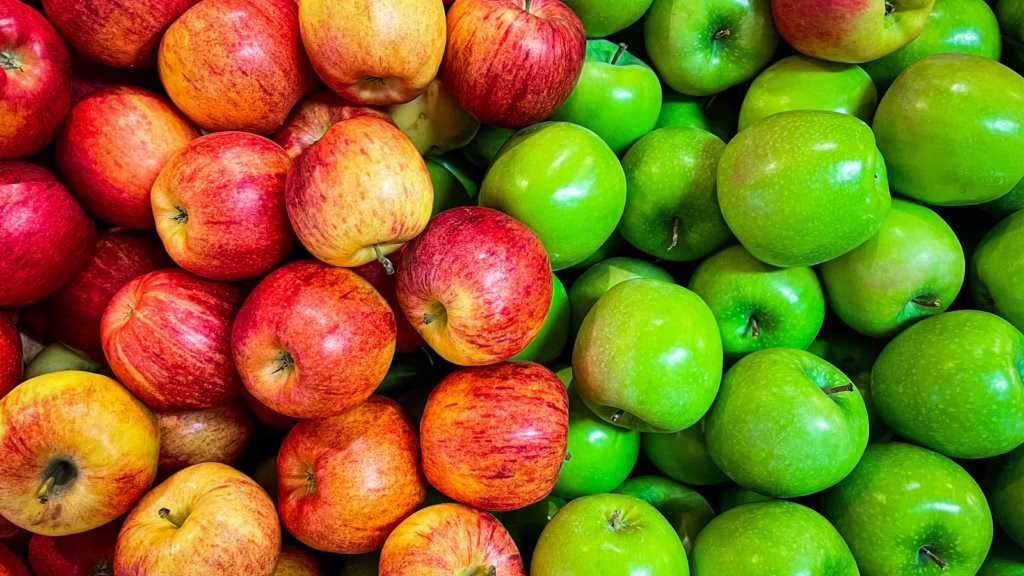
The apples are on the counter, and the cinnamon is already making the dessert feel halfway planned. The best apples for baking depend on the bite you want: distinct tender slices, soft fruit under an oat topping, or little pieces tucked into cake. Granny Smith, Honeycrisp, Pink Lady, and Jonathan are useful starting choices, but the recipe and the condition of the fruit still matter.
Choose an apple for the bite you want after baking, not only for the bite you enjoy raw.
Choose the best apples for baking by flavor and structure
A red apple isn’t automatically sweeter than a green one, and sweetness alone doesn’t tell you how the flesh will cook. Iowa State Extension recommends thinking about a balance of sweet and tart flavors alongside flesh that withstands the oven.
- Granny Smith: a familiar tart baking choice. I’d consider it when the filling also includes sugar or a sweet topping and needs some sharpness.
- Honeycrisp: a crisp option that Iowa State notes can remain firm when baked or caramelized. Follow the recipe’s preparation rather than assuming crisp means dry.
- Pink Lady: useful for distinct diced pieces in muffins or coffee cake, according to Iowa State’s guidance.
- Jonathan: a tart, tangy choice associated with pies. Availability may decide whether it’s practical for your shopping list.
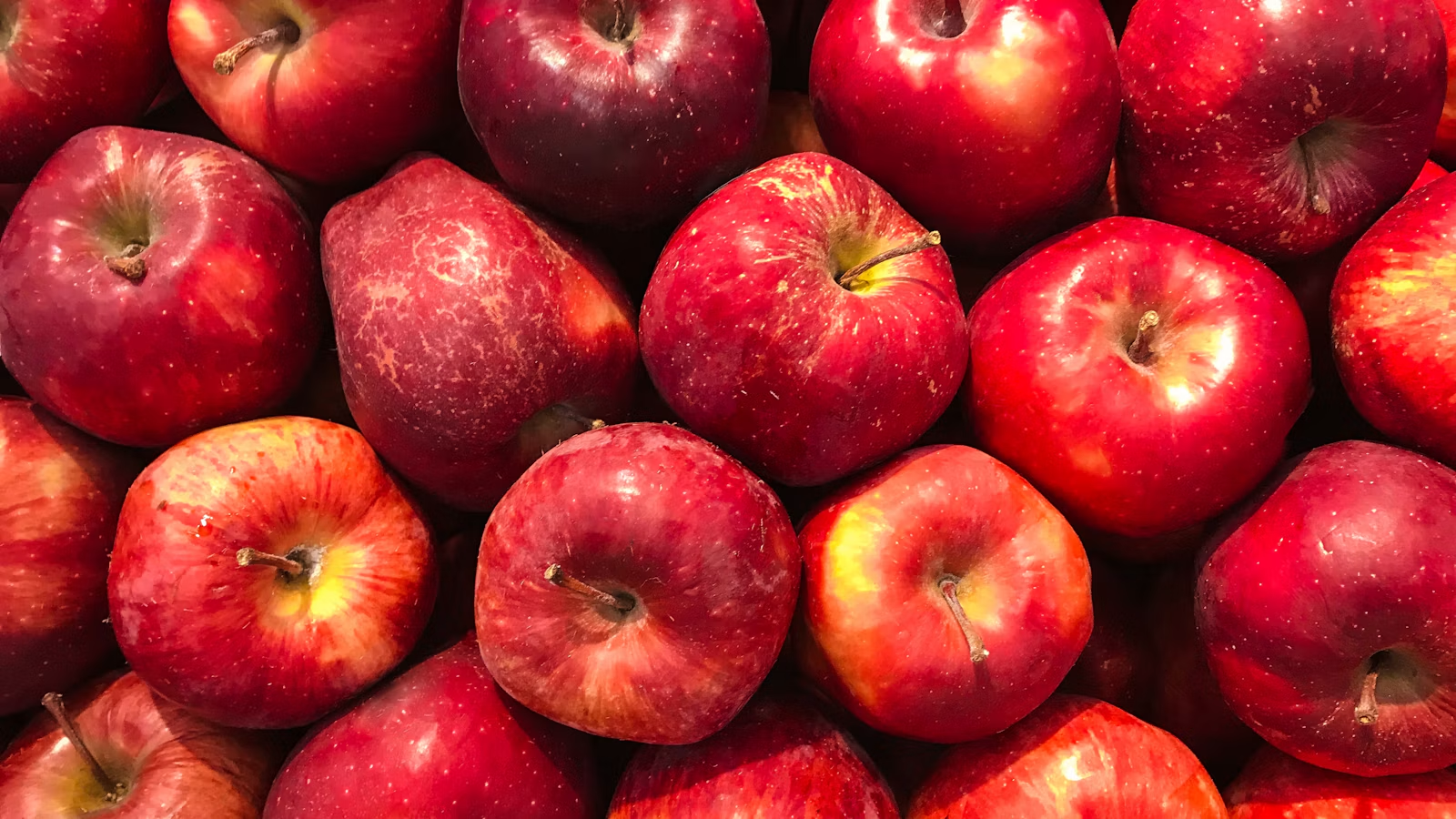
- Red Delicious: keep it for fresh eating when the recipe depends on baking structure. Extension guidance doesn’t recommend it as a baking substitute.
That’s a starting list, not an instruction to hunt down one particular apple at three different stores. If you have a fresh, firm baking variety available, I’d put more attention into the recipe and the preparation than into finding a supposedly perfect name.
Match the apple to the dessert’s texture
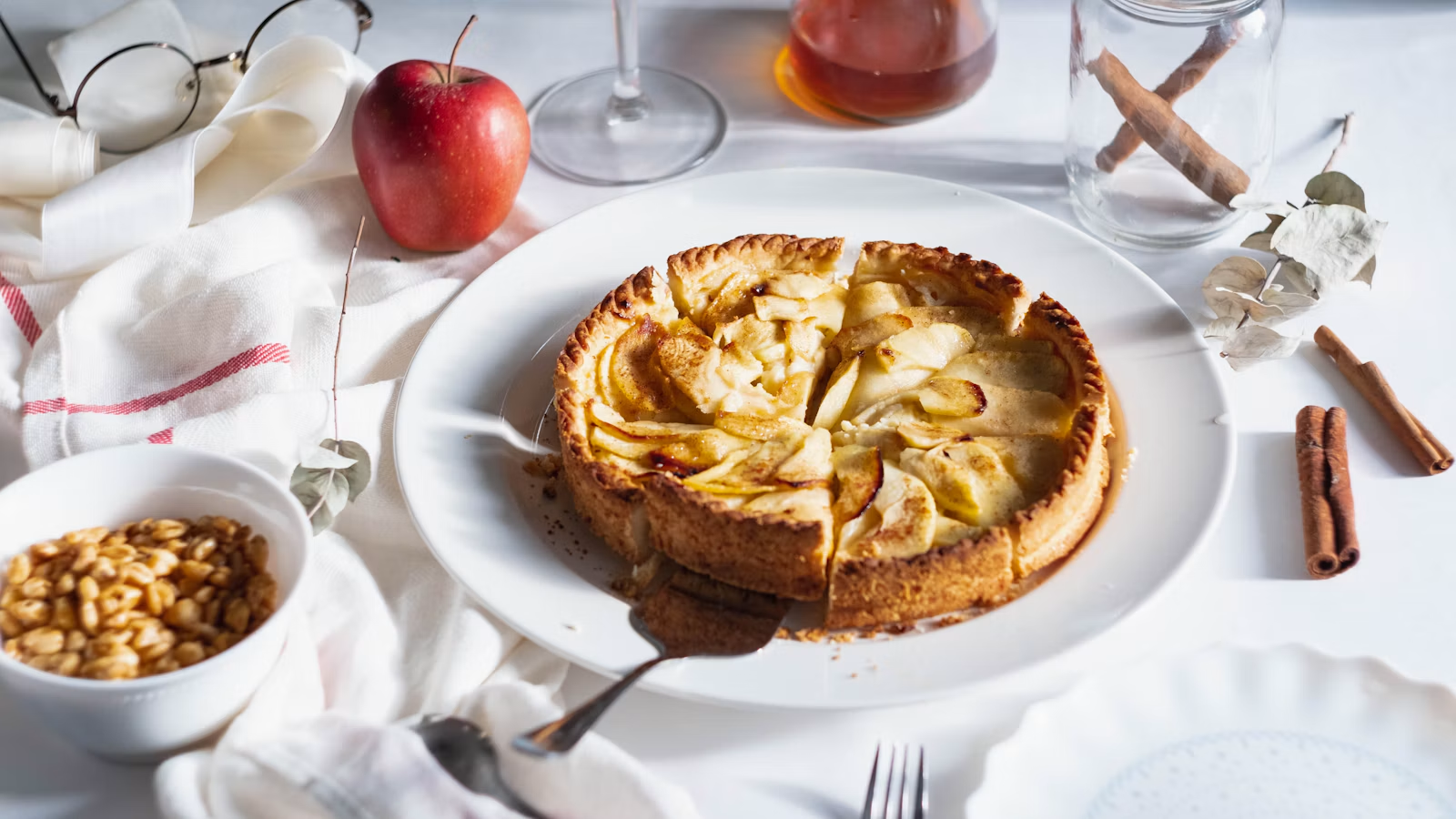
The oven can make apples tender without leaving every dish with the same filling. A tart that shows off arranged slices needs a different kind of attention from a rustic crisp served with a spoon.
- Pie or an open tart: start with a variety the recipe recommends for holding shape. The visible slices and the filling’s consistency are part of the result.
- Crisp or crumble: decide whether you like distinct pieces or a softer spoonful under the topping. Tastiva’s apple crumble recipe is a useful next step for a defined method.
- Cake or muffins: follow the specified dice or slice size. Pieces that are much larger than intended can remain firm while the surrounding batter finishes.
- A whole baked apple: use a recipe designed for whole fruit and check its variety guidance. Being suitable for a chopped filling doesn’t tell you every detail of a stuffed baked apple.
- A sauce-like result: softer fruit can be welcome when the goal is smoothness. It’s a different aim from keeping neat slices in a tart.
I like that distinction because “too soft” only makes sense after you’ve decided what you wanted. A spoonable filling isn’t a mistake in every dessert, and a slice that survives the oven isn’t automatically the best choice for every taste.
Measurements and slicing still do real work
Variety advice can’t rescue a filling made with the wrong amount of fruit. “Six apples” may describe quite different quantities depending on their size, and a cup of thin slices packs differently from a cup of large chunks.
- Read whether the recipe measures apples whole or after peeling and coring. If it gives a weight, follow that stage of preparation.
- Wash the fruit before cutting, then peel and core as directed. Use clean tools and a stable cutting board.
- Aim for reasonably even pieces. A mix of paper-thin slices and large wedges won’t soften at the same pace.
- Keep the recipe’s thickener and liquid instructions attached to the fruit quantity. Swapping varieties doesn’t justify an arbitrary extra scoop of flour or starch.
- Use the recipe’s doneness cues for both fruit and pastry or batter. A golden top alone may not tell you whether the fruit underneath is tender.
The small detail I’d prioritize is consistency on the cutting board. You don’t need identical little sculptures, just pieces close enough in size to share a cooking time. If you make a substitution, note it so you can interpret the result rather than blaming the apple name alone.
Choose a sensible substitute and keep it in good condition
If your preferred variety is unavailable, ask what role it played: tartness, sweetness, structure, or softness. University of Arkansas Extension includes Braeburn, Cortland, Rome Beauty, and Golden Delicious among baking options; the Ontario Apple Growers guide also shows that several varieties suit more than one use.
- Replace a role, not just a color: look for another variety recommended for the same dish, then follow the recipe’s sugar guidance.
- Mix thoughtfully: a tart apple alongside a sweeter baking apple can offer contrast. Keep the total fruit amount the recipe requests.
- Inspect the fruit: choose firm apples without cuts, damaged skin, or signs of spoilage. An old, mealy apple may not behave like a fresh example of its variety.
- Store before baking: refrigeration helps whole apples keep their quality longer than leaving them at room temperature. Don’t leave the baking supply beside a warm oven for days.
- Keep expectations modest: variety guides can differ, especially for multipurpose apples. Ripeness, storage, slice size, and the particular dessert all influence the result.
You can leave the store with a good plan instead of a perfect apple. Choose the texture, buy sound fruit, and give the recipe’s measurements the same attention as the variety label.
Jack Bishop of America’s Test Kitchen explains how an apple’s cooking behavior shapes the choice for pies, applesauce, and other dishes. Use the comparison alongside your recipe’s variety and preparation guidance.
Sources
- Iowa State University Extension — apple varieties, uses, and storage.
- University of Arkansas Extension — choosing apples for cooking and baking.
- Ontario Apple Growers — apple usage guide.

Hi, I’m Laura, the voice behind Tastiva. I’ve always believed that eating well should feel enjoyable, comforting, and realistic—not like another complicated rule to follow. I love creating recipes that fit into everyday life, sharing simple nutrition ideas, and finding small ways to make meals feel a little better without losing the pleasure of good food.