
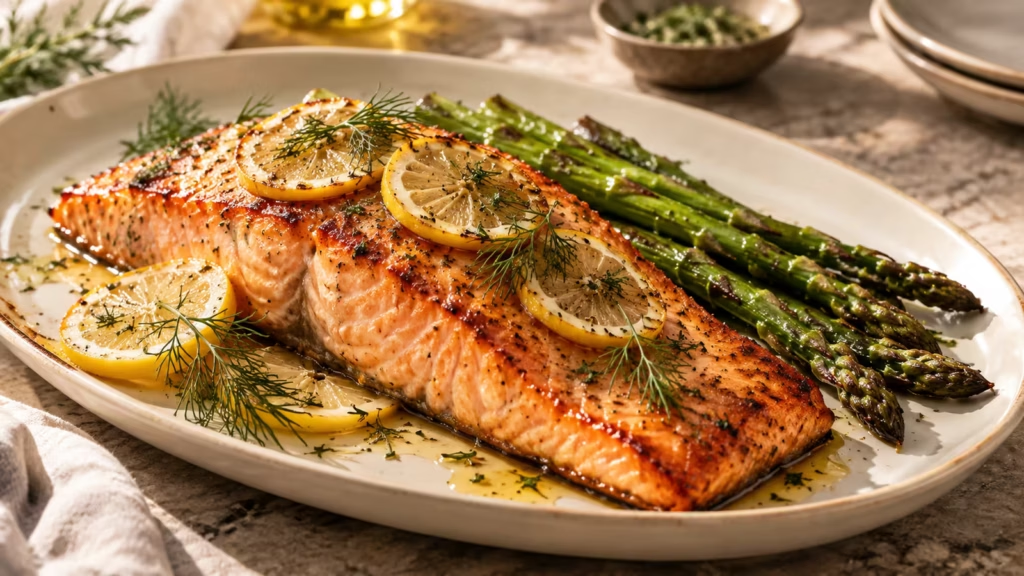
The best way to cook salmon for an ordinary weeknight is oven roasting: the heat is even, the cleanup is small, and all four fillets finish together. A hot sheet pan gives you lightly bronzed edges while the center stays moist, and an instant-read thermometer removes the guesswork that so often turns good fish dry.
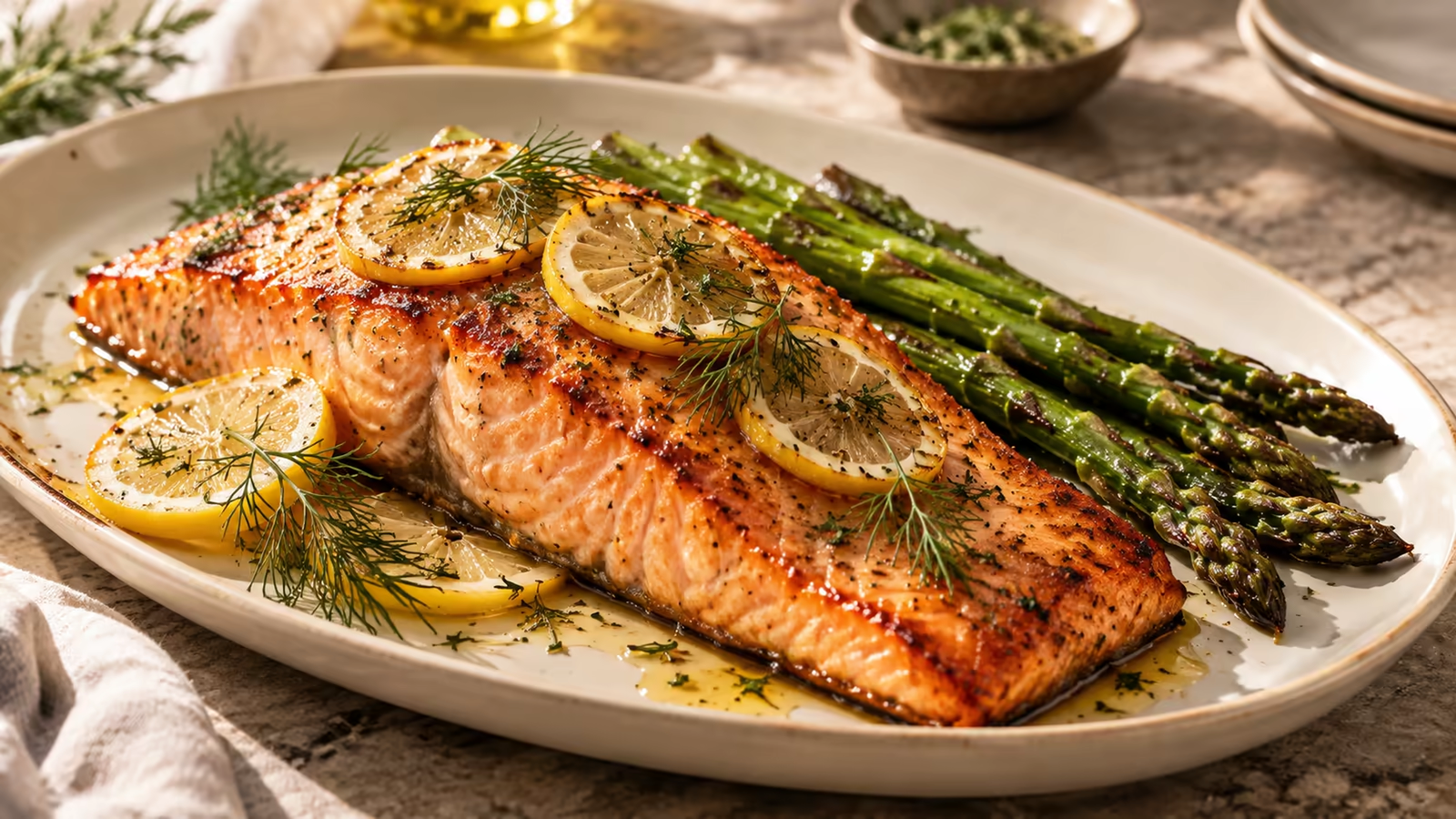
Salmon is ready when temperature—not the clock—says so; thickness matters more than weight or wishful timing.
This method uses skin-on fillets, olive oil, lemon, and herbs, but the real recipe is the technique. Dry the surface, season evenly, roast in a fully heated oven, and check the thickest portion early. Once those habits are in place, you can change the flavors without relearning dinner.
Why oven roasting is the best all-around method
Pan-searing is wonderful for one or two pieces, and grilling adds smoke, but roasting is the most forgiving approach for a family-sized batch. The fillets stay undisturbed, so delicate flesh is less likely to break. You also have room to roast asparagus, green beans, or thin broccoli florets on a second pan at the same time.
A 425°F oven is hot enough to cook efficiently and develop color without the fierce contact heat of a skillet. Most one-inch fillets need about 8 to 12 minutes, but that range is only a cue to start checking. A thick center-cut portion and a thin tail piece should not be expected to finish together.
For a deeper explanation of doneness and thermometer placement, Tastiva’s guide to salmon internal temperature walks through the numbers. The USDA safe-temperature guidance for fish is 145°F, measured in the thickest part.
Choose salmon and prepare it well
Look for fillets with firm, glossy flesh and a mild clean aroma. Skin-on pieces are easier to move and the skin protects the underside in the oven, even if you do not plan to eat it. Try to choose portions of similar thickness; if one is noticeably thinner, place it toward the cooler edge of the pan and test it first.
Thaw frozen salmon overnight in the refrigerator, then unwrap and pat it thoroughly dry. Moisture on the surface turns to steam and prevents browning. Run your fingertips across the flesh to find pin bones and pull them with clean tweezers. Let the fish sit at room temperature only while the oven heats and you prepare the pan.
Use temperature and thickness, not color alone
Set the fillets skin-side down on parchment, rub the tops with olive oil, and season with salt and pepper. Roast until the fish looks opaque around the edges and separates into moist flakes when pressed gently. Color varies by species and feed, so it is not a reliable safety test on its own.
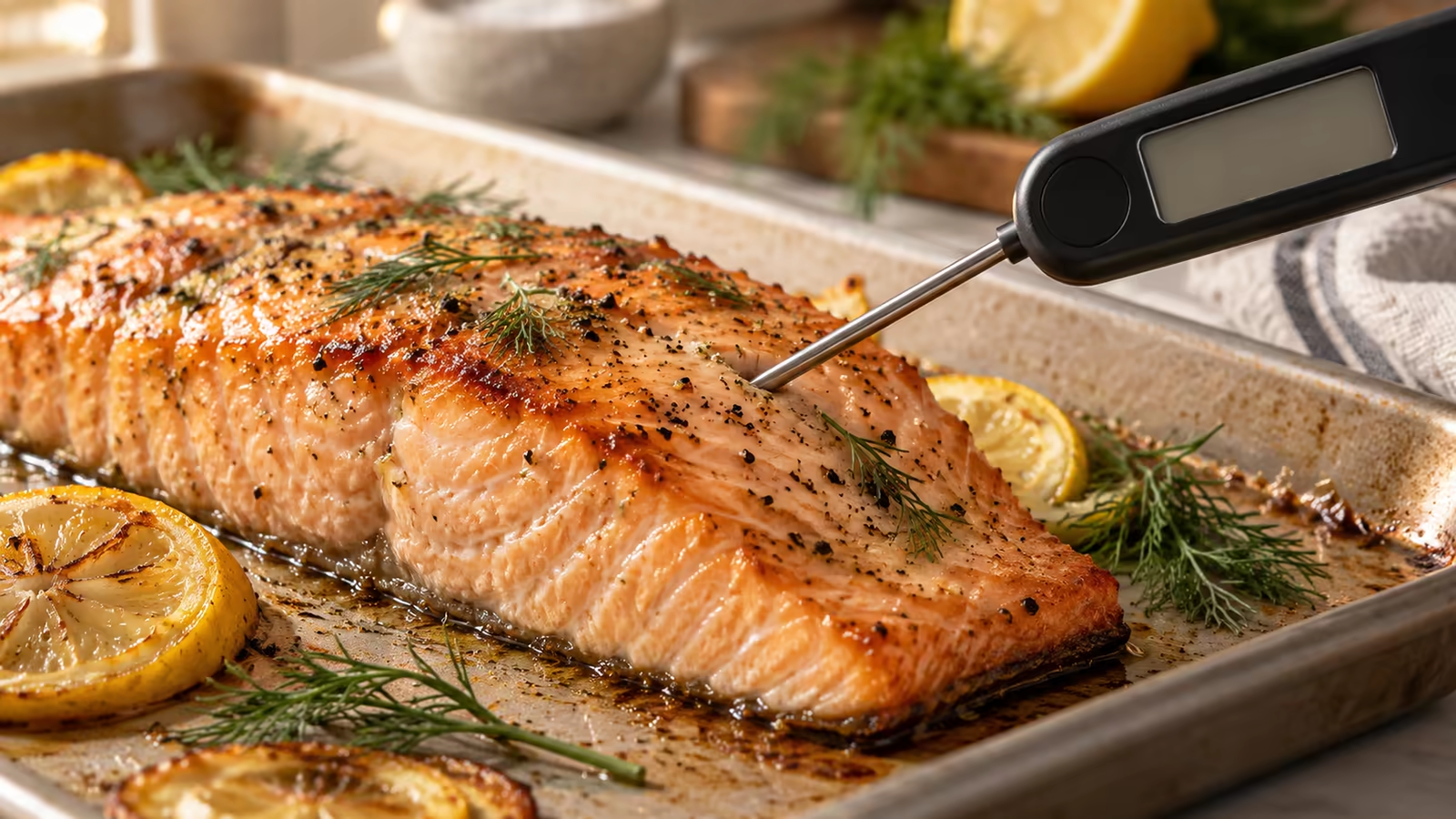
Insert an instant-read thermometer from the side into the thickest section, aiming for the center of the flesh and avoiding the sheet pan. Begin checking at eight minutes. Continue roasting in short intervals until the center reaches 145°F. Pull thinner portions as they finish rather than leaving every piece in the oven for the thickest one.
White beads on the surface are albumin, a harmless protein pushed out as the fish cooks. A little is normal. A great deal usually means the heat was too long or aggressive, which is another reason to rely on an early temperature check.
Rest, finish, and serve the salmon
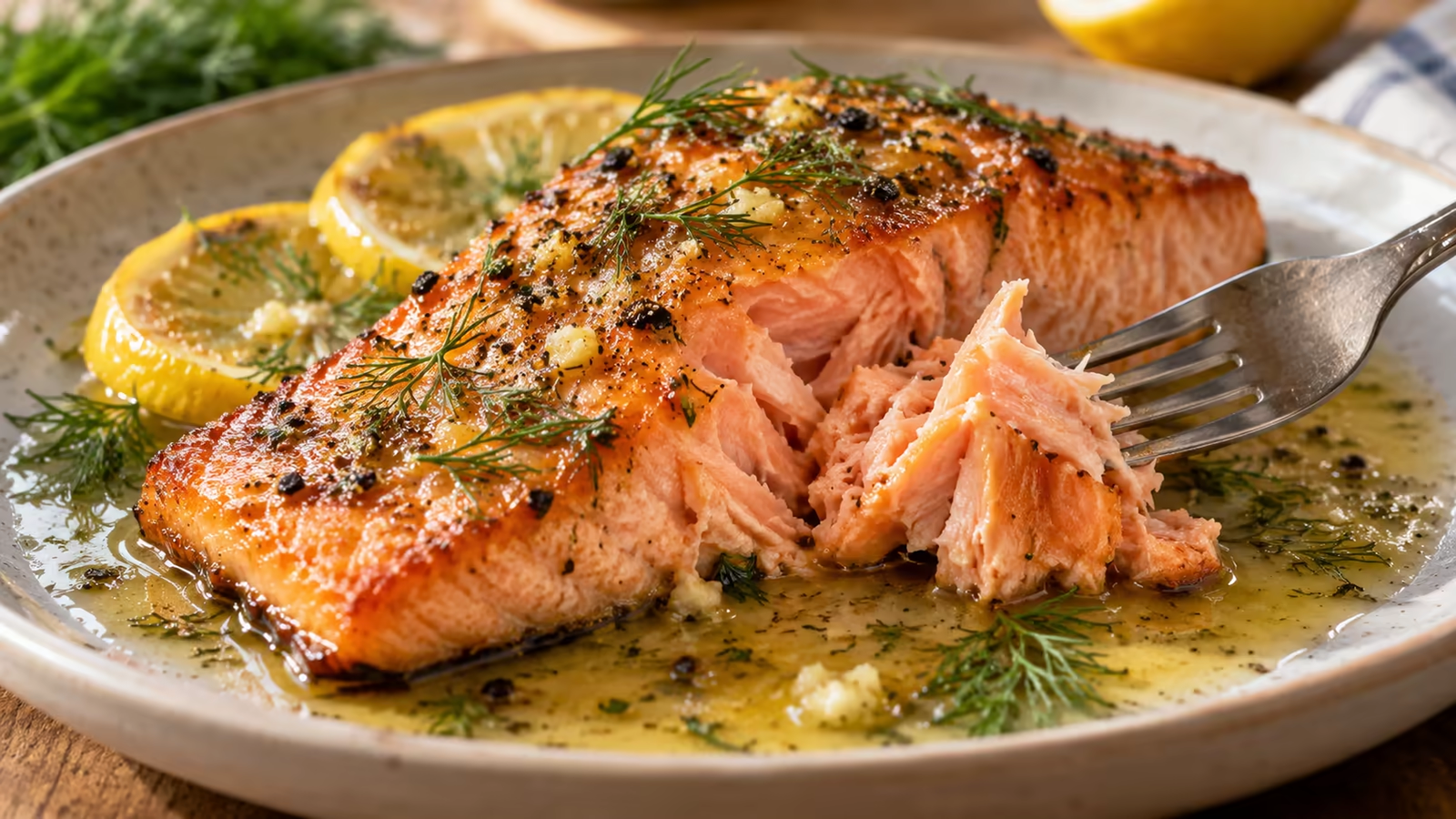
Rest the fillets for three to five minutes, then add lemon zest, fresh juice, and chopped dill or parsley. Finishing after roasting keeps the herbs vivid and the citrus bright. For a different direction, swap in smoked paprika and lime, Dijon and chives, or a thin maple-soy glaze applied during the last few minutes.
Serve the salmon with rice, roasted potatoes, lentils, or a crisp salad. Refrigerate leftovers within two hours in a shallow covered container and use within three to four days. Cold flakes are excellent in grain bowls; for reheating, cover and warm gently so the fish does not pass far beyond its original doneness.
Oven-roasted salmon recipe
The editable recipe card below gives exact amounts, equipment, thermometer placement, and timing for four evenly cooked salmon fillets.
Easy Oven-Roasted Salmon

Ingredients
- 4 skin-on salmon fillets about 6 oz each and 1 inch thick
- 1 1/2 tbsp extra-virgin olive oil
- 3/4 tsp kosher salt
- 1/4 tsp freshly ground black pepper
- 1 lemon finely zested and cut into wedges
- 2 tbsp fresh dill or flat-leaf parsley chopped
Equipment
- Rimmed sheet pan
- Parchment paper
- Instant-read thermometer
- Fish tweezers optional, for pin bones
Instructions
- Heat the oven to 425°F with a rack in the center. Line a rimmed sheet pan with parchment paper.
- Pat the salmon very dry. Check for pin bones and remove any you find. Set the fillets skin-side down on the prepared pan.
- Rub the tops with olive oil and season evenly with salt and black pepper.
- Roast for 8 minutes, then check the thickest part of each fillet with an instant-read thermometer inserted from the side. Continue roasting in 1- to 2-minute intervals until each center reaches 145°F.
- Remove finished fillets individually and rest for 3 to 5 minutes. Sprinkle with lemon zest and herbs, then serve with lemon wedges.
Notes
- Timing depends on thickness, not just weight; begin checking early.
- The USDA safe minimum internal temperature for fish is 145°F.
- Refrigerate leftovers within 2 hours and use within 3 to 4 days.
- Nutrition is intentionally left for manual calculation because salmon species, fillet size, and retained oil vary.
Tried this recipe?
Let us know how it turned out!Sources
These official references support the temperature, seafood-handling, and storage guidance used here:
- USDA Food Safety and Inspection Service: Safe Minimum Internal Temperature Chart
- U.S. Food and Drug Administration: Fresh and Frozen Seafood—Selecting and Serving It Safely
- FoodSafety.gov: Cold Food Storage Charts
Hi, I’m Laura, the voice behind Tastiva. I’ve always believed that eating well should feel enjoyable, comforting, and realistic—not like another complicated rule to follow. I love creating recipes that fit into everyday life, sharing simple nutrition ideas, and finding small ways to make meals feel a little better without losing the pleasure of good food.