
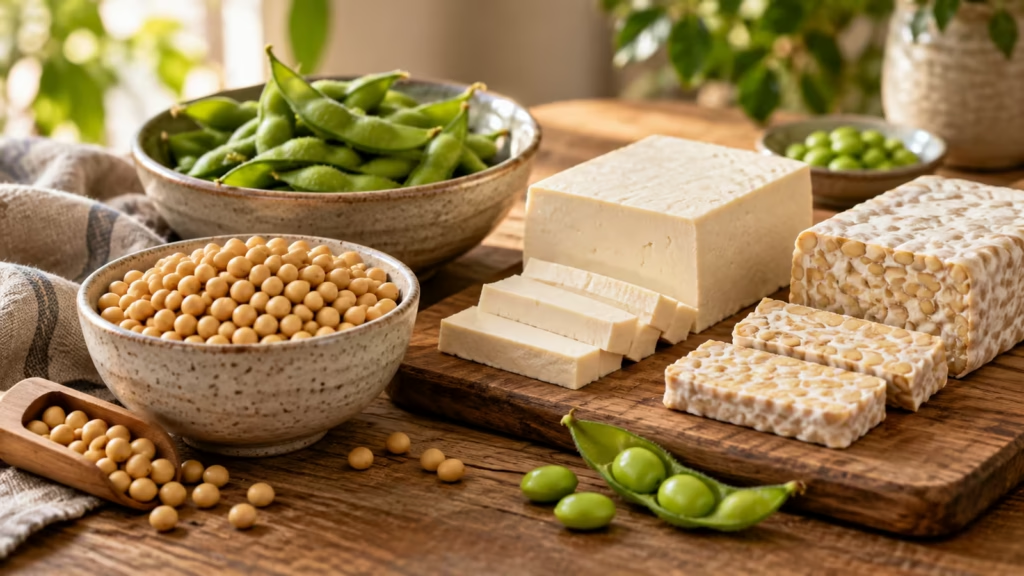
Soybeans are a protein-rich legume eaten as edamame, mature beans, tofu, tempeh, soy milk, and many other foods. They supply plant protein, fiber, unsaturated fat, iron, potassium, and several other nutrients. The best choice depends less on whether a food contains soy and more on its overall ingredients, level of processing, sodium, added sugar, and how it fits into your diet.
Soybeans are versatile, nutrient-dense foods—not a miracle ingredient, but a practical way to add plant protein to meals.
What soybeans are
Soybeans are legumes, so they are related to beans, lentils, chickpeas, and peas. Edamame are young green soybeans harvested before they fully mature. Mature soybeans are usually tan or yellow and may be sold dry, roasted, canned, or transformed into foods such as tofu and tempeh.
Soy foods vary greatly in texture and nutrition. Tofu is made by coagulating soy milk, while tempeh is made from fermented whole soybeans. Soy milk is a beverage, and textured soy protein or soy protein isolate is a more concentrated ingredient. That variety makes soy useful in everything from snacks and breakfast bowls to soups and main dishes.
- Edamame and cooked mature beans retain the whole bean’s fiber.
- Tofu is mild, absorbs seasonings, and ranges from silken to extra-firm.
- Tempeh has a firm texture and a nutty flavor.
- Fortified soy milk can provide calcium and vitamin D, but amounts vary by brand.
- Soy sauce and tamari are condiments, not meaningful protein servings, and can be high in sodium.
Soybean nutrition and protein
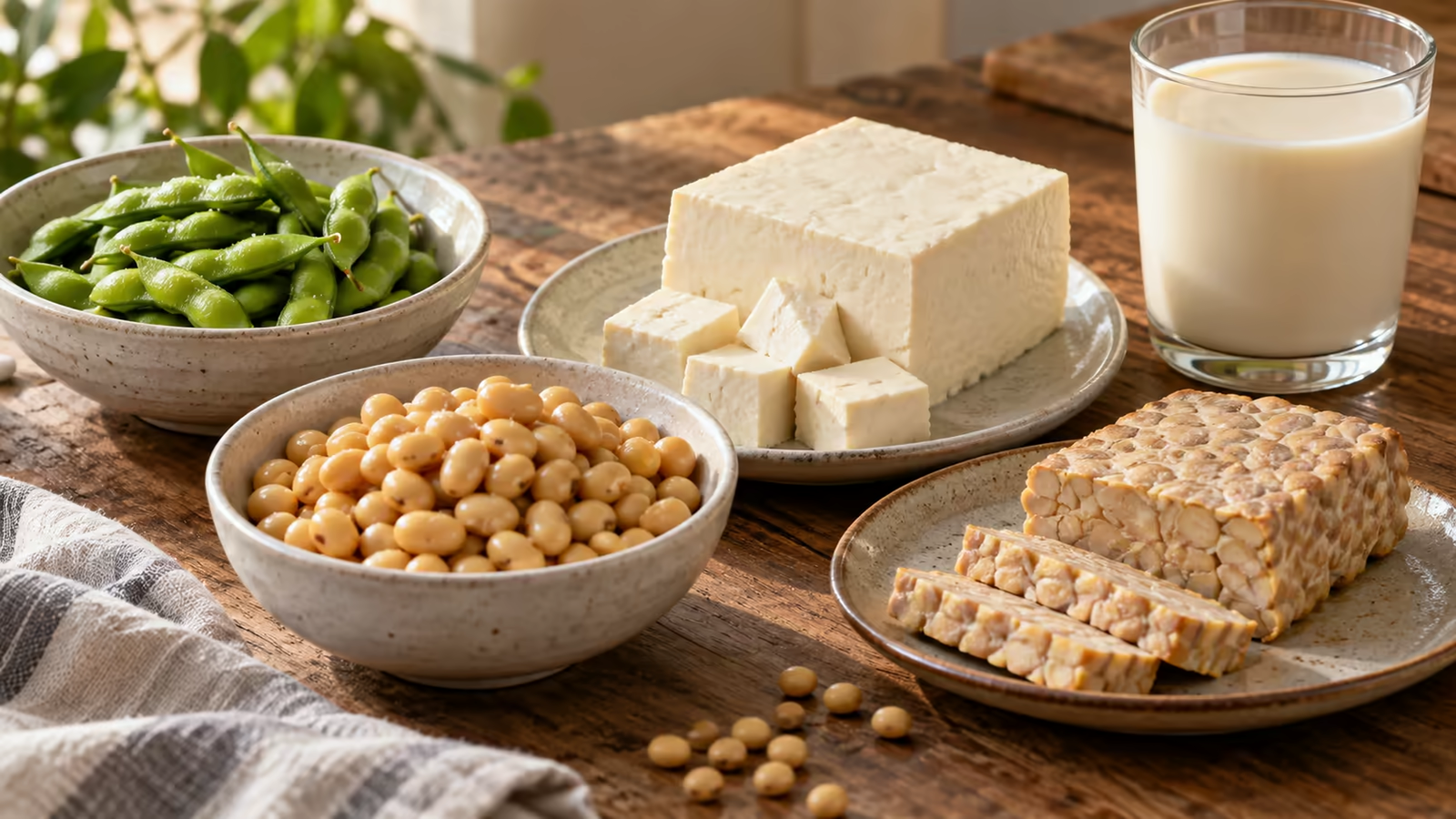
Soybeans stand out among legumes because they provide all nine essential amino acids. That makes soy a convenient complete plant protein, although you do not need to combine proteins at every meal to meet amino-acid needs. A varied diet across the day can do that. If you are estimating your needs, this guide to daily protein intake provides a useful starting point.
The exact nutrition depends on the form. Whole soybeans and edamame provide fiber along with protein, while isolated soy protein is more concentrated and usually contains less fiber. Calcium can differ sharply among tofu products because some are set with calcium salts, and fortified soy milk may contain nutrients that unfortified versions do not. Compare Nutrition Facts labels rather than assuming all soy foods are interchangeable.
Soybeans also contain isoflavones, plant compounds that can interact weakly with estrogen receptors. That does not make soy food the same as human estrogen. Research on soy and long-term health is still nuanced, so ordinary food portions are a more sensible default than high-dose isoflavone supplements unless a clinician recommends otherwise.
Whole soy foods, isolates, and common concerns
Whole or minimally processed soy foods—edamame, tofu, tempeh, and unsweetened soy milk—make it easy to see what you are eating and often bring fiber or a useful nutrient profile. More processed soy foods can still fit, but check sodium, added sugars, saturated fat, and portion size. A plant-based label alone does not guarantee a balanced product.
Soybeans are one of the nine major food allergens in the United States. Anyone with a diagnosed soy allergy should read ingredient and “Contains” statements and follow their allergy plan. People taking thyroid medicine may also be advised to separate the medicine from food, including soy; follow the timing instructions from the prescriber or pharmacist instead of cutting out soy automatically.
Genetically engineered and non-genetically engineered soybeans are both sold in the United States. Organic certification prohibits genetically engineered seed, while products may also carry voluntary bioengineered-food disclosures. Those labels describe production methods, not whether one serving has more protein or fiber. Choose according to your priorities and the product’s full nutrition profile.
How to cook and use soybeans
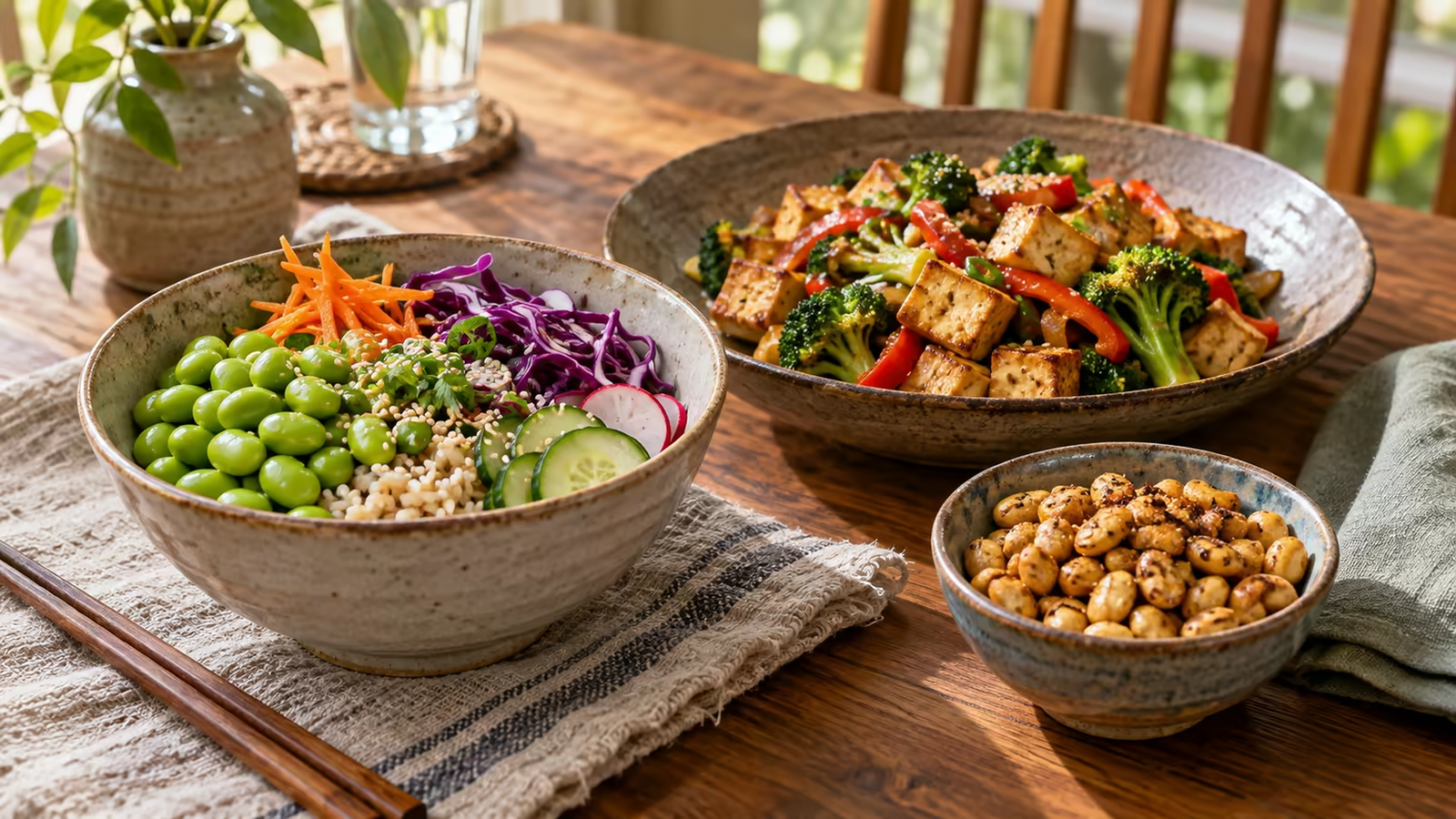
Frozen shelled edamame is one of the quickest options: simmer or steam it according to the package, drain, and season. Dry mature soybeans need soaking and thorough cooking until tender; do not eat raw mature soybeans. Canned soybeans should be drained and rinsed, especially when you want to reduce surface sodium.
For an easy meal, add edamame to grain bowls, salads, stir-fries, or soups. Brown cubes of extra-firm tofu for crisp edges, crumble it into a skillet, or blend silken tofu into sauces. Slice tempeh thinly, steam it briefly if desired, then marinate and sear it. A Daniel Fast meal plan can also use whole soy foods when they fit the particular guidelines being followed.
- Pair edamame with fruit or whole-grain crackers for a filling snack.
- Add tofu to a vegetable curry or sheet-pan dinner.
- Use tempeh in tacos, sandwiches, or rice bowls.
- Blend unsweetened fortified soy milk into oatmeal or smoothies.
- Start with familiar seasonings; soy foods take on garlic, ginger, citrus, herbs, and spices well.
Sources
- USDA FoodData Central
- U.S. Food and Drug Administration: Food Allergies
- National Library of Medicine: Isoflavones review

Hi, I’m Laura, the voice behind Tastiva. I’ve always believed that eating well should feel enjoyable, comforting, and realistic—not like another complicated rule to follow. I love creating recipes that fit into everyday life, sharing simple nutrition ideas, and finding small ways to make meals feel a little better without losing the pleasure of good food.