
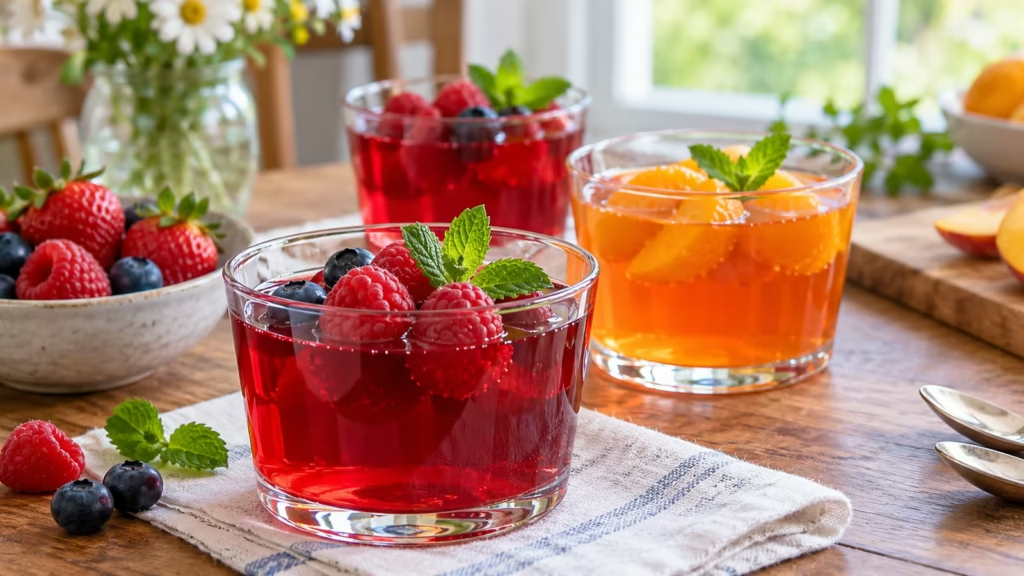
Sugar-free gelatin dessert is typically low in sugar and calories because high-intensity sweeteners replace sugar. It can be a light dessert, but it supplies little fiber, fat, or micronutrition and usually only a small amount of protein.
“Sugar-free” answers one label question; it does not tell you whether a food is filling, nutritious, vegetarian, or right for your body.
I’m Laura, and I see sugar-free Jell-O or store-brand gelatin as an optional convenience food, not a health requirement. It may suit someone limiting added sugar, while another person may prefer fruit, yogurt, or a smaller serving of regular dessert.
What sugar-free gelatin dessert contains
A typical mix contains gelatin, food acids, flavoring, color, salt, and one or more sweeteners such as aspartame, acesulfame potassium, sucralose, or stevia-derived ingredients. Formulas vary by brand and flavor, so read the actual package.
Gelatin is a protein made from animal collagen, which means standard gelatin desserts are not vegetarian or vegan. Plant-based alternatives use agar, carrageenan, pectin, or starch and set with different textures and preparation rules.
A “sugar-free” claim generally means less than 0.5 gram of sugar per labeled serving under U.S. rules. It does not mean carbohydrate-free, calorie-free, or suitable for every medical diet.
Sweeteners, labels, and individual tolerance
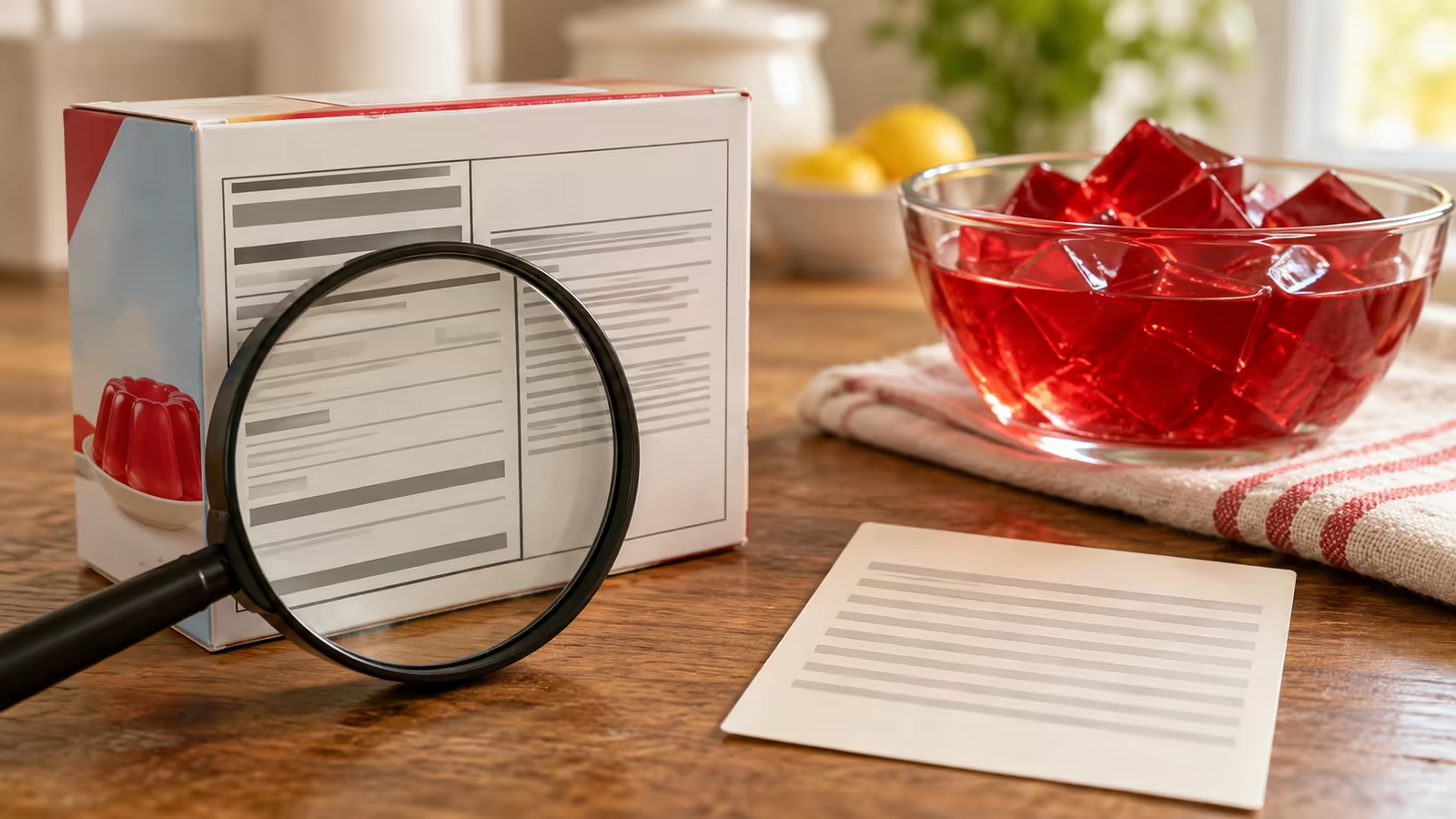
FDA-authorized sweeteners have acceptable daily intake levels that include a substantial safety margin. Normal intake for most people remains below those limits, but taste and digestive tolerance are individual.
- People with phenylketonuria (PKU) must avoid or limit phenylalanine and should heed the warning on products containing aspartame.
- Sugar alcohols such as sorbitol, maltitol, or erythritol can cause gas or diarrhea in some people, though not every gelatin product uses them.
- Food colors can be a personal preference or sensitivity concern; choose an uncolored product if desired.
- A product can be sugar-free yet contain sodium or other ingredients worth checking.
For diabetes, the serving’s total carbohydrate and the whole meal matter more than the front claim alone. Sugar-free gelatin may have little carbohydrate, but toppings and layered recipes can change that. Medication and glucose-management advice should come from your care team.
Is sugar-free gelatin healthy?
It can fit a balanced eating pattern, particularly as a sweet option with little added sugar. However, its small amount of gelatin protein is not equivalent to a protein-rich meal or snack, and it lacks the fiber and broad nutrient profile of fruit.
Some people find a low-calorie dessert satisfying; others finish it and still feel hungry. Pairing it with berries, plain yogurt, cottage cheese, or nuts can add texture and staying power. Tastiva’s healthy ice cream guide offers the same principle: compare the whole food experience, not one marketing claim.
If you avoid sweeteners, regular gelatin made with less sugar or a fruit-based dessert may suit you better. There is no moral prize for choosing the option with the fewest calories.
Serving ideas and preparation tips

- Top a small cup with berries and a spoonful of yogurt.
- Layer set gelatin cubes with plain Greek yogurt for a parfait.
- Use unflavored gelatin and your own diluted juice or flavoring to control sweetness.
- Add canned pineapple, peaches, or pears after draining.
- Keep prepared gelatin refrigerated and serve it cold.
Fresh pineapple, kiwi, papaya, figs, and ginger contain enzymes that can prevent gelatin from setting. Canning or cooking deactivates those enzymes, which is why canned pineapple usually works. Tastiva’s pineapple cutting guide is useful when you want fresh fruit for a different dessert.
Follow the package water ratio and dissolve the powder fully. Refrigerate within two hours, keep covered, and discard it if it develops mold, an off odor, or prolonged temperature abuse. For children or adults with swallowing difficulties, gelatin’s slippery texture may require professional guidance.
Sugar-free gelatin products differ in sweeteners and serving size. Some use high-intensity sweeteners, while others may include sugar alcohols that can cause gas, bloating, or diarrhea in larger amounts. Read the ingredient list if you are sensitive, and remember that “sugar-free” does not necessarily mean calorie-free.
Gelatin contributes some amino acids, but a small dessert cup is not a complete or substantial protein source. Treat it as a dessert or texture component rather than a nutrition supplement. For a more filling option, serve it with fruit or alongside a meal that includes fiber, healthy fat, and a complete protein.
Sources
- U.S. Food and Drug Administration: Aspartame and Other Sweeteners
- U.S. Food and Drug Administration: How Sweet It Is—Sugar Substitutes
- USDA FoodData Central

Hi, I’m Laura, the voice behind Tastiva. I’ve always believed that eating well should feel enjoyable, comforting, and realistic—not like another complicated rule to follow. I love creating recipes that fit into everyday life, sharing simple nutrition ideas, and finding small ways to make meals feel a little better without losing the pleasure of good food.