
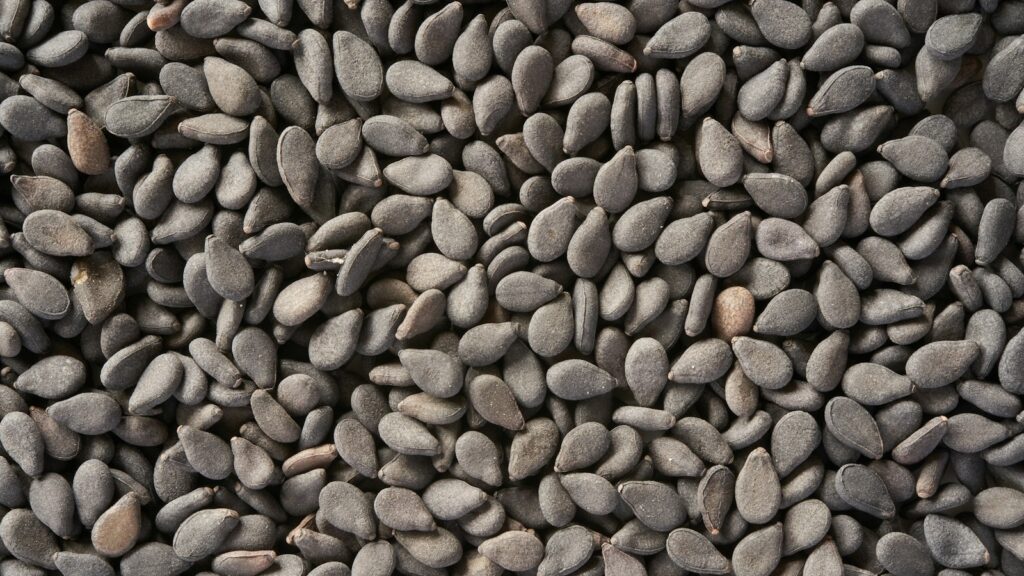
A few black sesame seeds can make a bowl of rice look finished, but they bring more than contrast. These tiny edible seeds add a nutty flavor and a gentle crunch, especially when toasted. Use them whole for texture or ground for a fuller sesame presence in sauces, porridge, and desserts.
Decide whether you want a little crunch or a smooth sesame flavor before choosing whole seeds, ground seeds, or paste.
What to look for when buying black sesame seeds
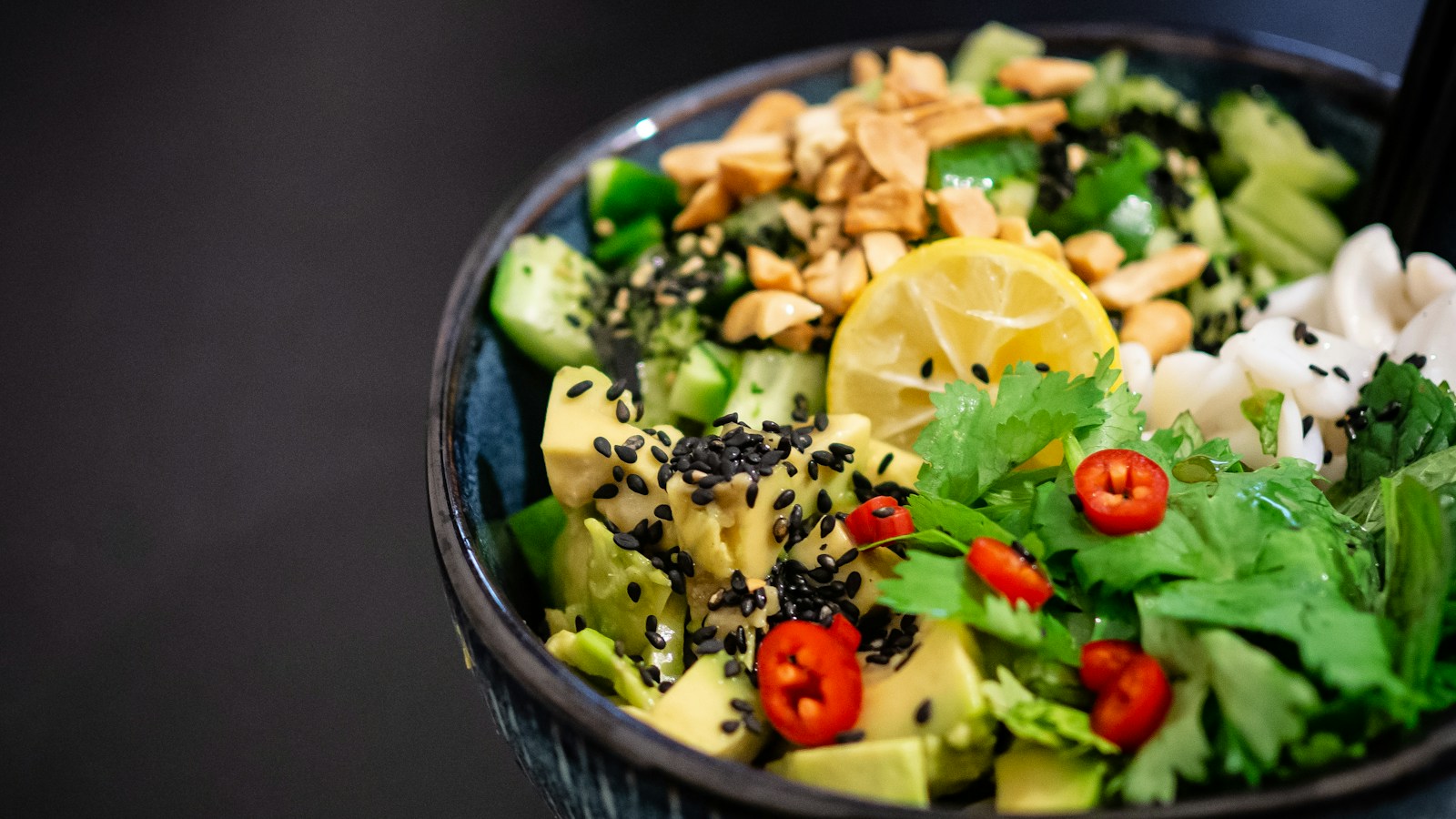
Black sesame seeds are sold raw or toasted, sometimes labeled roasted. That distinction affects how much preparation they need and how pronounced their aroma will be when you open the package. The ingredient list should also tell you whether you are buying plain seeds or a seasoned mixture containing salt or other additions.
Color alone cannot tell you whether a product is toasted. Black seeds stay dark, so the visual cue is less helpful than it is with pale sesame. For an ingredient you plan to sprinkle straight onto cooked rice or vegetables, a clearly labeled toasted product can be the simplest purchase.
| Form | What it adds | Where it fits |
|---|---|---|
| Whole seeds | Visible dark flecks and small bites of texture | Rice, vegetables, bread toppings |
| Ground seeds | More evenly distributed sesame flavor; some texture | Dressings, porridge, cookie mixtures |
| Unsweetened sesame paste | Concentrated flavor and a smoother consistency | Sauces and recipes designed for paste |
| Sweetened sesame filling | Sesame plus sweetness and other ingredients | Desserts that specify that particular filling |
I’d start with a small bag if this is a new ingredient for you. It gives you room to discover whether you prefer sesame as a finishing touch or as the central flavor. A large economical package only helps if you will use it while the aroma is still pleasant.
Toast with your nose as well as your eyes
If the seeds are raw, a gentle dry toast can bring out their nutty aroma. Use a clean skillet over moderate heat, keep the seeds moving, and stop when they smell pleasantly toasted. Because their color is already dark, waiting for obvious browning can take you past the flavor you wanted.
Pour the seeds onto a plate when they are ready so the hot pan does not keep cooking them. Let them cool before storing or grinding. Seeds that smell acrid or taste burnt will carry that bitterness into the finished food; adding more sweetener later is not a reliable way to hide it.
- Check the label first. Pre-toasted seeds may be ready to use without another trip through the pan.
- Toast only what you need. A small quantity is easier to keep moving and assess.
- Stay nearby. The moment between fragrant and scorched can be brief in a hot skillet.
- Use dry tools. Moisture is unwelcome in a jar intended for storage.
- Grind for the job. A coarse crush suits a textured dressing; a smooth paste requires a suitable grinder and a recipe designed for it.
For a first attempt, I’d stop a little early rather than chase the strongest possible aroma. Sesame should support the dish, and an aggressive roast can dominate mild ingredients. If you are following a specific recipe, use its seed preparation and quantity instead of assuming that whole seeds and paste behave the same way.
Use the form that suits the dish
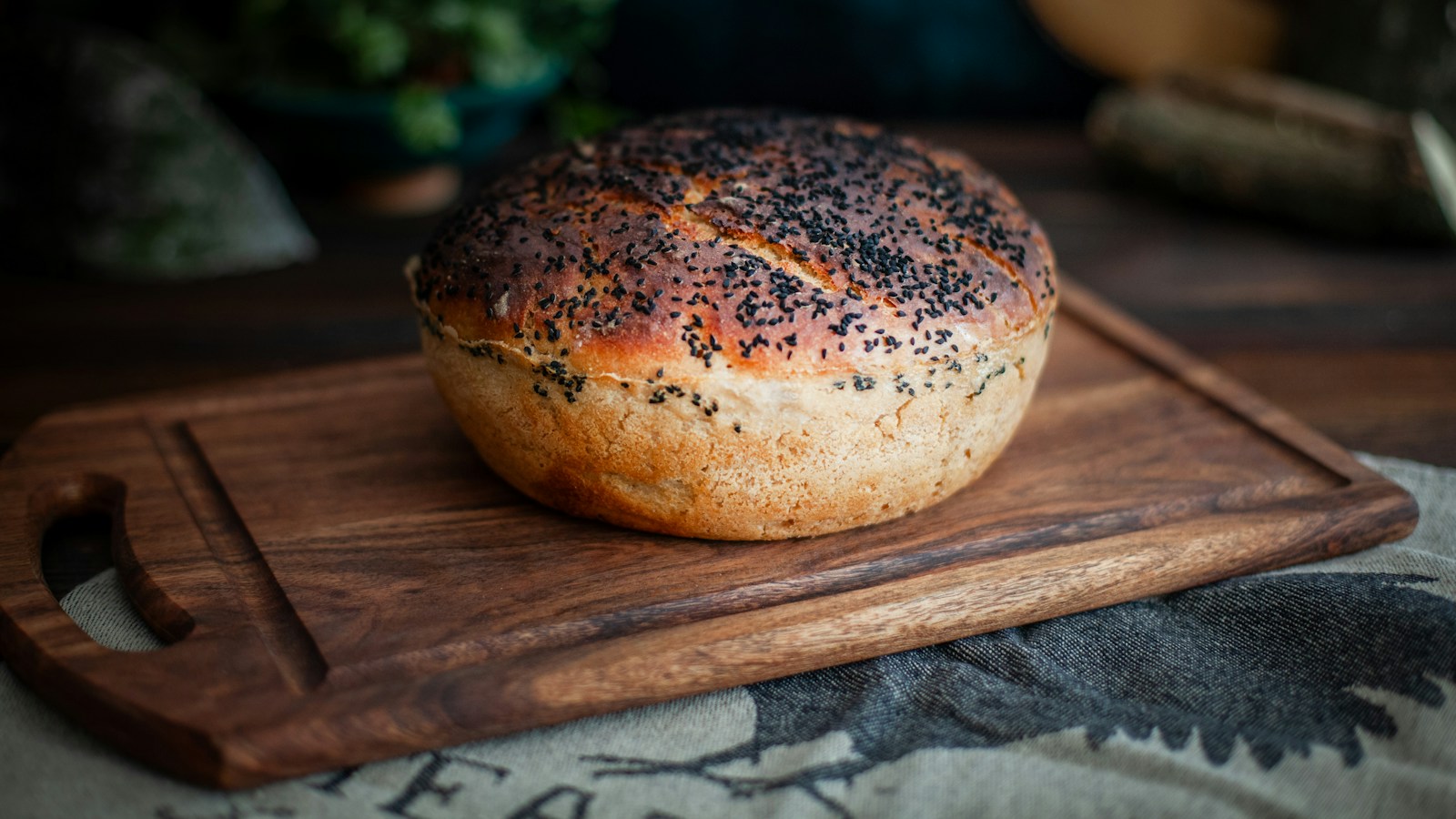
Whole black sesame seeds are particularly useful when you want distinct little flecks on a pale surface. Ground seeds spread flavor through a mixture and may turn it gray or nearly black. That color is part of the ingredient’s effect, so consider it before stirring a dark paste into a frosting you hoped would stay white.
- Rice and grain bowls: Sprinkle toasted seeds over cooked grains, vegetables, and your chosen protein.
- Vegetables: Add them after cooking to preserve their small crunch, or work ground seeds into a dressing.
- Noodles: Use a recipe that specifies seeds or paste, and check the sauce ingredients for allergens and gluten.
- Baking: Add a modest sprinkle to a suitable bread or cookie recipe; use a tested formula when sesame paste replaces another ingredient.
- Porridge and desserts: Follow a recipe built around ground black sesame when you want the flavor throughout, not only on top.
Korean cook Maangchi uses black sesame in dishes including heukimjajuk, a sesame-and-rice porridge, showing how grinding changes its role beyond garnish. A sweetened filling, however, is a different starting ingredient from plain ground seeds. Read both the recipe and the jar before making that substitution.
For a savory pairing, Tastiva’s seaweed salad guide offers context for a dish where a sesame finish makes sense. You can also combine black and pale sesame for visual contrast when the recipe allows. The proportion is an appearance and flavor choice, not a reason to assume one color makes the meal more nutritious.
Store thoughtfully and keep allergy needs clear
Keep the seeds tightly closed in a cool, dry place and follow the package’s storage guidance. For a quantity you will not use soon, refrigeration or freezing may be useful; protect the seeds from moisture and strong neighboring odors. Label any decanted jar so its contents and opening date are easy to recognize.
Sesame contributes nutrients, but the amount in a decorative sprinkle is small. Use the label for the form and portion you actually eat, and avoid treating dark color as proof of superior mineral content or a particular health effect. There is no need to attach a treatment promise to an ingredient that already has a clear culinary purpose.
Black sesame is still sesame and is unsuitable for someone with a sesame allergy. FARE advises avoiding sesame ingredients, including seeds, paste, and sesame oil, and checking labels and preparation carefully. When cooking for others, keep the sesame identifiable and ask about allergies before adding it; a tiny garnish can still matter.
Sources
- Maangchi: Black sesame seeds as a Korean cooking ingredient
- Maangchi: Black sesame and rice porridge
- FARE: Sesame allergy and ingredient avoidance
- FDA: Understanding serving amounts on the Nutrition Facts label

Hi, I’m Laura, the voice behind Tastiva. I’ve always believed that eating well should feel enjoyable, comforting, and realistic—not like another complicated rule to follow. I love creating recipes that fit into everyday life, sharing simple nutrition ideas, and finding small ways to make meals feel a little better without losing the pleasure of good food.