
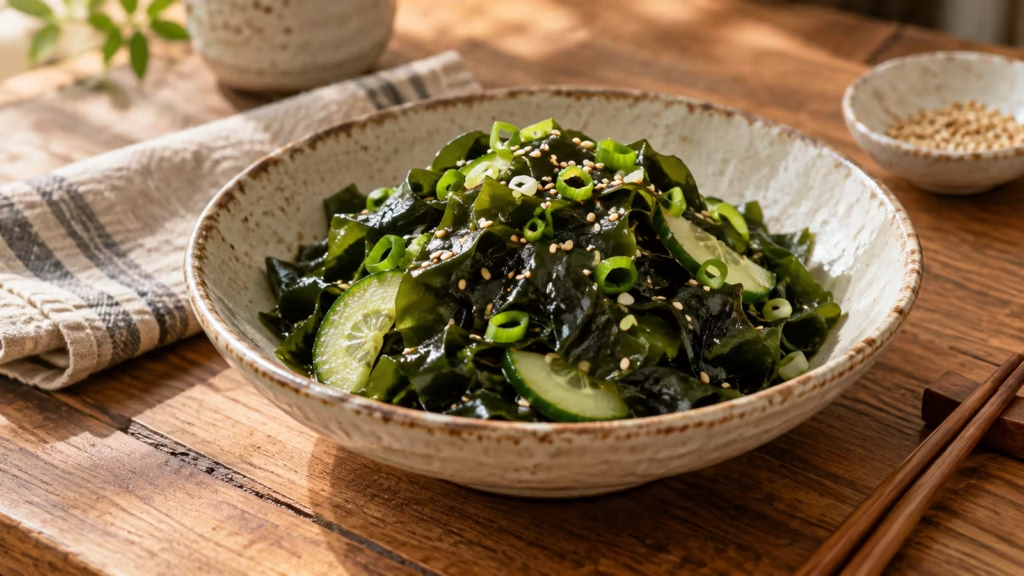
Seaweed salad is the side dish I reach for when dinner needs something cool, crisp, and deeply savory. Tender wakame, cucumber, scallions, and toasted sesame soak up a rice-vinegar dressing that tastes lively without becoming sharp. It is fast enough for a weeknight but polished enough to sit beside sushi, grilled fish, or a simple rice bowl.
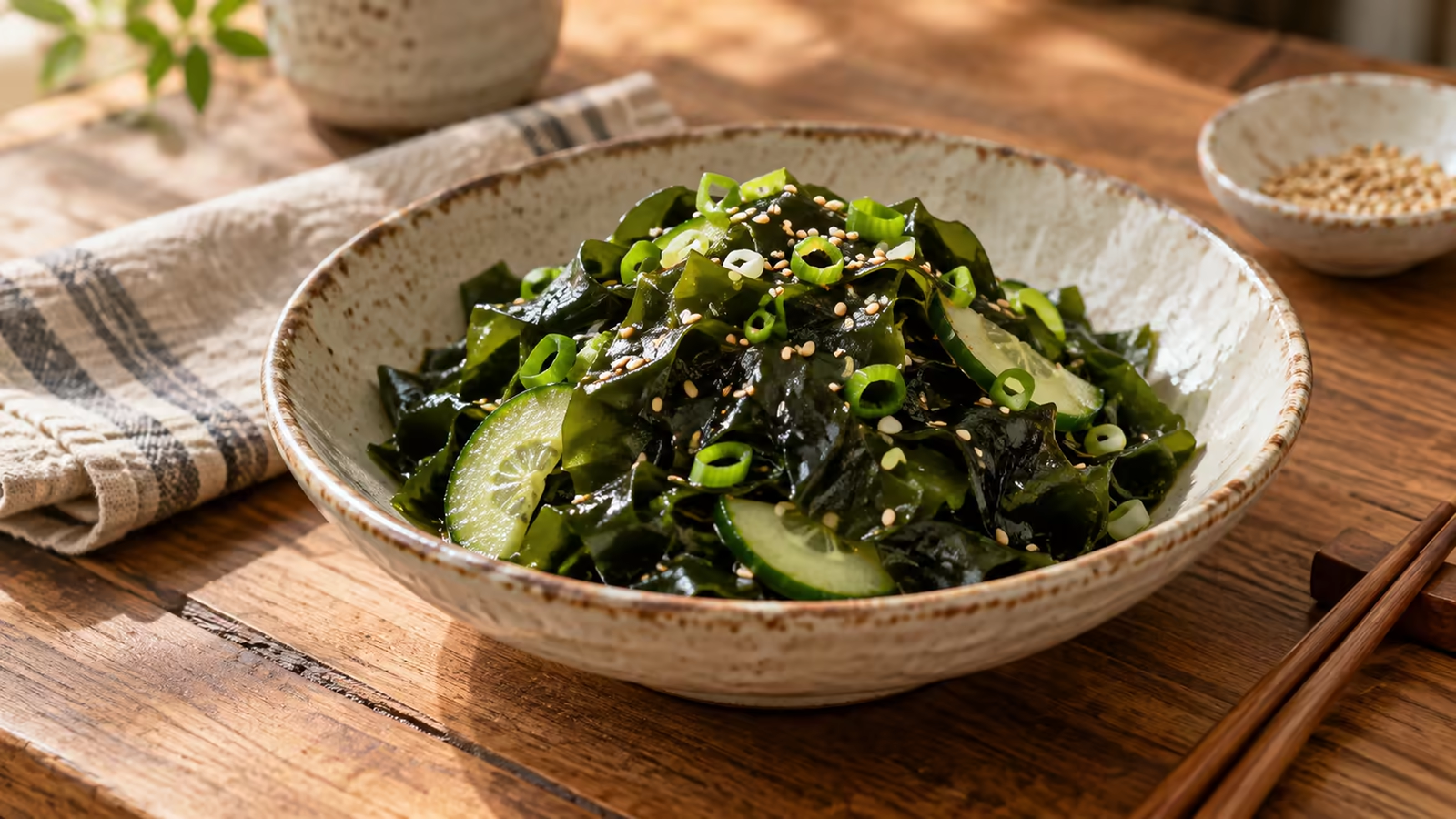
The secret is not more dressing—it is squeezing the wakame and cucumber dry enough to welcome every bright, sesame-scented drop.
This version keeps the ingredient list focused and the method dependable. You will hydrate dried wakame, salt the cucumber briefly, whisk a balanced dressing, and toss everything just before serving. The result is glossy and refreshing, with enough texture to make each bite interesting.
Why this seaweed salad works
Dried wakame is ideal here because it expands quickly and develops a silky, pleasantly chewy texture. A small amount goes a long way, so measure it before soaking. Brands are cut differently, and some are saltier than others; taste a strand after draining before deciding whether the finished salad needs any extra salt. For the cleanest texture, snip especially long strands into comfortable bites after you squeeze them dry.
Cucumber brings crunch and clean flavor, while scallions add a gentle allium bite. Toasted sesame seeds echo the nutty sesame oil in the dressing. If you enjoy soy sauce with Japanese-inspired dishes, Tastiva’s guide to whether soy sauce is gluten free explains when tamari may be the better choice.
Sea vegetables can contribute iodine, but the amount varies substantially by type and product. This is a flavorful side, not a reason to eat an oversized bowl every day. If you manage a thyroid condition or have been advised to monitor iodine, follow your clinician’s guidance and check the package information.
How to rehydrate wakame without making it soggy
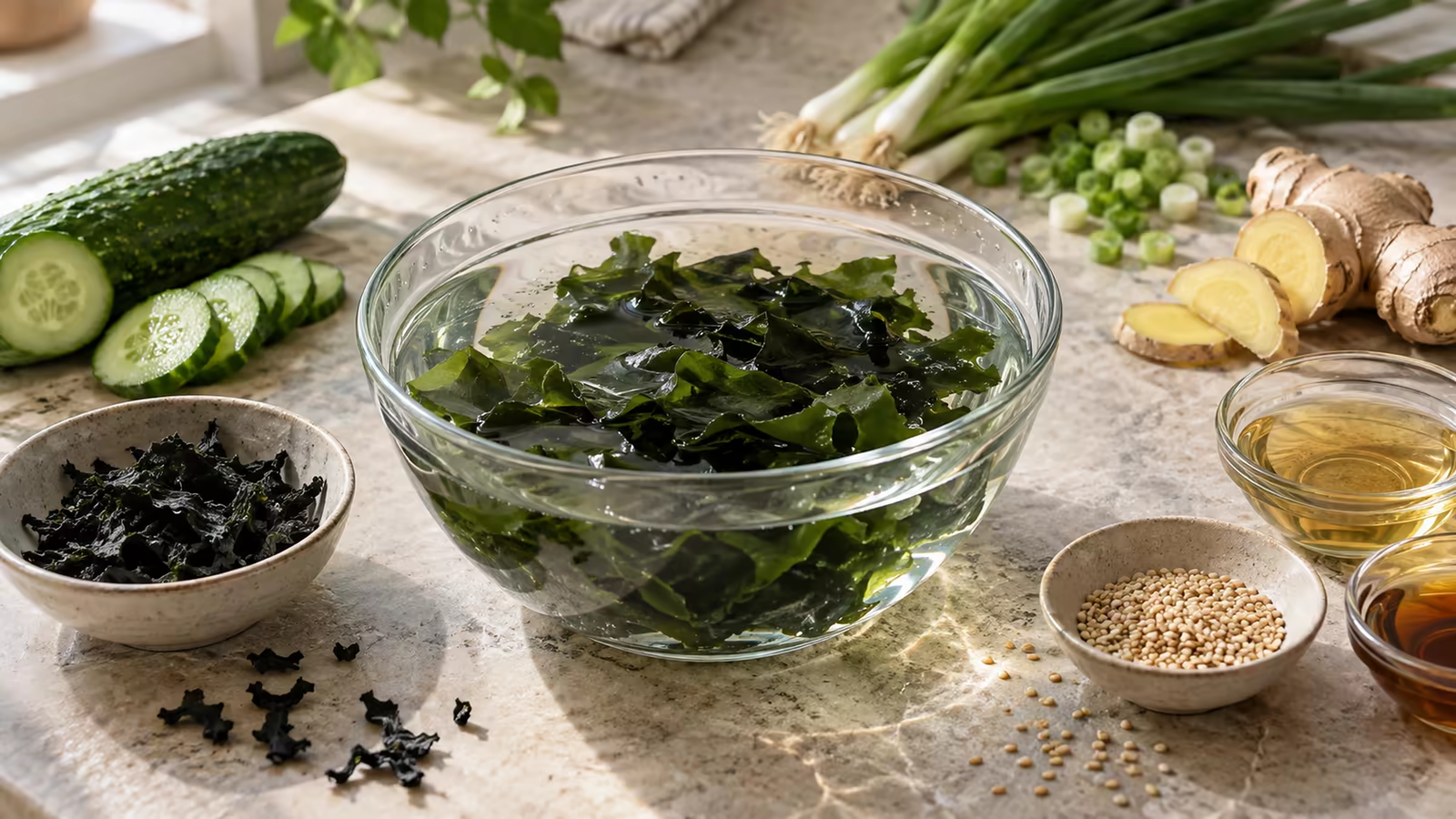
Cover the dried wakame generously with cool water and give it about 8 to 10 minutes. Warm water works faster, but it can soften the delicate edges before the thicker pieces are ready. Once the seaweed is fully unfurled and tender, drain it in a fine-mesh sieve, rinse briefly, and squeeze it firmly by handfuls.
The same moisture rule applies to cucumber. Toss the thin slices with a pinch of salt, rest them for 10 minutes, then press or squeeze out the released water. This quick step preserves snap and prevents the dressing from becoming diluted at the bottom of the bowl.
Build a balanced sesame dressing
Rice vinegar provides brightness, soy sauce adds savoriness, and a little maple syrup or honey rounds the edges. Toasted sesame oil is powerful, so one tablespoon is enough for a fragrant finish without coating the salad heavily. Fresh ginger adds warmth, while optional red-pepper flakes give a quiet spark rather than obvious heat.
Whisk the dressing until it looks unified, then taste it before adding the vegetables. Vinegars and soy sauces vary, so adjust in small increments: a few drops of vinegar for lift, a touch more sweetener for balance, or a teaspoon of water if the flavor feels too concentrated. Keep the dressing bold because the cucumber and wakame will soften it.
Serving, storing, and easy variations
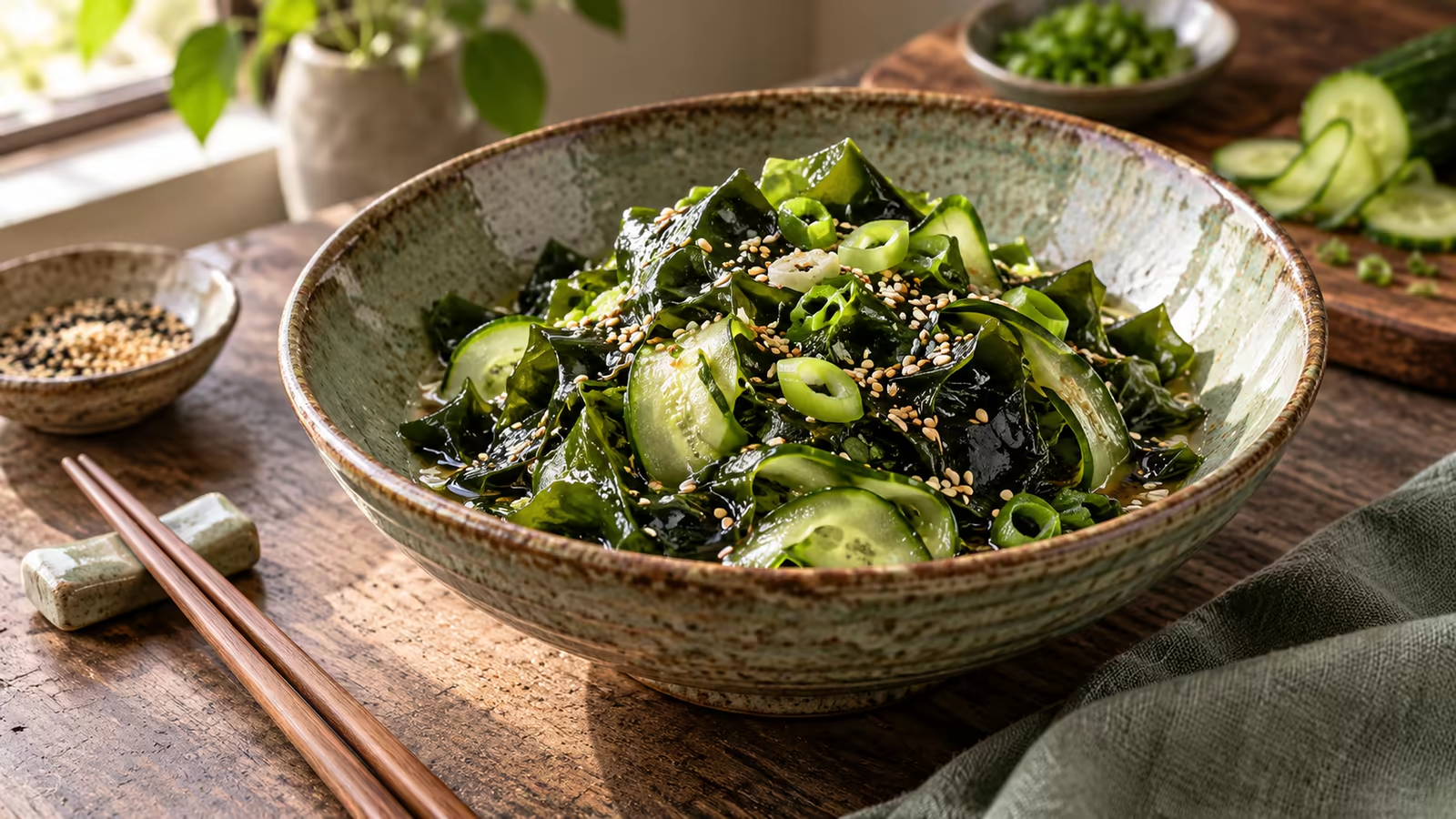
Toss the salad shortly before serving and finish with sesame seeds and sliced scallions. It is lovely beside roasted salmon, teriyaki-style chicken, tofu, dumplings, or a bowl of steamed rice. For more crunch, add thinly sliced radish; for sweetness, fold in grated carrot. A spoonful of white miso can deepen the dressing, but reduce the soy sauce first.
The salad is best within a few hours, when the cucumber is still crisp. Refrigerate leftovers promptly in a covered container and use them within three days. Expect the vegetables to release more liquid as they sit; drain that excess and refresh the leftovers with a tiny splash of rice vinegar before serving. If you are packing lunch, carry the dressing separately and toss it in just before eating.
Seaweed salad recipe
Have every component drained and ready before you toss. The editable recipe card below gives the exact amounts, timing, equipment, and step-by-step method for four side-dish servings.
Sesame Seaweed Salad

Ingredients
- 1 oz dried cut wakame about 28 g
- 1 medium Persian or English cucumber very thinly sliced
- 2 scallions thinly sliced
- 2 tbsp unseasoned rice vinegar 30 ml
- 1 tbsp reduced-sodium soy sauce or tamari 15 ml
- 2 tsp toasted sesame oil 10 ml
- 1 tsp honey or maple syrup 5 ml
- 1 tsp fresh ginger finely grated
- 1 tbsp toasted sesame seeds plus more for serving
Equipment
- Medium bowl
- Fine-mesh sieve
- Whisk
Instructions
- Put the dried wakame in a bowl and cover generously with cool water. Soak for 8 to 10 minutes, just until fully expanded and tender.
- Drain the wakame in a fine-mesh sieve. Rinse once with cool water, squeeze gently but thoroughly, and pat dry. Trim any long pieces into bite-size ribbons.
- Whisk the rice vinegar, soy sauce, sesame oil, honey, and ginger in a serving bowl until the sweetener dissolves.
- Add the wakame, cucumber, scallions, and sesame seeds. Toss well and let the salad stand for 5 minutes so the dressing settles into the seaweed.
- Taste and adjust with a small splash of vinegar or soy sauce. Serve cool, with extra sesame seeds if you like.
Notes
- Do not soak wakame in hot water; it softens too quickly and can become slippery.
- Seaweed varies widely in iodine and sodium. Keep the serving modest and check the package if you follow a medically prescribed iodine or sodium limit.
- Refrigerate leftovers in a covered container and use within 2 days for the best texture.
- Nutrition is intentionally left for manual calculation because wakame and soy-sauce brands vary substantially.
Tried this recipe?
Let us know how it turned out!Sources
These references support the food-safety and nutrition context used in this guide:
- National Institutes of Health Office of Dietary Supplements: Iodine Fact Sheet for Consumers
- FoodSafety.gov: Cold Food Storage Charts
Hi, I’m Laura, the voice behind Tastiva. I’ve always believed that eating well should feel enjoyable, comforting, and realistic—not like another complicated rule to follow. I love creating recipes that fit into everyday life, sharing simple nutrition ideas, and finding small ways to make meals feel a little better without losing the pleasure of good food.