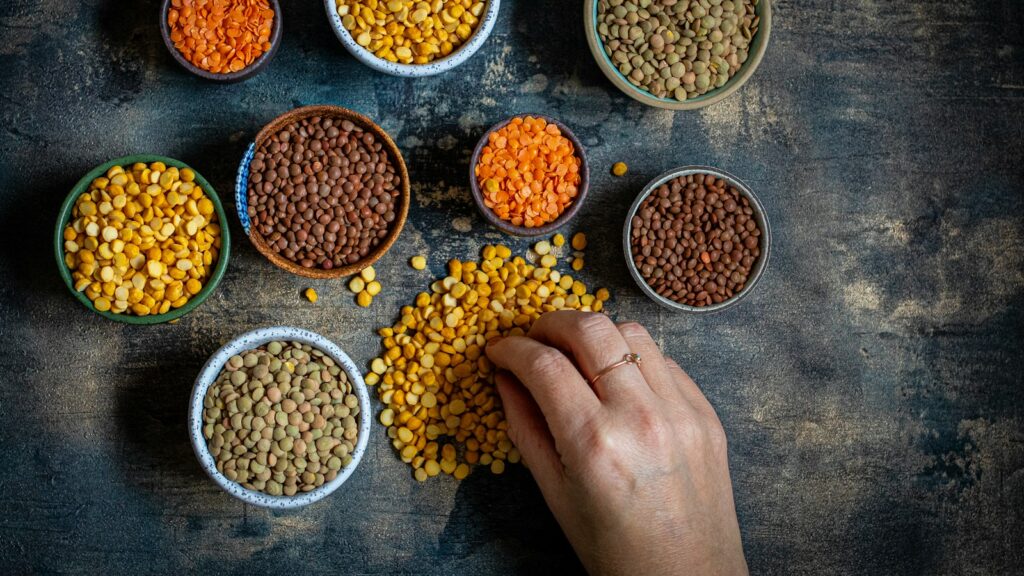
Looking for more iron does not have to turn dinner into a plate of foods you dislike. Iron-providing foods include meat, seafood, beans, lentils, tofu, and fortified cereals, with different amounts and different absorption patterns. The most useful choice is one you can eat regularly in a meaningful portion, alongside a varied diet.
Think beyond a single “best” iron food: several familiar ingredients, paired thoughtfully, can make the day’s meals easier to plan.
Iron-providing foods in realistic portions
Iron helps your body make the proteins that carry and use oxygen. Animal foods can provide heme iron, while plants and fortified foods provide nonheme iron; animal foods also contain some nonheme iron. Heme iron is generally absorbed more readily, so equal milligrams on paper do not guarantee equal amounts absorbed.
The following rounded examples come from the NIH Office of Dietary Supplements. They describe the stated food and portion, not every brand or preparation. In particular, the cereal entry applies to a product fortified to that level; many cereals contain much less.
| Food | Portion | Approximate iron |
|---|---|---|
| Iron-fortified cereal providing 100% Daily Value | One labeled serving | 18 mg |
| Cooked eastern oysters | 3 ounces / about 85 g | 8 mg |
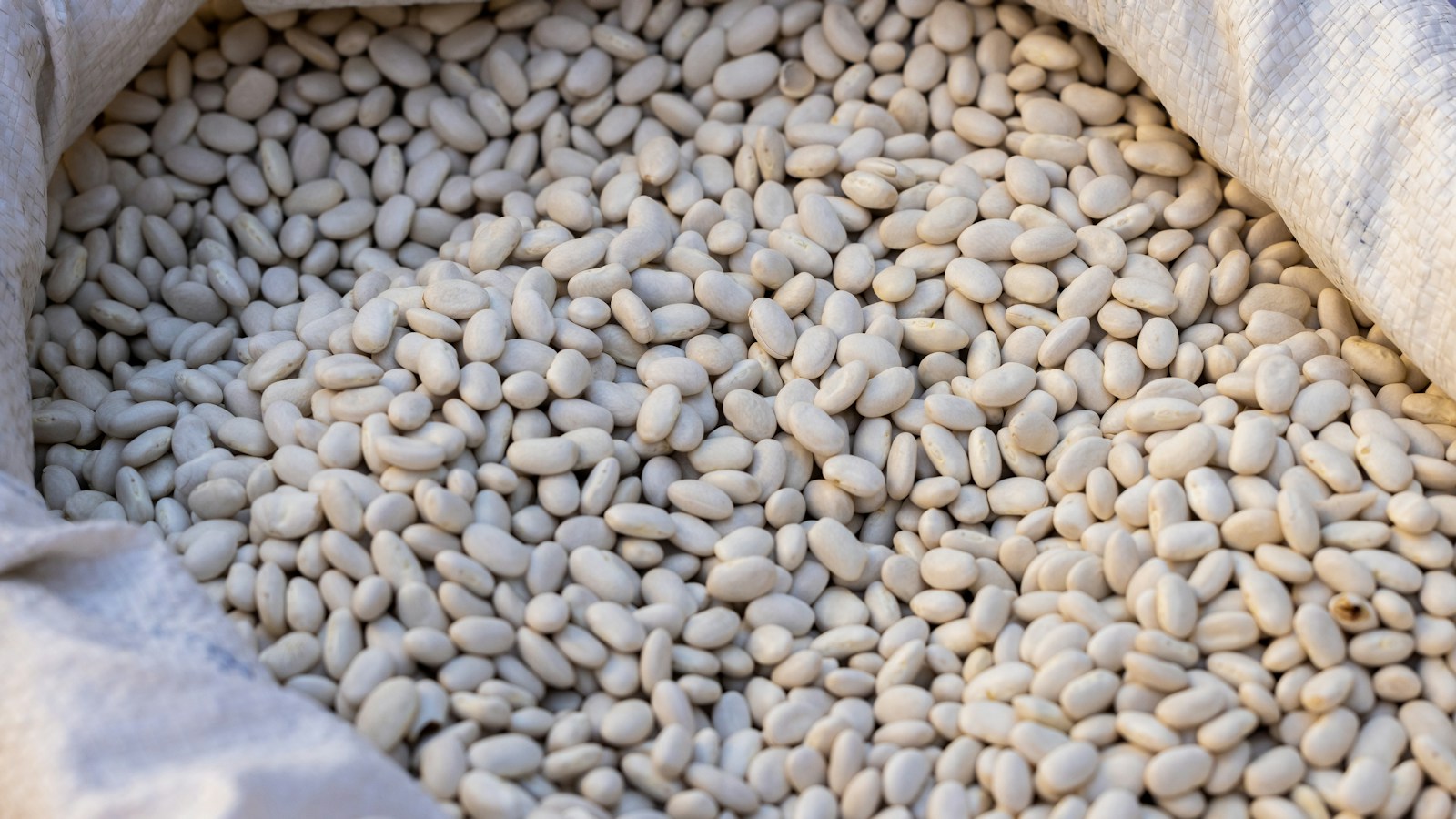
| Canned white beans | 1 cup | 8 mg |
| Cooked, drained lentils | 1/2 cup | 3 mg |
| Firm tofu | 1/2 cup | 3 mg |
| Cooked, drained spinach | 1/2 cup | 3 mg |
| Cooked, drained chickpeas | 1/2 cup | 2 mg |
| Braised bottom-round beef, trimmed | 3 ounces / about 85 g | 2 mg |
I’d use that table to find options, not to crown a winner. Half a cup of beans is a different portion from the full cup listed, and a garnish of spinach is not the same as half a cup cooked. When you choose a packaged staple, its current label is the best guide to that particular serving.
Add a vitamin C partner to plant foods
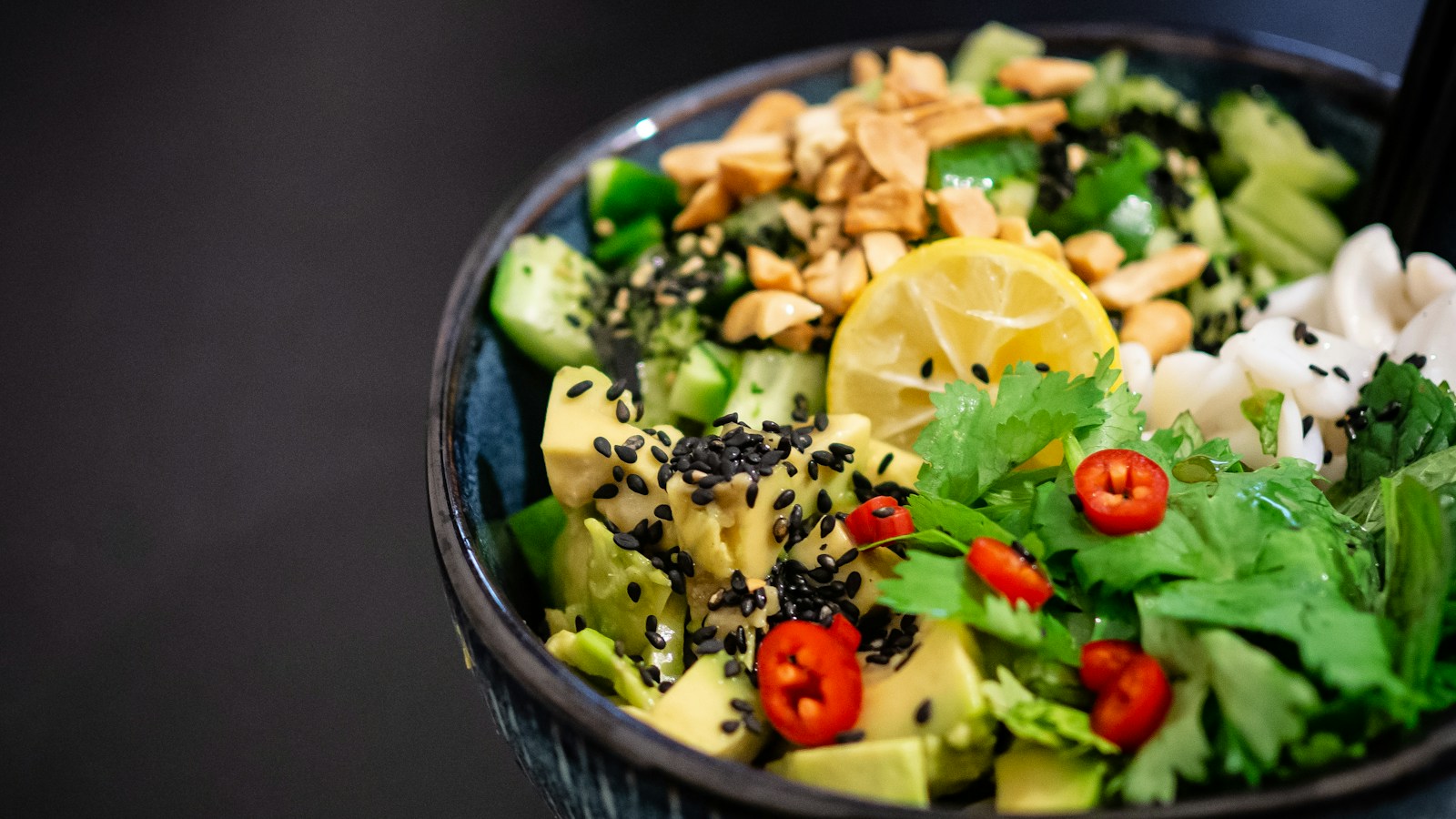
Vitamin C can improve nonheme iron absorption. That gives you an easy meal-planning step: combine an iron-containing plant food with fruit or vegetables that provide vitamin C. You do not need a complicated formula or a supplement to make a bowl of lentils work with bell peppers, tomatoes, or citrus.
- Lentil lunch: Add chopped bell pepper and a tomato-based dressing to cooked lentils.
- Tofu dinner: Serve tofu with broccoli or peppers and a grain you enjoy.
- Bean toast: Top mashed beans with tomatoes, then add fruit alongside if you like.
- Cereal breakfast: Choose a cereal with a useful iron amount and pair it with berries or an orange.
- Chickpea bowl: Combine chickpeas with crunchy vegetables and a lemon dressing.
The rest of the diet still matters. Certain food compounds can reduce nonheme absorption at a meal, but that does not mean beans or whole grains should be avoided; those foods bring valuable nutrients of their own. A clinician or dietitian can help with individualized meal and supplement timing when iron status is low.
My practical emphasis is variety, especially if you eat mostly plant foods. Rotate lentils, tofu, beans, and fortified staples instead of asking one vegetable to do everything. Tastiva’s guide to legumes can help you distinguish those pantry options and find forms that fit your cooking routine.
Build the shopping list around meals you repeat
Start with breakfast, lunch, and dinner you already make, then identify where an iron source could fit. If breakfast is usually toast and fruit, an iron-fortified cereal on some days may be an easier change than buying an unfamiliar organ meat. If soup is already in the rotation, lentils or beans have an obvious place to go.
| Existing meal | Possible iron source | What makes the change manageable |
|---|---|---|
| Vegetable soup | Lentils or canned beans | Use a familiar broth and vegetables |
| Rice bowl | Tofu, beans, or meat | Keep the sauce and side vegetables you enjoy |
| Quick lunch | Chickpeas or leftover cooked lentils | Assemble from refrigerated and pantry ingredients |
| Breakfast | A suitably fortified cereal | Check the label rather than relying on cereal color |
Keep the comparison practical: dry beans and cooked beans have different water contents, while drained canned foods should be compared in the form you will eat. This is also why an impressive amount per 100 grams of a dried ingredient may say little about a small sprinkle. Think about the portion that will actually arrive on your plate.
Liver supplies iron, but it is not necessary for an iron-containing diet and is unsuitable during pregnancy because of its vitamin A content. NHS guidance recommends avoiding liver and liver products while pregnant. If you enjoy liver outside pregnancy, the decision still belongs within your overall diet rather than a plan to use it as treatment.
Know when food changes need medical support
Iron needs vary with age, sex, pregnancy, and other circumstances. For example, U.S. recommendations are 8 milligrams daily for adult men, 18 milligrams for women ages 19–50, and 27 milligrams during pregnancy. Those reference amounts help with planning; they are not instructions for treating a diagnosed deficiency.
Ongoing fatigue, dizziness, breathlessness, or heavy menstrual bleeding deserves a conversation with a clinician, because symptoms cannot confirm iron deficiency by themselves. Blood loss and difficulty absorbing nutrients can contribute even when someone eats iron-containing foods. Testing and treatment should address the cause rather than assuming that a better shopping list will solve it.
Do not start high-dose iron on the basis of a food article. Supplements can cause side effects, interact with medicines, and be dangerous in excess, especially for children. Keep any prescribed treatment and follow-up plan in place while using meals to support the broader nutritional picture.
Sources
- NIH Office of Dietary Supplements: Iron forms and food amounts
- NHLBI: Iron-deficiency anemia, iron needs, and diagnosis
- NHS: Iron food sources and supplement precautions
- NHS: Liver and other foods to avoid during pregnancy
Hi, I’m Laura, the voice behind Tastiva. I’ve always believed that eating well should feel enjoyable, comforting, and realistic—not like another complicated rule to follow. I love creating recipes that fit into everyday life, sharing simple nutrition ideas, and finding small ways to make meals feel a little better without losing the pleasure of good food.