
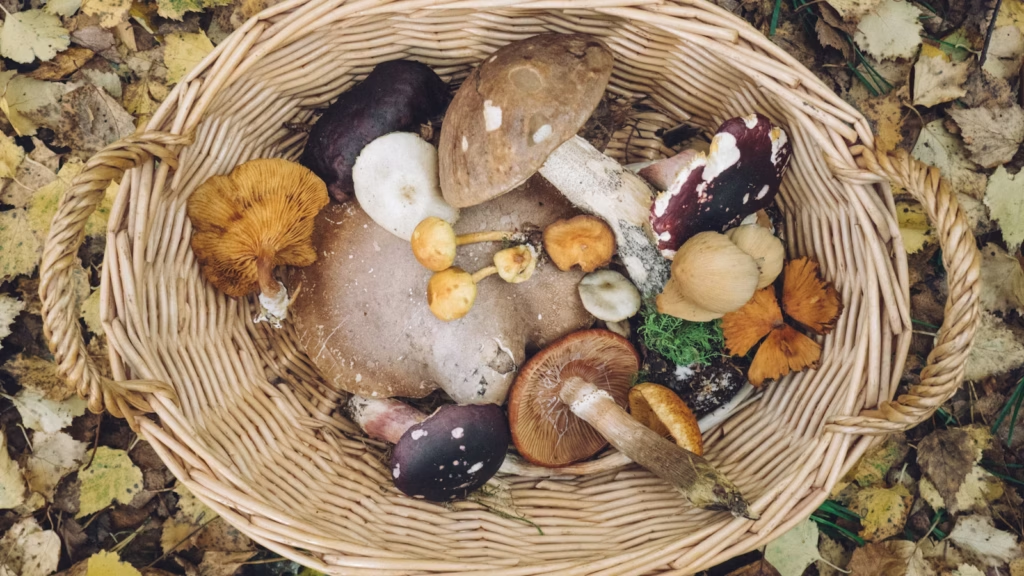
Can you freeze mushrooms? Yes, and the best-quality method is to cook them first. Steaming or sautéing slows the changes that dull flavor, color, and texture; freezing raw mushrooms is possible, but they usually thaw darker and softer.
Cook mushrooms briefly, cool them fast, and freeze them in portions you can use straight from the bag.
Table of Contents
Why mushrooms are better cooked before freezing
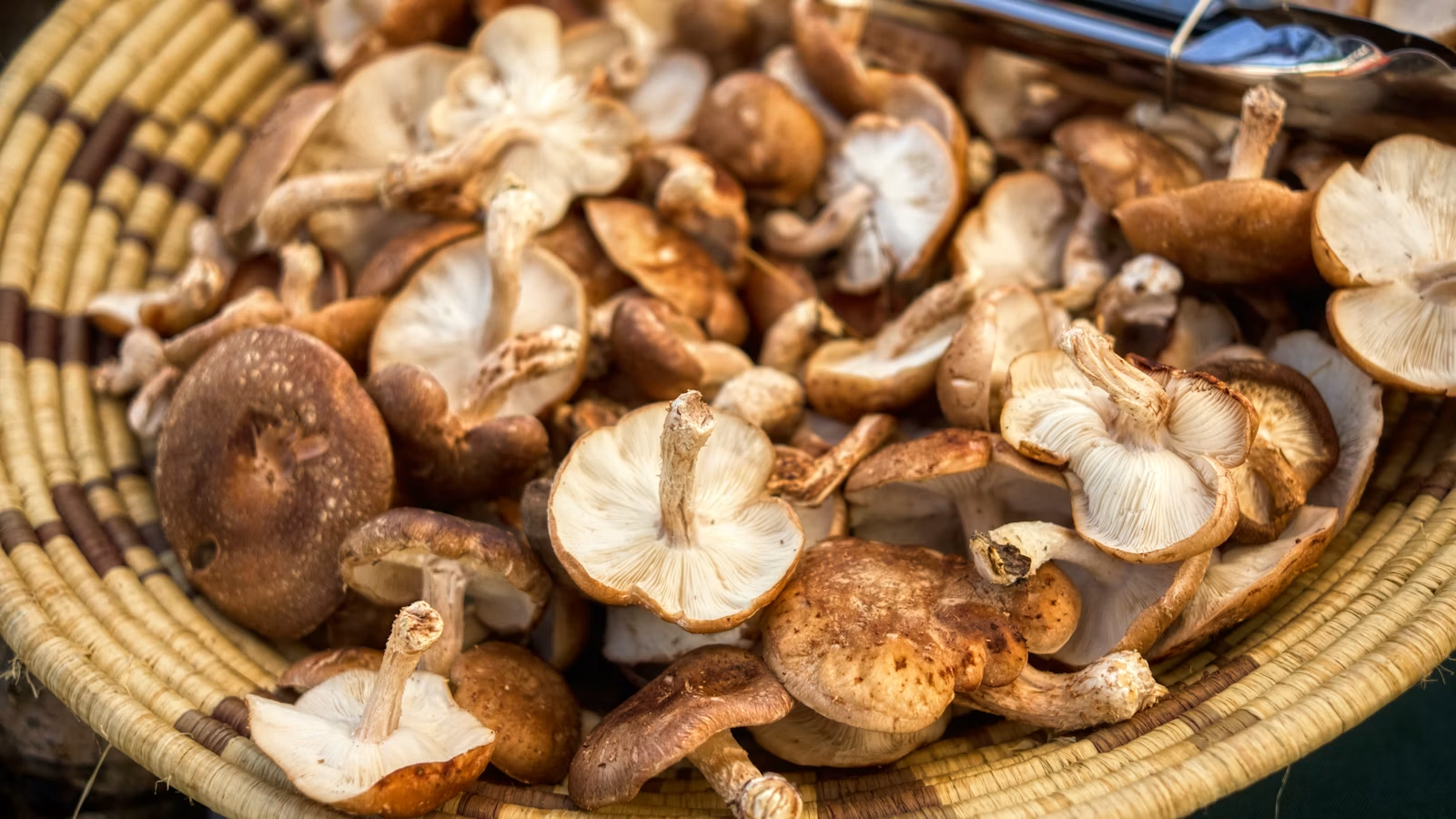
Fresh mushrooms contain a great deal of water. Ice crystals rupture their cells, so a raw mushroom that looked firm before freezing can release liquid and turn limp after thawing. A short heat treatment reduces that quality loss and makes the frozen pieces easier to add directly to cooked dishes.
The National Center for Home Food Preservation recommends steaming mushrooms before freezing. Whole mushrooms steam for five minutes, buttons or quarters for three and a half minutes, and slices for three minutes. Cool them promptly after heating.
How to prepare and freeze mushrooms
- Choose fresh, firm edible mushrooms and trim the stem ends. Brush off soil or rinse quickly, then dry.
- Leave small mushrooms whole or cut larger ones into even slices or quarters.
- Steam for the time that matches the cut, or sauté in a small amount of oil until almost cooked.
- Cool promptly, drain very well, and spread on a tray to freeze until firm.
- Transfer to airtight freezer containers or bags, press out excess air, label, and return to the freezer.
Tray-freezing keeps the pieces separate, which matters when you need only a handful for soup or pasta. For more help protecting frozen food from dry edges and off flavors, see Tastiva’s guide to preventing freezer burn.
Steam or sauté: choose by the future dish
Steaming keeps the flavor neutral and works well when the final destination is soup, sauce, or a casserole. Sautéing adds browned flavor and is convenient for pasta, omelets, and pan sauces. In either case, stop just before the mushrooms reach their final ideal texture because they will cook again later.
- Soup and stew: steam or sauté, then add from frozen.
- Pizza: sauté first so the mushrooms release moisture before freezing.
- Egg dishes: use sautéed pieces and reheat them thoroughly before adding eggs.
- Salad: frozen mushrooms are not a good match; use fresh for a firm raw texture.
How to use frozen mushrooms
Most frozen mushrooms can go straight into a hot pan, soup, or sauce. Thawing first encourages them to sit in released liquid and soften further. Use a wide pan and moderate-high heat when browning so moisture can evaporate rather than pool.
Freezing preserves safety when food is handled correctly, but it does not improve mushrooms that were already slimy, moldy, or spoiled. Freeze them while fresh, keep the freezer at 0°F (-18°C), and discard any batch with signs of spoilage before freezing.
Storage quality and practical portions
For best quality, use frozen mushrooms within several months and keep the package tightly sealed. Quality declines gradually through dehydration and oxidation even while the food remains frozen. Label the variety, preparation method, and date so mystery bags do not accumulate.
Freeze in the amount your usual meals need: one cup for soup, a smaller handful for an omelet, or a full pan’s worth for pasta. The boring label is the detail that saves dinner later.
Sources
- National Center for Home Food Preservation: Freezing Mushrooms
- National Center for Home Food Preservation: Blanching Vegetables

Hi, I’m Laura, the voice behind Tastiva. I’ve always believed that eating well should feel enjoyable, comforting, and realistic—not like another complicated rule to follow. I love creating recipes that fit into everyday life, sharing simple nutrition ideas, and finding small ways to make meals feel a little better without losing the pleasure of good food.