
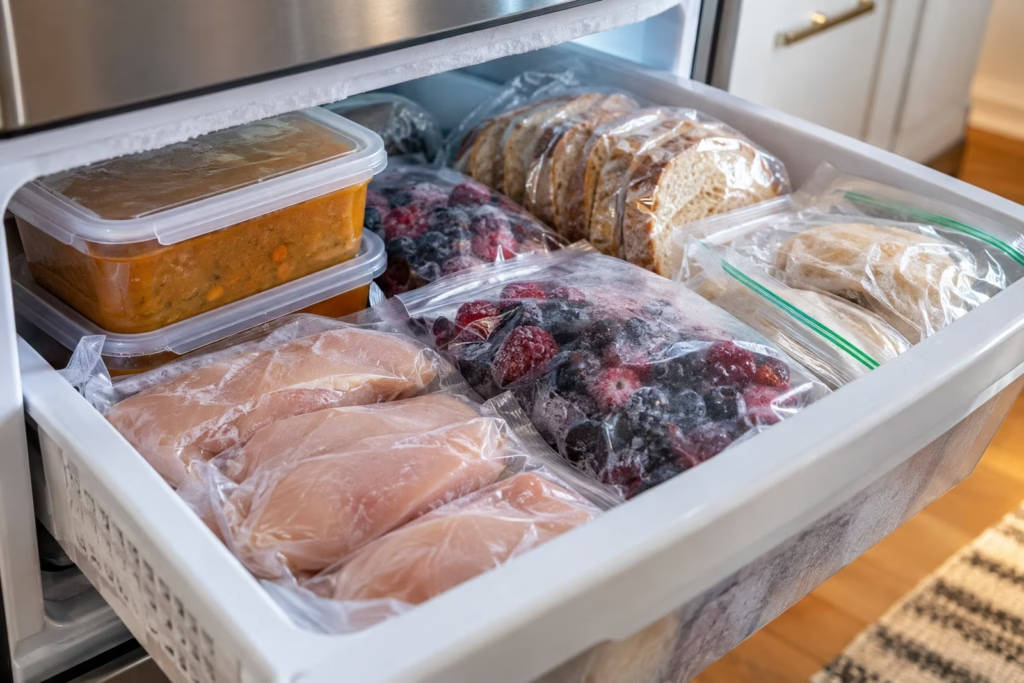
You tuck away good leftovers with the best intentions, then pull them out weeks later under a coat of ice crystals and dry, pale patches. To understand how to prevent freezer burn, remember one idea: protect frozen food from air and temperature swings. Tight packaging, small portions, and a steady freezer at 0°F (-18°C) do most of the work.
A freezer preserves food beautifully when we remove the air, wrap it snugly, and label it for the real life waiting on the other side.
What freezer burn is—and whether the food is safe
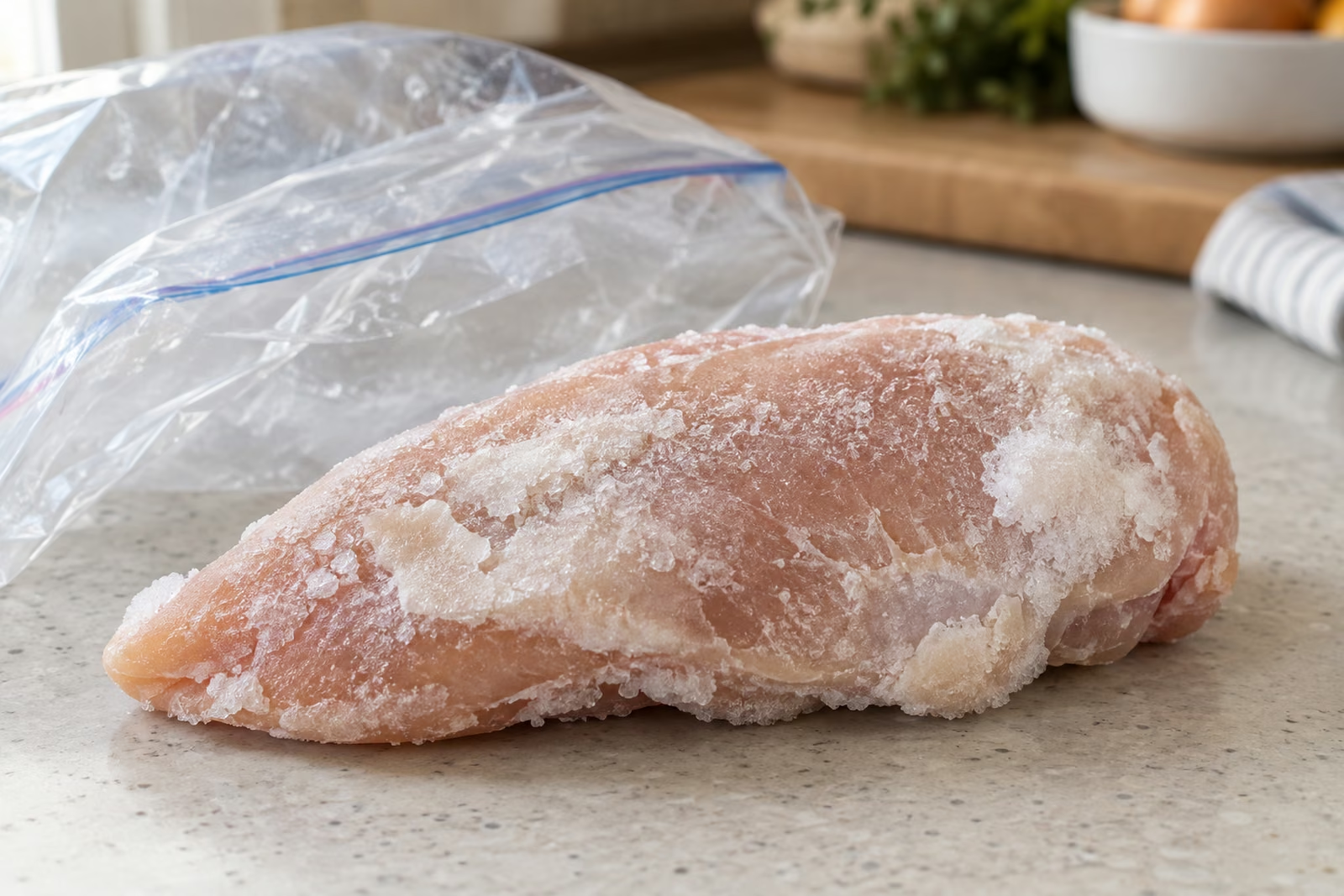
Freezer burn happens when moisture leaves the surface of frozen food. The exposed areas become dehydrated and oxidized, creating dry texture, dull or pale color, and changes in flavor. Air inside loose packaging gives that moisture somewhere to travel, while temperature fluctuations encourage ice crystals to grow.
It is primarily a quality problem, not a sign that food has suddenly become unsafe. The U.S. Department of Agriculture says food kept continuously frozen at 0°F is safe indefinitely, although quality declines over time. If only a small area is freezer-burned, you can trim it away before or after cooking.
Safety still depends on what happened before freezing and during thawing. Freezing does not destroy every harmful microorganism, and food left too long at unsafe temperatures should not be rescued by putting it in the freezer.
Choose packaging that blocks air and moisture
Thin store wrap is useful for bringing meat home, but it is not ideal protection for a long stay in the freezer. For longer storage, overwrap the package with heavy-duty foil, freezer paper, or a freezer-safe bag. Rigid freezer containers work well for soups, sauces, and foods that could be crushed.
Match the container to the portion. A huge container with a little food leaves a large pocket of air. In freezer bags, press out as much air as possible before sealing without crushing the food. A vacuum sealer is helpful but not required; careful wrapping and a straw-free hand press can work very well.
- Use bags and containers labeled for freezer use.
- Wrap irregular foods closely before adding an outer bag or layer.
- Leave appropriate expansion space for liquids, but avoid unnecessary empty space.
- Check seals and container lids for gaps, cracks, or food caught in the edge.
Freeze food quickly in practical portions
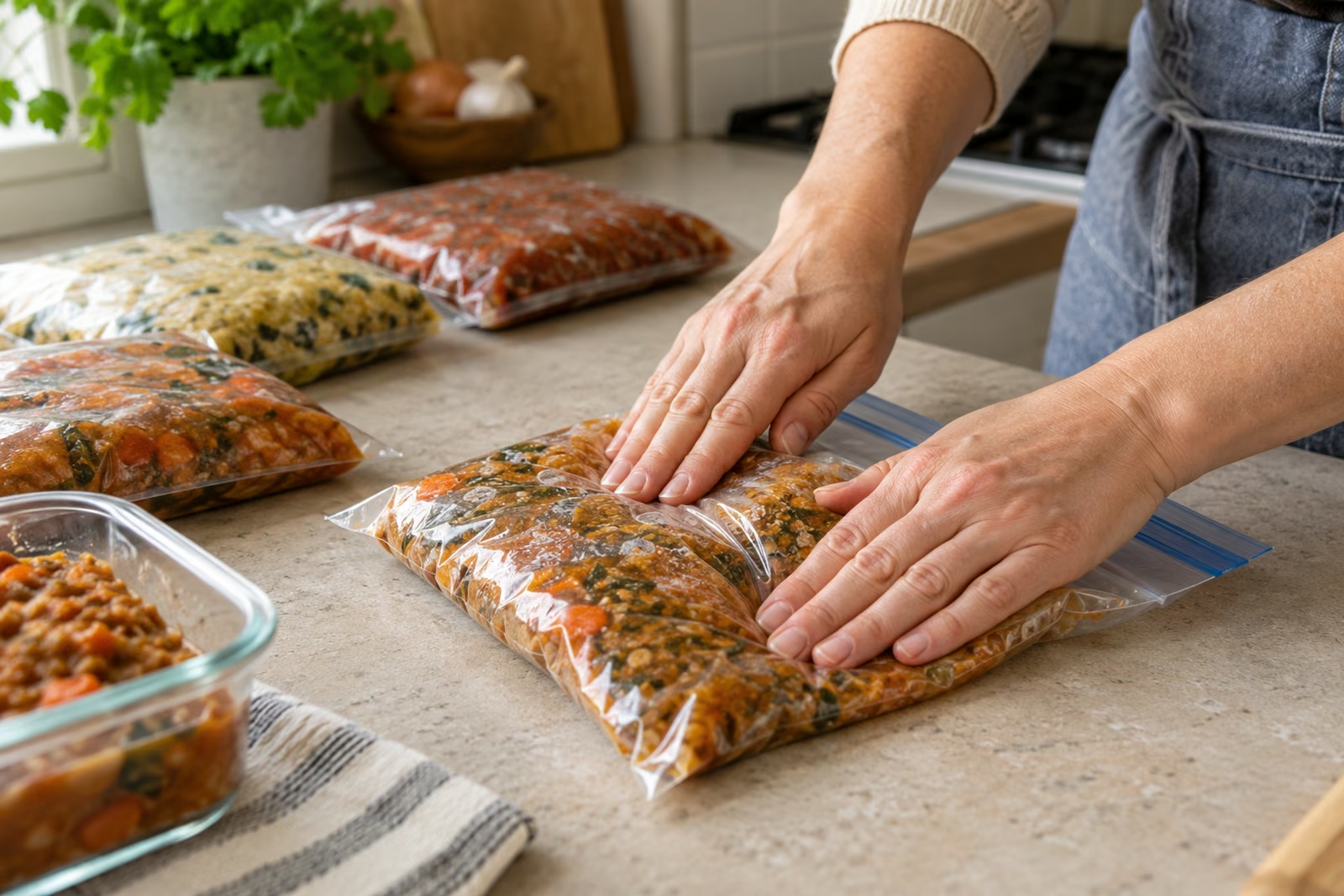
Smaller, flatter portions freeze faster than one deep block. Divide soup, cooked grains, meat, or leftovers into amounts you will actually use, then spread bagged foods flat until frozen. Once firm, the packets can be stacked like files, which saves space and makes thawing easier.
Cool cooked food promptly and refrigerate or freeze it within two hours—one hour when the air temperature is above 90°F. Do not leave a large hot pot on the counter to cool slowly. Shallow containers help food cool safely before or during prompt refrigeration, and they reduce the work your freezer has to do.
Avoid crowding the freezer with a large amount of unfrozen food all at once. Leave room for cold air to circulate until items are solid, then organize them more tightly. Keeping the freezer reasonably full can help temperature stability, but vents should remain clear.
Keep the freezer steady and use what you store
Set the freezer to 0°F (-18°C) and use an inexpensive appliance thermometer to verify it. Limit long door openings, make sure the door gasket seals, and avoid storing frequently used items in a way that keeps the door open while you search. Repeated softening and refreezing can damage texture even when food remains safe.
- Label clearly: write the food name, amount, and freeze date.
- Rotate: place newer packages behind older ones.
- Follow quality timelines: use the FoodSafety.gov cold-storage chart rather than guessing.
- Keep an inventory: a short freezer list prevents forgotten food and duplicate purchases.
If you spot freezer burn, decide by quality. Trim a small dry patch, use affected vegetables in soup, or discard food whose flavor and texture are no longer worth saving. For more practical kitchen guidance, browse Tastiva’s Healthy Eating section.
The best system is the one you can repeat on a busy night: portion, remove air, seal, label, and freeze promptly. Five calm minutes now can protect both dinner and the grocery budget later.
Sources
- USDA Food Safety and Inspection Service: Freezing and Food Safety
- FoodSafety.gov: Cold Food Storage Charts
- USDA Food Safety and Inspection Service: Leftovers and Food Safety
Hi, I’m Laura, the voice behind Tastiva. I’ve always believed that eating well should feel enjoyable, comforting, and realistic—not like another complicated rule to follow. I love creating recipes that fit into everyday life, sharing simple nutrition ideas, and finding small ways to make meals feel a little better without losing the pleasure of good food.
Tastiva is where I share what I’d genuinely cook, serve, and talk about with a friend over coffee. My goal is to help you feel more confident in the kitchen, make healthier choices without overthinking them, and enjoy food that feels both nourishing and satisfying.