
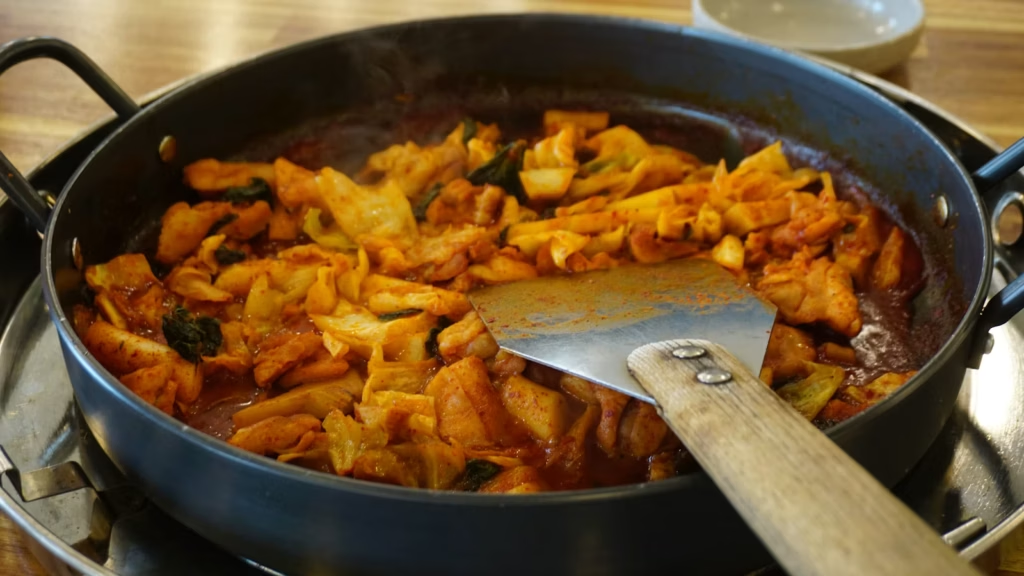
A spoonful of gochujang can look like ordinary red chile paste, but its flavor is doing several jobs at once. It is spicy, lightly sweet, salty, and savory, with fermentation giving it a depth that a plain hot sauce does not have.
Treat gochujang as a concentrated seasoning paste, then loosen and balance it for the dish.
Table of Contents
What gochujang is
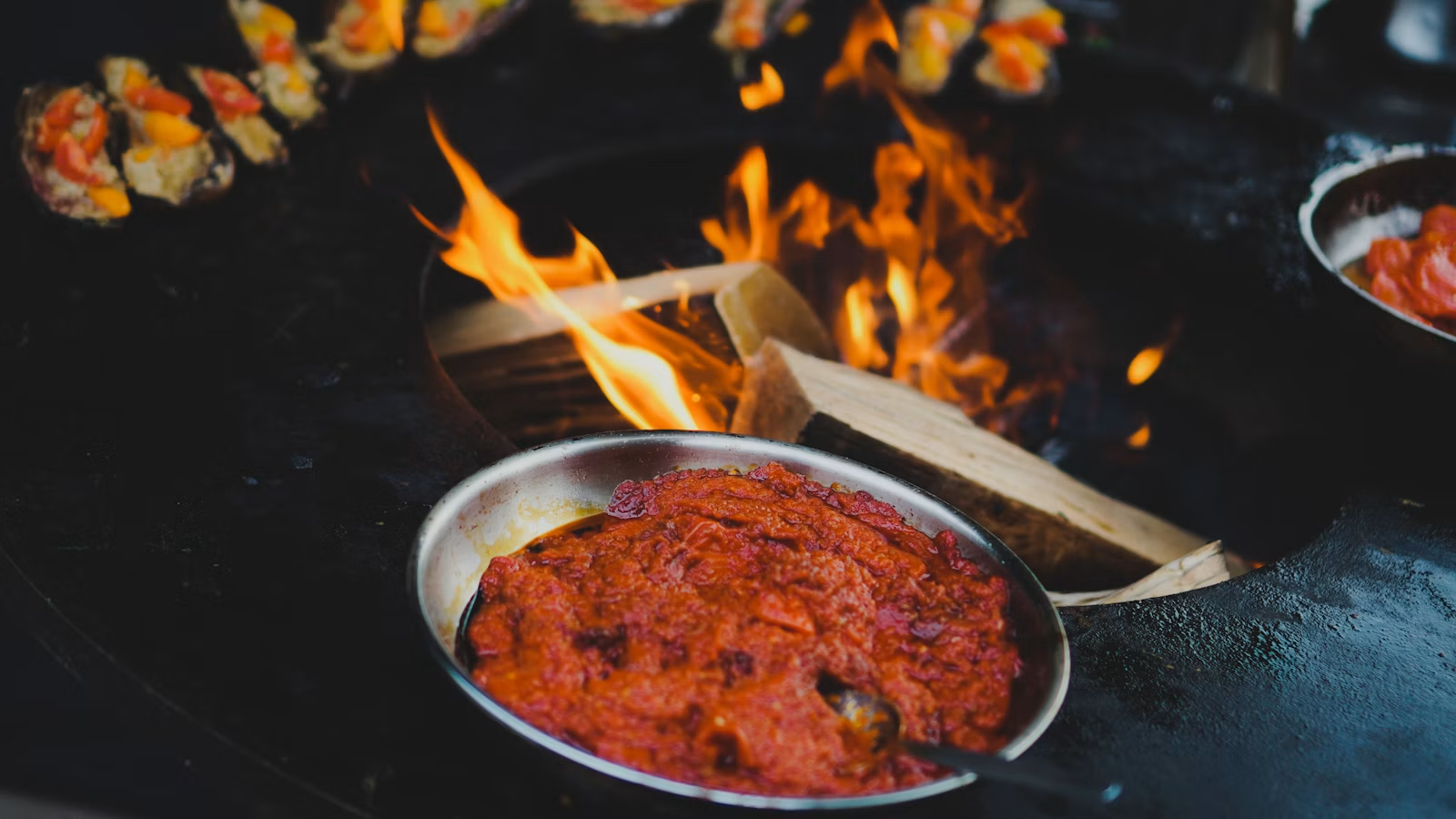
Gochujang is a Korean fermented seasoning traditionally made from red pepper powder, a grain component such as glutinous rice, fermented soybean powder, and salt. Commercial formulas vary, so one tub can be sweeter, hotter, or saltier than another.
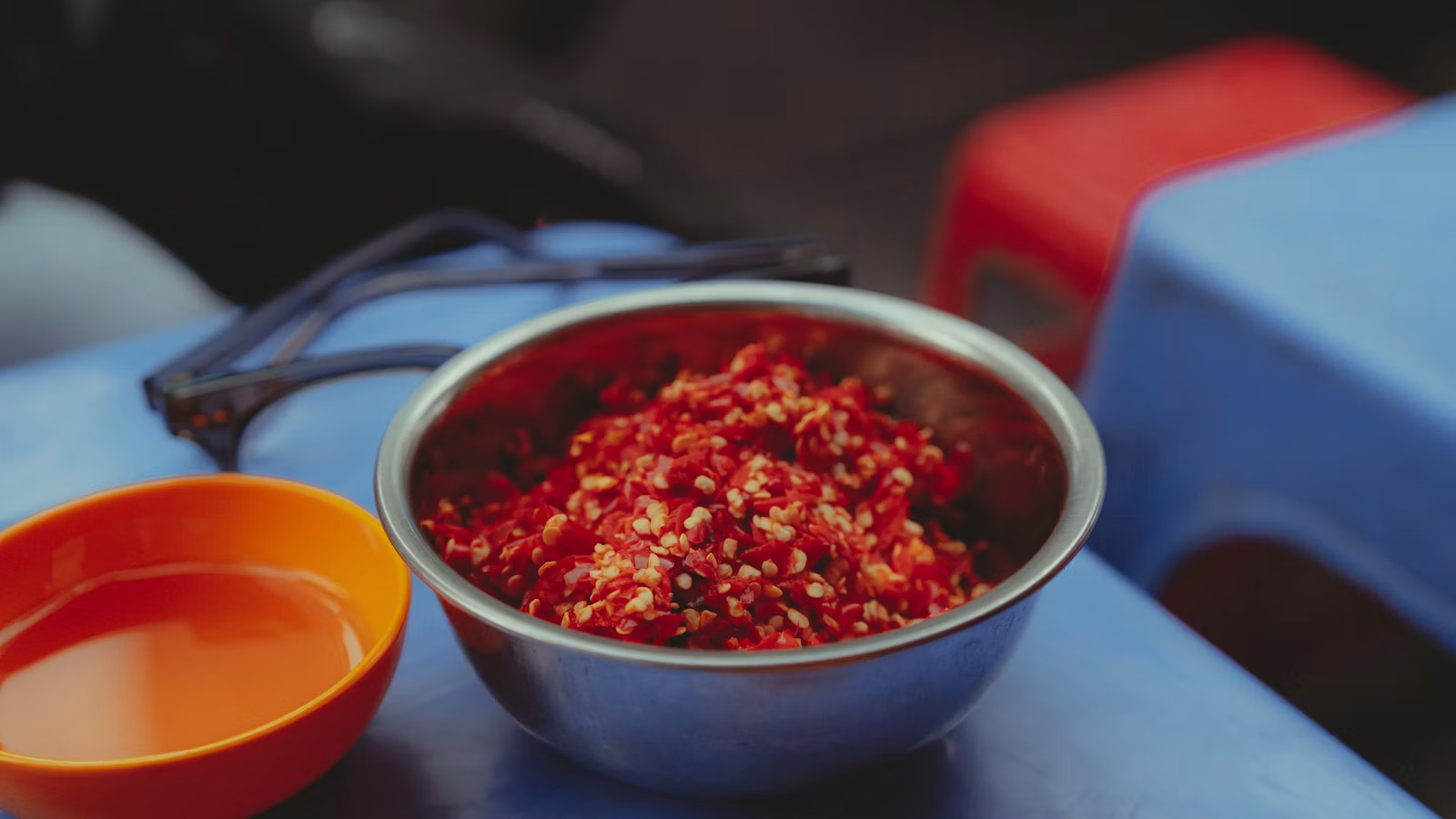
It is not the same as gochugaru. Gochugaru is dried Korean red pepper in flakes or powder, while gochujang is a moist, fermented paste. They may appear in the same recipe, but they contribute different texture and flavor.
How it tastes and how much to use
On its own, gochujang is dense and assertive. In sauces, it is often mixed with water, stock, vinegar, soy sauce, sesame oil, garlic, or a sweetener. Start with one teaspoon in a serving of soup or dressing, then taste; heat levels and salt vary widely by brand.
- For glaze: thin it with rice vinegar and a little sweetener.
- For soup or stew: dissolve it in hot broth before adding the mixture to the pot.
- For a marinade: combine it with soy sauce, garlic, and enough liquid to coat evenly.
- For a dipping sauce: balance the paste with acid and a touch of sesame oil.
Because it already brings salt and sweetness, taste before adding the full amount of either elsewhere. The useful habit is to build the sauce around the paste rather than treating it like a final squirt of hot sauce.
Everyday ways to use gochujang
Gochujang belongs in dishes such as bibimbap sauces, tteokbokki, stews, marinades, and glazes. Outside those traditional contexts, it can also season roasted vegetables, noodles, beans, or mayonnaise. Name the adaptation honestly and do not flatten Korean food into a generic “spicy” label.
For a quick weeknight sauce, whisk one tablespoon gochujang with one tablespoon rice vinegar, one teaspoon soy sauce, one teaspoon toasted sesame oil, and enough water to make it pourable. That is a flexible sauce, not a replacement for a traditional dish.
Buying, dietary checks, and storage
Look at the ingredient list, heat indicator, and sodium per serving. Some brands include wheat, corn syrup, or animal-derived flavorings, so verify the label if you need gluten-free or vegan food. Fermented does not automatically mean a product contains live probiotic cultures at the time you eat it.
After opening, seal the tub well and refrigerate it according to the package directions. The surface can darken as it is exposed to air. Use a clean utensil each time, and discard the paste if you see mold or notice an off odor that is different from its usual fermented aroma.
What to use when you do not have it
There is no exact one-ingredient substitute. A closer rebuild combines fermented soybean paste such as doenjang or mild miso with gochugaru and a little sweetener. Sriracha supplies chile heat and acid but lacks the same soybean depth and thick body, so use it only when gochujang is a small background note.
If the recipe depends on gochujang for most of its identity, I would choose another dish rather than force a pantry swap. Substitution is most successful in a larger marinade or sauce where other ingredients can restore balance.
Sources
- Maangchi: Gochujang Ingredient Guide
- Korean Bapsang: How to Make Gochujang
- Codex Alimentarius: Regional Standard for Gochujang

Hi, I’m Laura, the voice behind Tastiva. I’ve always believed that eating well should feel enjoyable, comforting, and realistic—not like another complicated rule to follow. I love creating recipes that fit into everyday life, sharing simple nutrition ideas, and finding small ways to make meals feel a little better without losing the pleasure of good food.