
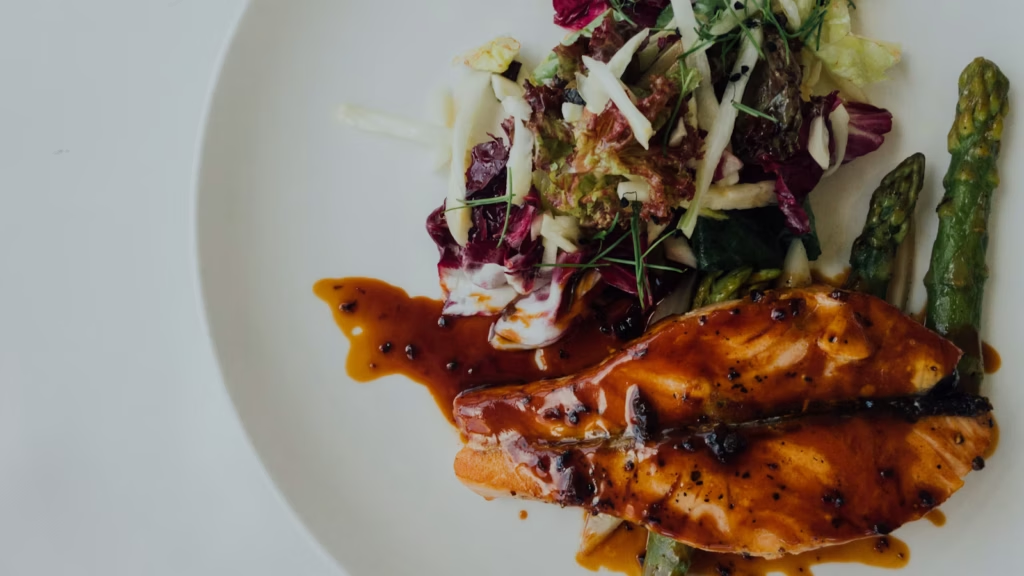
Candied salmon should earn its name: glossy at the edges, deeply sweet-savory, and still unmistakably salmon. My oven version uses maple, soy, Dijon, ginger, and a brief blast under the broiler to create that lacquered finish without turning a weeknight dinner into an all-day smoking project.
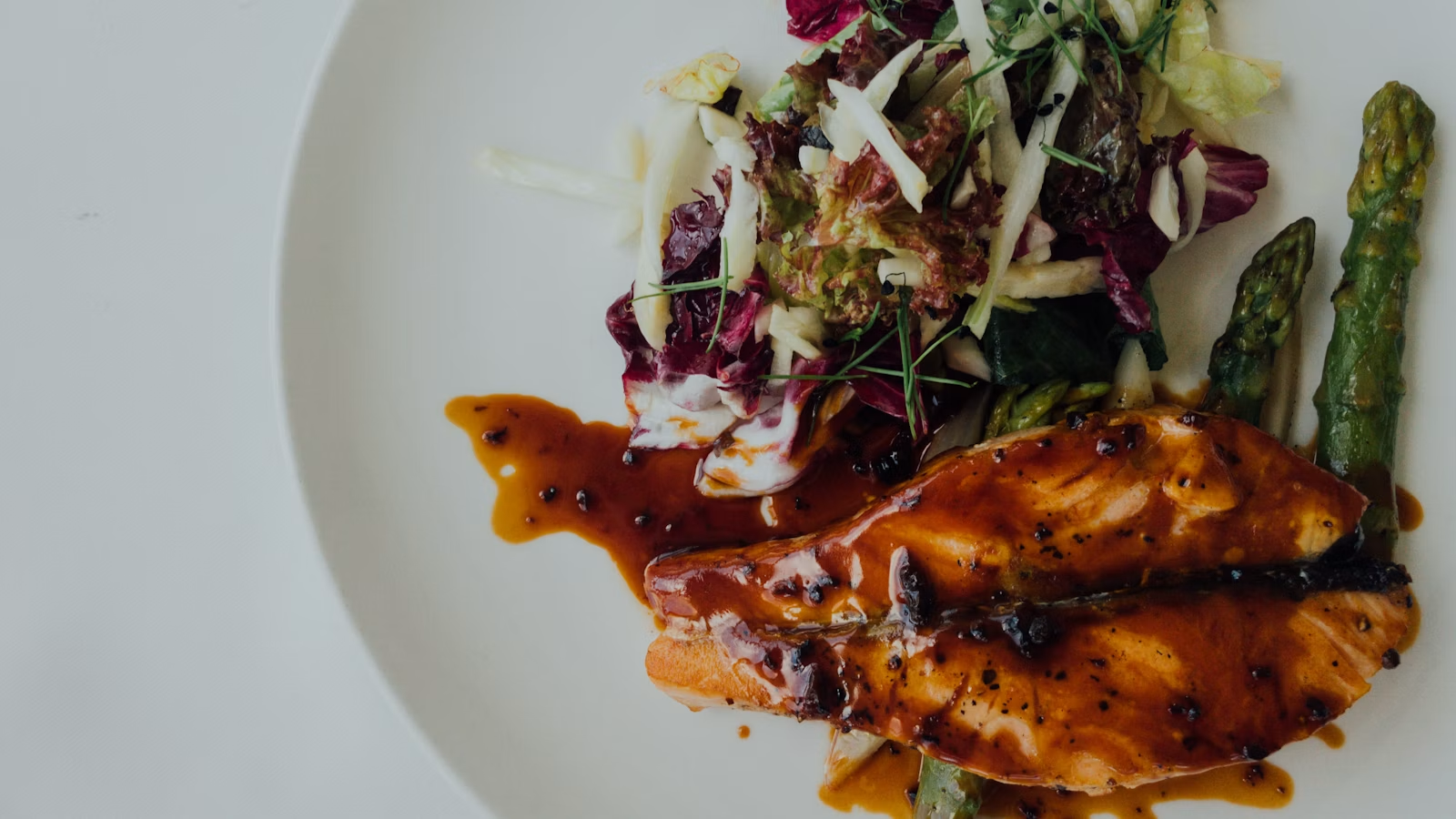
“I want candied salmon to have sticky, caramelized edges—not a sugary coat that hides the fish.”
Candied salmon versus traditional salmon candy
Traditional salmon candy is usually cured with salt and sugar, then hot-smoked and repeatedly glazed. The result can be firm, smoky, and almost jerky-like. It is wonderful, but it asks for a smoker and several hours. This recipe is a faster baked interpretation: tender salmon bites with a concentrated glaze and crisp-dark edges.
That distinction matters because the two versions should not promise the same texture. If you arrived looking for a preservation-style smoked fish, this is not it. If you want a practical dinner with the maple-soy personality of candied salmon, you are in exactly the right place.
Choose a center-cut fillet when possible. Its even thickness makes timing far easier than a skinny tail piece, especially after cutting the fish into chunks. Skin-on salmon is fine if you enjoy crisp skin, but for candy-style bites I remove it so every side can pick up glaze. Wild salmon is often leaner and may finish a little sooner than farmed salmon, so begin checking early rather than relying only on the clock.
Why the maple-soy glaze works
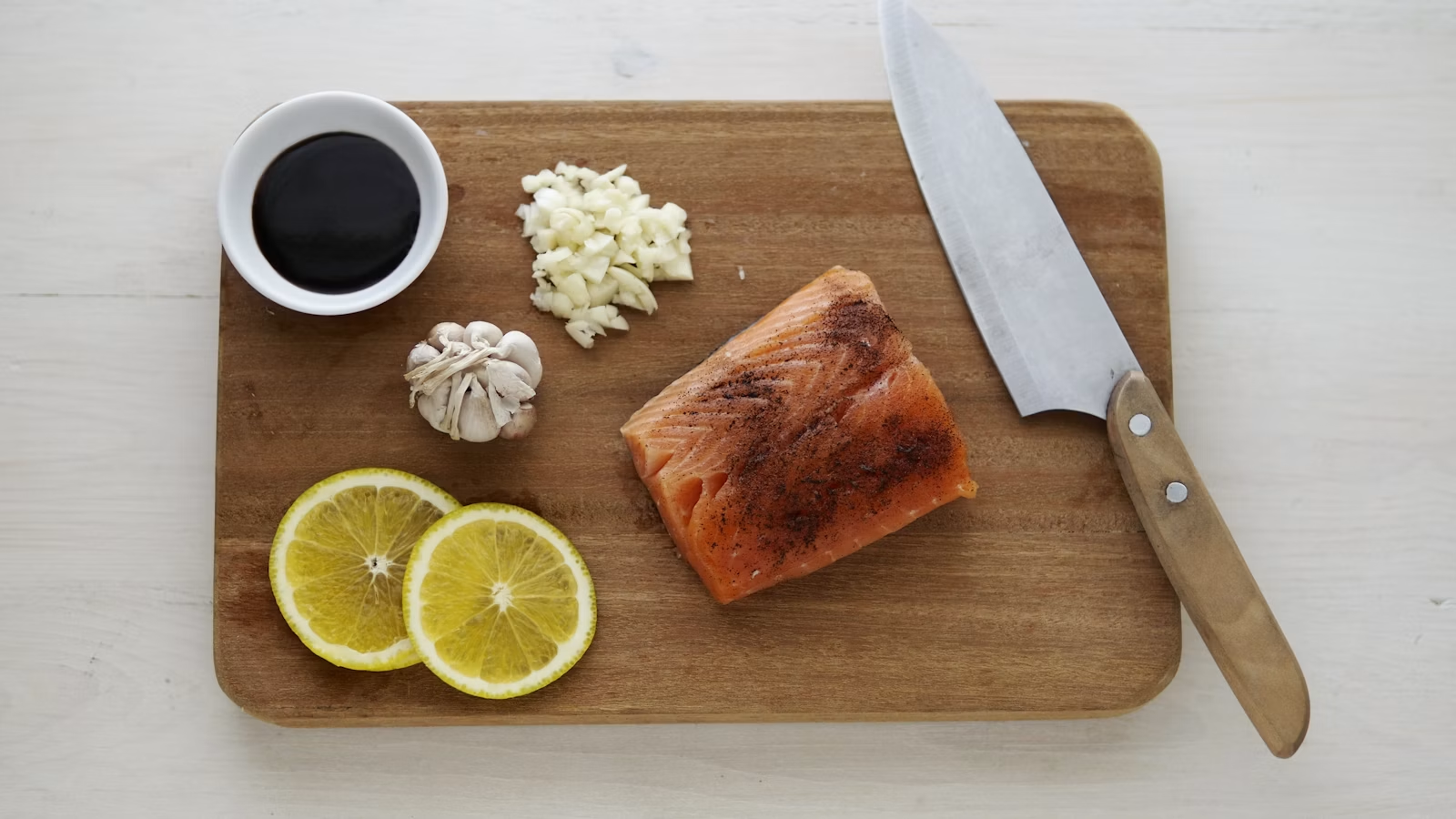
Maple syrup supplies more than sweetness; it reduces into a glossy film. Brown sugar reinforces the caramelized edges, while low-sodium soy sauce gives enough salt and savory depth to stop the glaze from tasting like dessert. Dijon adds tang and helps the mixture cling. Ginger, garlic, and toasted sesame oil make the finish fragrant rather than simply sugary.
I simmer the glaze briefly before it touches the fish. That starts the thickening process and removes some water, so the oven can focus on cooking the salmon rather than slowly drying a thin sauce. Reserve half in a clean bowl first. The portion that contacts raw fish should never become your finishing glaze.
How to get sticky edges without burning them
Cut the salmon into pieces of similar thickness and pat them very dry. Moisture on the surface dilutes the glaze and encourages steaming. Give the pieces room on the pan, too; crowding traps vapor exactly where you want browning.
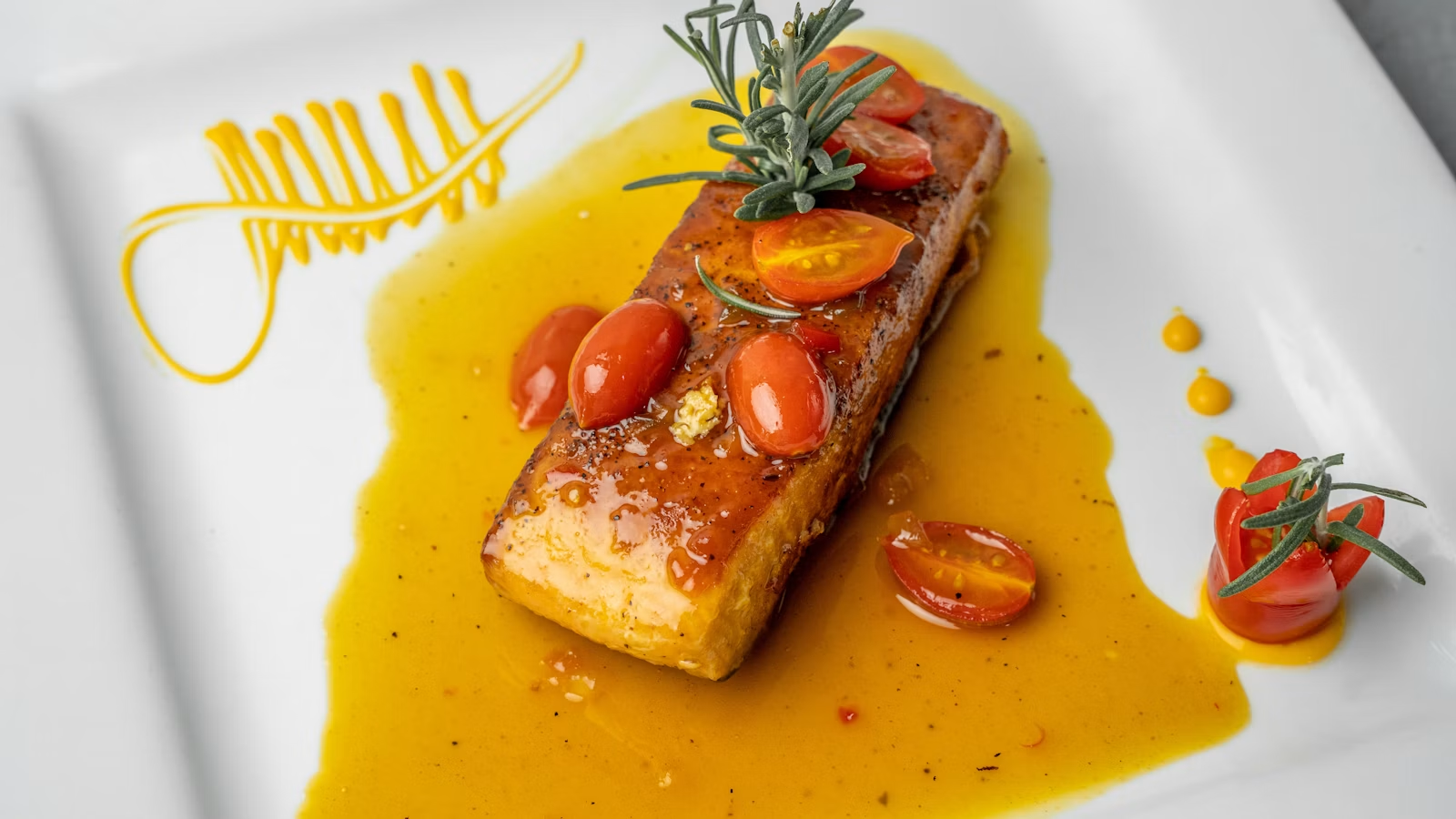
Bake first, glaze again, then broil only at the end. Maple and brown sugar can cross from caramelized to bitter quickly, so stay near the oven during that final minute or two. I would rather pull the pan when the edges are bubbling than chase a darker color and lose the silky center.
Use an instant-read thermometer in the thickest piece. USDA lists 145°F (62.8°C) as the safe minimum internal temperature for fish. Because bite-size pieces cook at slightly different rates, check more than one if their shapes vary.
Candied salmon recipe
The recipe makes four dinner portions in about 42 minutes, including a short rest in the glaze. Line the pan for easier cleanup, but keep the salmon in a single layer so hot air can reach the sides.
Candied Salmon Recipe

Ingredients
- 1 1/2 pounds skinless salmon fillet cut into 2-inch pieces
- 1/3 cup pure maple syrup
- 3 tablespoons low-sodium soy sauce or gluten-free tamari
- 1 tablespoon light brown sugar packed
- 1 tablespoon Dijon mustard
- 2 cloves garlic finely grated
- 1 teaspoon fresh ginger finely grated
- 1 teaspoon toasted sesame oil
- 1/4 teaspoon black pepper
- 2 scallions thinly sliced, optional
Equipment
- 1 Rimmed baking sheet lined with parchment or foil
- 1 small saucepan
- 1 Instant-read thermometer
Instructions
- Heat the maple syrup, soy sauce, brown sugar, Dijon, garlic, ginger, sesame oil, and pepper in a small saucepan over medium heat. Simmer for 3 to 4 minutes, stirring, until lightly syrupy. Cool for 5 minutes.
- Set aside half the glaze in a clean bowl for brushing later. Pat the salmon pieces dry, toss with the remaining glaze, and rest for 15 minutes while the oven heats to 425°F.
- Arrange the salmon pieces on the lined sheet with space between them. Bake for 7 to 9 minutes, depending on thickness.
- Brush with the clean reserved glaze. Broil for 1 to 2 minutes, watching constantly, until the edges bubble and caramelize. Cook fish to 145°F at the thickest part.
- Rest for 3 minutes, brush lightly with any remaining clean glaze, and scatter with scallions. Serve warm.
Nutrition
Video
Notes
- This is a quick oven-baked interpretation. Traditional salmon candy is usually cured, hot-smoked, and often chewier.
- Reserve clean glaze before it touches raw fish; do not use raw-fish marinade as a finishing sauce.
- USDA lists 145°F (62.8°C) as the safe minimum internal temperature for fish.
- Nutrition is estimated using all of the glaze.
Tried this recipe?
Let us know how it turned out!Serving, storing, and reheating
Serve the salmon with steamed rice, roasted broccoli, cucumber salad, or a sharp cabbage slaw. The sweetness likes something fresh and acidic beside it. For an appetizer, use smaller pieces and offer toothpicks, but shorten the oven time and start checking early.
Refrigerate leftovers promptly in a covered container and use them within three to four days. Reheat gently in a 300°F oven just until hot, or eat the pieces cold over greens. High heat a second time can make the salmon chalky and scorch the glaze.
You can also make the glaze two days ahead and refrigerate it separately. Warm it until pourable before using. I do not recommend freezing the finished bites: they remain safe when handled properly, but the glaze loses shine and the salmon texture becomes softer after thawing.
Sources
- USDA FSIS: Safe Minimum Internal Temperature Chart — fish and shellfish cooking guidance.
- Growing Chefs! Ontario: Maple Candied Salmon — an example of repeatedly glazing hot-smoked salmon.
- Inspired Taste: Maple Soy Glazed Salmon — a baked maple-soy glaze reference.
Hi, I’m Laura, the voice behind Tastiva. I’ve always believed that eating well should feel enjoyable, comforting, and realistic—not like another complicated rule to follow. I love creating recipes that fit into everyday life, sharing simple nutrition ideas, and finding small ways to make meals feel a little better without losing the pleasure of good food.