
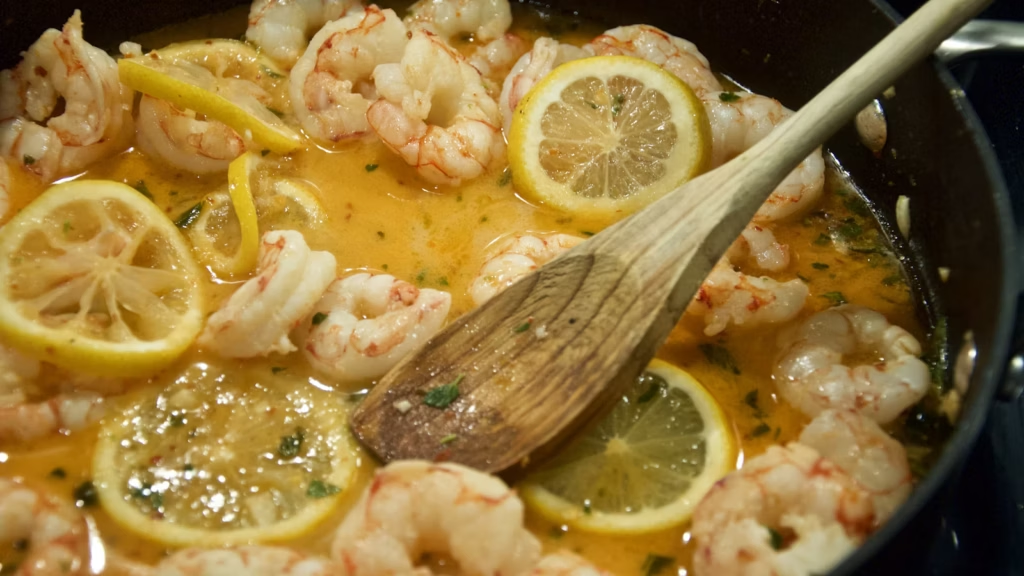
Scampi in an American kitchen usually means shrimp cooked quickly in garlic, butter, olive oil, white wine, and lemon. The best version is bright and glossy rather than heavy: sear the shrimp briefly, remove them, reduce the wine, and whisk cold butter into the sauce before returning the shrimp just long enough to finish.
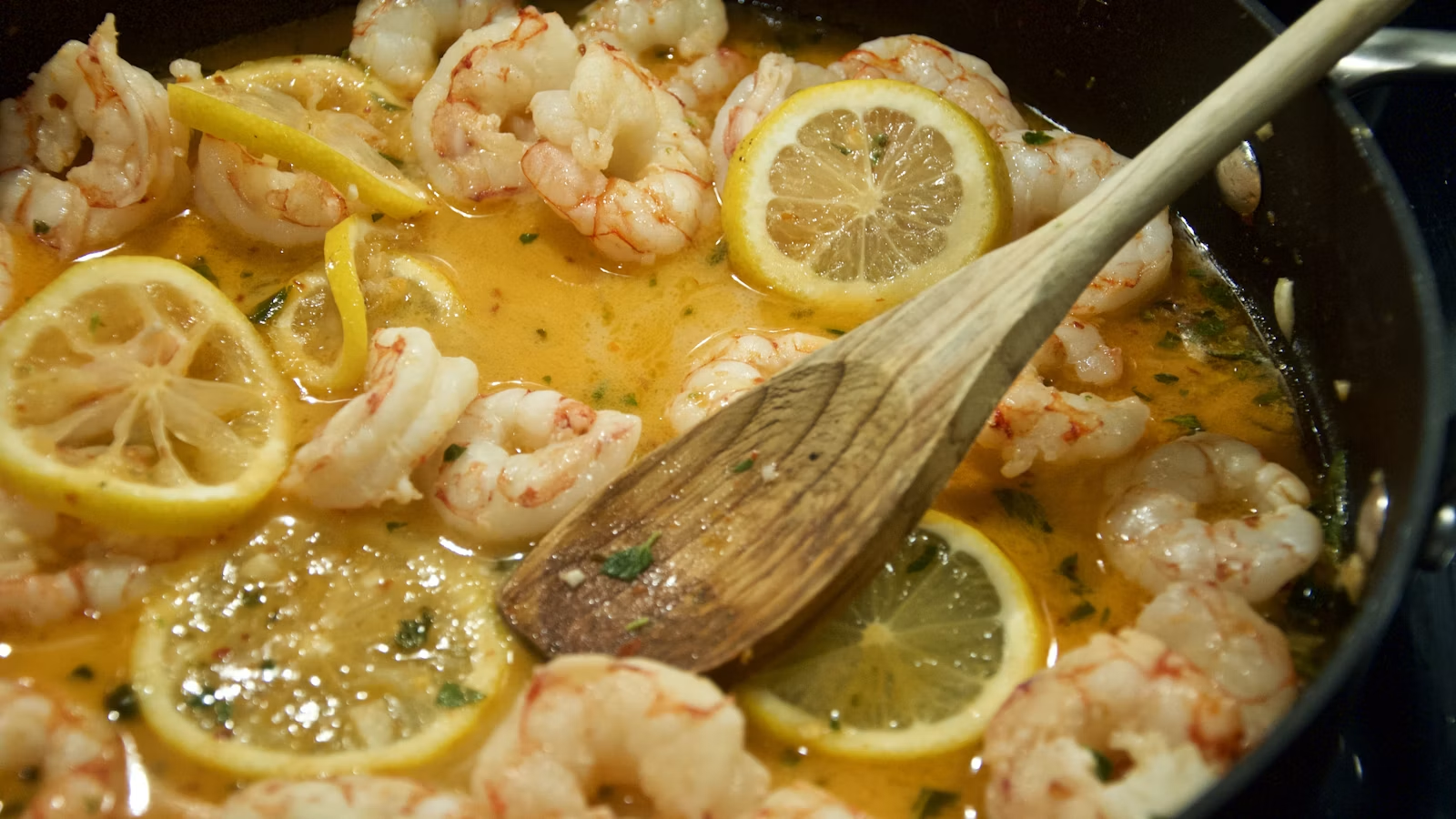
Scampi moves fast, so the calmest cook is the one who has the garlic sliced, lemon juiced, and table nearly ready.
What scampi means—and why shrimp took the name
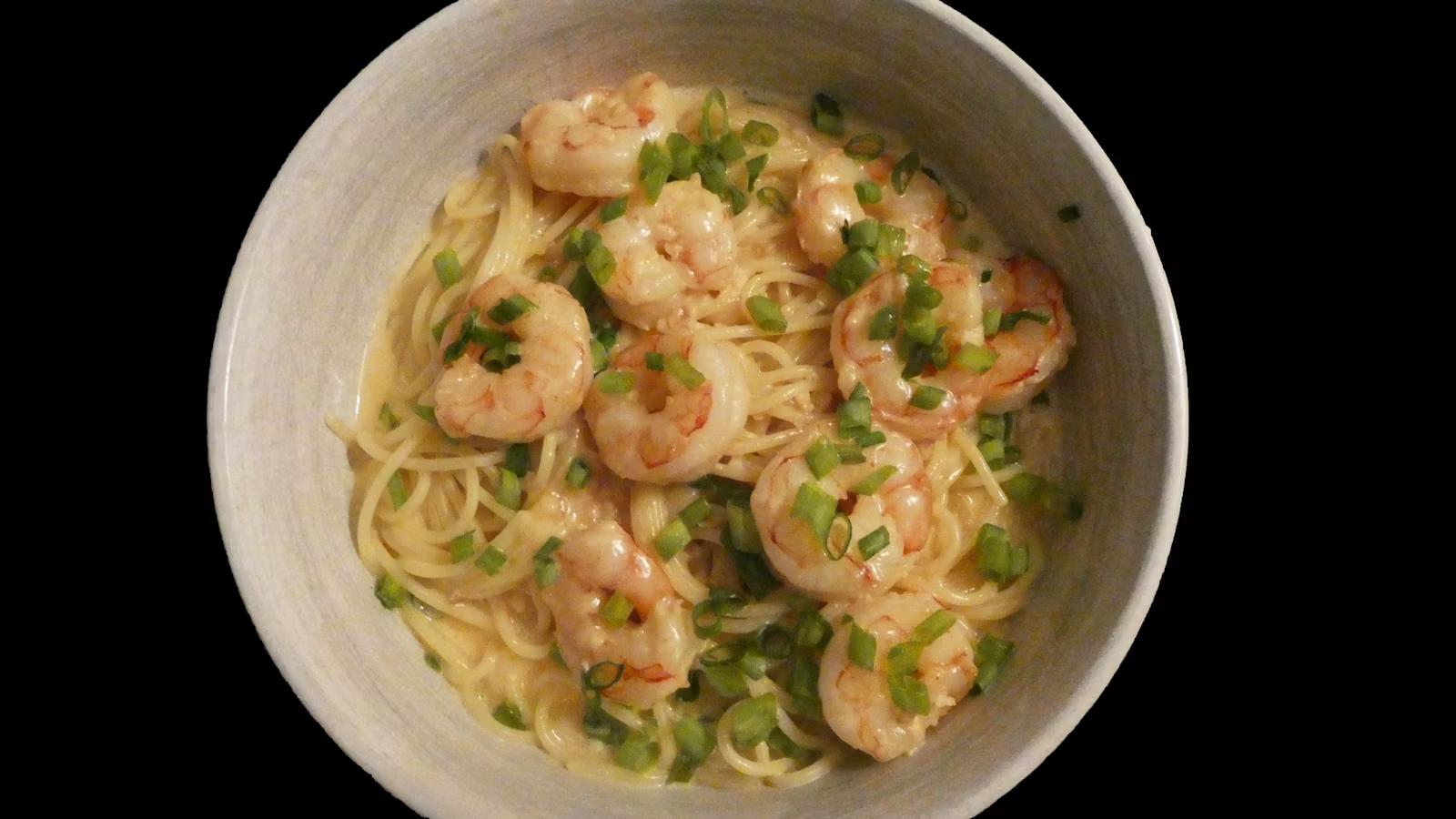
Scampi are small lobster-like crustaceans also known as langoustines. Italian-American cooks adapted the familiar garlic-and-butter treatment to readily available shrimp, and “shrimp scampi” became the dish name even though it sounds a bit like saying “shrimp shrimp.” Food language enjoys a small joke now and then.
- The seafood: large raw shrimp are easiest to sear without overcooking.
- The fat: olive oil handles the initial heat; butter gives the final sauce body.
- The acidity: dry wine and fresh lemon keep the rich sauce lively.
- The aromatics: garlic is essential; parsley and chile flakes add freshness and gentle heat.
I prefer leaving Parmesan out of the pan. Its salt and aged flavor can pull attention away from the sweet shrimp, and a butter-wine emulsion already has all the richness it needs.
Build a glossy garlic-butter sauce
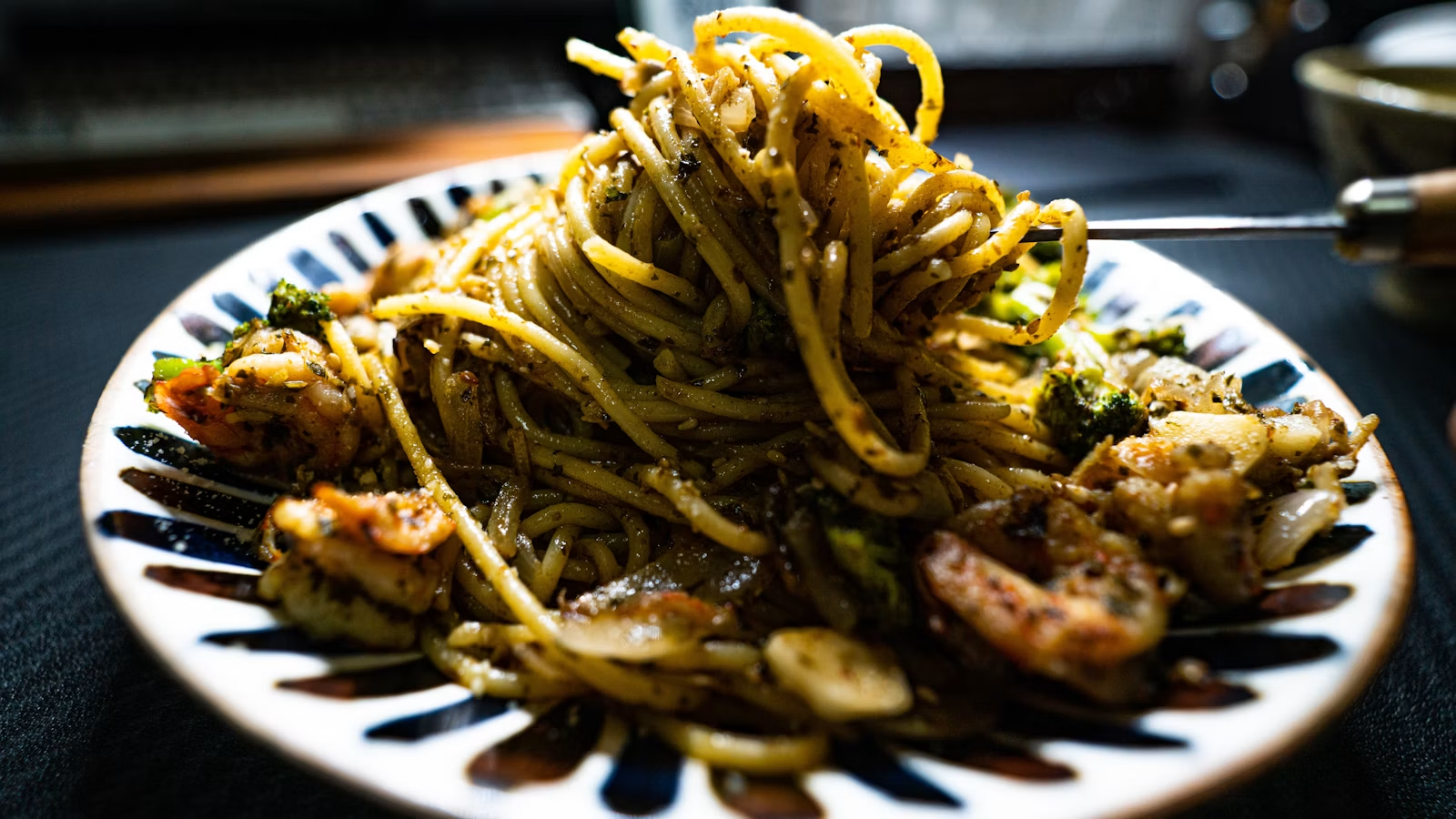
Dry shrimp brown; wet shrimp steam. Pat them thoroughly, season just before cooking, and use a skillet wide enough to hold them in one layer. Pull them when the edges are pink but the thickest centers are not quite finished, because they will return to the sauce.
- Sear the shrimp in olive oil and a little butter, then move them to a plate.
- Lower the heat and soften the garlic for about 30 seconds without letting it brown.
- Add wine and reduce it by roughly half so the flavor concentrates.
- Turn the heat low and whisk in the remaining butter gradually.
- Add lemon and shrimp, tossing only until the flesh is pearly and opaque.
If the sauce looks oily, the pan was probably too hot when the butter went in. Pull it off the burner and whisk in a teaspoon of cool water. That tiny splash often persuades the sauce to come back together.
Substitutions that keep the balance
Dry white wine contributes acidity and aroma, but it is not mandatory. Low-sodium broth works well; add a little extra lemon at the end rather than trying to make broth behave exactly like wine.
- No wine: use seafood or chicken broth and taste before adding salt.
- No parsley: use chives for a mild onion note; avoid strong dried herbs that dominate the quick sauce.
- More heat: increase red pepper flakes gradually, because they bloom in the warm fat.
- With pasta: toss with 8 ounces of linguine and enough reserved pasta water to loosen the sauce.
- Gluten-free: serve with rice, potatoes, or gluten-free pasta; confirm the broth label if used.
For a dramatic seafood pasta, see my squid ink pasta guide. If choosing noodles for this scampi, the semolina flour guide explains why durum pasta holds its bite.
Scampi recipe
The card keeps the shrimp separate from the sauce until the last minute. Prep everything first and plan to serve immediately; this is a ten-minute cook, not a dish that improves by waiting politely on the stove.
Scampi Recipe

Ingredients
- 1 1/4 pounds large raw shrimp peeled and deveined, tails optional
- 1 teaspoon fine salt divided
- 1/4 teaspoon black pepper
- 2 tablespoons olive oil
- 4 tablespoons unsalted butter divided
- 5 cloves garlic thinly sliced or finely minced
- 1/4 teaspoon red pepper flakes optional
- 1/2 cup dry white wine or low-sodium seafood or chicken broth
- 1 lemon zested and juiced, about 2 tablespoons juice
- 1/4 cup flat-leaf parsley chopped
Equipment
- 1 Large skillet
- 1 fine grater or zester
Instructions
- Pat the shrimp very dry. Season with half the salt and the black pepper.
- Heat the oil and 1 tablespoon butter in a large skillet over medium-high heat. Add the shrimp in one layer and cook about 1 minute per side, just until the edges turn pink. Transfer to a plate; the centers may still be slightly translucent.
- Lower the heat to medium. Add the garlic and red pepper flakes and cook for 30 seconds without browning. Pour in the wine and simmer 2 to 3 minutes, scraping up the flavorful bits, until reduced by roughly half.
- Reduce the heat to low. Whisk in the remaining butter a tablespoon at a time, then add the lemon zest and juice.
- Add the shrimp and any juices to the skillet. Toss for 1 to 2 minutes, until the flesh is pearly and opaque. Fold in the parsley, taste, and add the remaining salt only as needed.
Nutrition
Video
Notes
- Use broth instead of wine for an alcohol-free version; add it gradually because broth can be saltier.
- FDA guidance says cooked shrimp should be pearly and opaque. Avoid extended simmering, which makes shrimp firm and rubbery.
- Nutrition is estimated without pasta or bread.
Tried this recipe?
Let us know how it turned out!Serve and store shrimp scampi safely
Spoon scampi over pasta, rice, or creamy polenta, or serve it with crusty bread and a crisp salad. I’d keep the side simple because the sauce is already doing plenty of talking. For a lighter plate, add steamed green beans or roasted asparagus and let their clean flavor catch the lemony butter.
- Doneness: FDA guidance describes cooked shrimp as pearly and opaque.
- Thawing: thaw frozen shrimp in the refrigerator, or sealed in cold water if cooking immediately.
- Refrigerating: chill leftovers within two hours and use within three to four days.
- Reheating: warm gently in a skillet over low heat; high heat makes shrimp rubbery and can split the sauce.
Because shrimp texture changes quickly, leftovers are best folded into rice or pasta instead of repeatedly reheated. One gentle warm-up is the goal.
Sources
- FDA: Selecting and Serving Fresh and Frozen Seafood Safely
- FDA: Nutrition Information for Cooked Seafood
- Martha Stewart: Shrimp Scampi and Its Italian-American Background
Hi, I’m Laura, the voice behind Tastiva. I’ve always believed that eating well should feel enjoyable, comforting, and realistic—not like another complicated rule to follow. I love creating recipes that fit into everyday life, sharing simple nutrition ideas, and finding small ways to make meals feel a little better without losing the pleasure of good food.