
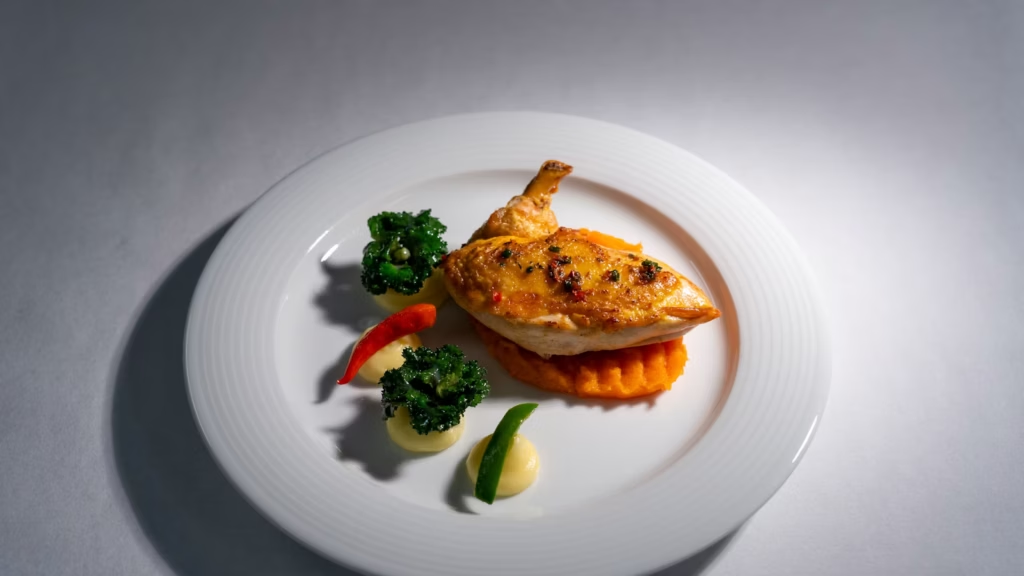
Chicken supreme can mean three related things: a specific chicken-breast cut, a creamy French sauce, or a finished chicken dish that borrows the grand-sounding name. That is why one menu brings a crisp-skinned breast with a wing bone attached while another brings boneless chicken under mushroom cream sauce. The phrase is not being difficult on purpose; it has simply accumulated a few culinary lives.
If a recipe says “chicken supreme,” read the next line before shopping. The author may mean the cut, the sauce, or a comfort-food casserole wearing its best jacket.
What chicken supreme means in classic cooking
In professional cookery, a chicken suprême is traditionally a breast portion with the skin left on. Modern butcher terminology often uses the name for an airline or Statler breast: the breast is mostly boneless, but the first wing joint remains attached and is trimmed neatly. That little bone gives the portion a restaurant-style silhouette and can act as a useful handle during carving or plating.
You will also find sources that use “supreme” for a boneless, skin-on breast without the attached wing bone. Both usages share the important part: this is a premium breast portion intended to cook evenly and present cleanly. If the exact shape matters, ask the butcher whether the wing drumette is attached rather than trusting the elegant French word to settle the argument.
The cut is not the same as a whole bone-in split breast, and it is not automatically a stuffed chicken breast. A butcher can prepare supremes from a whole bird, leaving the legs, remaining wing sections, and carcass for another meal or stock. Our whole chicken guide is useful when you want to understand where those pieces come from before reaching for a knife.
The sauce—and why the name gets confusing
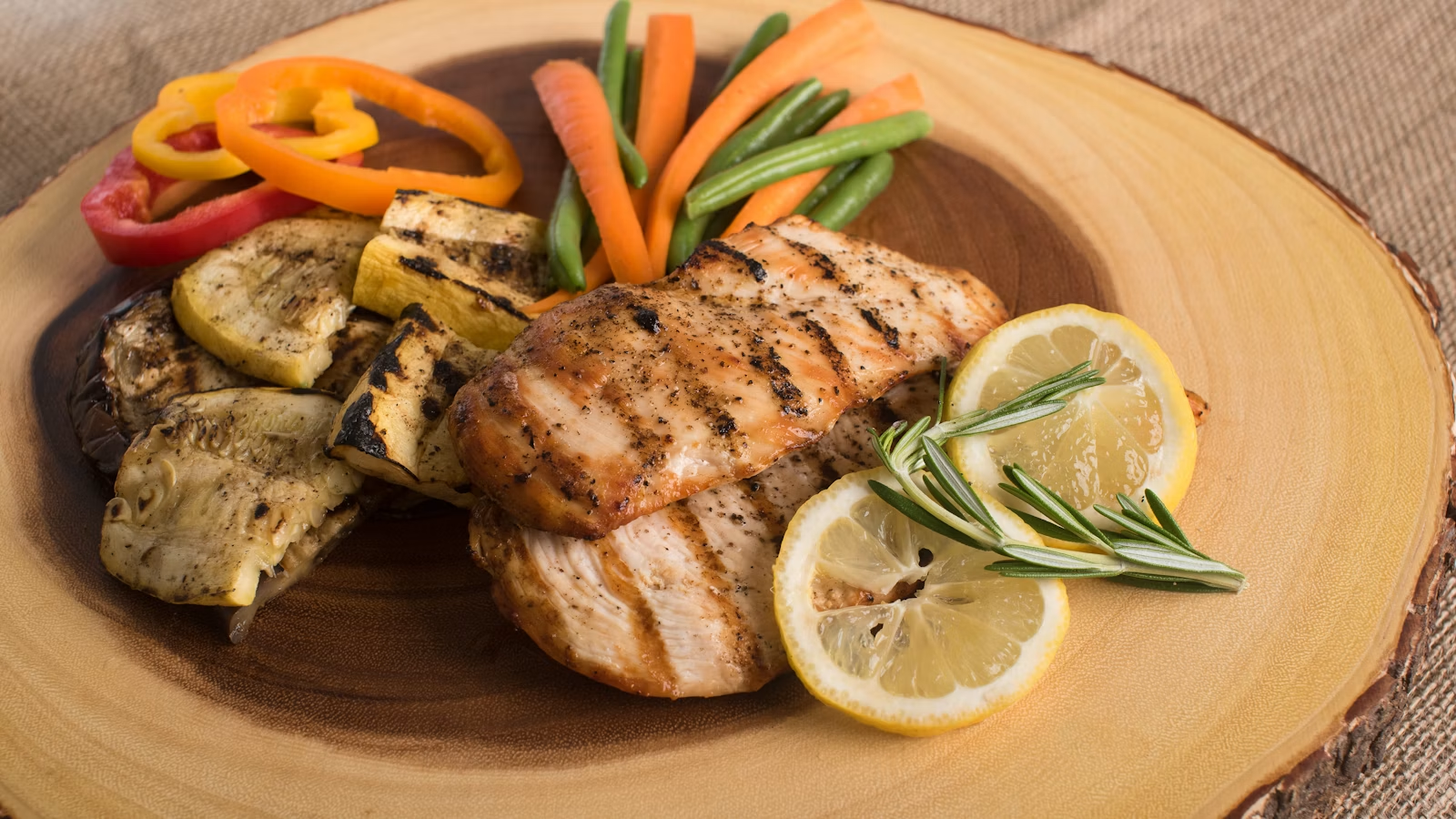
French sauce suprême is a rich white sauce based on velouté, traditionally made with poultry stock and finished with cream. It is smooth, savory, and designed to flatter delicate poultry rather than drown it. A dish described as chicken with sauce suprême may therefore be called chicken supreme even when the butchered portion is an ordinary breast.
Home recipes have stretched the idea further. Creamy mushroom chicken, baked chicken with lemon and cheese, and condensed-soup casseroles may all carry the name. These dishes can be delicious, but they are not one codified formula. “Supreme” often signals something creamy, generous, and company-worthy instead of promising a precise classical preparation.
This is one of those cases where context beats culinary policing. At a butcher counter, expect a cut. In a classical sauce book, expect velouté and cream. On a family recipe card, expect the ingredients to define the dish. A confident title is not a substitute for reading the method—especially when mushrooms, cheese, and canned soup may be waiting just offstage.
How to buy and cook a chicken supreme cut
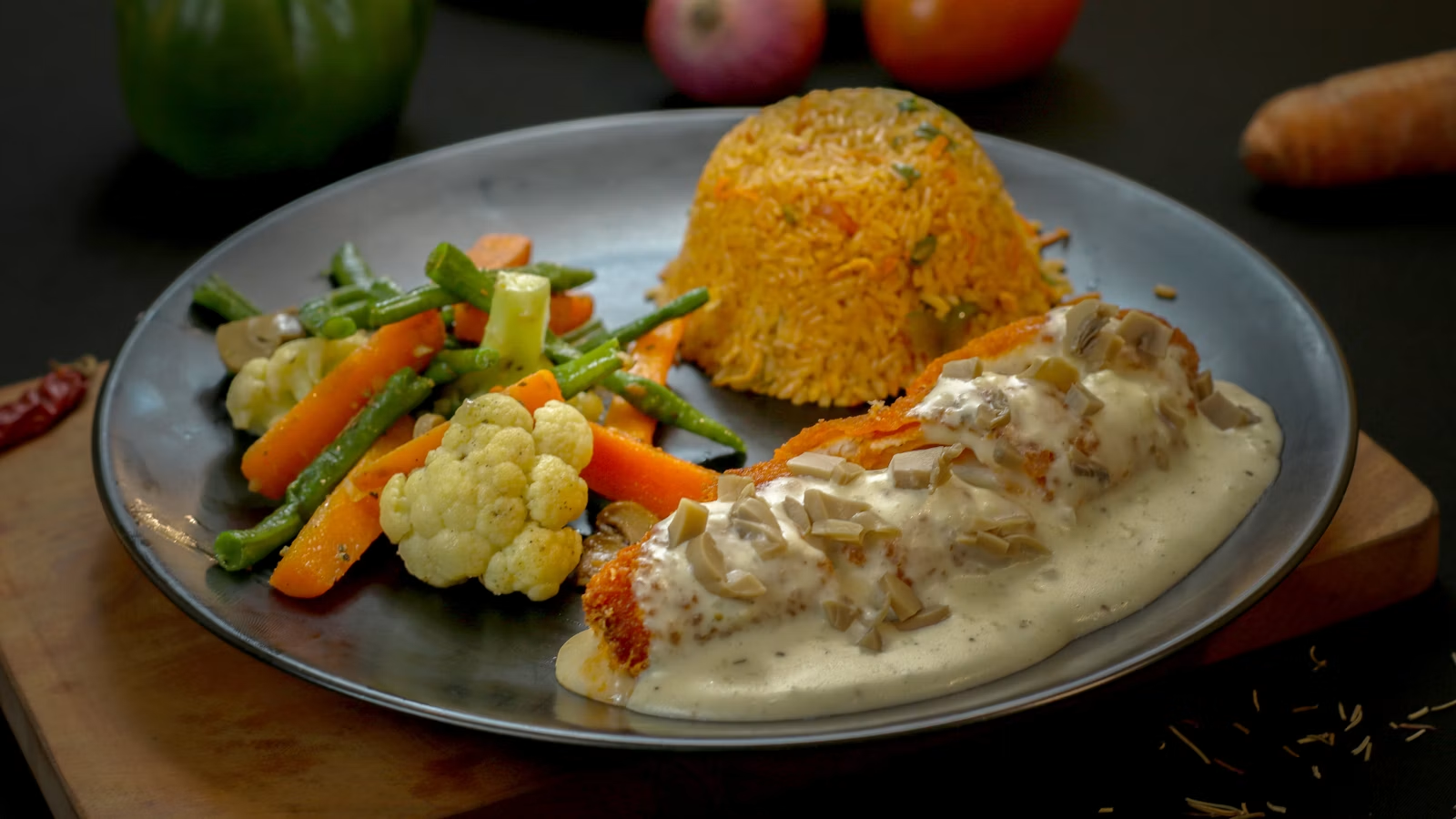
Ask for a skin-on airline chicken breast or Statler breast if “supreme” draws a blank. Choose portions that are similar in weight so they finish together. Pat the skin dry, season ahead if you can, and begin skin-side down in a lightly oiled skillet. Moderate heat gives the fat time to render and the skin time to turn crisp without scorching.
Once the skin is deeply golden, turn the chicken and finish it gently in the oven or in the covered pan. The attached bone and thick breast make visual guessing unreliable, so use an instant-read thermometer in the thickest part without touching bone. USDA guidance sets 165°F (74°C) as the safe minimum internal temperature for all poultry.
Rest the breast before slicing so the juices settle and the carryover heat evens out. Then build a quick pan sauce from the browned bits: shallot, a splash of wine or stock, and a modest pour of cream are enough. Mushrooms, mustard, tarragon, lemon, or parsley can steer the sauce in different directions without erasing the crisp skin you worked for.
Serving, storage, and practical swaps
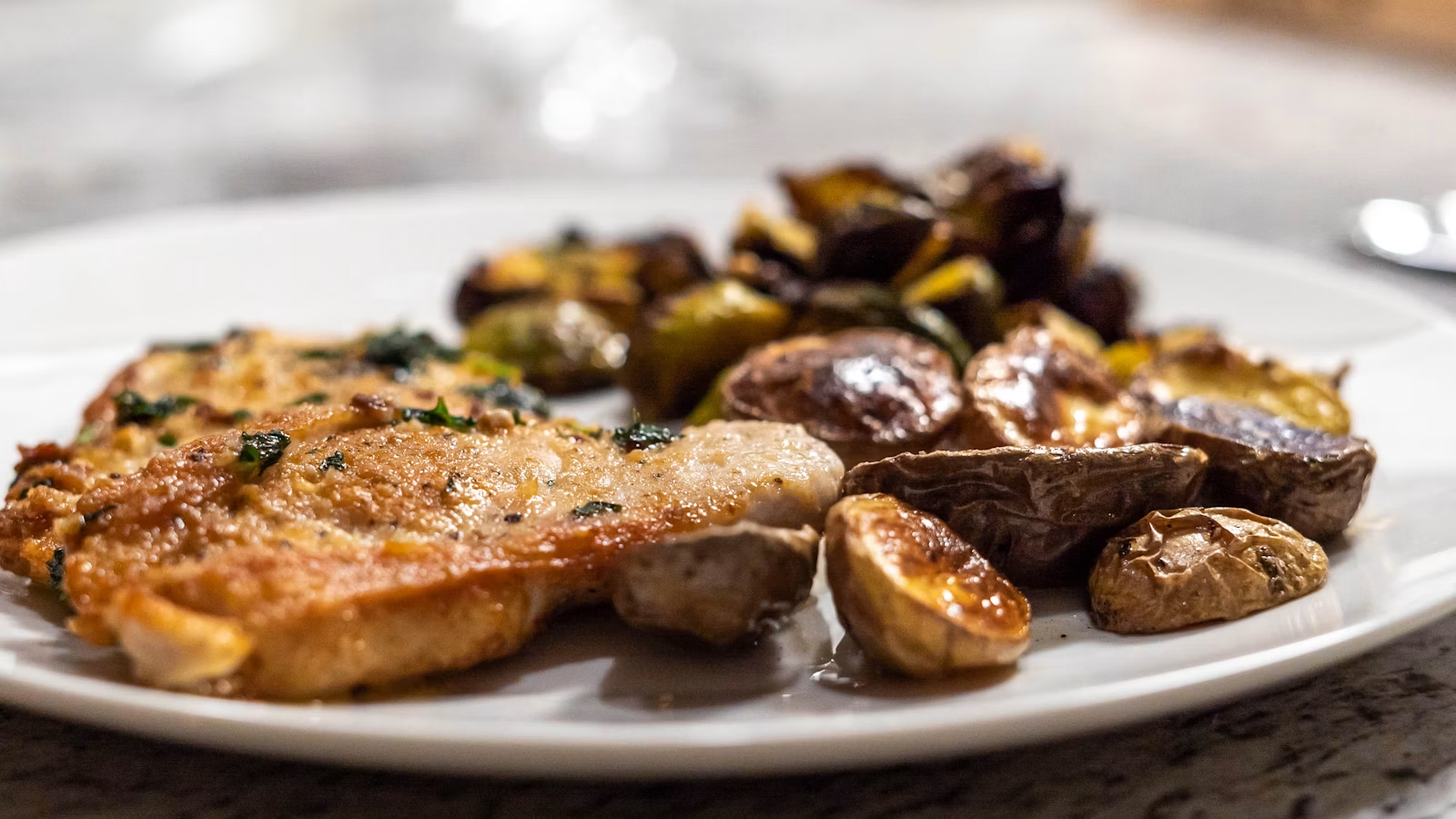
Chicken supreme loves sides that catch sauce: mashed potatoes, rice, buttered noodles, or crusty bread. Add something green or bitter for balance—roasted broccoli, green beans, wilted spinach, or a sharp salad all keep the plate from feeling beige in spirit as well as color.
A regular boneless, skin-on breast is the closest substitute for the specialty cut. Skinless breast also works, though you lose the crisp surface and need to watch the cooking time carefully. Bone-in thighs are juicier and excellent with supreme-style sauce, but they change the presentation and usually take longer to cook.
Refrigerate cooked chicken and sauce promptly in shallow covered containers. Reheat gently so the lean meat does not tighten and the cream sauce does not split; a splash of stock can loosen it. If you are making the sauce ahead, stop before the final cream, chill the base, then reheat and finish it shortly before serving.
Stéphane of French Cooking Academy demonstrates the sauce side of chicken supreme with poached chicken and rice. This is a different preparation from the crisp-skinned breast above; follow the same thermometer-based poultry safety guidance.
Sources
- Food & Wine: What Is Airline Chicken Breast?
- Serious Eats: How to Cut an Airline Chicken Breast
- Allrecipes: Supreme Chicken
- USDA FSIS: Chicken From Farm to Table

Hi, I’m Laura, the voice behind Tastiva. I’ve always believed that eating well should feel enjoyable, comforting, and realistic—not like another complicated rule to follow. I love creating recipes that fit into everyday life, sharing simple nutrition ideas, and finding small ways to make meals feel a little better without losing the pleasure of good food.