
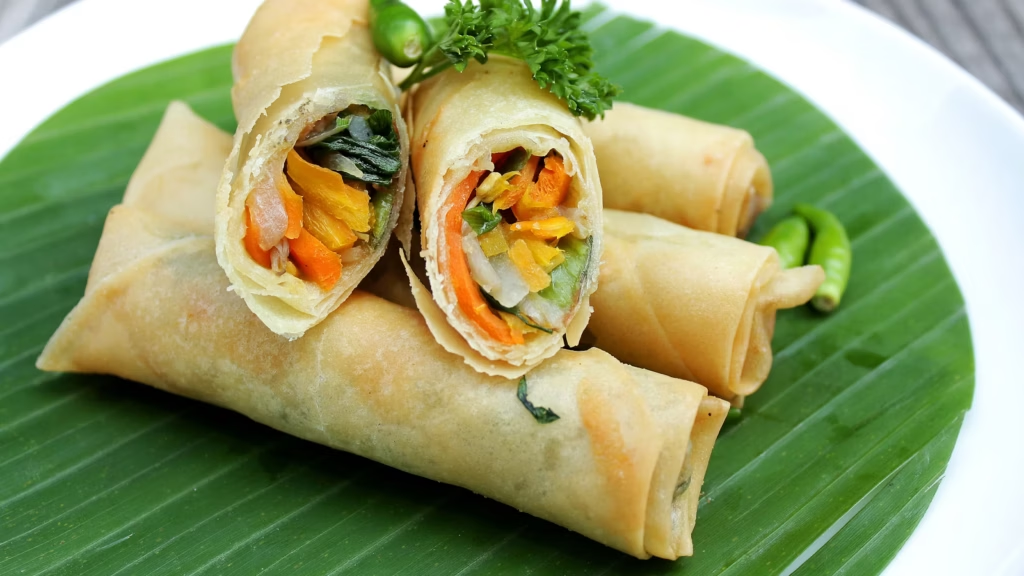
Pancake roll wrappers are the thin sheets used to hold fillings for crisp spring rolls, soft Mandarin-style pancakes, and a few closely related dishes. The name is slippery: in a British Chinese takeaway, a “pancake roll” usually means a large fried spring roll, while a menu serving moo shu or roast duck may mean a soft wheat pancake. The useful answer is not one universal wrapper—it is knowing which wrapper matches the texture and cooking method you want.
The right wrapper should almost disappear into the bite: crackly around a fried filling, or soft and flexible around moo shu vegetables and duck.
What pancake roll wrappers usually mean
Most searches for pancake roll wrappers point toward wheat-based spring roll pastry. These wrappers are square, paper-thin, and sold chilled or frozen in stacked sheets. They are designed to become crisp when fried or baked. In the United Kingdom, the finished roll is often larger than the small spring rolls served elsewhere, which helps explain the “pancake roll” name.
Chinese pancakes for moo shu pork, moo shu chicken, or Peking duck are a different product. They are round, soft, and cooked before serving. Their job is to fold around a savory filling with hoisin or sweet bean sauce, not to form a brittle shell in hot oil. Some homemade batter wrappers can cross between uses, but supermarket packages are usually more specialized.
The label matters less than the ingredient list, shape, and cooking directions. If the package says to thaw, fill, seal, and fry, you have spring roll pastry. If it says to steam or warm the pancakes before serving, you have a soft table wrapper. That small check prevents the deeply disappointing experience of putting rice paper in a fryer and hoping enthusiasm will fix it.
Spring roll, egg roll, rice paper, or Mandarin pancake?
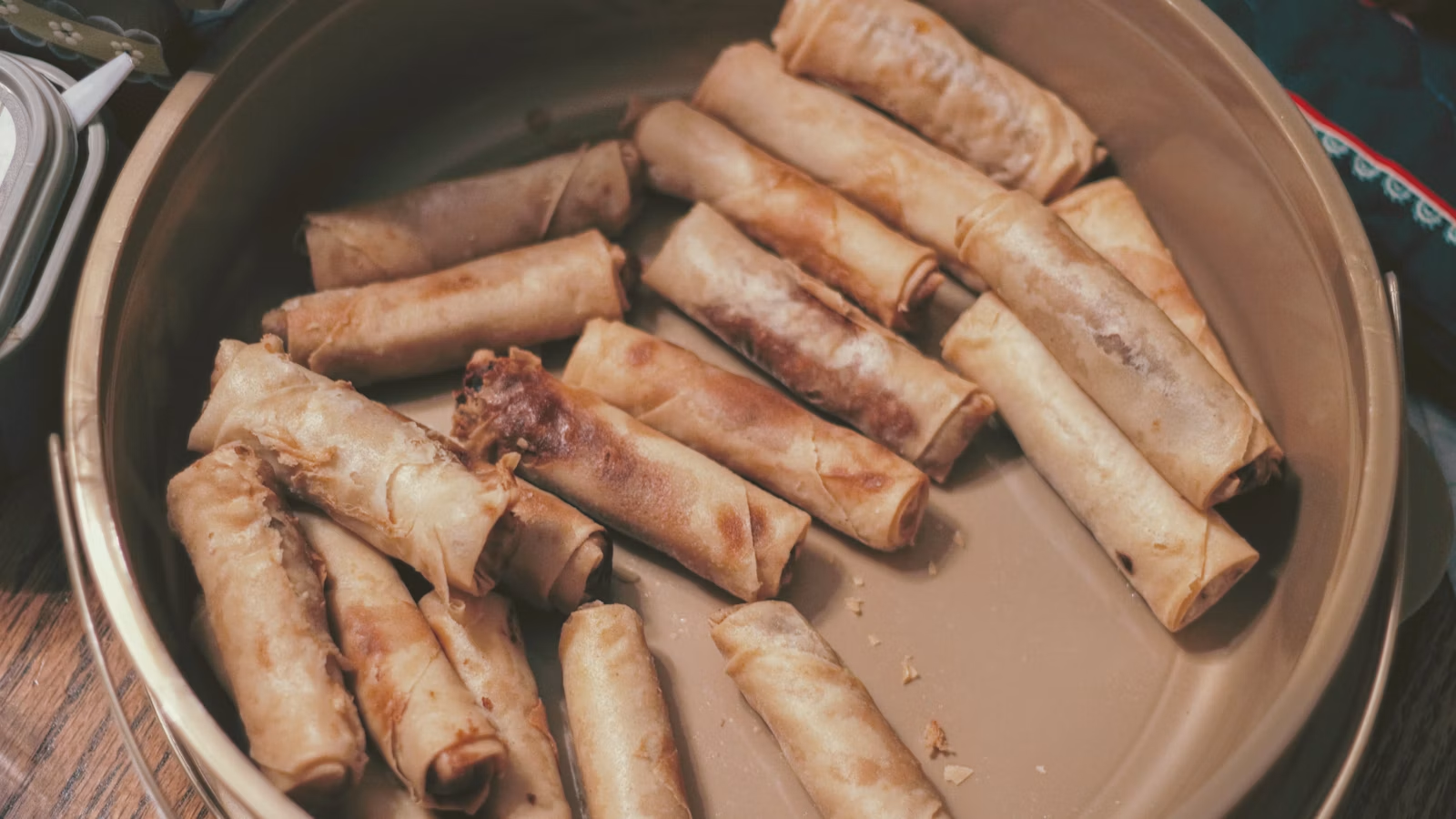
Wheat spring roll wrappers are thin and usually egg-free, although brands vary. They fry into a light, blistered shell and work for finely shredded vegetable, pork, chicken, or shrimp fillings. Egg roll wrappers are thicker and often contain egg; they produce a chewier, more substantial crust. Both are sold as squares, but they are not identical in the fryer.
Vietnamese rice paper is round, dry, and translucent. It softens after a brief dip in water and is best known for fresh summer rolls, although some varieties can be fried with careful handling. Mandarin or moo shu pancakes are soft wheat rounds that you warm, fill, fold, and eat immediately. They are closer to a very thin flatbread than to raw spring roll pastry.
- For a crisp fried roll: choose thin wheat spring roll wrappers.
- For a thicker American-style egg roll: choose egg roll wrappers.
- For fresh, chewy rolls: choose Vietnamese rice paper.
- For moo shu or roast duck: choose Mandarin pancakes or moo shu wrappers.
How to buy, thaw, and handle the wrappers
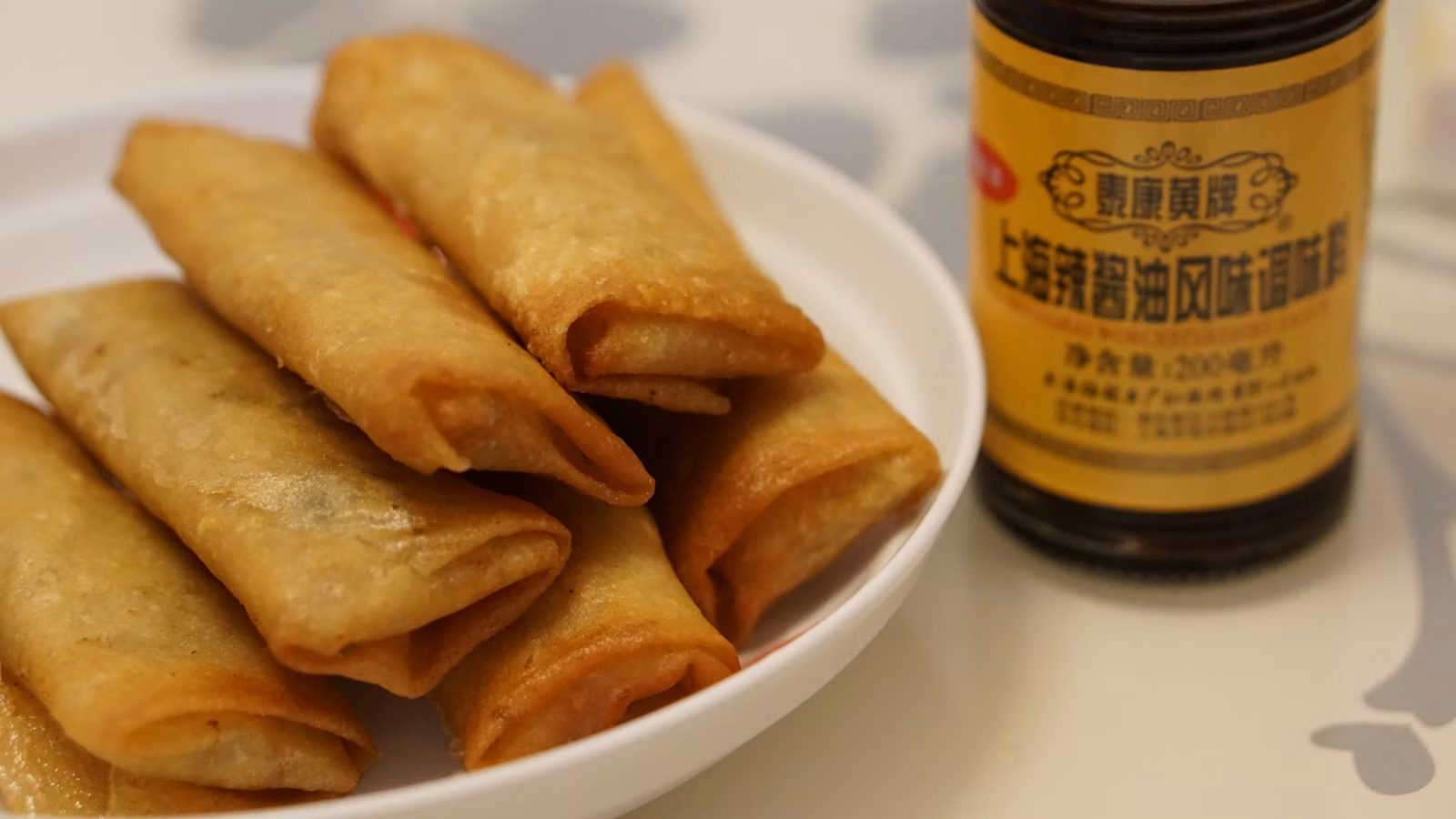
Look in the refrigerated or freezer case at an Asian market, often near tofu, noodles, and dumpling skins. Choose a flat package without heavy ice crystals, torn corners, or a stack that has obviously thawed and refrozen. Check the allergen statement for wheat, egg, or soy, and read the cooking directions before assuming a wrapper suits your recipe.
Thaw frozen wheat wrappers in the unopened package so condensation stays outside the sheets. Once opened, peel off one wrapper at a time and keep the remaining stack under a barely damp towel. Exposed edges dry quickly, then crack exactly when you ask them to bend. If two sheets cling together, patience works better than pulling hard from opposite corners.
For soft Mandarin pancakes, warm only what you need and keep them covered so they stay pliable. They are the natural partner for our moo shu chicken. A steamer gives the softest result, but a covered skillet or a short microwave warm-up can work when the package allows it.
Fill, seal, and cook without soggy surprises
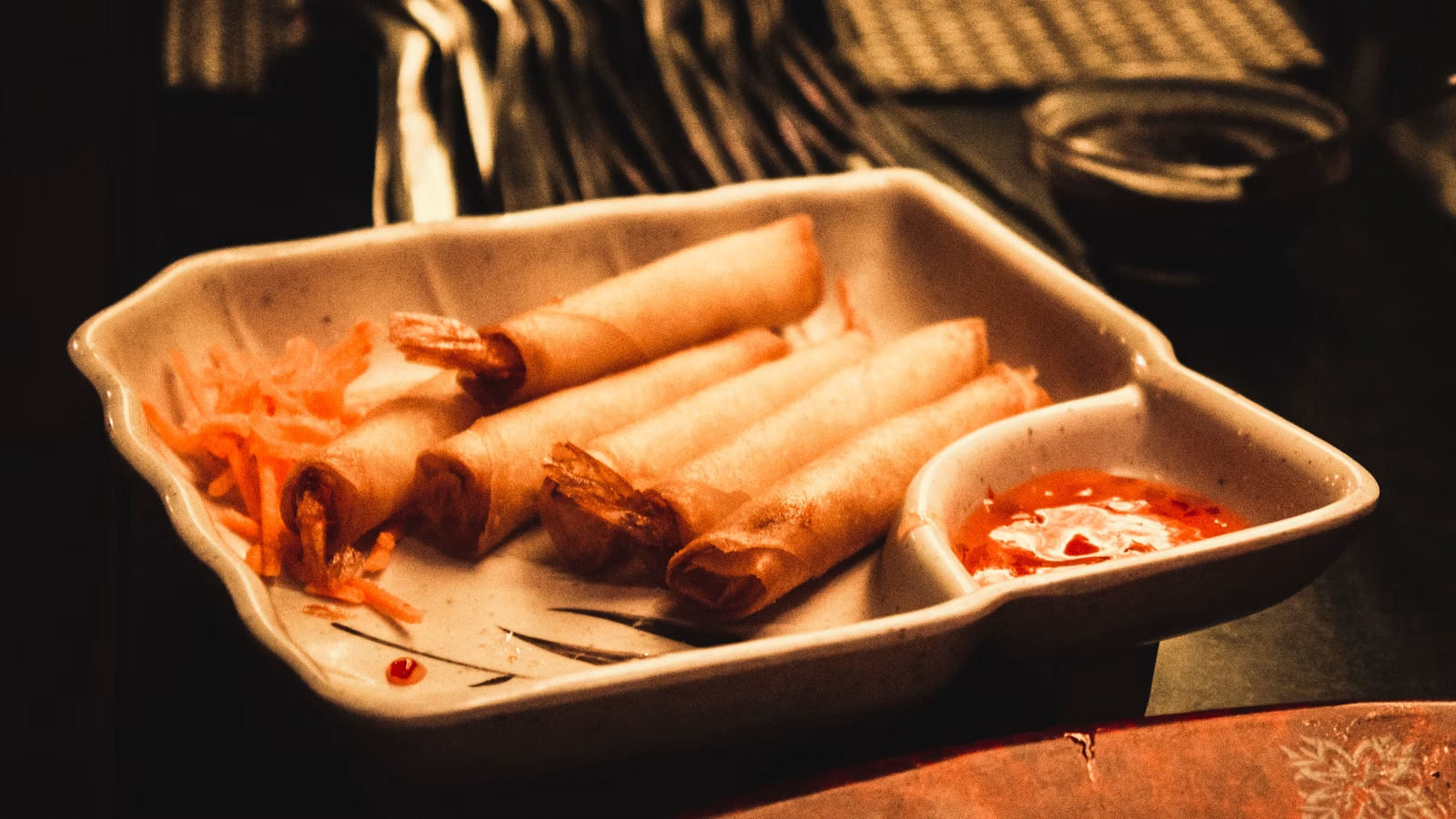
Whatever wrapper you choose, cool the filling before assembly and drain away excess liquid. Hot, wet cabbage or meat steams the pastry from within and weakens the seam. Place a modest amount near one corner, fold the corner over the filling, tuck in both sides, and roll firmly without stretching the sheet. A flour-and-water paste is a dependable seal for wheat spring roll wrappers.
Keep finished rolls covered while you work. Fry in clean oil at the temperature specified by your recipe or package, leaving enough room that the oil does not cool sharply. For baking or air-frying, brush or spray the surface lightly with oil and turn the rolls as needed; the result can be crisp, though usually less shatteringly delicate than deep-frying.
Refrigerate meat or seafood fillings promptly and follow the package instructions for storing unused wrappers. Do not refreeze a product if its label tells you not to. Leftover cooked rolls soften in the refrigerator, so reheat them on a rack in a hot oven or air fryer rather than in a covered microwave container. The goal is dry circulating heat, not a private steam room.
Chef Pailin Chongchitnant shows the filling, folding and frying method for wheat spring-roll wrappers in this Pine Brand-sponsored tutorial. The wrapping demonstration starts at 8:01; soft Mandarin pancakes and rice paper need their own methods.
Sources
- Allrecipes: Your Guide to Asian Wrappers
- The Guardian: How to Make Spring Rolls
- China Sichuan Food: Easy Spring Roll Wrappers
- Serious Eats: Lunar New Year Foods and Spring Rolls

Hi, I’m Laura, the voice behind Tastiva. I’ve always believed that eating well should feel enjoyable, comforting, and realistic—not like another complicated rule to follow. I love creating recipes that fit into everyday life, sharing simple nutrition ideas, and finding small ways to make meals feel a little better without losing the pleasure of good food.