
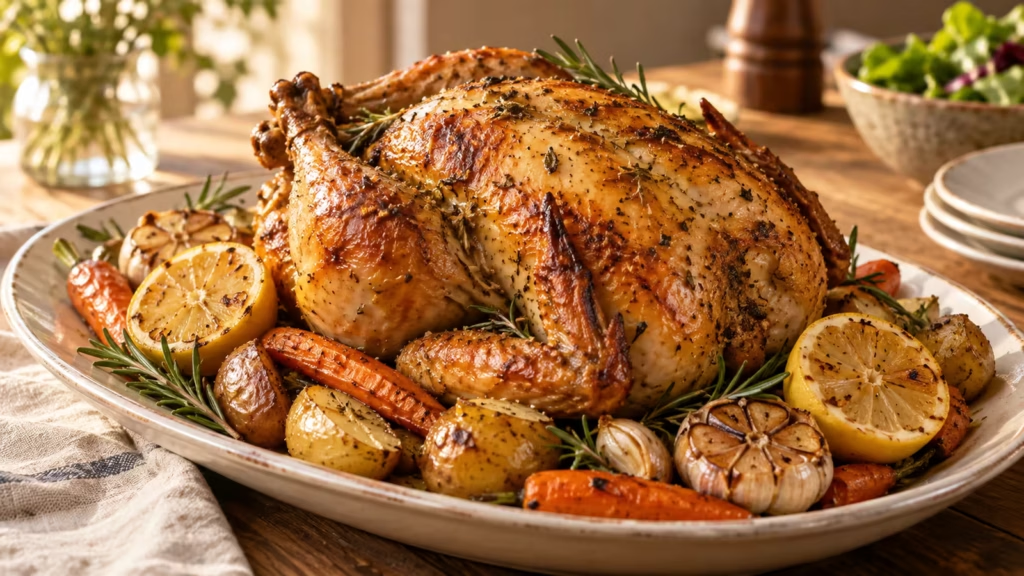
A whole chicken is one of the most useful dinners I know: crisp golden skin for the table, juicy meat for tonight, and enough bones and drippings to make tomorrow’s soup taste intentional. The method is simple, but three details matter enormously—dry skin, steady heat, and a thermometer placed in the right spots.
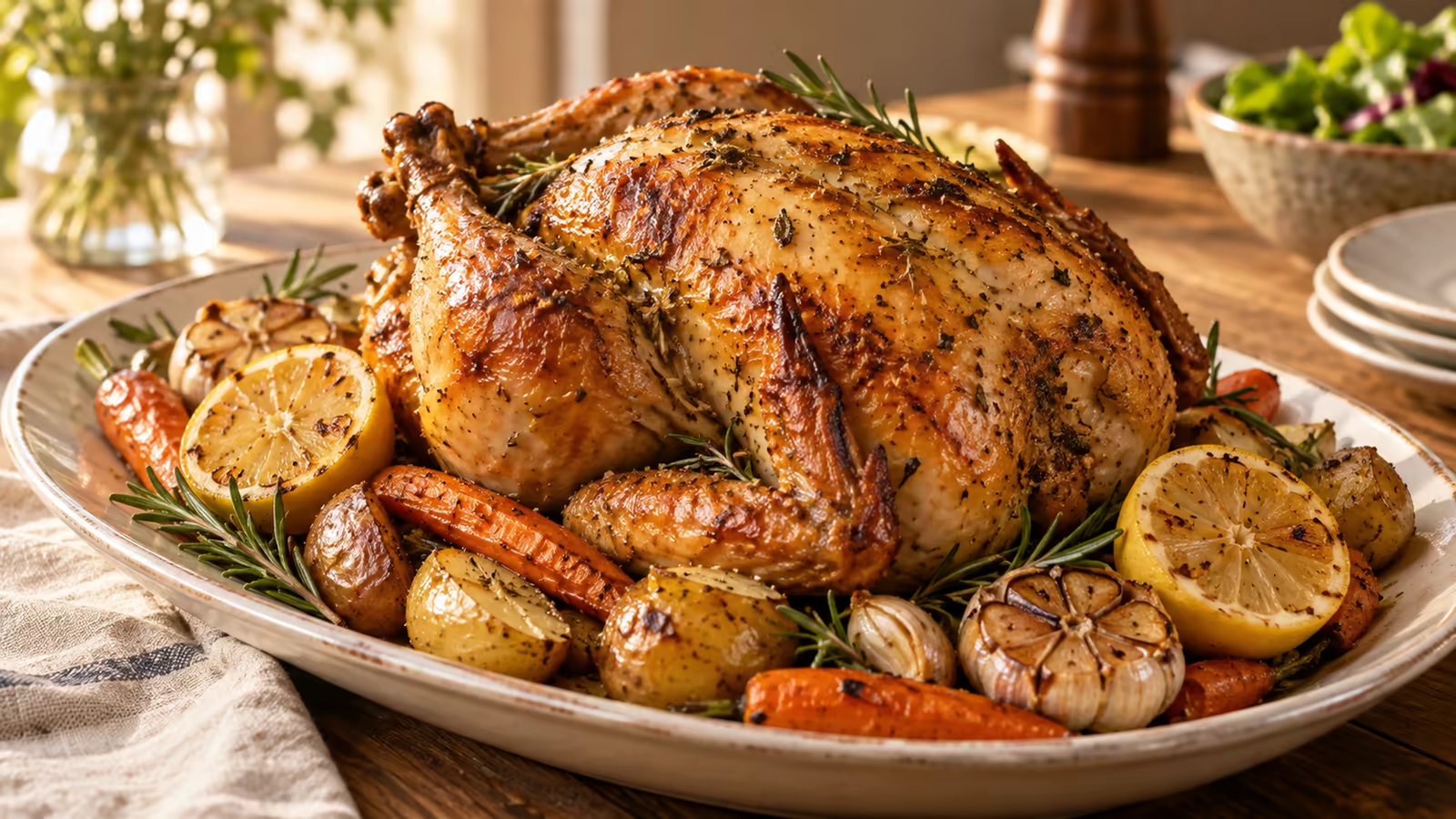
The clock can suggest when to look; only temperature can tell you when the chicken is safely, properly done.
This recipe starts hot for color, then finishes at a gentler temperature so the breast and legs have time to cook evenly. Lemon, garlic, onion, and herbs perfume the cavity without turning it into dense stuffing. An optional uncovered refrigerator rest dries the skin and makes the result noticeably crisper.
Choose the right whole chicken
A four- to five-pound bird is large enough for six servings but still roasts evenly in a home oven. If you buy a much larger chicken, timing becomes less predictable and the breast may finish before the legs. Look for intact skin, a plump shape, and a use-by date that fits your plan.
Thaw a frozen chicken completely in the refrigerator; allow roughly a full day for every four to five pounds. Keep it on a tray to catch drips. Remove the giblet packet from either cavity, then discard the packaging and wash your hands, sink area, and any surface the raw juices touched.
Do not rinse raw poultry. Splashed water can spread bacteria around the kitchen, and proper cooking—not rinsing—makes chicken safe. If you need storage timing before or after roasting, Tastiva’s guide to how long chicken lasts in the fridge gives a clear timeline.
Dry and season for crisp skin
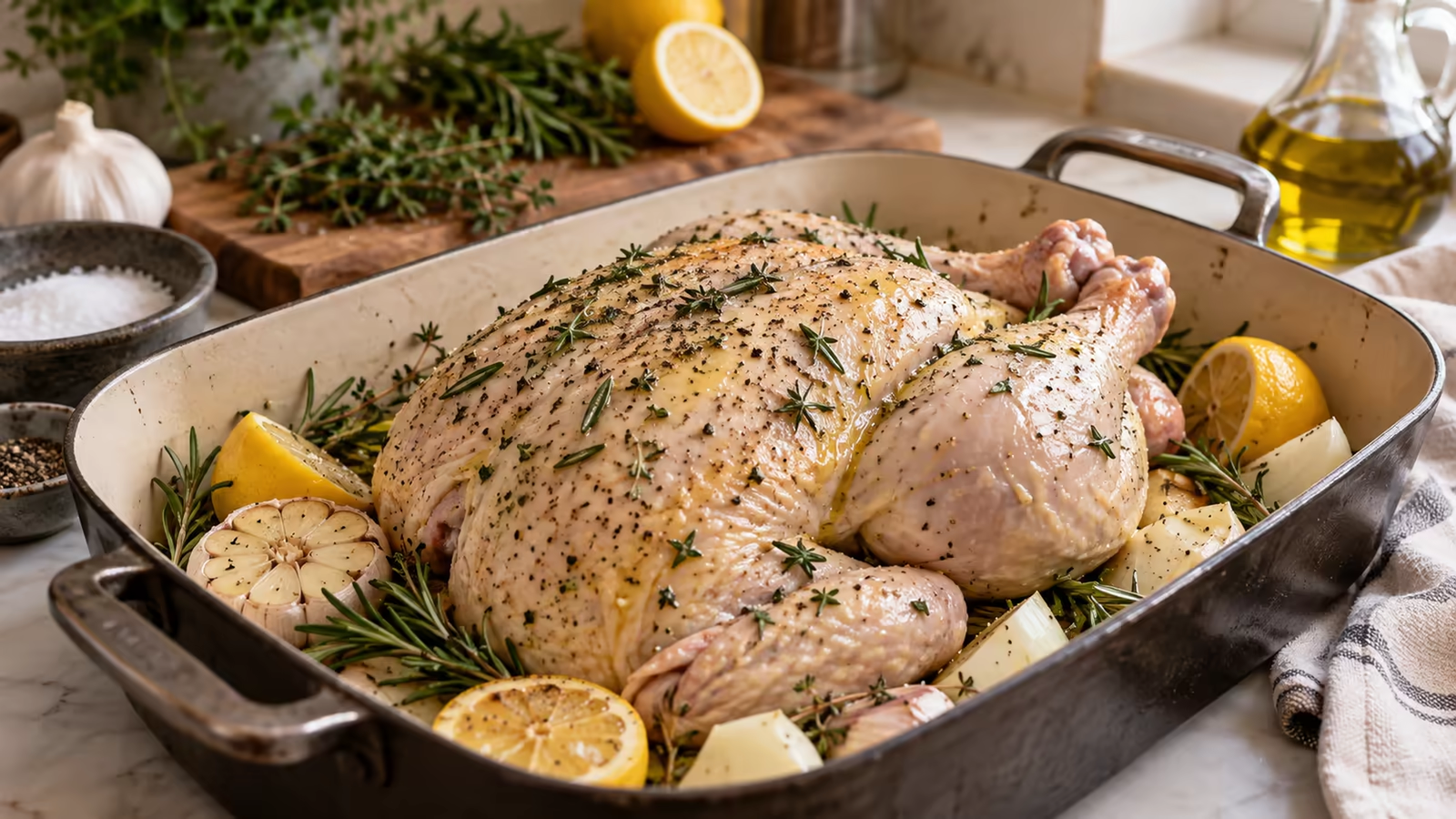
Pat every surface very dry with paper towels, including around the wings and legs. Season all over with kosher salt and place the chicken uncovered on a rack in the refrigerator for at least one hour, or up to 24. The salt works inward while the cold circulating air removes surface moisture.
Before roasting, rub the skin lightly with olive oil and black pepper. More fat is not better; a thin coat promotes even color without making the pan greasy. Put lemon halves, onion, garlic, and herbs loosely in the cavity. Do not pack it tightly, because dense stuffing slows heat from reaching the center.
Roast by temperature, not just time
Begin at 425°F for 20 minutes, then reduce the oven to 375°F without opening the door for long. The initial heat starts browning; the lower finish cooks the interior more evenly. Rotate the pan once only if your oven has a clear hot spot. Frequent opening releases the heat you need.
Start checking around the one-hour mark for a four- to five-pound chicken. Insert an instant-read thermometer into the thickest breast from the side, then check the innermost thigh without touching bone. Both locations must reach at least 165°F. If the skin browns too quickly before the center is ready, tent it loosely with foil.
Rest, carve, and store the chicken
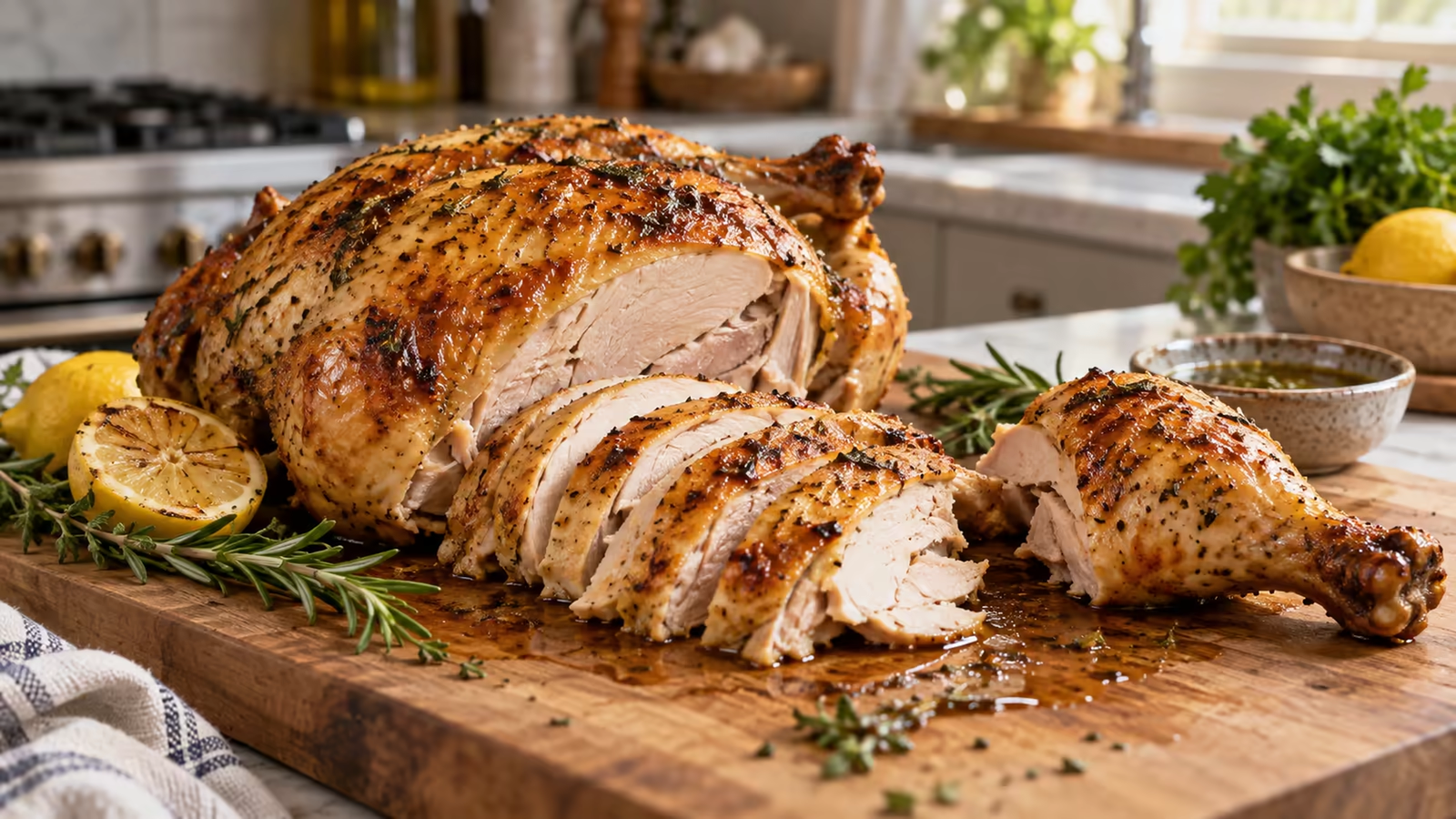
Move the chicken to a clean carving board and rest it for 15 minutes. That pause lets the hot juices redistribute and makes carving safer and cleaner. Remove the legs first, separate thighs from drumsticks, then slice each breast away from the bone and cut across the grain.
Serve with the strained pan juices, roasted vegetables, salad, or potatoes. Refrigerate leftovers within two hours in shallow covered containers and use within three to four days. Remove remaining meat from the carcass before chilling so it cools quickly; save the bones for stock if you can refrigerate or freeze them promptly.
Reheat only the portion you need until steaming hot. Cold chicken is equally useful in sandwiches and salads, which protects the meat from a second round of drying. If the skin softens in storage, warm pieces uncovered in a hot oven or air fryer rather than the microwave.
Whole roasted chicken recipe
The editable recipe card below gives the full seasoning amounts, two-stage oven method, thermometer placement, equipment, and timing for six servings.
Crisp-Skin Whole Roasted Chicken

Ingredients
- 1 whole chicken 4 to 5 lb, fully thawed; giblets removed
- 2 tsp kosher salt
- 1 tbsp olive oil
- 1 tsp freshly ground black pepper
- 1 lemon halved
- 1 small yellow onion quartered
- 1 head garlic halved crosswise
- 6 sprigs fresh thyme or rosemary
Equipment
- Roasting pan with rack or large oven-safe skillet
- Instant-read thermometer
- Kitchen twine optional
- Carving board and sharp knife
Instructions
- Remove the giblets. Do not rinse the chicken. Pat it very dry inside and out with paper towels.
- Season the chicken all over with the salt. Set it breast-side up on a rack over a pan and refrigerate uncovered for at least 1 hour or up to 24 hours.
- Heat the oven to 425°F. Rub the chicken with olive oil and black pepper. Place the lemon, onion, garlic, and herbs loosely in the cavity. Tuck the wing tips and tie the legs loosely if desired.
- Roast for 20 minutes, then reduce the oven to 375°F. Continue roasting for 50 to 65 minutes, beginning temperature checks early.
- Check the thickest breast and innermost thigh with an instant-read thermometer without touching bone. Continue roasting until both locations reach at least 165°F.
- Transfer to a clean carving board and rest for 15 minutes before carving. Discard the cavity aromatics and serve with strained pan juices if desired.
Notes
- Do not rinse raw chicken; it can spread bacteria by splashing.
- Whole poultry is safely cooked when the breast and innermost thigh each reach at least 165°F.
- Refrigerate leftovers within 2 hours and use within 3 to 4 days.
- Nutrition is intentionally left for manual calculation because bird size, skin portions, and pan drippings vary.
Tried this recipe?
Let us know how it turned out!Sources
These official references support the poultry handling, temperature, and leftover-storage guidance used here:
- Centers for Disease Control and Prevention: Chicken and Food Safety
- USDA Food Safety and Inspection Service: Safe Minimum Internal Temperature Chart
- USDA Food Safety and Inspection Service: Leftovers and Food Safety
Hi, I’m Laura, the voice behind Tastiva. I’ve always believed that eating well should feel enjoyable, comforting, and realistic—not like another complicated rule to follow. I love creating recipes that fit into everyday life, sharing simple nutrition ideas, and finding small ways to make meals feel a little better without losing the pleasure of good food.