
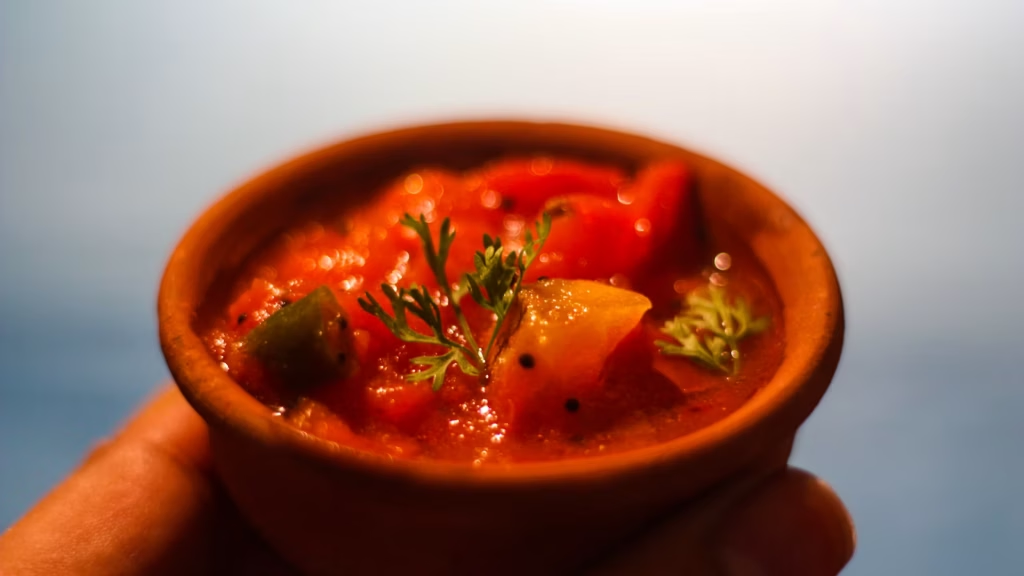
Chipotle sauce is one of those labels that sounds precise until two bottles sit side by side. One is brick-red, tangy, and pourable; the other is pale orange, creamy, and built for dipping fries. Both may be delicious. They are simply using the same smoky chile as a starting point and taking very different roads from there.
Think of chipotle as a flavor direction, not a single formula: smoke, ripe chile warmth, gentle fruitiness, and enough acidity or creaminess to turn those qualities into a sauce.
What chipotle sauce actually is
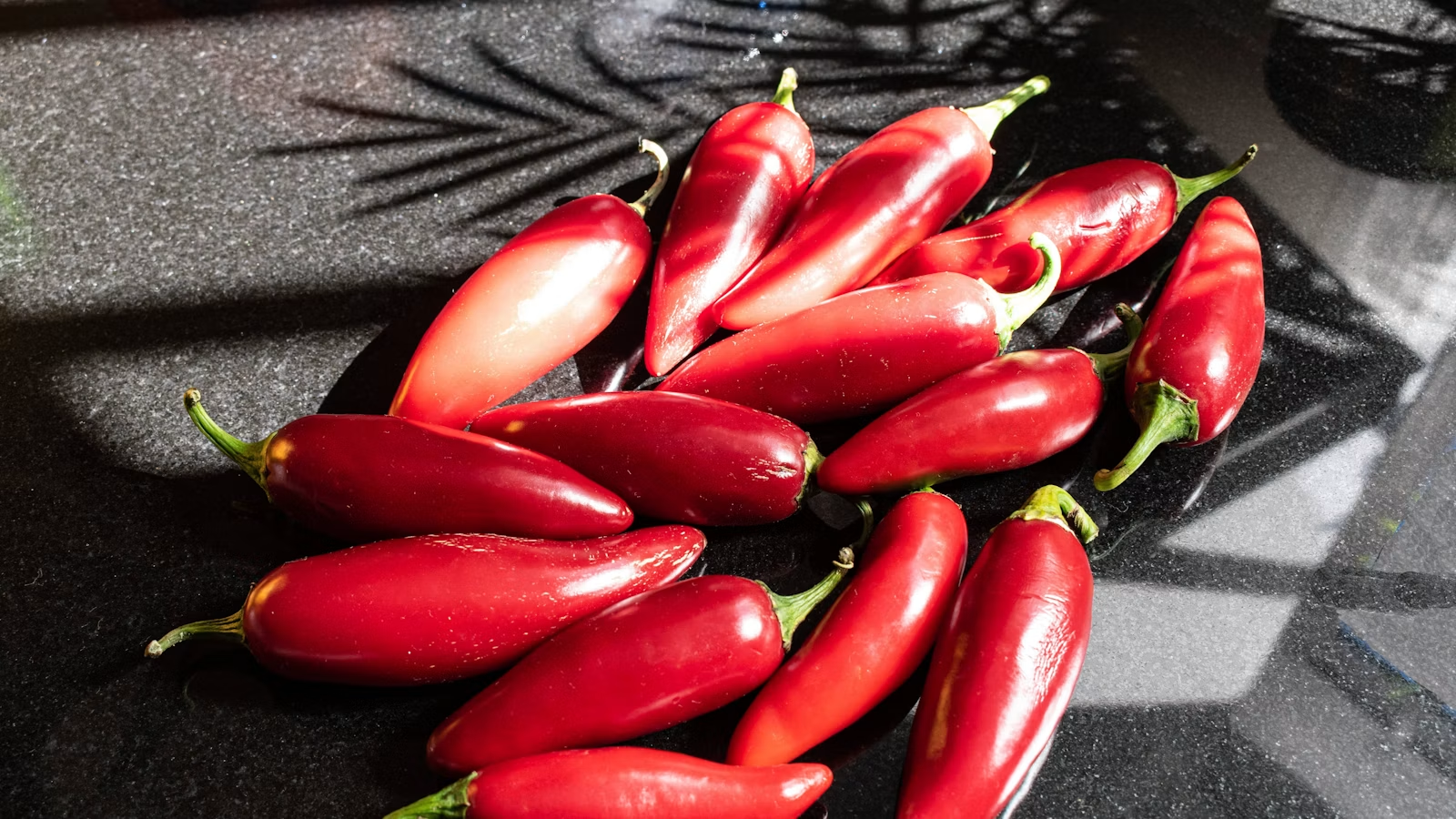
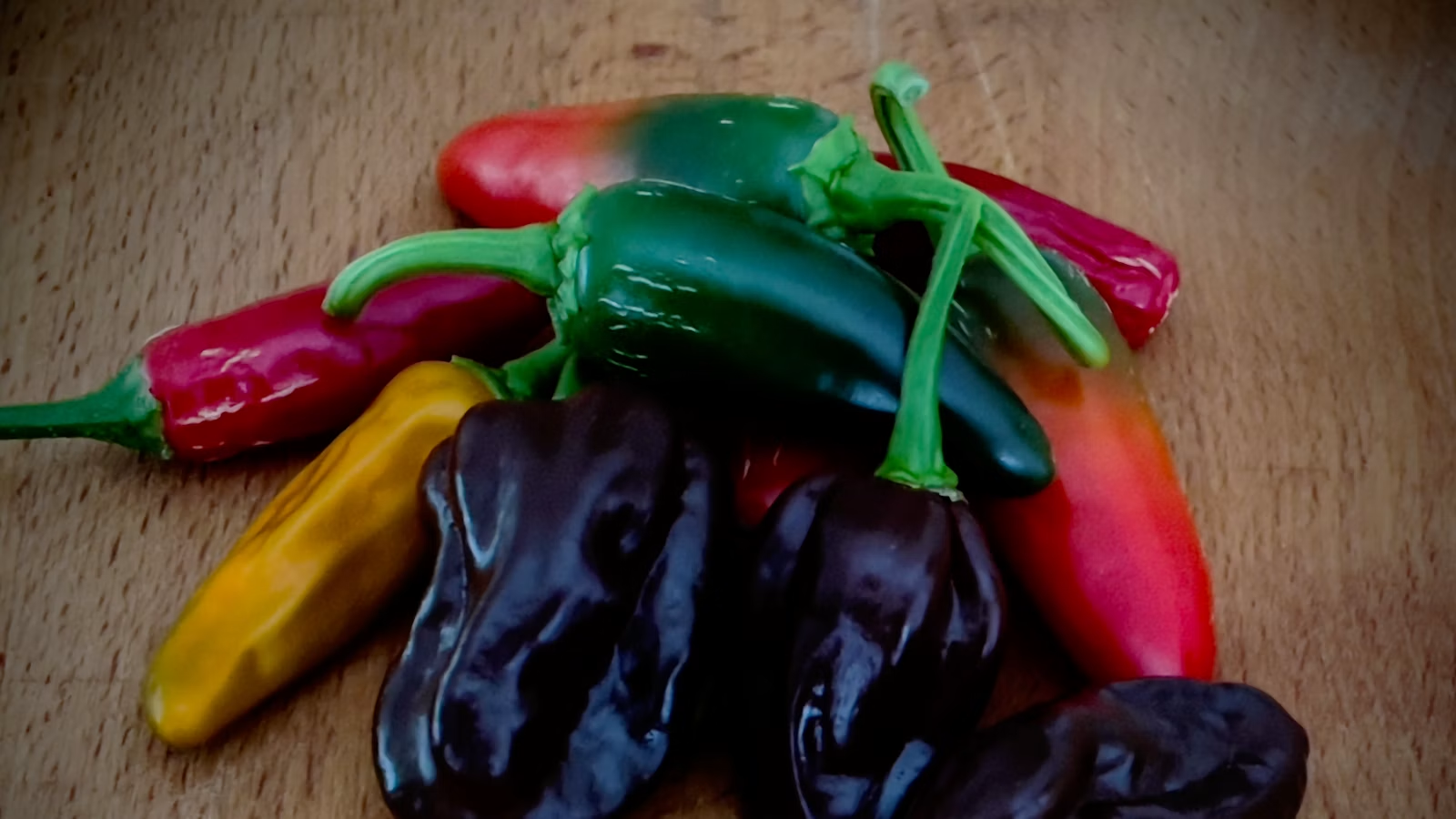
A chipotle is a ripe jalapeño that has been dried and smoked. Fresh jalapeños are usually harvested green, but peppers left to ripen turn red and develop a sweeter, fuller flavor. Smoking preserves them while adding the deep aroma that makes chipotle instantly recognizable. New Mexico State University’s Chile Pepper Institute describes chipotles as dried red jalapeños that are smoked and commonly used in sauces.
“Chipotle sauce” does not name one protected or standardized recipe. In a red table sauce, chipotle may be blended with tomatoes, vinegar, garlic, onion, salt, and spices. A creamy version may start with mayonnaise, sour cream, yogurt, or a plant-based alternative. Barbecue-style sauces can add molasses or brown sugar; hot sauces may be thin, sharp, and chile-forward.
Then there are chipotles in adobo: whole or chopped smoked peppers packed in a seasoned tomato-vinegar sauce. The adobo is not identical to every bottled chipotle sauce, but a spoonful of the peppers and their surrounding sauce is a common base for home cooking. It brings smoke, acidity, heat, and seasoning in one small, efficient package.
Why chipotle tastes smoky, earthy, and warm
Smoke is the headline, but it is not the whole story. Because the jalapeños ripen before drying, chipotles carry a rounded fruitiness under the char. Their heat is generally noticeable rather than reckless, although peppers vary and a concentrated sauce can feel much hotter than a creamy one.
The sauce’s supporting ingredients decide what you taste next. Tomato makes chipotle feel savory and familiar. Vinegar brightens the dark smoke. Garlic and onion give it breadth, while sugar softens rough edges. Fat from mayonnaise or dairy coats the palate, so a creamy chipotle sauce can taste gentler even when it contains a respectable amount of chile.
Two products with chipotle near the top of the ingredient list can still have completely different personalities. One may be a hot sauce for dashing; another may be a sandwich spread. This is why texture and ingredient order tell you more than the front label’s heroic picture of a pepper.
How to choose and use chipotle sauce
First decide what job the sauce needs to do. For tacos, eggs, grain bowls, or grilled vegetables, a thinner red sauce gives clean heat without adding much richness. For burgers, wraps, fries, or roasted potatoes, a creamy sauce clings better. In marinades and braises, chipotles in adobo are especially useful because both the peppers and the seasoned liquid dissolve into the dish.
Read the ingredient list if sweetness, sodium, allergens, or dairy matter to you. A creamy sauce may contain egg, milk, or soy; a “smoky” sauce may include natural smoke flavor in addition to actual chipotle. Neither detail automatically makes a product good or bad, but it tells you what you are buying.
Start with less than you think you need. Stir a teaspoon into mayonnaise, yogurt, hummus, tomato soup, or a pot of beans, then taste. For a vinaigrette, whisk a little sauce with lime juice and olive oil. For roasted vegetables, mix it with oil before cooking so the flavor spreads evenly instead of landing in one volcanic bite.
- Best savory pairings: chipotle’s smoke loves slow-cooked meat, but it also wakes up mushrooms, lentils, sweet potatoes, corn, and black beans. A modest spoonful is a natural fit in our barbacoa-style beef, where the chile’s earthy depth can support the braise rather than turn it into a dare.
Storage, heat, and nutrition notes
Unopened commercial sauces should be stored as the label directs. After opening, follow the refrigeration statement rather than assuming that vinegar makes every sauce shelf-stable. Creamy sauces belong in the refrigerator. Transfer leftover canned chipotles in adobo to a clean covered container instead of storing them in the opened can.
For homemade sauces, refrigerate promptly in a clean container and make small batches you can use quickly. The FDA advises keeping the refrigerator at 40°F (4°C) or below and discarding food that looks or smells suspicious. Mold, bubbling that was not present before, a swollen container, or an unpleasant fermented odor are reasons to let the sauce go. A taste test is not a safety test.
Heat level is personal and not always predictable from color. If a sauce is too hot, dilute it with the same base: more tomato for a red sauce, or more yogurt or mayonnaise for a creamy one. Acid can make the flavor brighter, but it does not erase capsaicin. Water usually spreads the sensation around without providing much relief.
- Check the label: nutrition varies widely. A thin chile-vinegar sauce may be low in calories but fairly salty. Creamy versions can contribute more fat and calories, while sweet barbecue-style sauces may add significant sugar. Check the serving size and sodium, sugar, saturated fat, and allergen lines on the exact bottle you are using.
Chef Rick Bayless demonstrates a roasted-tomatillo chipotle salsa below. This is the tangy salsa side of the family, with canned chipotles in adobo, rather than a creamy mayonnaise-based dip.
Sources
- New Mexico State University Chile Pepper Institute: Eating Well with New Mexico Chiles
- U.S. Food and Drug Administration: Are You Storing Food Safely?
- USDA Food Safety and Inspection Service: Refrigeration and Food Safety
- USDA Food Safety and Inspection Service: Leftovers and Food Safety

Hi, I’m Laura, the voice behind Tastiva. I’ve always believed that eating well should feel enjoyable, comforting, and realistic—not like another complicated rule to follow. I love creating recipes that fit into everyday life, sharing simple nutrition ideas, and finding small ways to make meals feel a little better without losing the pleasure of good food.