
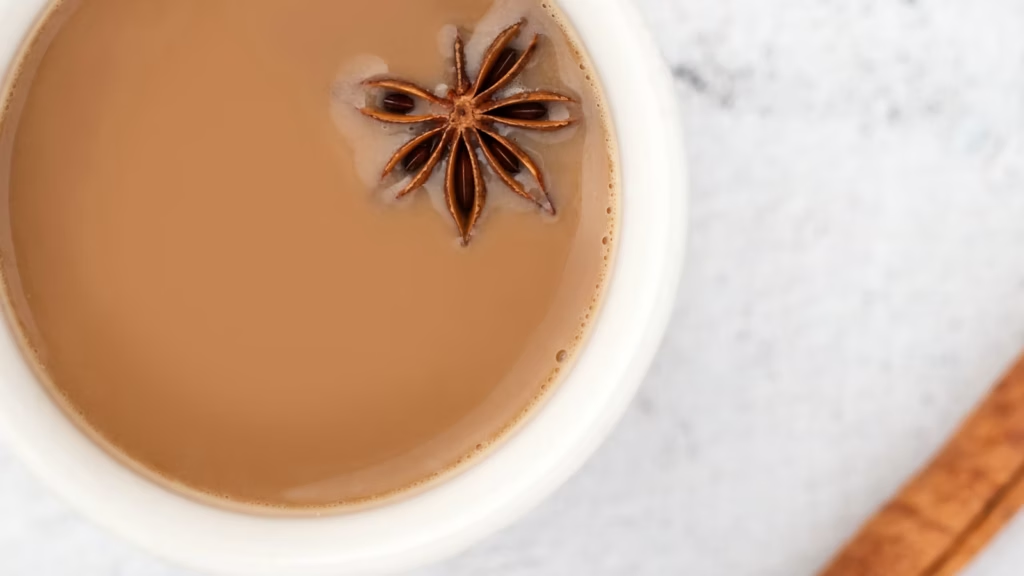
A good chai latte should taste like tea first, with warm spice moving in right behind it—not like warm milk wearing a cinnamon hat. This homemade version starts with whole spices and brisk black tea, then adds milk and just enough sweetness to round the edges. It is cozy, fragrant, and pleasantly assertive, which is exactly what I want from a mug on a gray afternoon.
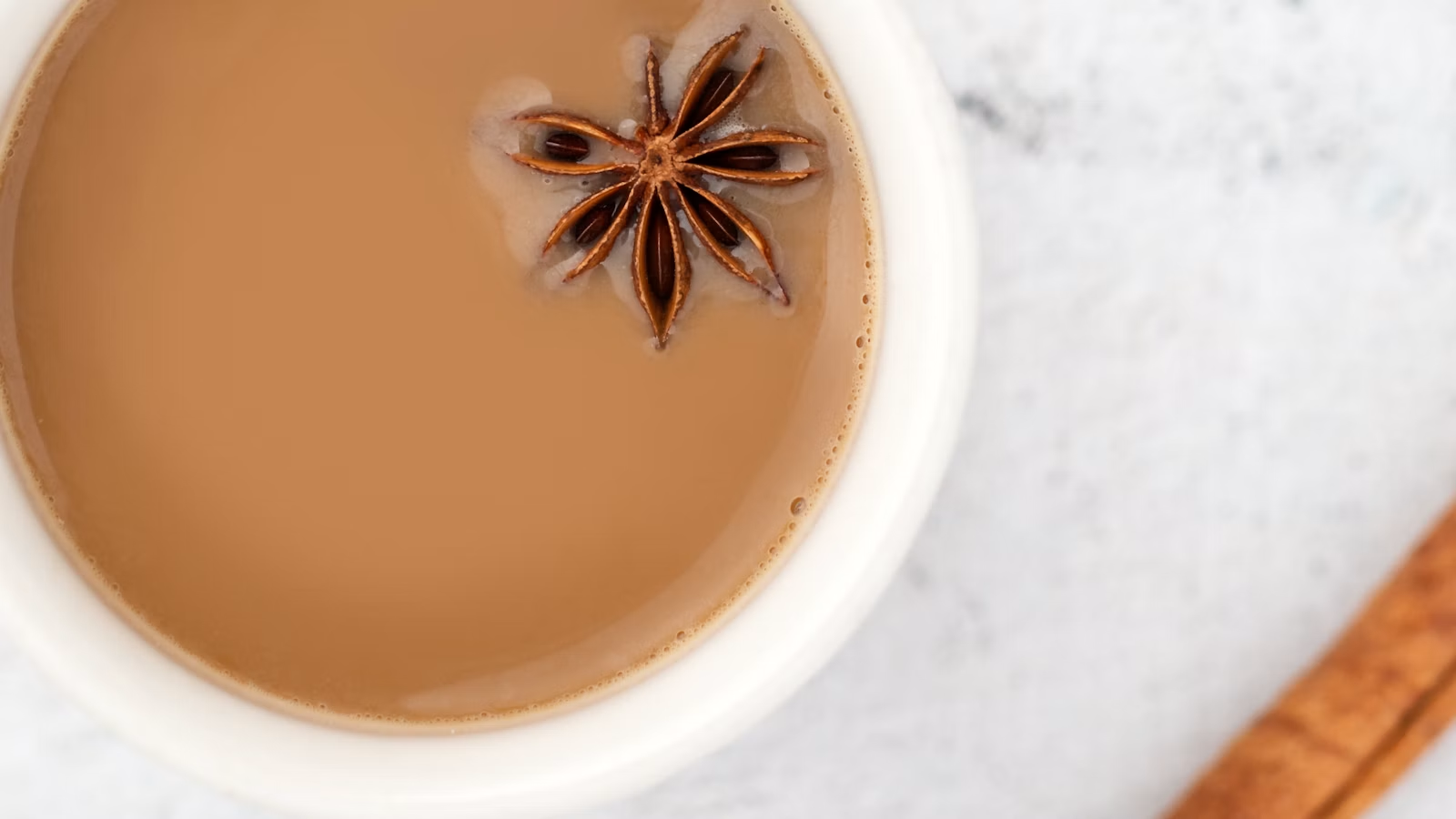
The method is simple, but the order matters. Simmer the spices in water so their flavor has room to open, steep the tea off the heat, and add the milk last. That keeps the tea lively and prevents the milk from scorching while you wait for the ginger to do something interesting.
Why this chai latte works
Many café chai drinks begin with a sweet concentrate. Convenient, yes, but often the sugar gets the loudest voice. Here, you control the sweetness and the spice. A cinnamon stick brings round warmth, cardamom adds a floral-citrusy note, cloves lend depth, and fresh ginger supplies a clean little spark.
Black tea gives the drink backbone. Assam is my first choice because its malty flavor stays noticeable after milk is added, although a sturdy English breakfast tea works well too. Save delicate leaves for another cup; our Japanese green tea guide explains why gentler teas prefer a different brewing approach.
Build the spice flavor first
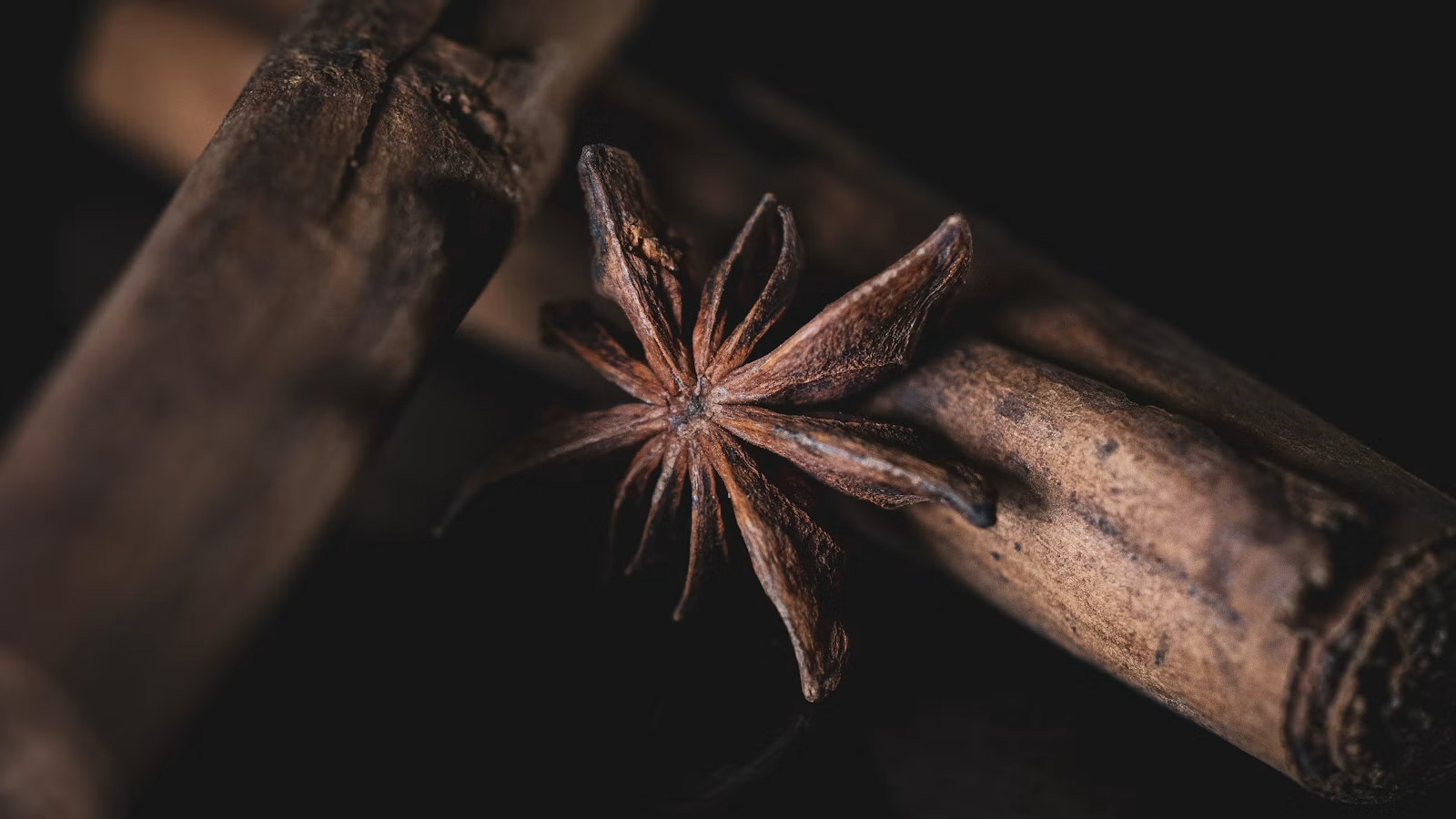
Lightly crush the cardamom pods and cinnamon before they go into the saucepan. You are not trying to make spice dust; you only want to expose more fragrant surface. Simmer them with the cloves and sliced ginger for five minutes. The kitchen will smell very convincing before the drink is even finished.
Then take the pan off the heat and add the tea. Three minutes gives a full-flavored cup without hauling out too much bitterness. If you like a stronger drink, use a little more tea rather than steeping it forever. Over-steeped black tea can taste harsh, and no amount of foam can negotiate with it.
Choose your milk and sweetness
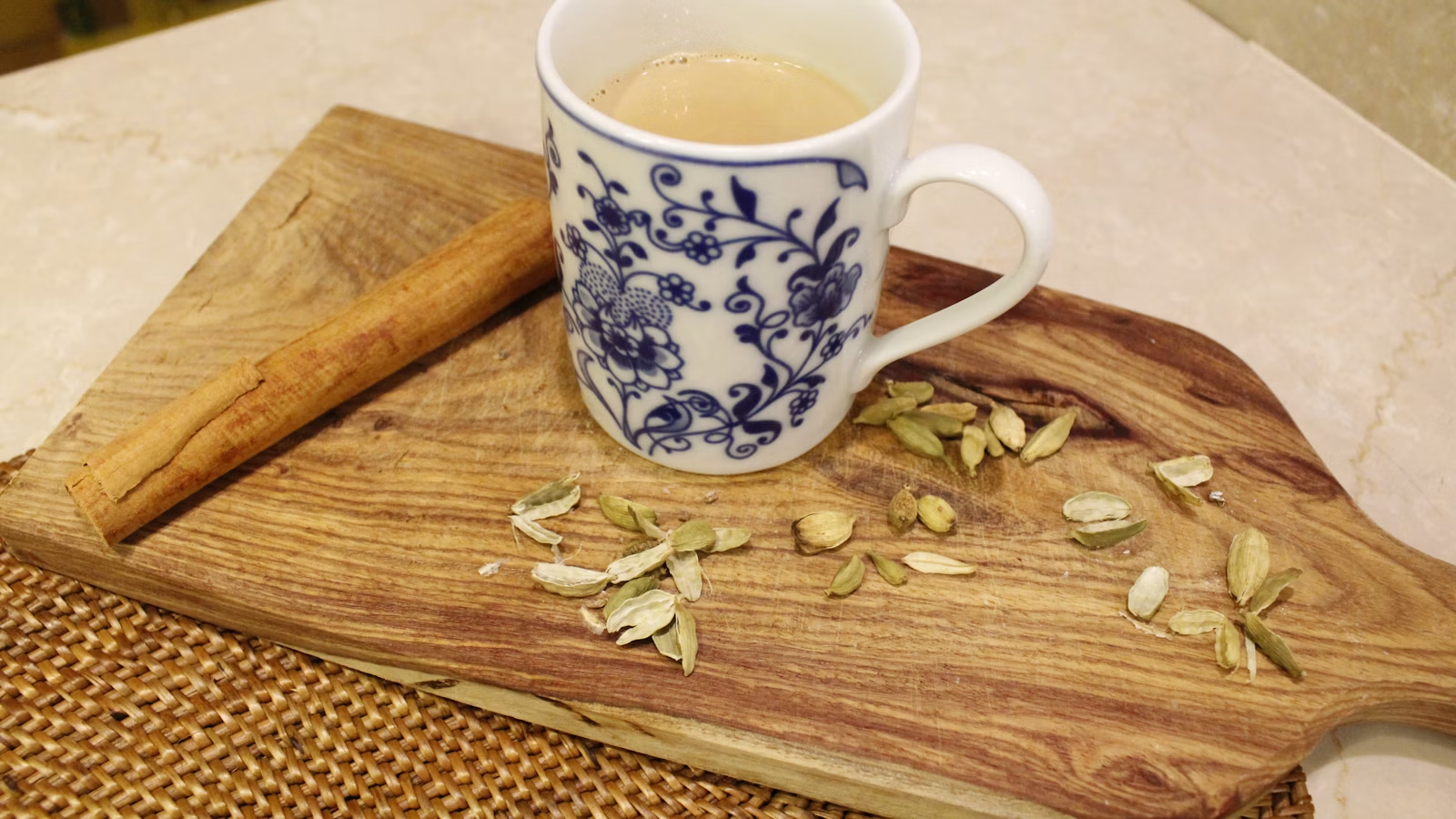
Whole milk makes the roundest, silkiest chai latte, while 2% keeps it a little lighter. Unsweetened oat milk is my favorite dairy-free option because it has enough body to soften the spices. Almond milk works, but its thinner texture produces a less plush cup. Whatever you choose, heat it gently until steaming; a rolling boil can create a cooked flavor and a foamy mess on the stove.
Start with one tablespoon of brown sugar or maple syrup for the whole batch, taste, then add more if you want it. Brown sugar emphasizes the caramel notes in black tea; maple syrup is softer and slightly woodsy. Vanilla is optional. I like half a teaspoon when I am aiming for a café-style latte, but I leave it out when I want the cardamom to lead.
If your first sip feels flat, add a pinch of salt before reaching for more sugar. It sounds odd, but a tiny amount can sharpen the spice and make the drink taste fuller. If it is too intense, add another splash of warm milk. This is also an easy recipe to scale: double everything for four mugs, but use a saucepan with plenty of headroom. Milk has a remarkable talent for climbing out of a small pan the moment you look away.
Make it foamy—or serve it iced
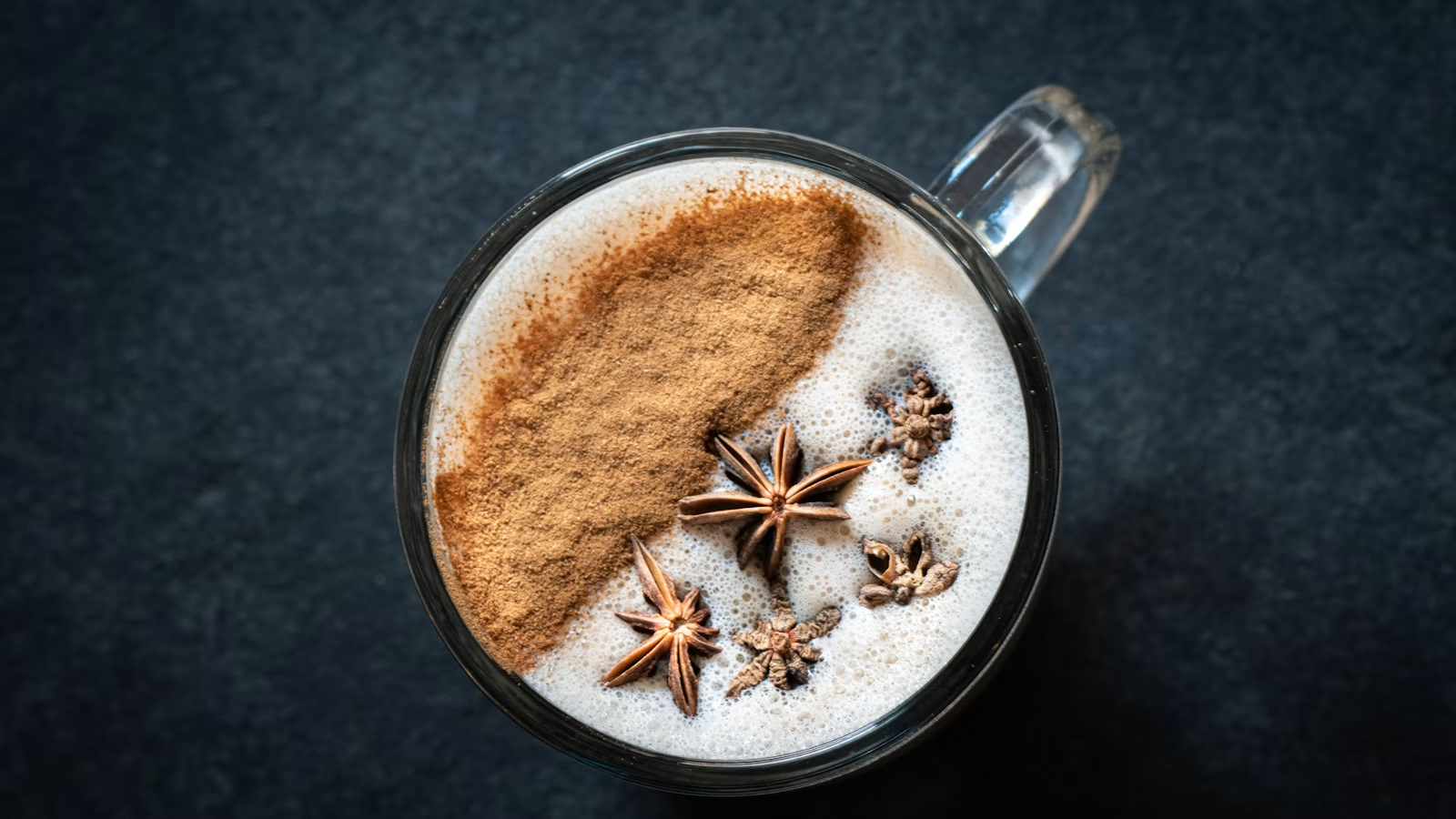
You do not need an espresso machine. Strain the chai, whisk a small amount briskly in a heatproof measuring cup, and spoon that foam over each mug. A handheld frother makes the job faster. For an extra cloud of foam, the same ideas in our cold foam recipe can be adapted with a restrained hand so the chai still tastes like chai.
For iced chai, let the strained mixture cool, refrigerate it promptly, and serve it over plenty of ice. Make it slightly stronger or reduce the water by a few tablespoons because melting ice dilutes the drink. Keep any milk-based leftovers covered in a refrigerator at 40°F (4°C) or below, following FDA refrigeration guidance, and enjoy them within a couple of days for the freshest flavor.
The chai latte recipe
This recipe makes two generous mugs and takes about 15 minutes. Taste before the final pour: tea strength, spice, and sweetness are personal, and your saucepan is allowed to have an opinion.
Chai Latte Recipe

Ingredients
- 1 1/2 cups water
- 1 cinnamon stick lightly crushed
- 5 green cardamom pods lightly crushed
- 4 whole cloves
- 1 inch fresh ginger thinly sliced
- 2 black tea bags or 2 teaspoons loose black tea
- 1 1/2 cups milk dairy or unsweetened oat milk
- 1 to 2 tablespoons brown sugar or maple syrup to taste
- 1/2 teaspoon vanilla extract optional
Equipment
- 1 small saucepan
- 1 fine-mesh strainer
- 1 small whisk optional, for foam
Instructions
- Add the water, cinnamon, cardamom, cloves, and ginger to a small saucepan. Bring to a boil, then reduce the heat and simmer gently for 5 minutes.
- Remove the pan from the heat. Add the black tea and steep for 3 minutes. For a stronger cup, steep 1 minute longer, but avoid a long steep that can make the tea bitter.
- Return the pan to medium-low heat. Stir in the milk and brown sugar. Heat until steaming and tiny bubbles gather at the edge, 2 to 3 minutes; do not let it boil over.
- Remove from the heat and stir in the vanilla, if using. Strain into two warm mugs. Whisk a small portion until foamy and spoon it on top if you want a café-style finish.
Nutrition
Video
Notes
Tried this recipe?
Let us know how it turned out!Sources
Hi, I’m Laura, the voice behind Tastiva. I’ve always believed that eating well should feel enjoyable, comforting, and realistic—not like another complicated rule to follow. I love creating recipes that fit into everyday life, sharing simple nutrition ideas, and finding small ways to make meals feel a little better without losing the pleasure of good food.