
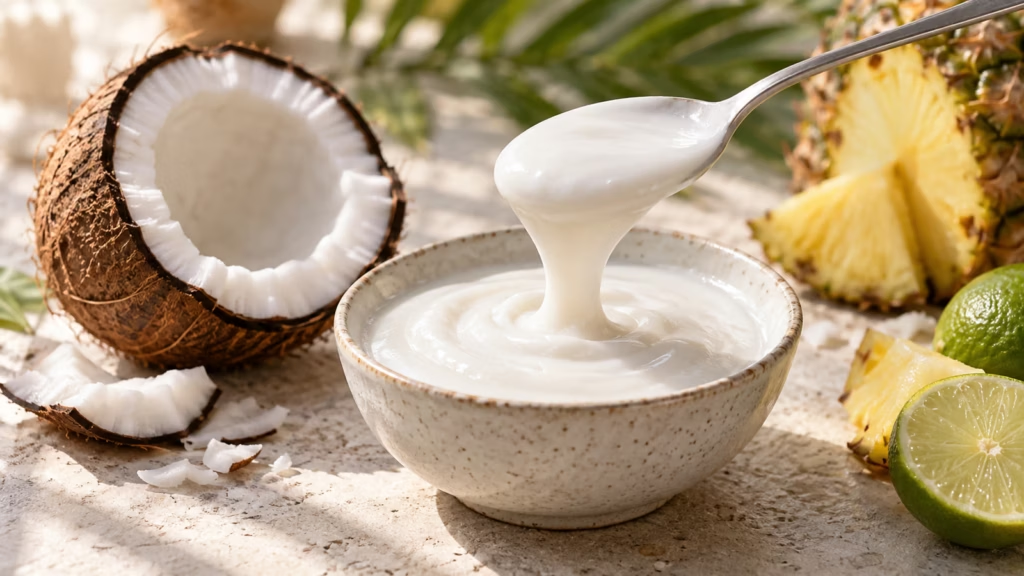
You reach for a creamy coconut can, open it over a curry, and discover something closer to frosting. The names are unfairly similar. Cream of coconut is a thick, sweetened coconut product made for drinks and desserts; it is not the same as unsweetened coconut cream, canned coconut milk, or the coconut beverage sold beside other milks.
Cream of coconut is not coconut cream with the words rearranged. The added sugar changes its flavor, texture, and job in the kitchen.
What cream of coconut actually is
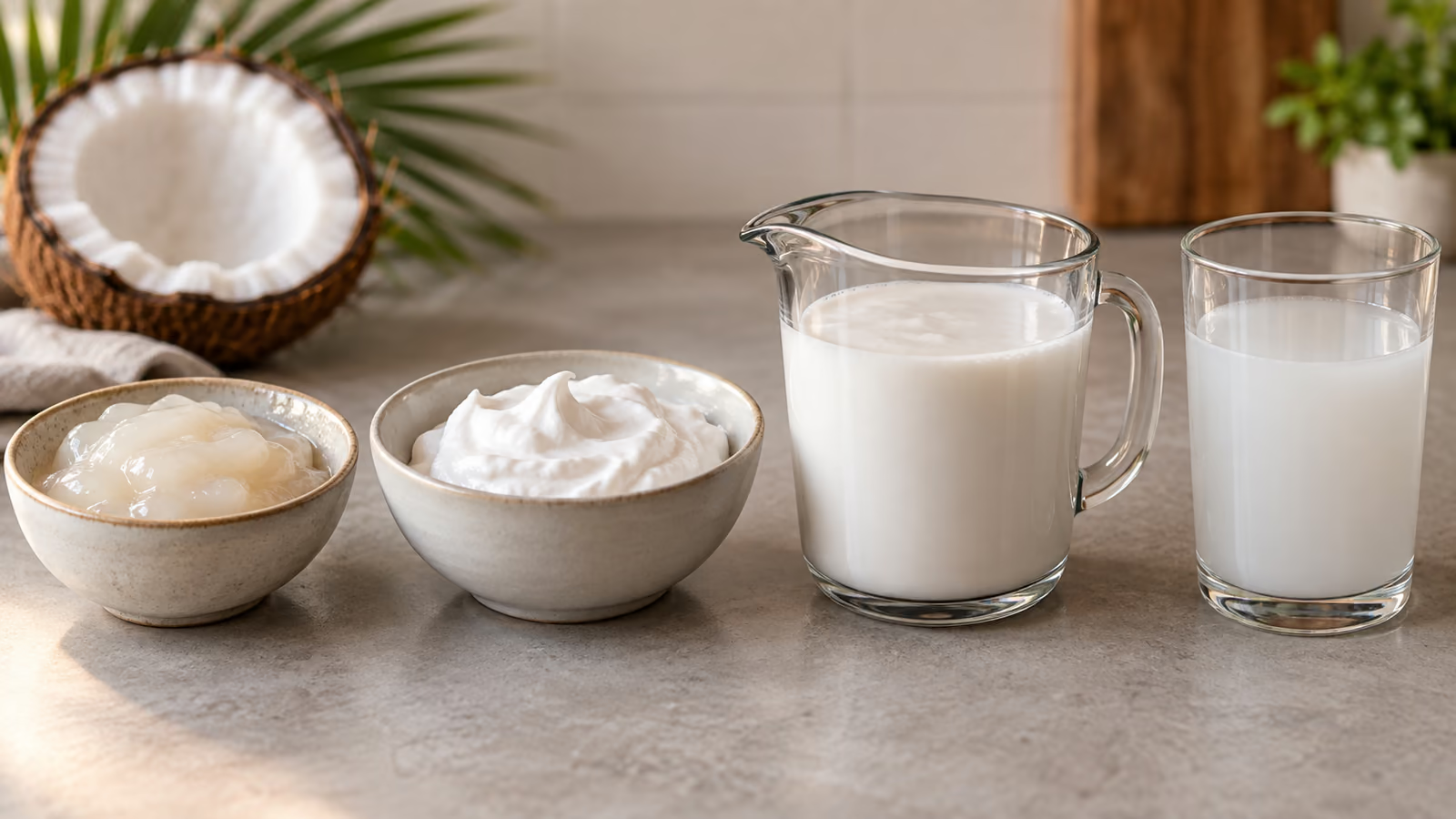
Cream of coconut combines coconut with sugar and is usually emulsified so it pours as a smooth, rich syrup. Brands may include water, salt, stabilizers, or preservatives as well. It is closely associated with tropical drinks such as the piña colada, but it also brings coconut flavor and sweetness to frozen desserts, cakes, puddings, sauces, and alcohol-free drinks.
The texture can range from spoonable to pourable, and separation is common. A cooler can may look very firm; a warmer one may flow easily. Unless the label says otherwise, stir or whisk the entire contents before measuring so you do not use a layer of concentrated fat in one recipe and a thinner sweet layer in the next.
Despite the word “cream,” many products contain no dairy ingredients. That can make cream of coconut useful in dairy-free cooking, but it is not a guarantee for allergies or vegan needs. Read the full ingredient and allergen statements each time, especially with flavored products or brands made on shared equipment.
Cream of coconut vs. coconut cream and coconut milk
Coconut milk and coconut cream are made by extracting liquid from coconut flesh, with coconut cream generally richer and less diluted. They are usually unsweetened when sold for cooking. Cream of coconut starts in the same coconut family but adds substantial sweetness and a processed, stable texture. Swapping it cup for cup into a savory soup can turn dinner into dessert surprisingly fast.
- Cream of coconut: sweetened, thick, smooth; designed for cocktails and desserts.
- Coconut cream: rich and usually unsweetened; useful for curries, desserts, and whipping when the product allows.
- Canned coconut milk: more fluid; common in soups, stews, curries, and baking.
- Carton coconut beverage: diluted for drinking and often fortified; not a direct stand-in for canned products.
- Sweetened condensed coconut milk: a very sweet concentrated product with a different consistency and substitution ratio.
If a recipe simply says “coconut cream,” check whether it is savory or sweet and look for clarification from the author. A piña colada almost certainly wants cream of coconut; a Thai curry almost certainly does not. When the recipe is vague, the sugar line on the Nutrition Facts panel is a useful detective.
Nutrition: think of it as a sweet ingredient
Cream of coconut is concentrated, sweet, and often rich in saturated fat. Serving sizes and formulas differ widely, so the package is the right place for exact numbers. The Added Sugars line tells you how much sugar the manufacturer put in; the serving size tells you whether that number describes a tablespoon, two tablespoons, or something larger.
I think of it the way I think of maple syrup or sweetened condensed milk: a flavorful ingredient to measure, not a beverage base to pour without looking. That framing keeps the pleasure intact. You can use enough for the coconut flavor and silky body you want, then let unsweetened fruit, ice, citrus, coffee, or another liquid make up the rest.
Coconut-based does not automatically mean “lighter” or heart-healthier than dairy. Coconut fat is high in saturated fat, while the sweetener adds sugar. None of that makes a spoonful forbidden; it simply explains why cream of coconut belongs in the sweet-ingredient part of the pantry rather than beside unsweetened everyday milk.
How to use and store it without waste
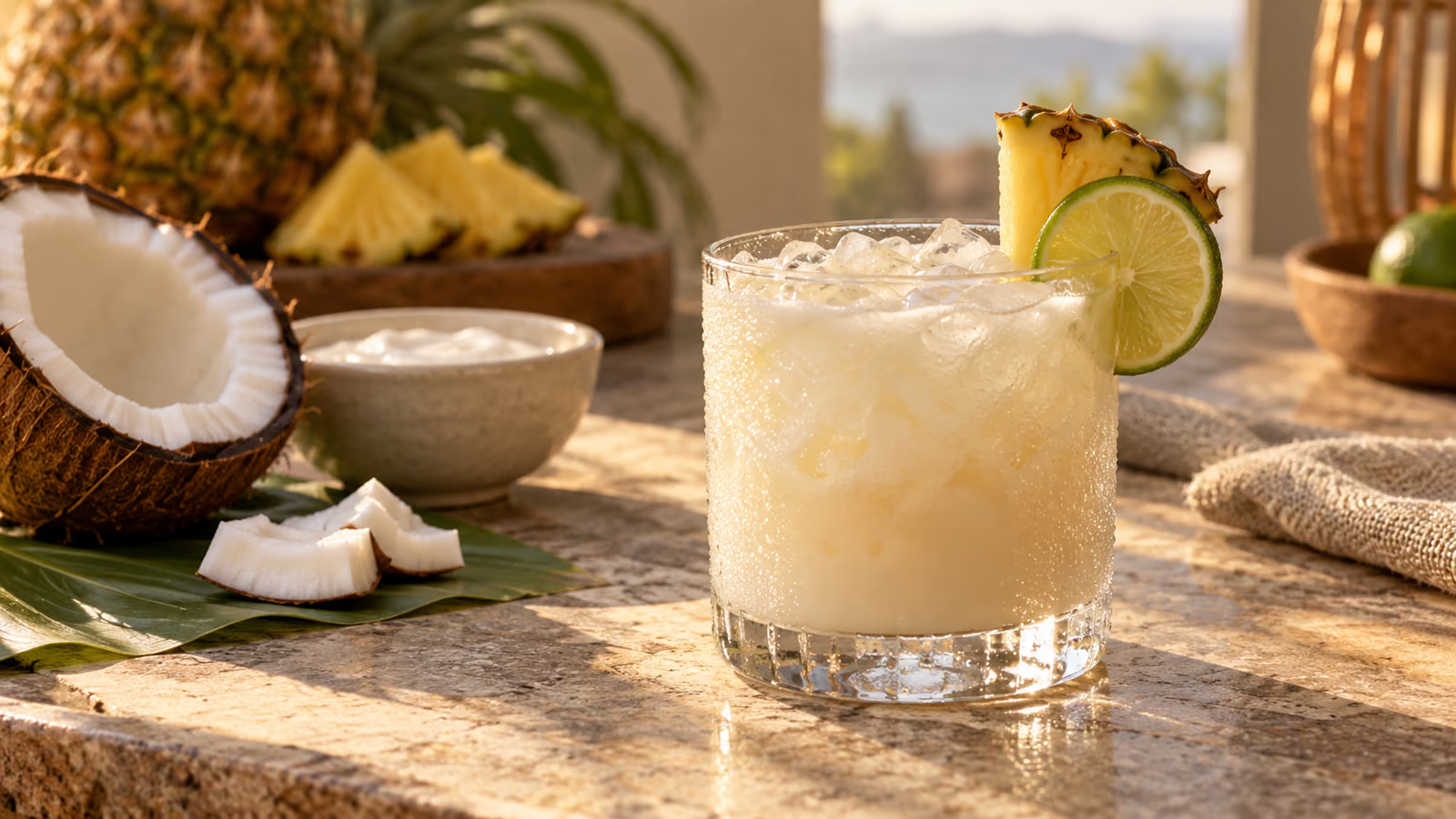
Measure cream of coconut into pineapple smoothies, mocktails, blended cocktails, overnight oats, glazes, ice pops, or a coconut-lime drizzle. Start small because it sweetens quickly. For a nonalcoholic tropical drink, blend a little with pineapple, lime, ice, and enough unsweetened coconut milk or water to reach the texture you like.
After opening, follow the manufacturer’s refrigeration and use-by directions. Transfer leftovers from a can to a clean covered container if the label recommends it. For longer storage, freeze measured portions in a clean ice-cube tray, then move the solid cubes to a labeled freezer bag; texture may loosen after thawing, but a quick whisk often makes it useful in blended drinks and baking.
If you bought the wrong coconut product, pause before forcing the substitution. Unsweetened coconut cream can sometimes be sweetened for a dessert, while cream of coconut can sometimes be diluted for a sweet drink, but neither adjustment is universally one-to-one. The kindest move for your recipe is also the simplest: read the front, flip to the ingredient list, and decide whether you need rich coconut, sweet coconut, or a drinkable coconut beverage.
Sources
- U.S. Food and Drug Administration: Added Sugars on the Nutrition Facts Label
- USDA FoodData Central: Coconut Cream Search
- Dietary Guidelines for Americans
- Epicurious: What Is Cream of Coconut?

Hi, I’m Laura, the voice behind Tastiva. I’ve always believed that eating well should feel enjoyable, comforting, and realistic—not like another complicated rule to follow. I love creating recipes that fit into everyday life, sharing simple nutrition ideas, and finding small ways to make meals feel a little better without losing the pleasure of good food.