
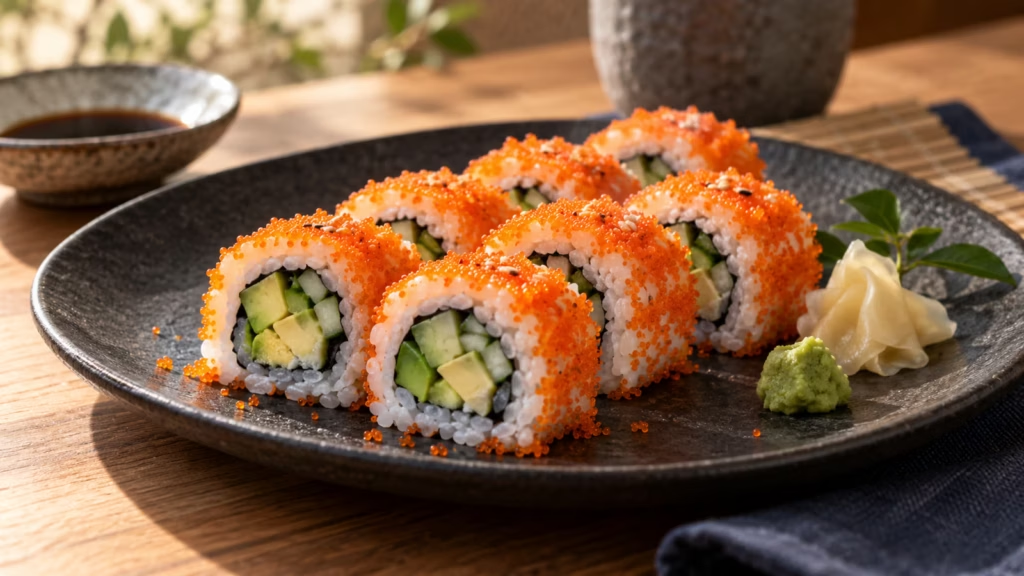
A sushi roll arrives with a confetti-like layer of tiny orange beads, and the first bite gives a gentle salty pop. That topping is often masago: the roe, or eggs, of capelin, a small fish in the smelt family. It is used in small amounts for color, savoriness, and texture, and it is usually less expensive and more delicate than tobiko.
Masago is a garnish with real character, not a nutrition shortcut: a little brings briny flavor, fine texture, and plenty of label-reading questions.
What masago is and what it tastes like
Capelin are small, cold-water forage fish that feed larger fish, seabirds, and marine mammals. Masago comes from mature female capelin. The eggs are naturally small and relatively pale; commercial products may be salted, flavored, and colored orange, red, black, green, or another shade to suit the dish.
The flavor is mild, briny, and slightly sweet rather than intensely fishy. Texture is the bigger clue: many tiny beads give a fine, soft crunch that spreads across the bite. You will see masago on sushi rolls, in hand rolls and rice bowls, and stirred into creamy sauces. Because a spoonful goes a long way, it works best as an accent.
“Roe” is the broad word for fish eggs. “Caviar” is traditionally reserved for salt-cured sturgeon roe, though menus and packages sometimes use the word loosely. A product labeled “masago caviar” is still capelin roe, so the species line on the ingredient panel is more informative than the elegant name on the front.
Masago vs. tobiko and ikura
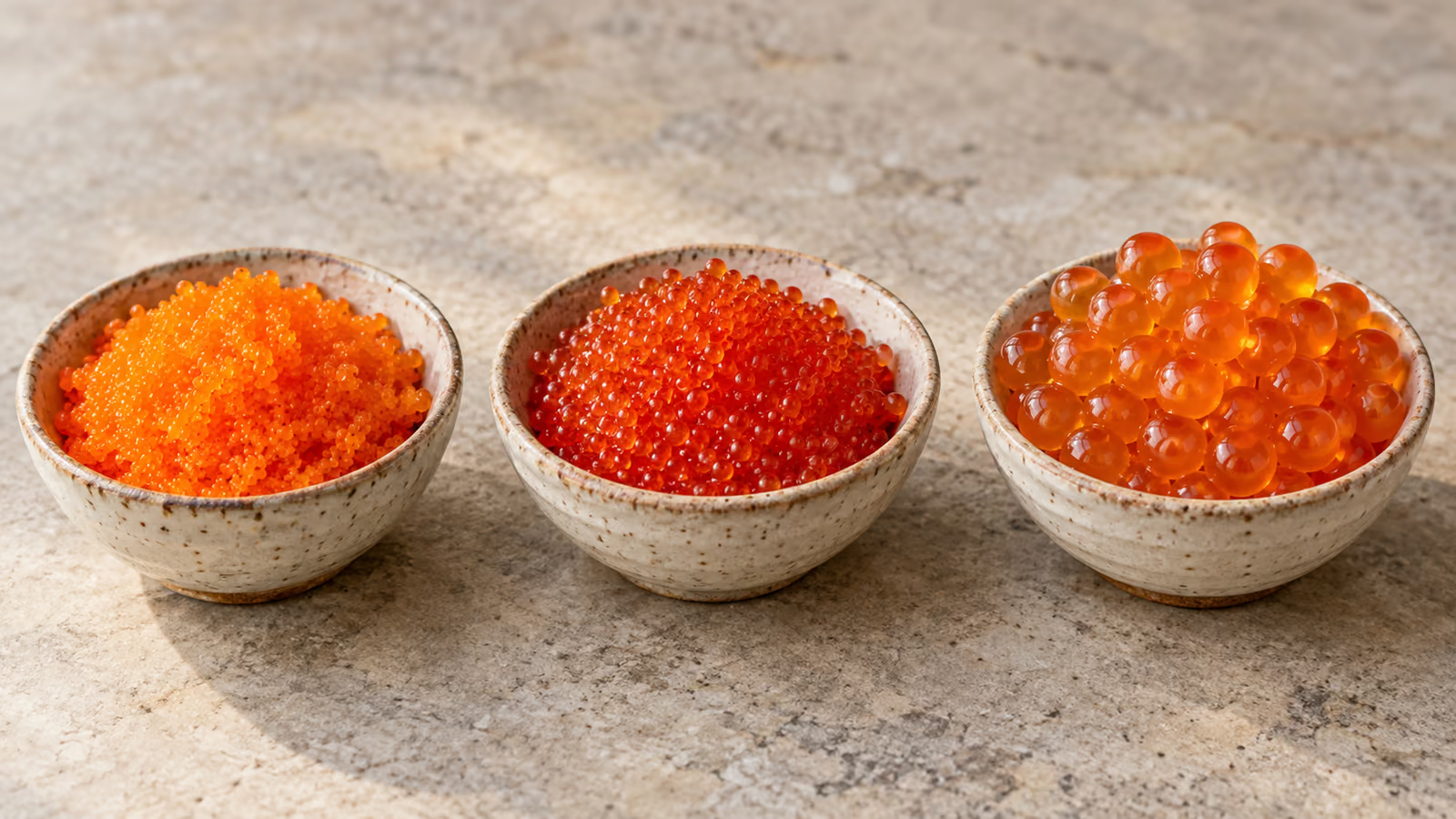
Masago and tobiko can look similar when both are orange, but tobiko comes from flying fish. Tobiko eggs are usually larger, firmer, and more distinctly crunchy, with a somewhat fuller flavor. Masago is finer and often costs less, which is why restaurants may use it alone or blend it into sauces.
Ikura is salmon roe. Its eggs are dramatically larger, translucent, and juicy, bursting rather than gently crunching. True sturgeon caviar has its own sizes, colors, and grading traditions. None is automatically “better”; they create different experiences and different grocery bills.
- Masago: capelin roe; very small beads, mild briny flavor, delicate pop.
- Tobiko: flying-fish roe; larger, firmer beads and a stronger crunch.
- Ikura: salmon roe; large, glossy eggs with a juicy burst.
- Sturgeon caviar: salt-cured sturgeon roe; distinct species, traditions, and price range.
Masago nutrition and why the portion matters
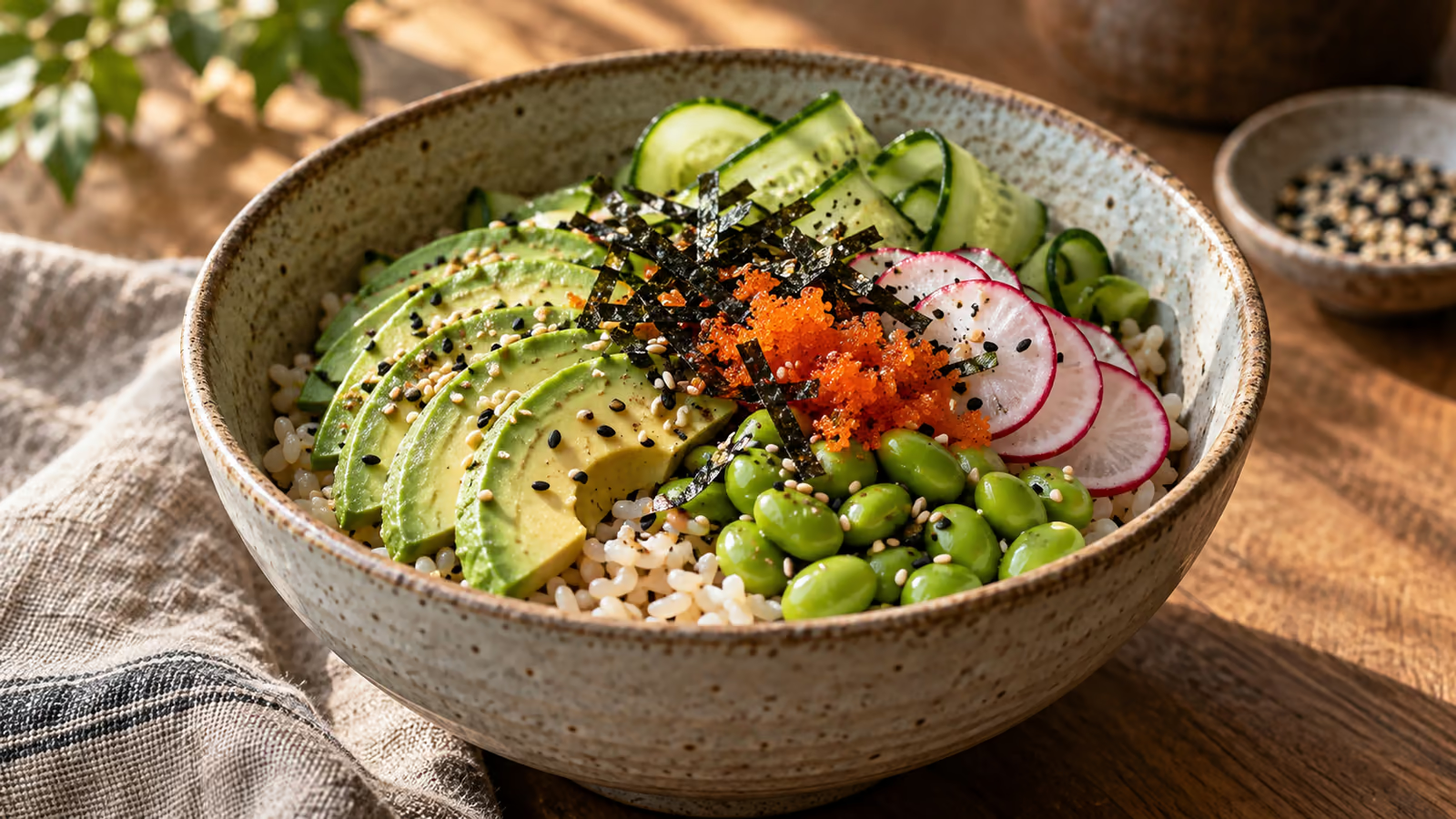
Fish roe can provide protein, fat—including long-chain omega-3 fats—and nutrients such as vitamin B12 and selenium. But masago is usually eaten by the teaspoon or tablespoon, not as a full seafood portion. That small amount can add useful nutrients, yet it should not be compared with a fillet of fish as though the servings were equal.
Salt is often added during processing, and sodium varies widely between products. Colorings, sweeteners, flavor enhancers, and preservatives may appear too. I would compare the serving size, sodium, and ingredient list rather than assume every bright-orange tub is the same. A little masago on a vegetable-rich bowl is different from a heavily sauced roll with several salty toppings.
Masago can fit beside other seafood, but variety still matters. Whole fish provides a much larger serving of protein and is easier to evaluate on official fish-advice charts. Our guide to choosing and cooking swai fish explains why species, label details, and preparation deserve more attention than a simple “healthy fish” ranking.
How to buy and eat masago safely
Buy refrigerated or frozen masago from a seller that keeps it properly cold. Check the species, ingredients, allergen statement, use-by guidance, and whether the product is pasteurized or ready to eat. At home, follow the package after opening; use a clean utensil, return it promptly to the refrigerator, and discard it if the odor, texture, or package condition is concerning.
Masago is fish and can trigger a fish allergy. Sushi rolls and seasoned roe may also contain soy, wheat, sesame, egg, or other allergens through sauces and shared preparation. When an allergy or celiac disease makes cross-contact important, ask the restaurant specific questions rather than relying on the visible topping.
Raw or undercooked seafood carries foodborne-illness risk. FDA guidance says pregnant people, young children, older adults, and people with weakened immune systems should avoid raw or undercooked seafood. Because processing varies, those groups should choose clearly cooked or otherwise appropriate products and ask a clinician when pregnancy or a medical condition changes the decision. Masago can be a lovely small flourish; it does not need a health halo—or a guess about safety—to earn its place.
Sources
- NOAA Fisheries: Capelin and the Marine Ecosystem
- U.S. Food and Drug Administration: Selecting and Serving Seafood Safely
- FoodSafety.gov: Safe Selection and Handling of Fish and Shellfish
- USDA FoodData Central: Fish Roe Search

Hi, I’m Laura, the voice behind Tastiva. I’ve always believed that eating well should feel enjoyable, comforting, and realistic—not like another complicated rule to follow. I love creating recipes that fit into everyday life, sharing simple nutrition ideas, and finding small ways to make meals feel a little better without losing the pleasure of good food.