
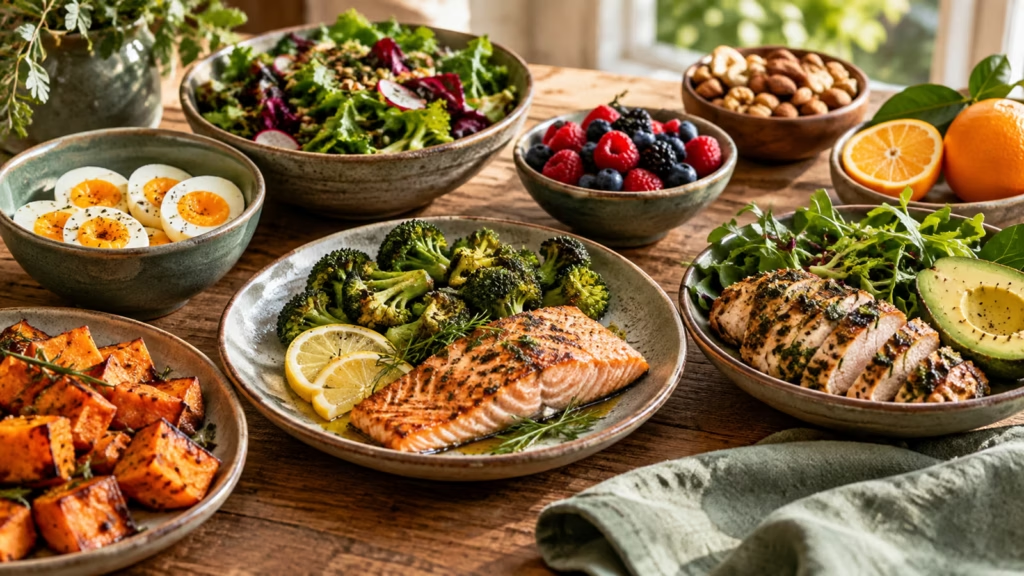
A meal plan can look wonderfully calm on Sunday and strangely demanding by Wednesday night. This paleo meal plan is built to survive the middle of the week: dinners create planned leftovers, breakfasts repeat on purpose, and snacks are optional rather than another assignment. It follows a modern paleo pattern of vegetables, fruit, eggs, fish, meat, nuts, seeds, and selected oils while leaving out grains, legumes, and dairy.
A useful paleo meal plan should reduce decisions, not turn every meal into a test of willpower or a performance of perfect eating.
What this paleo meal plan includes—and leaves out
There is no single historic “Paleolithic diet,” and modern paleo rules vary. Most versions emphasize minimally processed animal proteins, vegetables, fruit, nuts, and seeds while excluding grains, beans and lentils, dairy, refined sugar, and many processed foods. Potatoes, coffee, alcohol, salt, and certain oils sit in a gray area depending on the plan.
For this week, I use sweet potatoes, plantain, olive oil, and unsweetened coconut products. I do not require specialty paleo bars, flours, or sauces. If your version excludes white potatoes or a particular condiment, swap it without rebuilding the whole day. The plan is a template, not a biological law or a promise that one definition is more “ancestral” than another.
Paleo can increase vegetables and reduce highly refined foods, but it also removes nutritious staples such as whole grains, legumes, and dairy. That tradeoff matters. If you are choosing it for a medical condition, weight change, pregnancy, athletic performance, kidney disease, an eating-disorder history, or a child, involve a qualified clinician or registered dietitian rather than relying on a generic week online.
The seven-day paleo meal plan
Portions are intentionally not fixed. Hunger, body size, activity, goals, medication, and health conditions change what enough food looks like. Add more of the meal, include an extra snack, or reduce a portion according to your needs. Use pasteurized products and fully cooked eggs or seafood when pregnancy or immune status calls for extra food-safety care.
| Day | Breakfast | Lunch | Dinner | Snack, if wanted |
|---|---|---|---|---|
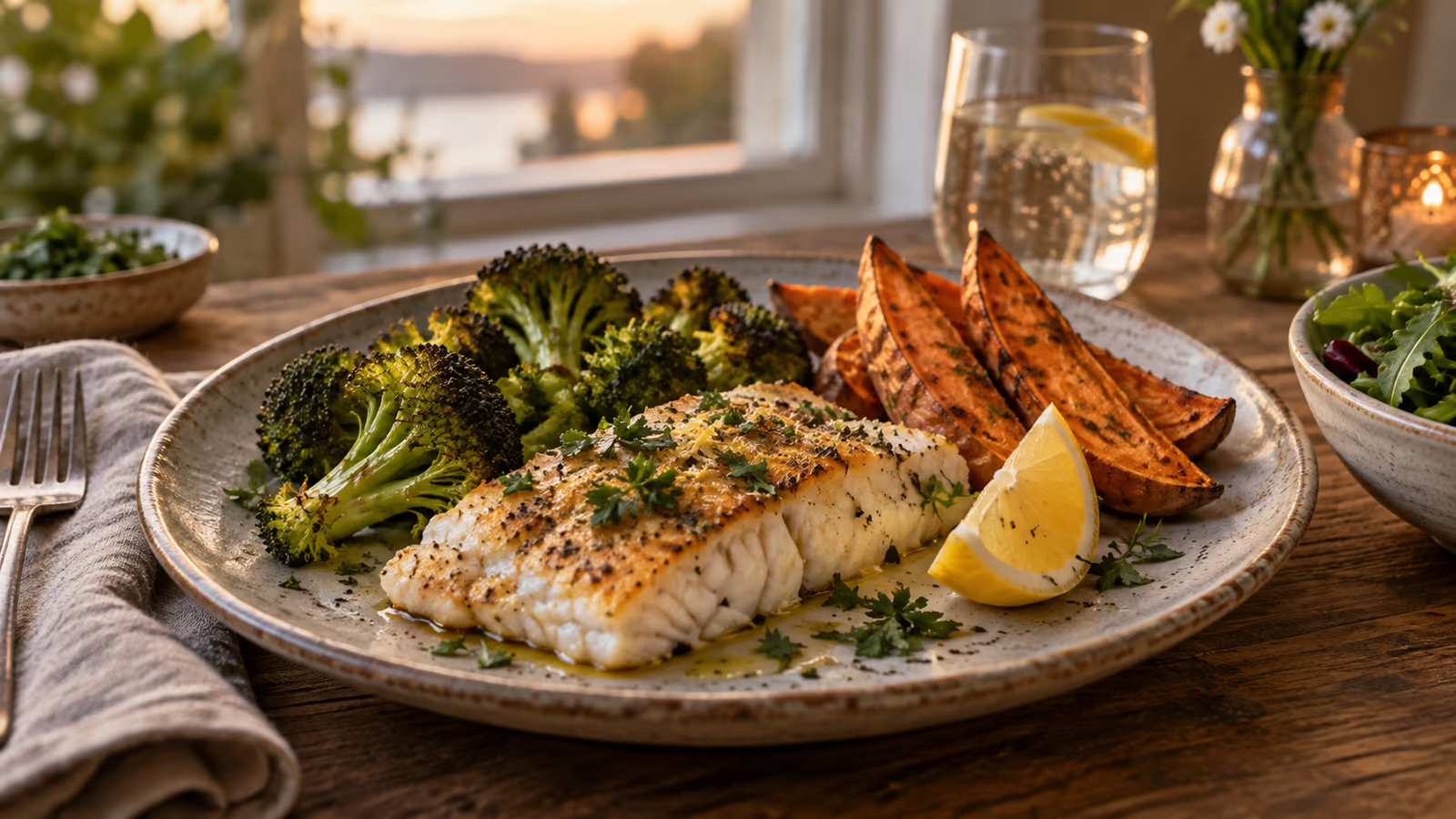
| 1 | Eggs, sautéed spinach, berries | Chicken-avocado salad with pumpkin seeds | Sheet-pan salmon, broccoli, sweet potato | Apple with almond butter |
| 2 | Chia pudding with unsweetened almond milk, walnuts, pear | Leftover salmon bowl with greens and cucumber | Turkey meatballs, tomato sauce, zucchini ribbons | Carrots with guacamole |
| 3 | Sweet-potato hash with egg and peppers | Turkey meatball salad with olives | Ginger chicken stir-fry with cauliflower rice | Orange and a small handful of nuts |
| 4 | Leftover hash topped with egg | Chicken lettuce cups with crunchy vegetables | Beef, mushroom, and vegetable skillet | Berries with coconut flakes |
| 5 | Unsweetened coconut yogurt, berries, chia, pecans | Leftover beef skillet over greens | Baked cod, green beans, roasted squash | Hard-cooked egg and cherry tomatoes |
| 6 | Banana-almond pancakes with berries | Tuna-stuffed avocado with side salad | Herb chicken thighs, Brussels sprouts, carrots | Pear with walnuts |
| 7 | Vegetable omelet with fruit | Leftover chicken and roasted-vegetable bowl | Shrimp, peppers, cabbage, and baked plantain | Cucumber with tahini-lemon dip |
The plan repeats ingredients so groceries actually get used. Day 1 salmon becomes Day 2 lunch; meatballs return in a salad; roasted vegetables move across bowls and dinners. If a planned leftover disappears because someone was hungry, that is not failure. Open a can of tuna, cook eggs, or use frozen vegetables and continue.
Choose products that fit your needs and budget. Frozen fish, vegetables, and berries are welcome. Rotisserie chicken can be practical if the ingredient list suits your version of paleo. For egg nutrition and safe handling, our guide to protein in an egg gives the useful numbers without turning breakfast into arithmetic.
A short grocery list and 75-minute prep
Shop by building blocks: eggs; chicken thighs or breasts; ground turkey; salmon, cod, shrimp, and canned tuna; leafy greens; broccoli; zucchini; peppers; cabbage; carrots; mushrooms; green beans; squash; sweet potatoes; plantain; avocado; berries; apples; pears; citrus; nuts; seeds; olive oil; coconut milk or yogurt; herbs; spices; and the condiments you know you will use.
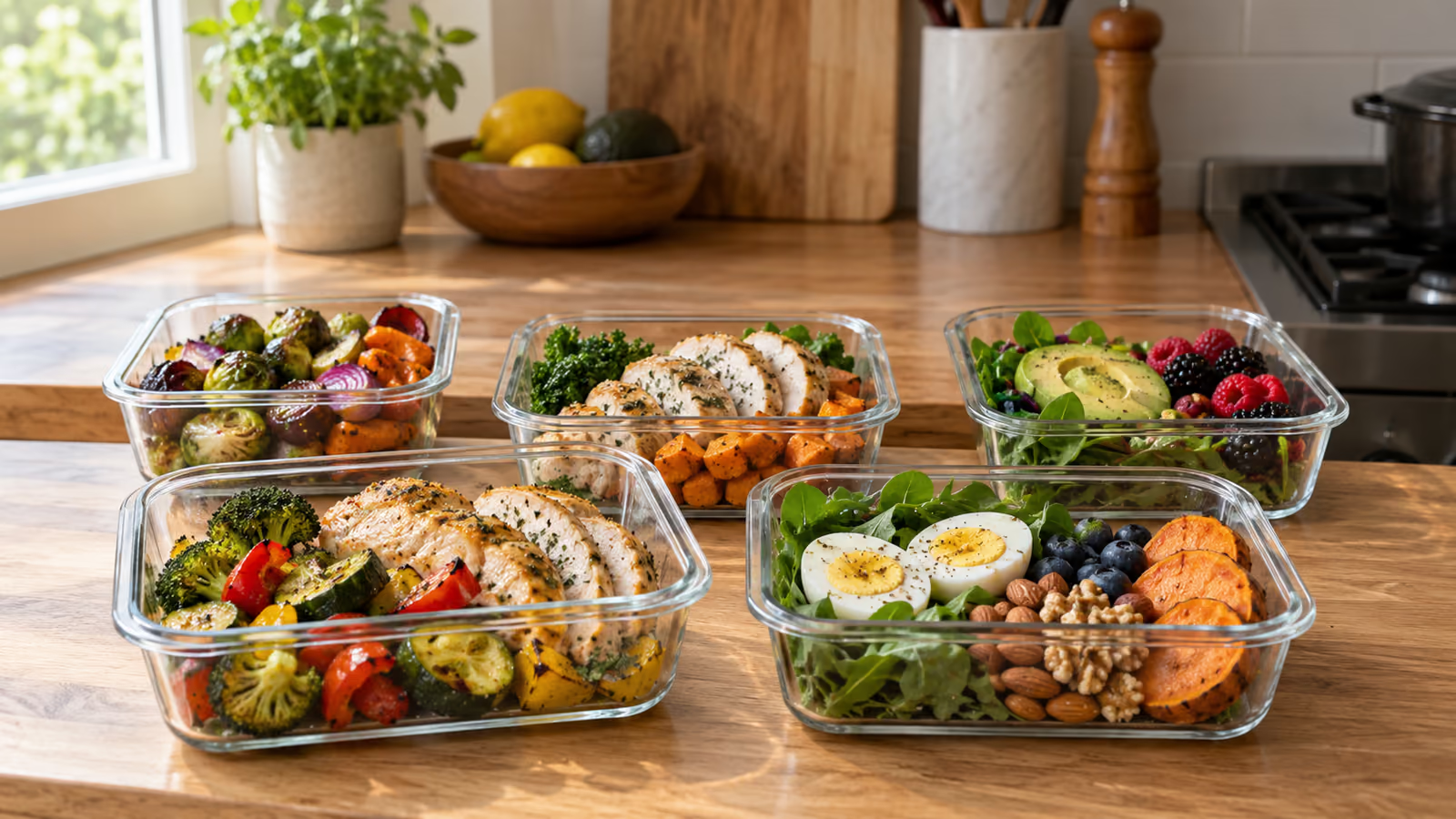
- Minutes 0–15: heat the oven, wash produce, start eggs, and mix the turkey meatballs.
- Minutes 15–40: roast two trays of vegetables and sweet potatoes; bake the meatballs on a separate tray.
- Minutes 40–55: cook chicken for lunches, cool the eggs, and whisk one lemon-herb dressing.
- Minutes 55–70: cut sturdy snack vegetables, portion nuts, and wash berries and greens.
- Minutes 70–75: cool hot food before covering, label containers, and freeze anything you will not eat within a few days.
I would leave fish for the day you plan to eat it, or thaw it safely in the refrigerator the night before. Keep the dressing separate from greens, and store crunchy vegetables dry. A flexible “emergency meal” helps too: eggs with frozen vegetables, tuna over greens, or leftover chicken with fruit and nuts can rescue the evening without a special recipe.
Save money where the label matters least. Conventional produce, store-brand frozen vegetables, canned fish, and ordinary eggs can all work. “Paleo” printed across the front of a package often raises the price without making dinner more satisfying.
Nutrition gaps and smart adjustments
The largest planning challenge is not carbohydrate itself; it is what disappears when entire food groups leave. Without dairy, calcium and vitamin D require deliberate sources. Canned salmon or sardines with bones, calcium-rich greens, almonds, and suitable fortified unsweetened alternatives can help, but needs vary. The NIH calcium fact sheet is a better reference than guessing from a handful of kale.
Fiber can also fall when whole grains and legumes vanish, especially if paleo becomes mostly meat. Use vegetables at every main meal, keep fruit in the week, include nuts and seeds, and rotate plant types. If removing beans feels like a nutritional loss, that is a reasonable observation—not a lack of discipline. Our fava bean guide shows what legumes can contribute, even though they do not fit a strict paleo rulebook.
Research has found possible short-term changes in weight and some cardiometabolic markers, but definitions differ and long-term evidence remains limited. Paleo is not automatically low-carb, and it is not automatically heart-healthy: a plan rich in vegetables, fish, nuts, and olive oil is different from one dominated by processed meat and coconut fat. I would judge the week by adequacy, satisfaction, accessibility, and how you feel—not by whether every bite passes an internet purity test.
Sources
- NCBI Bookshelf: Paleolithic Diet
- PubMed: Paleolithic Diet and Chronic Disease Risk—Systematic Review and Meta-Analysis
- National Library of Medicine: Paleo Diet vs. Other Healthy Diets for Glucose and Insulin
- NIH Office of Dietary Supplements: Calcium Fact Sheet

Hi, I’m Laura, the voice behind Tastiva. I’ve always believed that eating well should feel enjoyable, comforting, and realistic—not like another complicated rule to follow. I love creating recipes that fit into everyday life, sharing simple nutrition ideas, and finding small ways to make meals feel a little better without losing the pleasure of good food.