
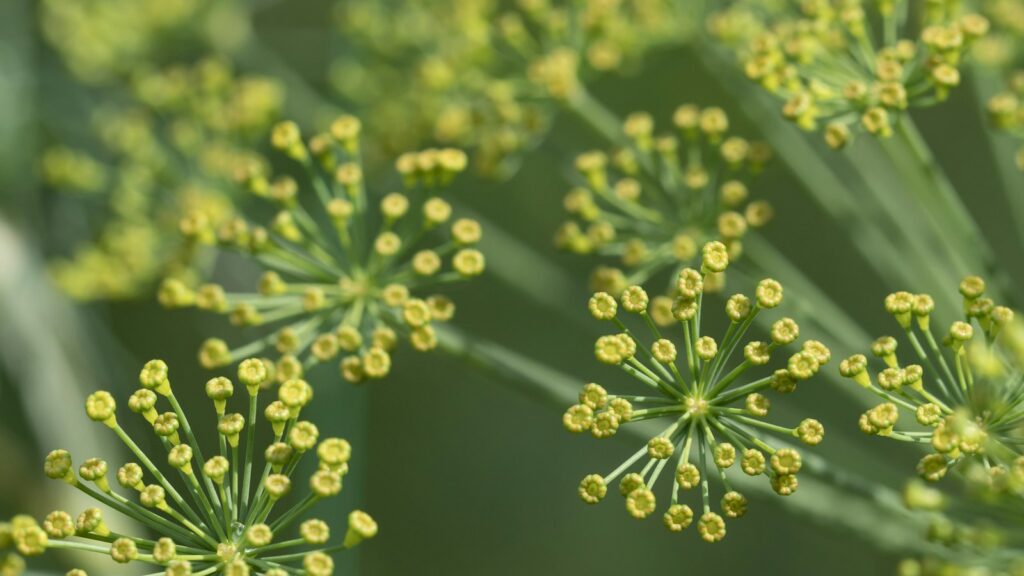
A pickle recipe calls for dill seed, while the grocery bag holds a feathery bunch of fresh dill. They come from the same plant, but they don’t bring the same result. Dill seeds are the dried seeds of the dill plant, used as a spice with a warm, slightly caraway-like aroma. The fresh leaves, often called dill weed, taste greener and more delicate. If you want the seed’s flavor and texture in a brine, reach for the seed; for a bright finish on a plate, choose the leaves.
Dill seeds work especially well when they have time to season a liquid; fresh dill leaves shine closer to serving.
Dill seeds and fresh dill play different roles
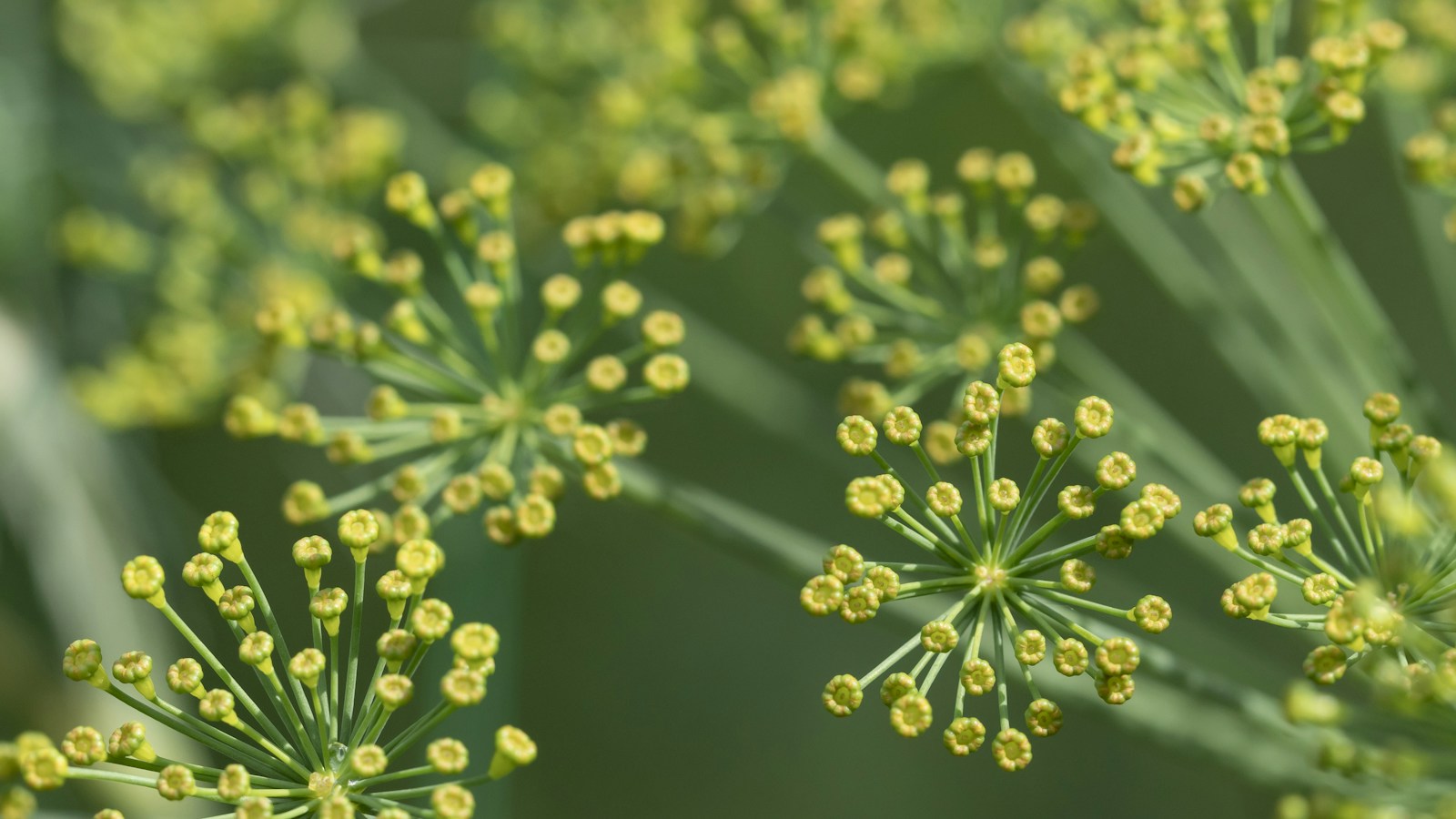
The dill plant makes fine leaves, yellow flower clusters, and eventually seeds. The leaves are soft and quickly recognizable on a yogurt sauce or fish; the dried seeds are firm little pieces that release flavor more gradually. University of Minnesota Extension describes harvesting the flower stalks just before the seeds ripen and turn tan. The seed on a spice shelf is that mature, dried part of the plant.
This is why a recipe’s wording matters. “Dill weed” generally means the leaves, whether fresh or dried. “Dill seed” means the spice. They share a family resemblance in aroma, but substituting a handful of delicate greens for a spoonful of seeds changes both appearance and flavor. When the dish cooks or sits in a brine, seeds can keep contributing as the liquid rests.
I would check the package name before measuring. A jar of “dill” may contain dried leaves rather than seeds, and a mixed pickling spice can add mustard, peppercorns, or other flavors. Whole dill seeds are easiest to recognize: flattened, oval, ridged, and brownish. If you are sorting other whole versus ground spices, Tastiva’s ground coriander guide explains why form changes the way aroma reaches a dish. A clean, lively aroma matters more than a faded jar forgotten behind the cinnamon.
Where the seeds earn their place in cooking
Pickles are the familiar use. Oregon State University Extension lists dill seed among the herbs and spices used in tested pickle recipes and notes that it may stand in for fresh dill heads, though flavor can differ. For shelf-stable canning, use a tested recipe and keep its vinegar, water, salt, and vegetable proportions intact; changing acid ratios is a safety issue, not an invitation to improvise.
Beyond a pickle jar, the seed can season a pot of beans, a bread dough, or a warm vegetable dish. Whole seeds leave occasional aromatic bites; lightly crushing a measured amount releases more aroma into a dressing or sauce. If the texture would bother you, put whole seeds in a removable spice bag when simmering. That gives the liquid time to pick up flavor without leaving seeds throughout the finished dish.
Start modestly with an unfamiliar jar and taste after the food has had time to sit. Dill seed has a different rhythm from freshly chopped leaves: the first bite may seem quiet and the next more pronounced as you meet a seed. Adding the spice at the beginning of a simmer gives it a chance to soften, while a last-minute sprinkle stays more noticeable.
Substitute with the job in mind
If a recipe calls for dill seed and you have only fresh dill leaves, decide which job is essential. For a quick yogurt sauce, the leaves may be a welcome fresh variation. In a pickle recipe, they change the flavor profile and may not match a tested preservation formula. Oregon State’s pickle fact sheet gives a particular fresh-head-to-seed equivalence for its recipes, but that is not a universal conversion for every dish.
Fennel and caraway seeds are sometimes suggested because they share aromatic notes, yet neither tastes exactly like dill seed. Fennel can seem sweeter and more licorice-like; caraway can be earthier. For a casual soup, you can choose a little of one for a different result. For a recipe named for dill, buying the actual spice is the clearer way to deliver the intended flavor.
Don’t equate crushed seeds with whole seeds by volume without considering how the spice behaves. Crushing exposes more surface and gives a faster, stronger impression. I prefer to crush only what a particular dish needs rather than the whole jar. Keep dried leaves separate too; labeling both containers prevents a last-minute mix-up when a recipe just says “dill.”
Buy and store the seed for its aroma
Choose a sealed package with whole, dry seeds and a clear label. Store it tightly closed in a cool, dark, dry cupboard rather than over the stove. Heat, light, moisture, and air dull the aromatic quality of dried spices over time. If a spoonful barely smells like anything when rubbed or crushed, a fresh jar may improve the dish more than increasing the amount of tired spice.
A small package often makes sense unless you pickle regularly. Write the purchase date on an unmarked refill bag, use a dry measuring spoon, and keep steam out of the container. A clump or off smell is a reason to inspect or discard the spice. Whole seeds tend to keep their aroma longer than preground spices, but no pantry item has a guarantee of fresh flavor forever.
Dill seeds make the most sense when you want their specific aromatic warmth and a little texture, especially in a liquid or a longer-cooked dish. The feathery leaves can finish a plate beautifully, but the seed has its own place. Let the recipe tell you which part of the plant it needs, then use your nose as a quick check that the jar is still worth opening.
Sources
- University of Minnesota Extension: Growing Dill
- Oregon State University Extension: Pickle Fact Sheet
- Oregon State University Extension: Proper Dill Pickles
- Illinois Extension: Dill

Hi, I’m Laura, the voice behind Tastiva. I’ve always believed that eating well should feel enjoyable, comforting, and realistic—not like another complicated rule to follow. I love creating recipes that fit into everyday life, sharing simple nutrition ideas, and finding small ways to make meals feel a little better without losing the pleasure of good food.