
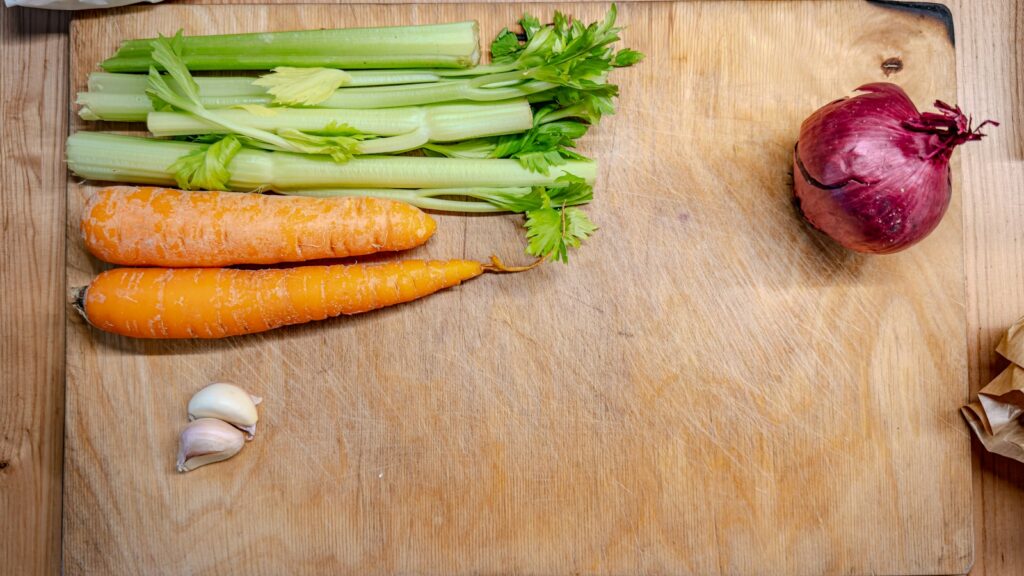
A knife moves from raw chicken to a salad tomato, and dinner suddenly has a problem you cannot see. Cross contamination happens when harmful germs move from one food or surface to another. In a home kitchen, raw meat, poultry, seafood, or eggs can transfer germs to food that will be eaten without further cooking. The fix is a simple sequence: keep foods apart, wash hands and equipment between tasks, cook to a safe temperature, and chill perishables promptly.
Give ready-to-eat food a clean board, clean hands, and a clear path from prep to plate.
How cross contamination moves through a kitchen
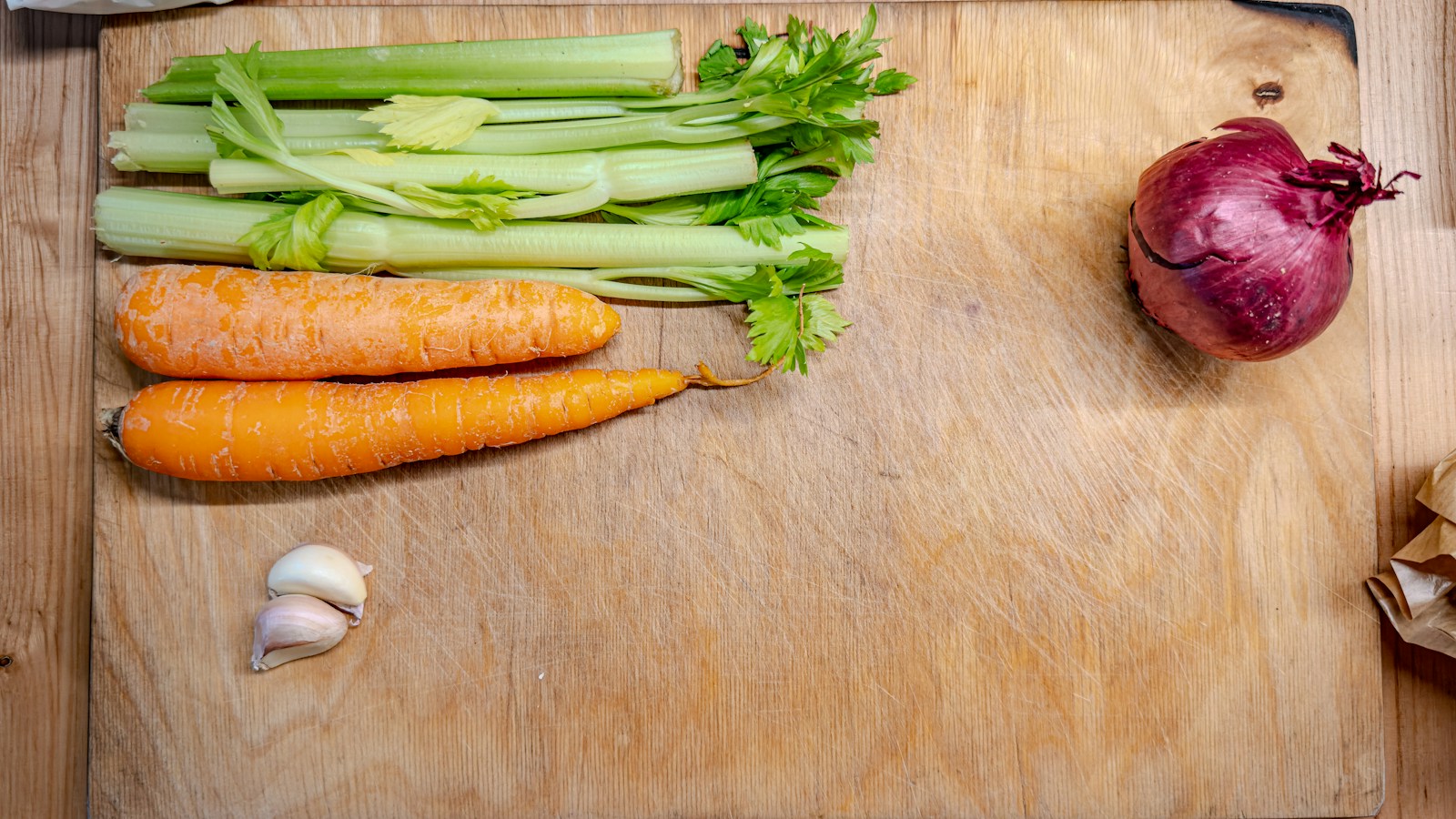
Cross contamination can start on a surface that doesn’t look dirty. Raw poultry juices can land on a cutting board, knife handle, faucet, towel, or the rim of a bowl. Touching that surface and then a lettuce leaf can carry germs to food that won’t be cooked afterward. FoodSafety.gov groups prevention under four habits—clean, separate, cook, and chill—because each addresses a different chance for trouble.
The familiar example is a shared board, but the route can be less obvious: a marinade that touched raw meat is brushed onto cooked food, a plate that held raw burgers receives finished burgers, or hands move between raw eggs and a sandwich. A quick rinse of the tool may not be enough. Wash it properly with hot, soapy water before it touches ready-to-eat food.
I find it useful to plan the order of work before a crowded cutting board appears. Prepare fruit and salad first, move them away, then handle raw meat. This isn’t a guarantee by itself; the board, knife, counter, and hands still need cleaning when tasks change. It simply makes the clean route easier to follow.
Separate foods in the cart, refrigerator, and prep area
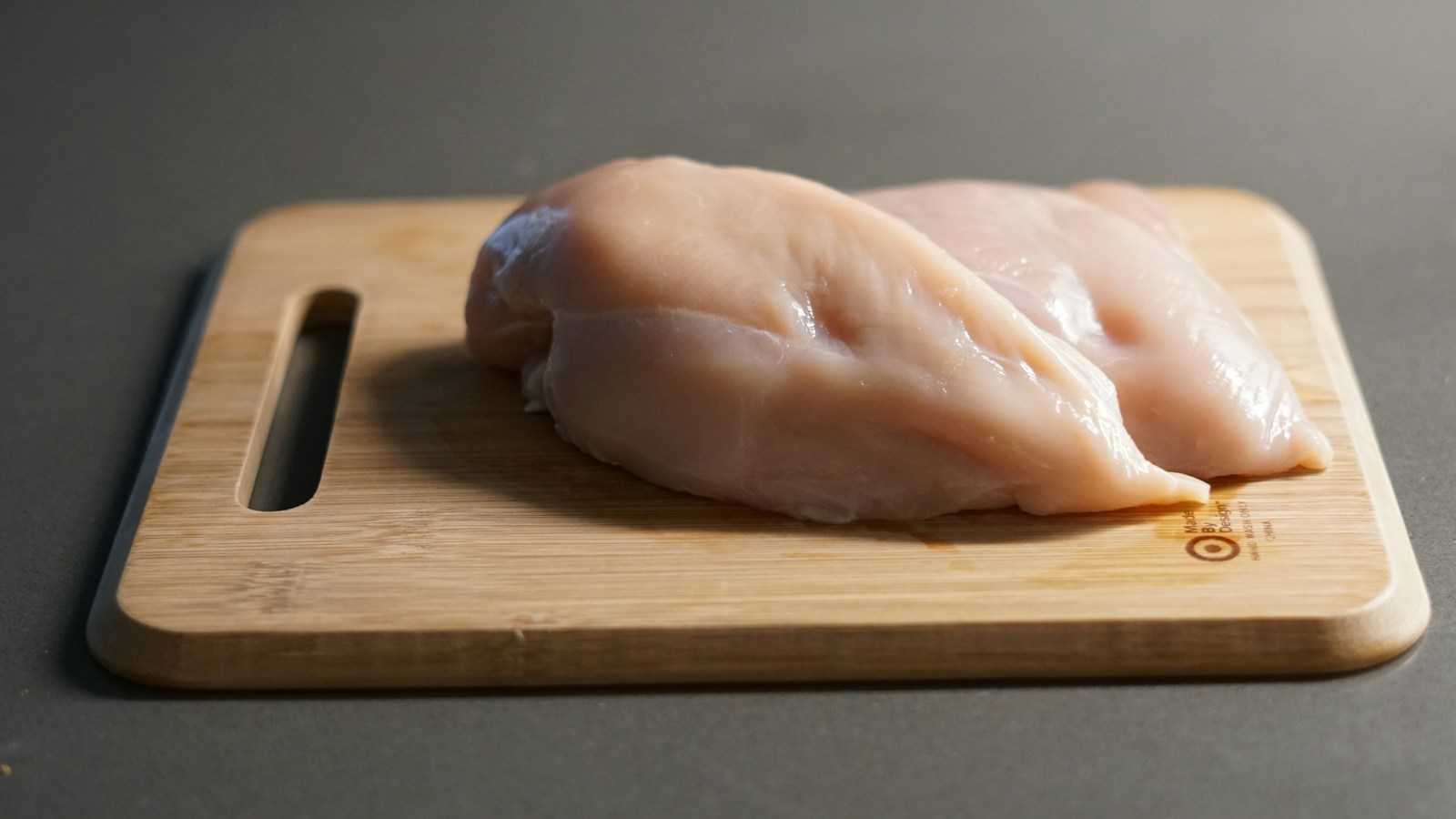
To prevent cross contamination at the store, keep raw meat, poultry, and seafood apart from produce and foods ready to eat; bag packages that might leak. At home, place raw animal foods in sealed containers or on a tray low in the refrigerator so juices cannot drip onto other items. Refrigeration slows growth but does not erase contamination that has already reached another food.
FoodSafety.gov recommends one board for fresh produce and other ready-to-eat foods and another for raw meat, poultry, or seafood. Different colors can be a handy reminder, but two boards are helpful only if they are cleaned between uses. If you have one board, wash and sanitize it as directed after raw animal food before returning to produce.
Use separate utensils and plates during grilling, too. Put cooked food on a fresh plate, not the one that carried raw portions. If a sauce or marinade touched raw meat, do not spoon it onto finished food unless it has been brought to a safe boil according to a reliable recipe. The clean plate is the small detail that can make all the careful cooking count.
Clean hands and surfaces without spreading the problem
Wash hands with soap and water for at least 20 seconds before and after handling raw meat, poultry, seafood, and eggs, and after touching contaminated packaging. Scrub boards, knives, counters, and sinks with hot, soapy water after contact. Follow the product directions when sanitizing a food-contact surface; cleaning removes residue, while sanitizing is an additional step where needed.
USDA advises against washing raw poultry before cooking. Water can splash germs onto the sink and surrounding surfaces without making the poultry safe. Use the thermometer and proper cooking temperature instead. Wash the sink and nearby counters if raw juices have touched them; then return to other foods with clean hands and utensils.
A sponge or dishcloth can move mess around if it is left damp and dirty. Change or clean them regularly, and use a fresh cloth for a clean surface rather than the one used on a raw-meat spill. When handling a spill, I would clear nearby ready-to-eat food first and then clean the affected area, so the wipe-up does not become another transfer.
Keep cooking and chilling in the same safety plan
Separation reduces cross contamination; cooking reduces germs in the food itself. Use a food thermometer, because color and texture alone cannot reliably confirm a safe internal temperature. Tastiva’s oven-roasted salmon guide is one example of keeping a cooked dish separate from raw-prep equipment. FoodSafety.gov provides temperatures by food: poultry reaches 165°F (74°C), ground meats 160°F (71°C), and whole cuts of beef, pork, veal, and lamb 145°F (63°C) followed by a three-minute rest. Check the chart for the specific food you are serving.
Preventing cross contamination also requires attention after food is prepared: prompt chilling matters. Refrigerate perishables within two hours, or within one hour if the surrounding temperature is above 90°F (32°C). Keep the refrigerator at 40°F (4°C) or below. A covered leftover container keeps cooked food from meeting raw packages later, but it cannot undo a transfer that happened during prep.
If someone eating is pregnant, older, very young, or has a weakened immune system, foodborne illness can be more serious. The same basic habits still apply, with extra attention to fully cooked foods and the specific guidance for that person. Safety is a series of ordinary steps, not a single magic board or antibacterial label.
Sources
- FoodSafety.gov: Four Steps to Food Safety
- USDA FSIS: Washing Food and Food Safety
- USDA FSIS: Safe Minimum Internal Temperature Chart
- FoodSafety.gov: People at Risk

Hi, I’m Laura, the voice behind Tastiva. I’ve always believed that eating well should feel enjoyable, comforting, and realistic—not like another complicated rule to follow. I love creating recipes that fit into everyday life, sharing simple nutrition ideas, and finding small ways to make meals feel a little better without losing the pleasure of good food.