
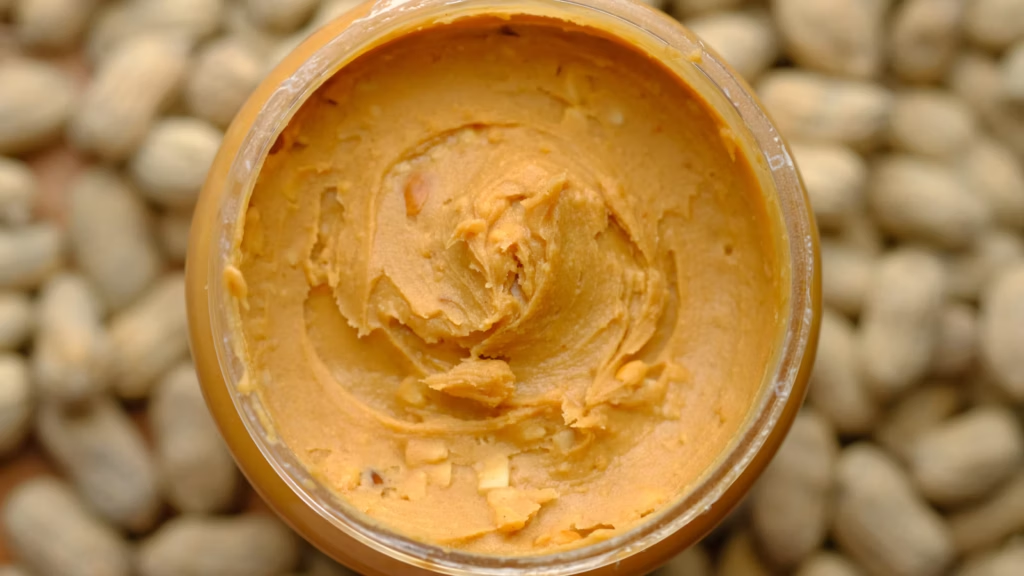
Peanut butter should make toast easier, but a stiff spoonful can leave you chasing crumbs around the plate. Does peanut butter need refrigeration? Some jars do after opening and others can stay in a cool pantry, so follow your specific jar’s directions before deciding how to handle the texture.
Give your breakfast jar a home that follows its directions and makes the next spoonful easier.
Does peanut butter need refrigeration after opening?
For after-opening storage instructions, check the back label, the lid, and the area near the date rather than relying on the front label. When the package calls for refrigeration, make that your routine. If the directions are missing or unclear, check the manufacturer’s guidance for the exact product.
- Pantry directions: Choose a cool, dry cupboard away from the stove and strong sunlight. A warm windowsill is a different environment from a shaded shelf.
- Refrigeration directions: Put the closed jar in the refrigerator after use. Don’t leave it out permanently simply because chilled peanut butter takes more effort to spread.
- Optional refrigeration: When the manufacturer permits either location, decide whether a softer spread or less frequent oil separation matters more to you.
- Opening date: Note it on the lid if the jar lasts a while. This is more useful than trying to remember which grocery trip brought it home.
For a concrete example, Jif says its peanut butter does not require refrigeration and gives about three months on the pantry shelf after opening. That is Jif’s guidance, rather than a storage deadline to apply to every peanut butter.
Why “natural” isn’t the whole storage answer
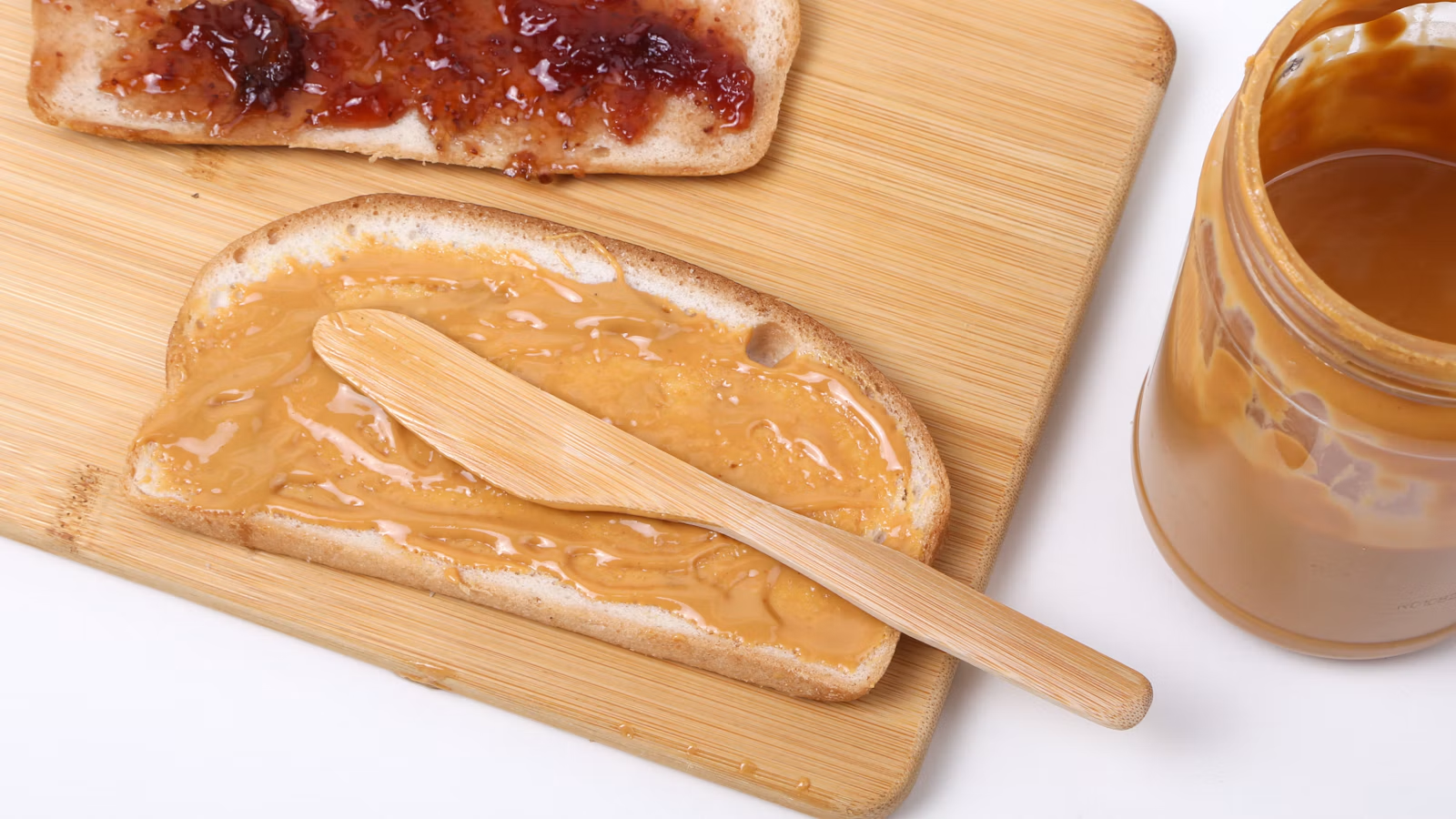
The word natural can appear on products with different ingredients and textures. Some peanut butters contain only peanuts, with or without salt; other spreads include ingredients that help keep the mixture together. Jif, for example, explains that its Natural Peanut Butter Spread uses palm oil as a stabilizer and usually needs no stirring.
- Read the ingredients: They help explain the spread’s behavior, but they don’t replace its storage instructions.
- Check the exact product: Creamy, crunchy, flavored, and no-stir versions from the same brand may have different directions. A familiar logo isn’t enough.
- Keep the distinction practical: A jar that needs stirring requires a little preparation. A no-stir spread is designed for convenience. Neither description tells you, by itself, where to put it.
- Separate preference from instruction: Choosing the texture or ingredient list you enjoy is one decision. Storing that product as directed is another.
Teddie says refrigeration is optional for its natural peanut butter and can slow oil separation. Colorado State University Extension recommends chilling natural peanut butter after stirring to help prevent separation. I’d use that general advice alongside the jar’s own instructions, rather than letting one broad rule overrule the package.
Stir the separated oil in before chilling
A layer of oil can look surprising when you open the lid, but separation is expected in peanut butter without stabilizers. The Canadian Food Inspection Agency explains that oil separation itself is natural and does not pose a health risk. Mix that oil back into the spread; don’t pour it away and leave the rest harder to work with.
- Set the jar on a steady surface and use a clean, sturdy utensil that fits comfortably inside. Leave room to move without splashing oil over the rim.
- Work down into the thicker peanut butter and fold it into the oil. Scrape around the sides and reach the bottom, where the mixture can be especially dense.
- Continue until the jar has a reasonably even consistency, rather than an oily top and a dry bottom. A little patience now makes later servings simpler.
- If you’ll refrigerate the jar, stir first, close the lid securely, and then chill it. Teddie specifically recommends thorough stirring before optional refrigeration.
Normal separation doesn’t prove that an old or damaged jar is good to eat, so follow the product’s dates and directions. If you see mold, USDA guidance is to discard peanut butter, rather than scraping off the affected part. Don’t taste a questionable jar to decide whether to keep it.
Make the next serving easier
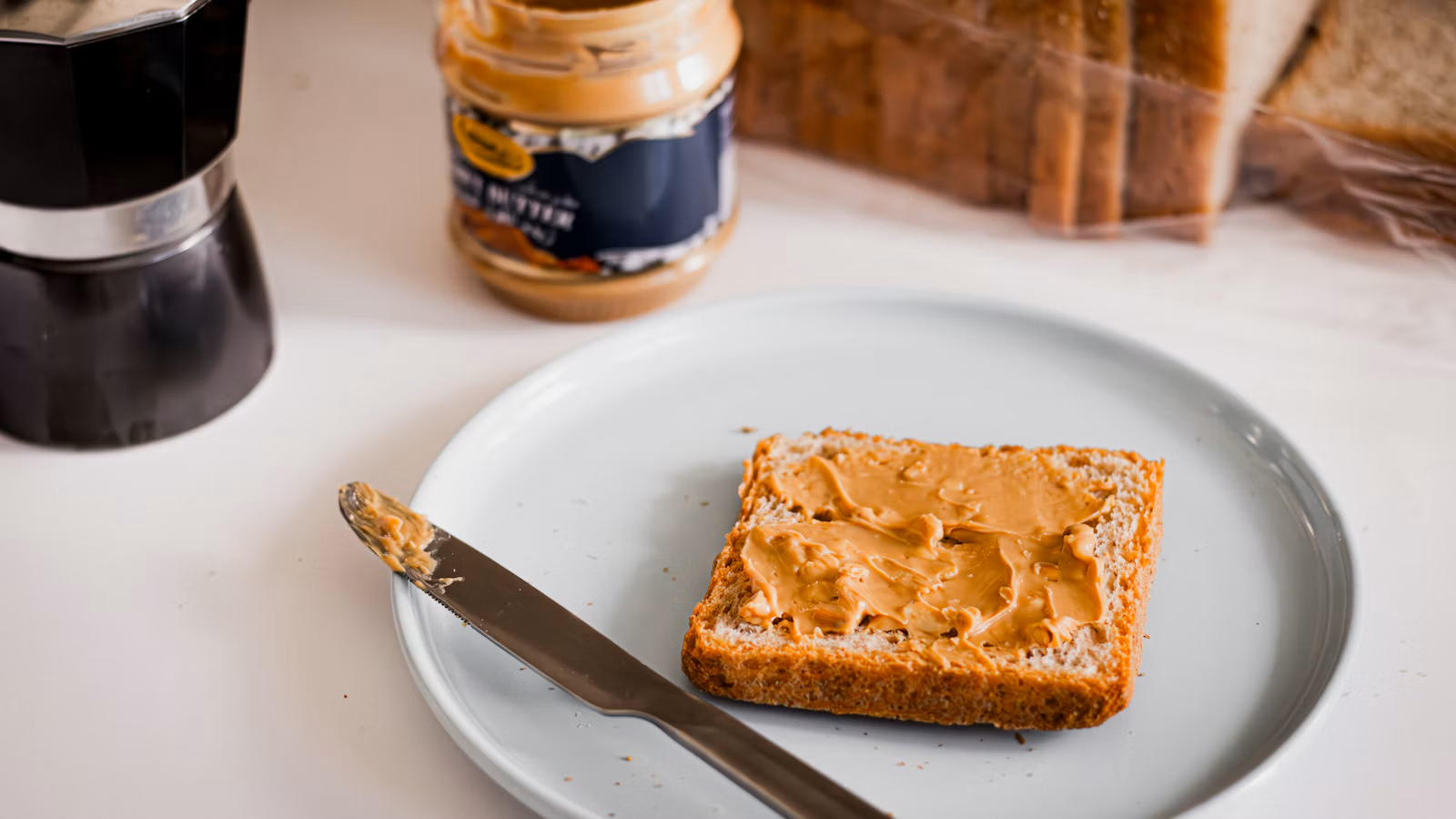
Cold peanut butter can be firmer, particularly when you’re trying to spread it on soft bread. You can work around that without changing the jar’s storage routine. I’d work with one serving at a time rather than repeatedly warm the whole jar just to spread a single slice of bread.
- For bread: Scoop a portion into a small dish and give it a little time to soften while you prepare the rest of breakfast. Spread gently, or use sturdier toast.
- For a sauce: Stir a portion with the liquid called for in your recipe in a separate bowl. Keep that mixture out of the original jar.
- For baking: Measure the peanut butter in the condition your recipe specifies. A firm chilled scoop can be awkward to level accurately.
- For everyday use: Use a clean utensil each time and avoid carrying jelly, crumbs, or other food back into the peanut butter.
Choose a jar size that fits how often you actually use it. If peanut butter appears at breakfast every morning, your routine will differ from someone who opens it for an occasional sauce. For a breakfast idea, Tastiva’s five-day meal plan for one pairs peanut butter with yogurt, oats, and fruit; keep following your jar’s storage directions between servings.
Chemist George Zaidan explains peanut butter’s ingredients and why some jars separate in this National Geographic video. It provides context for texture and stirring; use your own jar’s directions for refrigeration and storage.
Sources
- Jif: product ingredients, refrigeration, and opened-jar storage guidance
- Teddie: stirring and optional refrigeration of natural peanut butter
- Canadian Food Inspection Agency: oil separation in natural peanut butter
- Colorado State University Extension: peanut butter storage and uses
- USDA Food Safety and Inspection Service: handling moldy foods, including peanut butter

Hi, I’m Laura, the voice behind Tastiva. I’ve always believed that eating well should feel enjoyable, comforting, and realistic—not like another complicated rule to follow. I love creating recipes that fit into everyday life, sharing simple nutrition ideas, and finding small ways to make meals feel a little better without losing the pleasure of good food.