
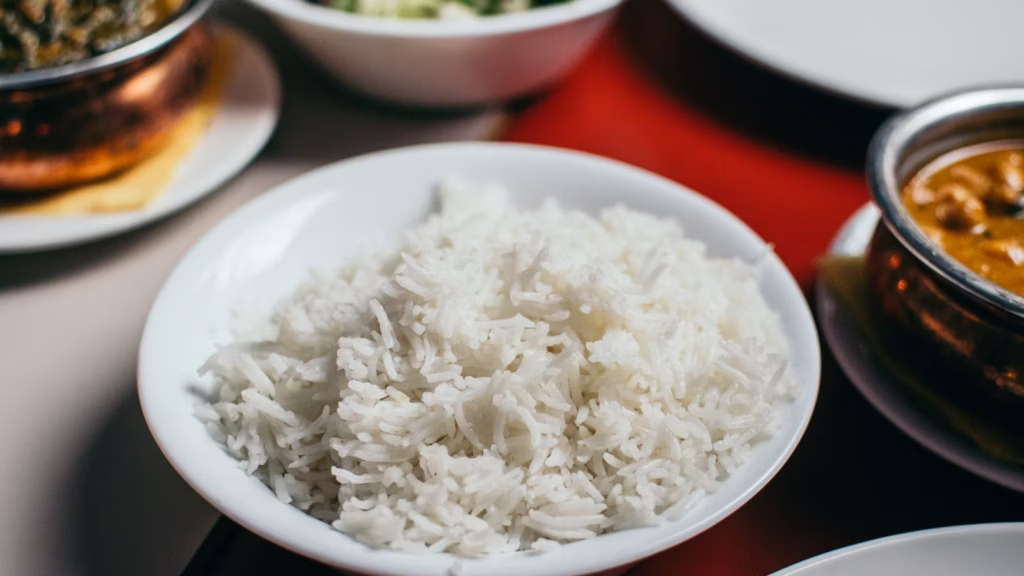
Loose grains under curry and a creamy risotto are different jobs for a pot of rice. Should you rinse rice before cooking? Often yes, when the recipe calls for removing loose surface starch, but some dishes benefit from keeping it and certain enriched products tell you to skip rinsing.
Choose the texture you want at the table before deciding what to wash away at the sink.
Should you rinse rice for the dish you’re making?
Rinsing removes some starch from the outside of the grains, which can help when an unwanted starchy coating would make the rice gummy. It doesn’t turn every variety into separate, fluffy grains, though: the rice you buy and the way you cook it still matter. Start with a recipe that suits the variety in your cupboard.
- Plain basmati or jasmine: Many methods include rinsing before cooking. Follow the recipe’s rinse, drain, and liquid instructions together.
- Sushi rice: Rinsing is commonly part of the method even though the finished grains should cling together. Removing loose starch and eliminating all stickiness are different goals.
- Risotto: Its creamy cooking liquid benefits from rice starch. A conventional risotto method usually starts with unrinsed rice.
- Rice pudding or porridge: These dishes use starch differently from a fluffy side dish. Follow the particular recipe rather than borrowing a rinsing rule from another preparation.
KitchenAid’s rice guidance makes this distinction by dish, rather than calling for one treatment across the board. For a practical example, Tastiva’s Parmesan and white wine risotto keeps the rice unrinsed and develops the creamy texture during cooking.
Read enriched and prepared-rice directions carefully
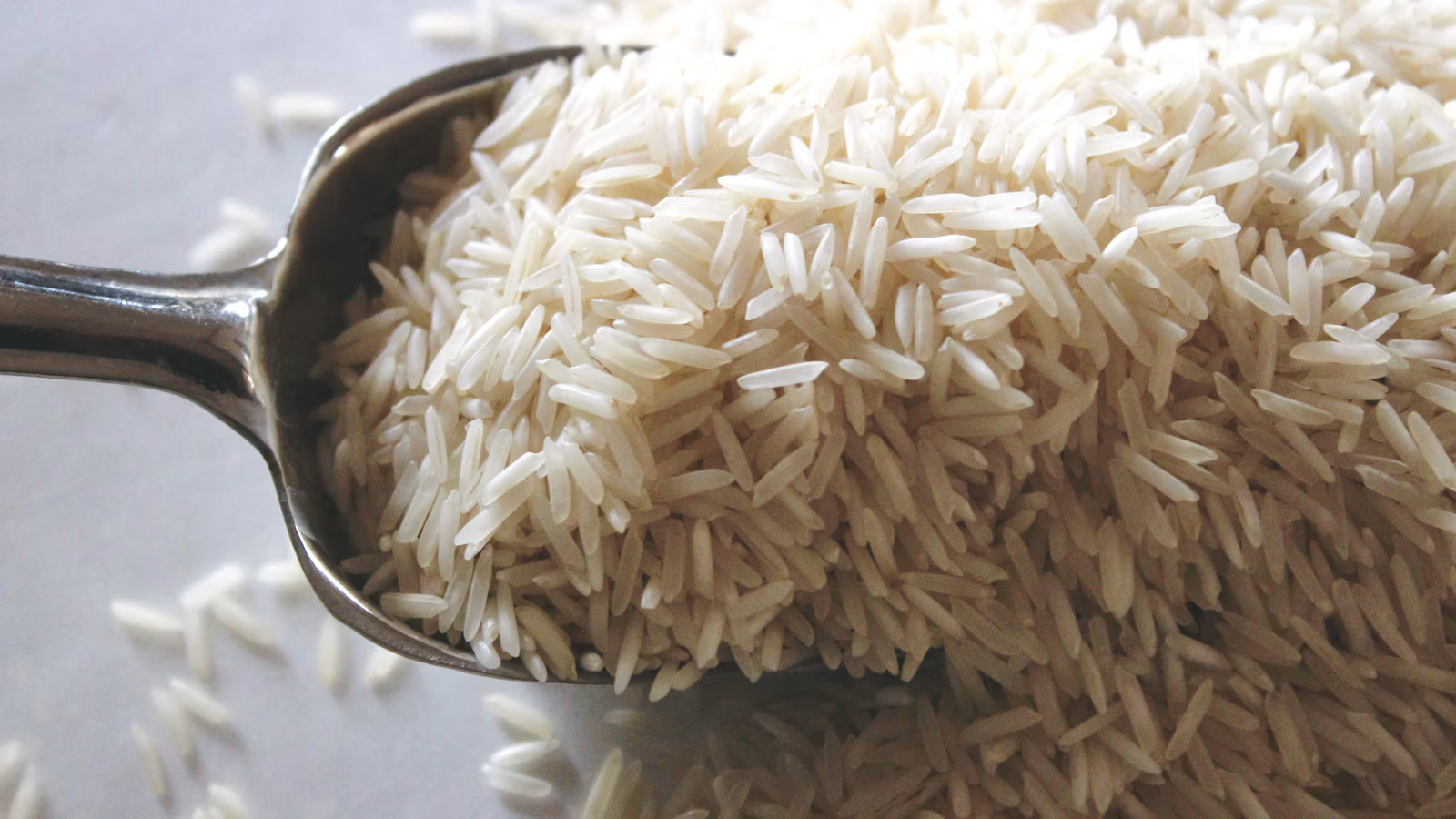
Plain rice, rice enriched with added nutrients, and seasoned mixes need different preparation decisions. The FDA reports that rinsing washes off iron, folate, thiamine, and niacin from polished and parboiled rice. If the package says not to rinse to retain those nutrients, take that instruction into account.
- Enriched plain rice: Look for both the word enriched and a preparation note. Don’t assume every bag sold in the same aisle has identical instructions.
- Seasoned mixes: Check whether seasonings are already mixed with the grains. Washing the whole product can wash away ingredients you’re meant to cook.
- Instant or ready-to-heat rice: Use the product’s preparation method. A rinsing routine written for uncooked rice may have no place here.
- Rice transferred to a container: Keep the cooking panel or a photo of it, so you can identify the product when the original bag is gone.
Lundberg offers a useful example of product-specific advice: it recommends a light rinse for its plain rice, explains why its risotto method benefits from surface starch, and says its parboiled entrée rice doesn’t need rinsing. Those distinctions come from the manufacturer’s own FAQ.
A gentle rinse that keeps the grains in your kitchen
When rinsing belongs in your recipe, measure the dry rice first, then set out a roomy bowl, cold water, and a fine-mesh sieve for draining. A sieve with openings smaller than the grains saves you from fishing rice out of the sink. The bowl method also lets you see the cloudiness change between rinses.
- Put the measured rice in the bowl and add enough cold water to cover it comfortably. Leave space so gentle stirring won’t send water over the sides.
- Swirl with clean fingers to loosen surface starch. Avoid grinding or squeezing the grains; vigorous rubbing can break them.
- Pour off the cloudy water carefully, using the sieve to catch stray grains. Add fresh water and repeat as your recipe directs, usually until the water looks much clearer.
- Drain thoroughly before adding the measured cooking liquid. Rinse water left pooled with the rice becomes extra liquid in the pot.
- Continue with the recipe promptly. A quick rinse and a planned soak are separate steps, so don’t turn one into the other accidentally.
This follows the basic approach in KitchenAid’s rinsing guide. I’d follow the grain type, batch size, and preparation instructions rather than count washes; crystal-clear water isn’t a kitchen trophy.
If the rice still turns gummy, look beyond rinsing
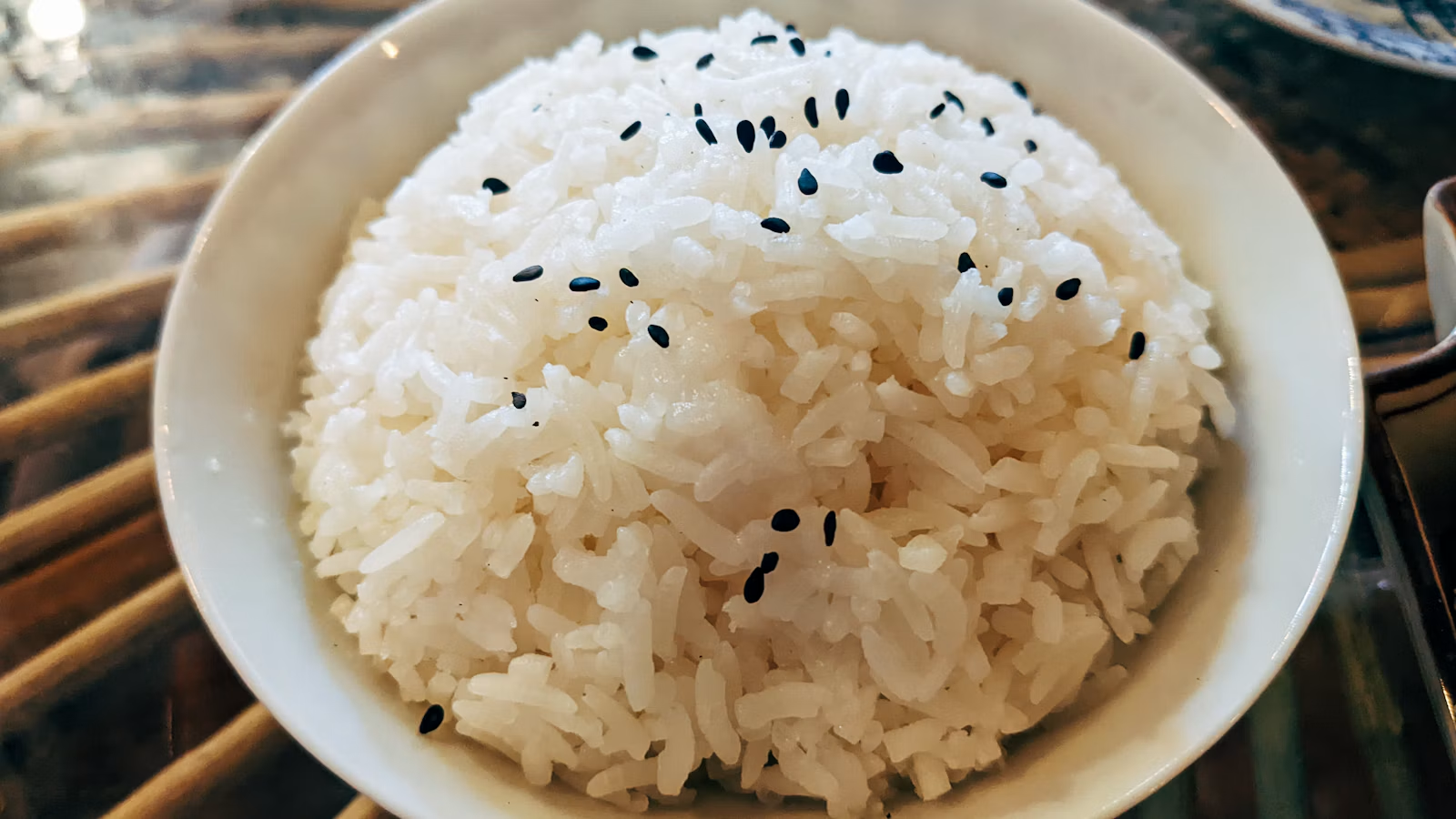
I’d resist changing three things at once after a disappointing pot of rice. Choose the same product next time, follow its method, and correct one likely problem. Rinsing can help with loose surface starch, but it can’t compensate for every mismatch between rice, water, heat, and timing.
- Too much liquid: Measure rather than guessing, drain rinsed rice properly, and use the ratio for that product and cooking method.
- The wrong variety: A rice intended to hold together won’t behave like a long-grain side dish simply because you washed it more.
- Unsteady cooking: Check that the pot size, burner, heat level, and lid match the method. Frequent peeking or stirring can disrupt an absorption-style recipe.
- Different equipment: Rice-cooker directions may differ from stovetop directions. Use the cooker’s measuring cup and instructions when the manufacturer calls for them.
Mahatma identifies variety, measurement, cooking time, pot size, and burner size as possible texture problems. One other limit matters: FDA research found that rinsing has only a small effect on arsenic in cooked rice. Treat this as a preparation choice, without claiming that a clear bowl of rinse water proves contaminants are gone.
America’s Test Kitchen compares rinsed and unrinsed rice across three dishes. The demonstration focuses on texture; still follow your rice package’s directions, especially for enriched or specially prepared rice.
Sources
- KitchenAid Product Help: rinsing decisions by rice and dish
- KitchenAid: a bowl-rinsing method and draining tips
- Lundberg Family Farms: plain rice, risotto, and entrée-rice guidance
- FDA: rinsing, enriched nutrients, and arsenic limitations
- Mahatma Rice: cooking and texture troubleshooting

Hi, I’m Laura, the voice behind Tastiva. I’ve always believed that eating well should feel enjoyable, comforting, and realistic—not like another complicated rule to follow. I love creating recipes that fit into everyday life, sharing simple nutrition ideas, and finding small ways to make meals feel a little better without losing the pleasure of good food.