
A handful of dried fruit can rescue a plain bowl of oats or travel in a bag without bruising. Raisins, apricots, dates, and prunes all begin as fruit; removing water changes their texture, flavor, and portion size. I like them as a useful pantry ingredient, with the package label doing some of the work when sweetness or preservatives matter.
Dried fruit is concentrated fruit. Compare labels for added sugar, start with a small portion, and keep the package dry and tightly closed.
What counts as dried fruit
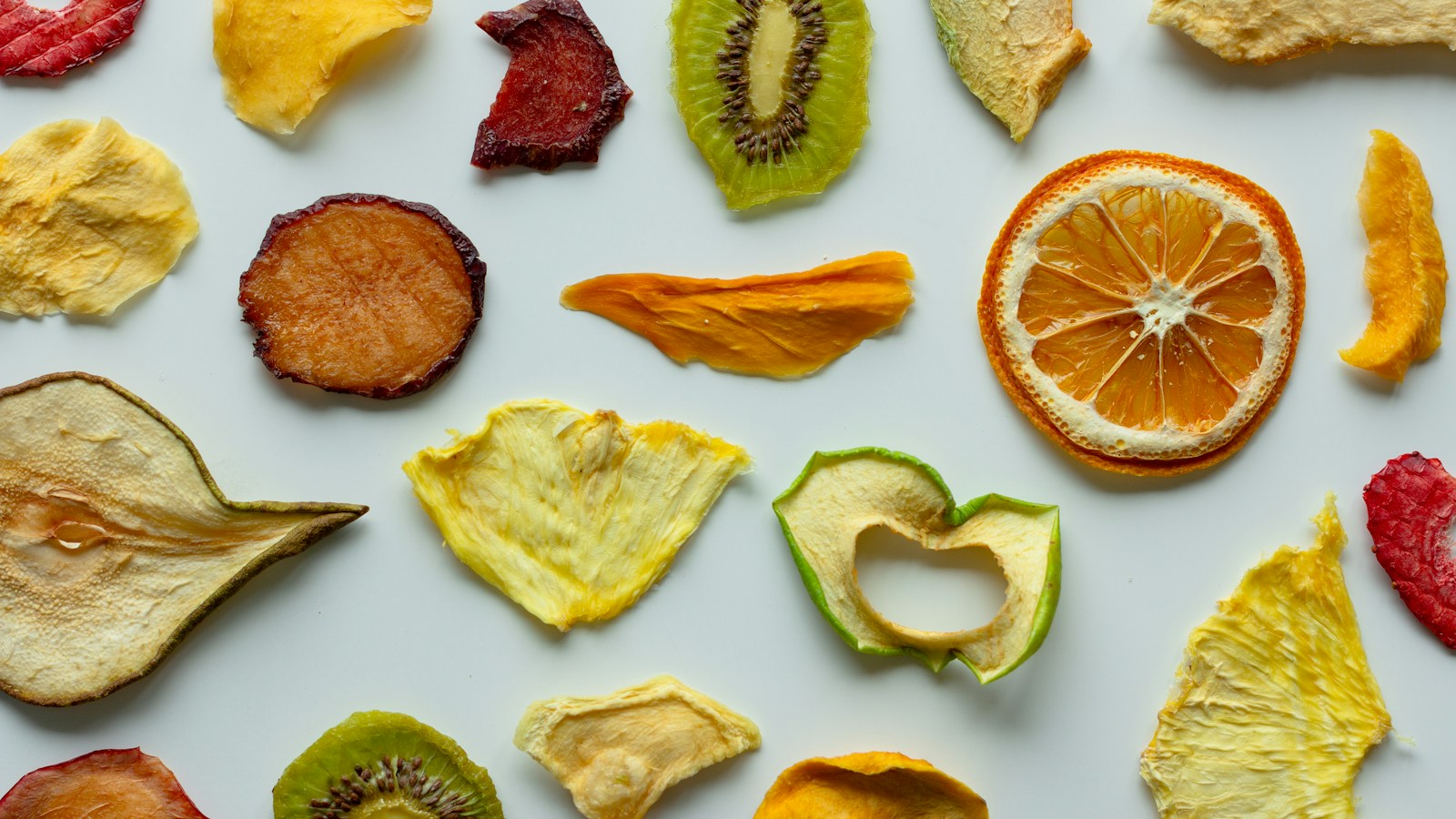
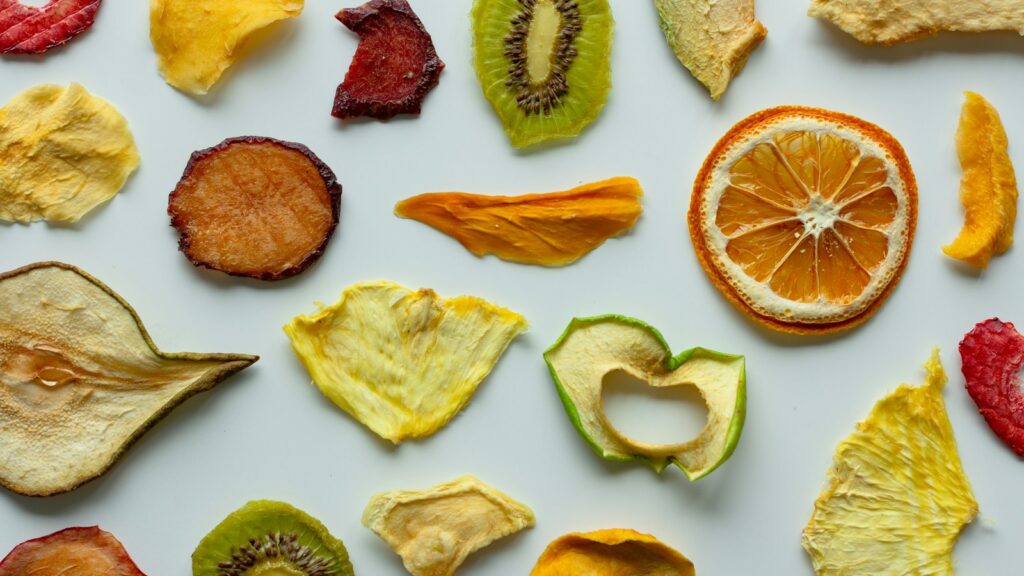
Drying removes much of the water in fresh fruit. Grapes become raisins, plums become prunes, and sliced apples turn light and chewy. The University of Minnesota Extension explains that removing enough moisture is what makes drying a preservation method. A leathery piece of dried mango and a crisp freeze-dried strawberry are both fruit with water removed, but their processes and textures are different.
Unsweetened does not mean sugar-free. Fruit brings its own naturally occurring sugars, and removing water makes a small amount taste especially sweet. Some products have sugar or syrup added during processing, while others contain only fruit. The ingredient list tells that story more clearly than a front-of-bag claim.
Fruit leather, candied fruit, and fruit snacks can differ widely from plain dried fruit. If the package contains a long list of sweeteners or flavorings, I would treat it as its own product rather than assume it matches a bag of dried apricots. Texture alone is not a reliable guide; read the ingredients.
How to read the label and portion
Start with the ingredient list, then check the serving size and Added Sugars line on the Nutrition Facts panel. The FDA explains that the Total Sugars figure includes naturally occurring and added sugars, while Added Sugars reports what was put in during processing. A plain raisin can have total sugar with zero added sugar; a sweetened cranberry may show both.
Because the water is gone, a small cup of dried fruit represents more fruit than the same volume of fresh pieces. USDA MyPlate uses 1/4 cup dried fruit as a fruit-group equivalent to 1/2 cup fruit. That is a useful visual cue, not a command to measure every snack. A small handful with yogurt or nuts can feel more satisfying than eating directly from a large bag.
Look for any preservative or allergen information you need. Some dried fruit, especially bright orange apricots, may contain sulfites. People sensitive to sulfites should check the label rather than use the color as a definitive test. Unsulfured fruit often looks darker, but appearance is not a substitute for a declared ingredient list.
For children, large sticky pieces can be difficult to chew and pose a choking risk. Cut them appropriately for a child’s age and supervise eating. Dried fruit also clings to teeth, so ordinary brushing and water with snacks are sensible. These are everyday serving details, not reasons to fear a raisin.
Easy ways to use it in the kitchen
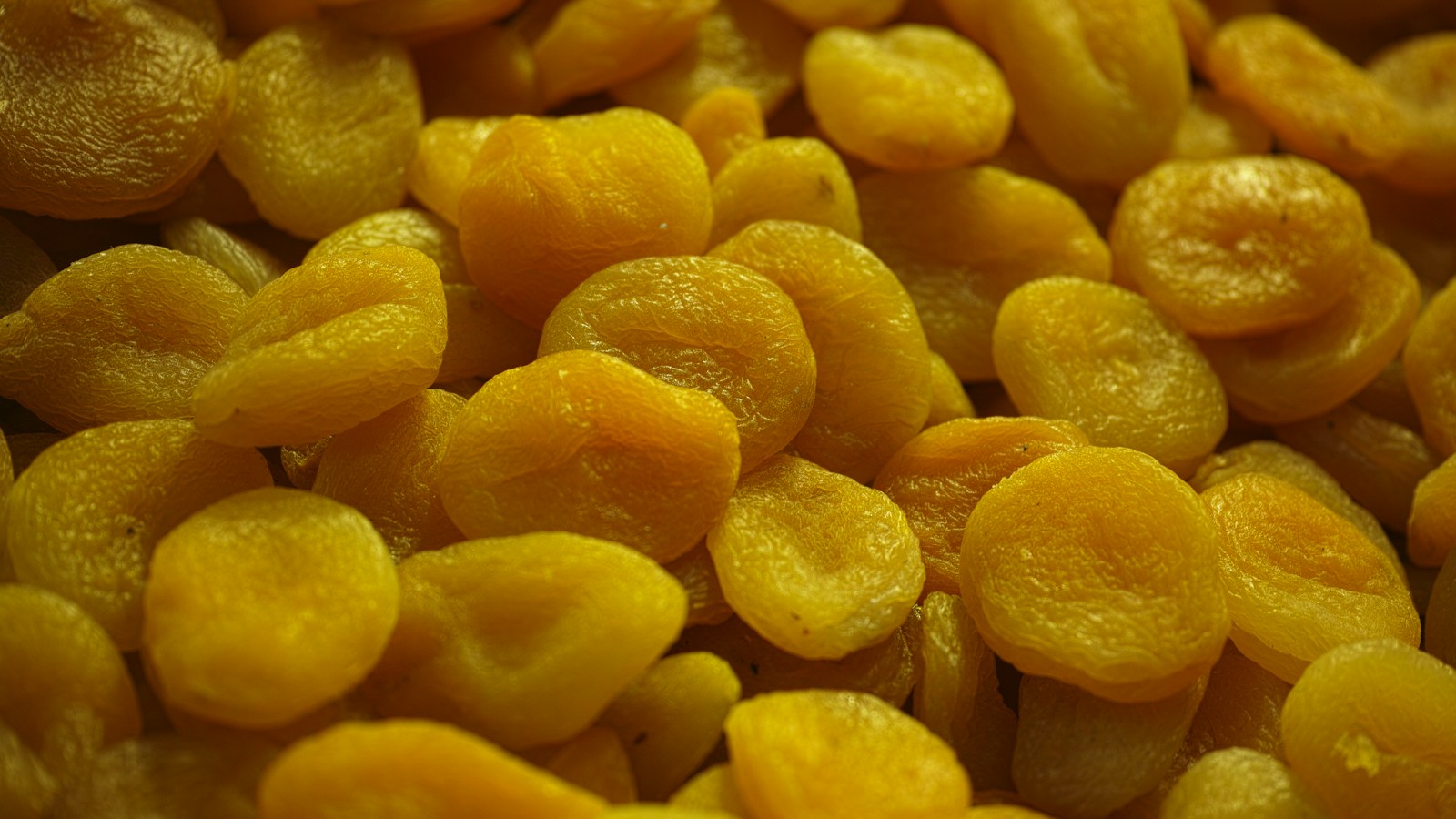
Chop a few apricots into a grain salad, stir raisins into oatmeal, or add dates to a savory dish for a gentle sweet contrast. Dried fruit works in muffins and granola, too. Pairing it with nuts, seeds, or plain yogurt balances the texture and makes a snack feel more complete without turning it into a project.
If the pieces are very firm, soak them briefly in warm water before chopping. The University of Minnesota Extension gives water-rehydration guidance for dried fruit; use clean utensils and refrigerate rehydrated leftovers promptly. Soaking changes texture but does not remove added sugar from a sweetened product in a predictable way.
In baking, fruit can bring moisture and chew as well as sweetness. A recipe written for dried raisins may need adjustment if you swap in large, wet fresh berries. Choose a recipe that expects the ingredient’s water content, or begin with a modest substitution. Old fashioned oats and dried fruit make an especially easy pair for a breakfast bowl.
Storage and sensible choices
Seal dried fruit after opening and store it in a cool, dry place as the package directs. Moisture can invite mold, and warmth can dull flavor. University of Minnesota Extension recommends cool, dark, dry storage for dried produce. A clean airtight container helps, especially if the original bag does not reseal well.
If you notice mold, an off smell, or unusual moisture, discard the fruit. Homemade dried fruit requires proper drying and conditioning before storage; follow a tested Extension method rather than guessing from how the surface feels. Dried does not mean immune to spoilage.
A bag containing only fruit is a convenient choice when you want a pantry staple without added sugar. A sweetened variety can still fit a meal; knowing what you bought lets you choose how much to use. The useful question is whether the flavor, ingredients, and portion work for you, rather than whether every piece of fruit must pass a purity test.
I would keep one or two kinds I actually enjoy, use them in meals as well as snacks, and replace the bag while it still tastes fresh. Dried fruit is at its best when it is a small, flavorful tool in the kitchen—not a nutrition promise.
Sources
- University of Minnesota Extension, Preserving Food at Home: Drying
- University of Minnesota Extension, Shelf Life of Cottage Foods
- FDA, How to Understand and Use the Nutrition Facts Label
- FDA, Added Sugars on the Nutrition Facts Label
- USDA MyPlate, Fruit Group

Hi, I’m Laura, the voice behind Tastiva. I’ve always believed that eating well should feel enjoyable, comforting, and realistic—not like another complicated rule to follow. I love creating recipes that fit into everyday life, sharing simple nutrition ideas, and finding small ways to make meals feel a little better without losing the pleasure of good food.