
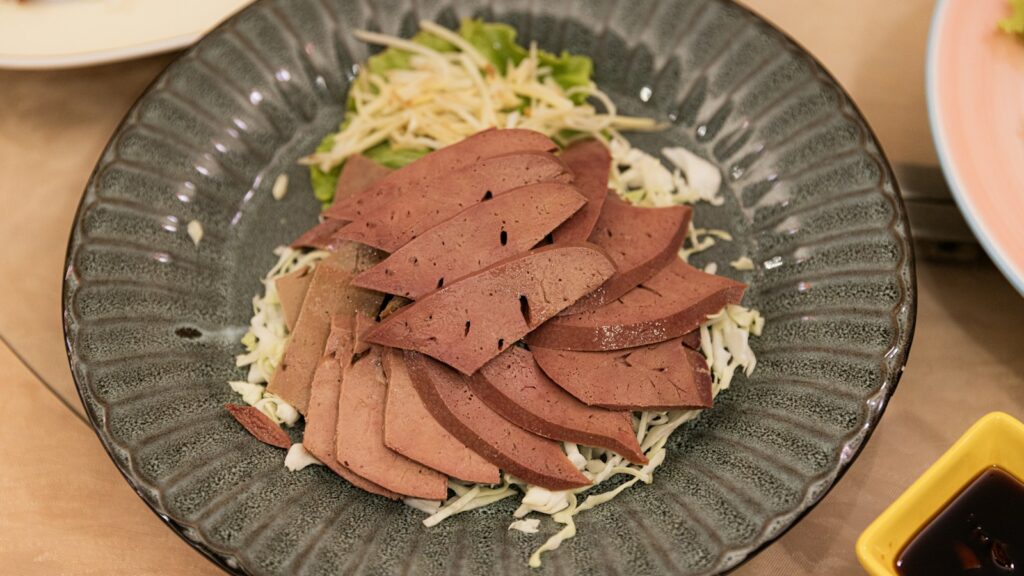
Beef liver is one of those ingredients that can inspire either fond memories or a very cautious first bite. It has a deep, mineral-rich flavor and a tender texture when handled well. If you are curious, I would start with a small portion, clear food-safety rules, and an honest look at its unusually high vitamin A content.
Beef liver is rich in nutrients, especially vitamin B12 and preformed vitamin A. Cook it to 160°F, and ask a clinician about eating liver if you are pregnant or managing vitamin A intake.
What beef liver tastes like
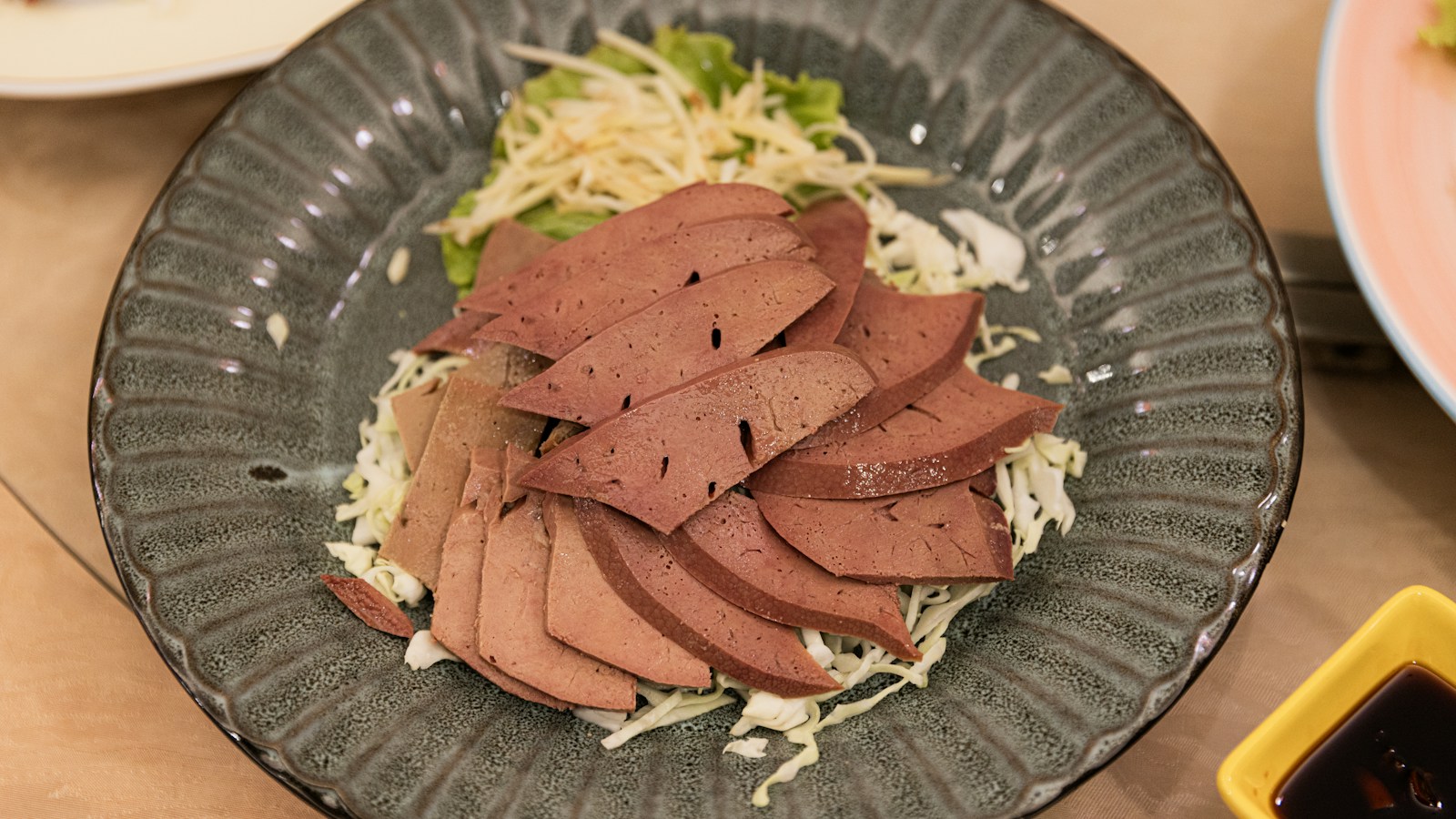
Beef liver is an organ meat from cattle. Compared with a familiar beef steak, its flavor is stronger, earthier, and sometimes described as metallic. Texture depends on the cut and cooking, but it can become dry or grainy if handled poorly. It is fine to prefer another food; there is no requirement to teach yourself to love it.
Look for a fresh product from a reputable seller, follow the package’s use-by date, and keep it cold. If the butcher offers sliced liver, it is easier to portion and cook evenly than a large piece. A strong unpleasant odor, slime, or discoloration that worries you is a reason to stop and ask the seller or discard it, not an invitation to hide a problem with seasoning.
Onions, herbs, and a little acidity can balance the assertive taste. Some cooks soak liver in milk, but that is a flavor choice, not a substitute for safe handling or cooking. I would choose an uncomplicated preparation first so I could decide whether I actually like the ingredient.
The nutrition story, with a useful limit
Beef liver supplies protein and is a particularly rich source of vitamin B12, according to the NIH Office of Dietary Supplements. It also contains iron and preformed vitamin A. Nutrient amounts vary by portion and preparation, so a precise number from a single table should not be treated as the content of every serving.
Preformed vitamin A deserves special attention because too much can be harmful. NIH notes an upper limit for adults and a specific concern during pregnancy, when excess preformed vitamin A can affect fetal development. Liver is not an everyday vitamin pill in food form. If you are pregnant, might become pregnant, take vitamin A supplements, or have a medical reason to limit it, ask your health professional whether liver belongs in your diet and how much is suitable.
The same caution matters for children, whose limits differ by age. Avoid using a large serving as a casual way to correct a suspected deficiency. A clinician can assess that question. Plenty of other foods provide protein and B12, and fortified foods or supplements may be appropriate in some diets; our B12 guide explains why plant-based eaters need a reliable source.
Handling and cooking beef liver safely
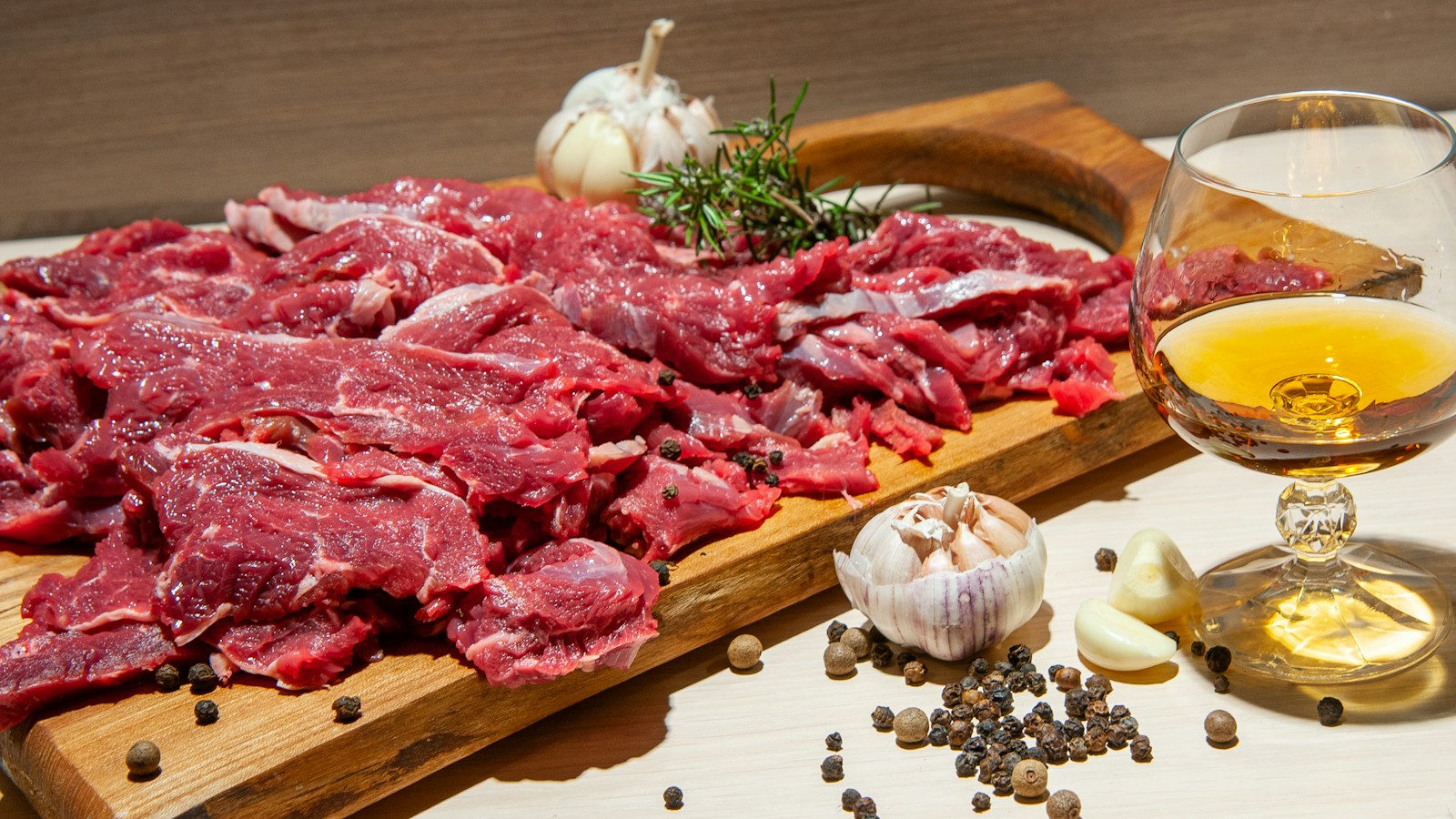
The raw-meat photo illustrates kitchen handling; it is not identified as beef liver. Keep raw liver separate from ready-to-eat foods, wash hands and tools after contact, and refrigerate it promptly. Follow package directions for storage and thawing. A clean board and a thermometer matter more than judging doneness by color.
If you freeze a portion, wrap it well, label it, and follow USDA and package guidance for freezer storage. Thaw in the refrigerator rather than on a warm counter. Keep the raw juices away from produce and wipe down the preparation surface afterward. These small routines are unglamorous, but they make an unfamiliar ingredient much easier to handle with confidence.
USDA FSIS says organ meats, including liver, should reach 160°F (71°C). Insert a food thermometer into the thickest part and check the temperature before serving. That is a different standard from the 145°F minimum often quoted for intact beef steaks and roasts. Searing the surface alone is not a reliable test for liver.
Cook in a pan that is not crowded so heat can reach each piece. Thin slices can brown quickly, but timing depends on thickness and equipment; use the thermometer rather than promising a fixed number of minutes. Serve promptly, and refrigerate leftovers within two hours. Reheat leftovers thoroughly and discard them if storage was uncertain.
How to serve a modest portion
A small piece alongside sautéed onions, potatoes, and a green vegetable is an approachable plate. Chopping cooked liver into a sauce can spread its flavor, but it does not erase the vitamin A; portions still count. If it is your first try, buying a small amount avoids turning a curiosity into a week’s worth of leftovers.
Compare different liver types carefully. Chicken liver, calf liver, and beef liver can differ in taste and nutrient amounts, and the cooking guidance for poultry organs may differ. Our chicken liver guide covers that ingredient separately. Do not use a photo or recipe for one species as proof about another.
A meal with liver need not be built around a health claim. Add a colorful vegetable and a starch you enjoy, then keep the serving modest. If you already take a multivitamin or eat other vitamin A-rich foods, consider the whole pattern instead of looking at liver in isolation. The package and your own circumstances are better guides than an internet challenge to eat it every day.
Beef liver can be a flavorful occasional food for someone who enjoys it and can safely include it. Its concentrated nutrition calls for portion awareness, especially around vitamin A, and its safe internal temperature is worth remembering. If the flavor is not for you, a balanced diet has many other routes.
Sources
- USDA FSIS, Beef From Farm to Table
- NIH ODS, Vitamin A and Carotenoids: Consumer
- NIH ODS, Vitamin B12: Consumer
- USDA FoodData Central

Hi, I’m Laura, the voice behind Tastiva. I’ve always believed that eating well should feel enjoyable, comforting, and realistic—not like another complicated rule to follow. I love creating recipes that fit into everyday life, sharing simple nutrition ideas, and finding small ways to make meals feel a little better without losing the pleasure of good food.