
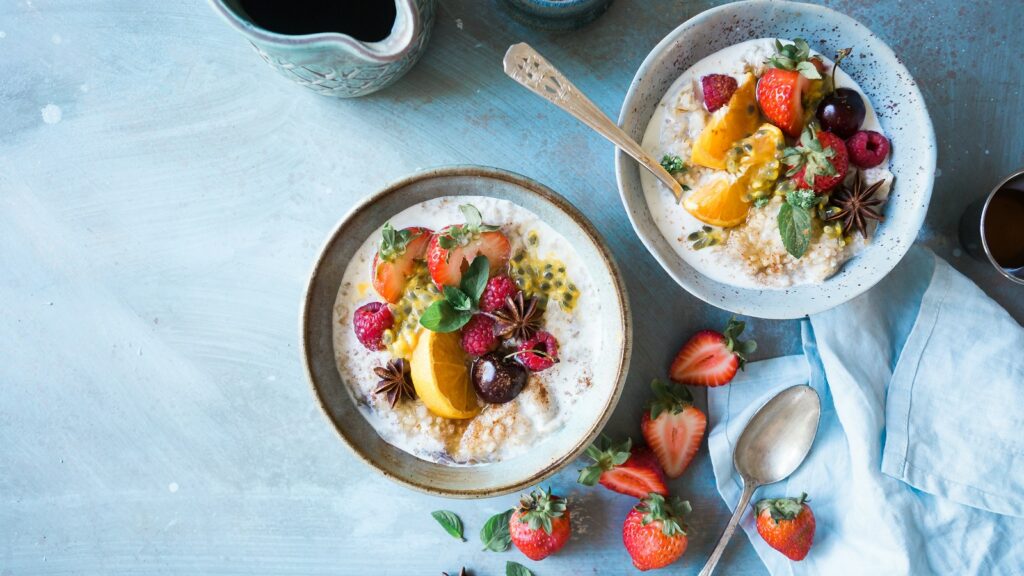
Old fashioned oats are the sturdy flakes I reach for when I want oatmeal with a little texture. They also slip into muffins, crumbles, and a jar of overnight oats without asking for much planning. If the labels for rolled, quick, and steel-cut oats blur together, the useful difference is how each grain was prepared and how it behaves in your bowl.
Old fashioned oats are rolled whole-grain oats. Their broad flakes usually hold more texture than quick oats and cook much faster than steel-cut oats.
What makes old fashioned oats different
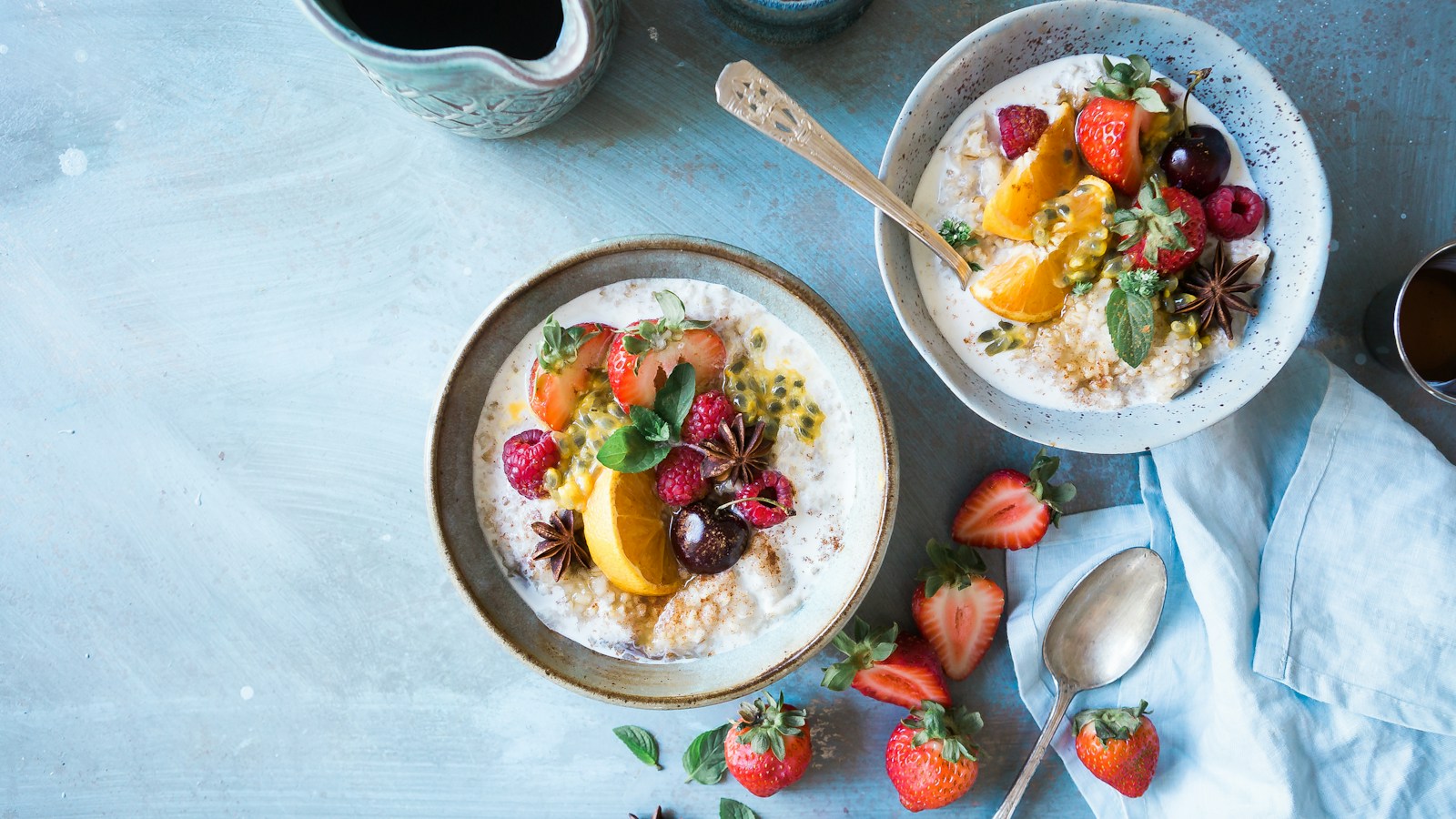
An oat groat is the grain beneath the inedible hull. To make old fashioned oats, producers steam groats and roll them into flakes. The Whole Grains Council describes both old fashioned and quick oats as steamed, flattened oats. Their shapes and thicknesses change the cooking experience; the grain itself is still an oat.
Quick oats are rolled thinner or cut smaller, so they soften faster and tend to make a smoother porridge. Steel-cut oats are chopped groats rather than flattened flakes. They keep a pleasantly chewy bite and need more cooking time. Instant packets may also contain flavorings, sugar, or salt; read the ingredient list instead of assuming all packets are plain oats.
Old fashioned and rolled oats usually mean the same style in a US grocery aisle. A bag labeled thick-cut rolled oats may cook a little differently from a thinner brand. If a baking recipe specifies old fashioned oats, I would use the broad flakes for the texture the writer intended rather than quietly swapping in a finely cut packet.
How to cook a good bowl
For a simple stovetop bowl, follow the ratio printed on your package. Quaker’s standard directions use 1/2 cup old fashioned oats with 1 cup water or milk and a pinch of salt, then cook about five minutes over medium heat, stirring occasionally. A wider pan, a different oat cut, or milk instead of water may change the timing slightly. Look for the texture you like rather than the clock alone.
Start with a gentle simmer, stir to keep the bottom from sticking, and let the oats stand briefly off heat. They continue to thicken as they cool. For a looser bowl, splash in a little extra liquid. For a thicker one, simmer another minute. Cinnamon or a few slices of fruit can go in during cooking; nuts or yogurt are nicest added at the table.
The microwave works, too, with a large enough bowl to allow bubbling and the package’s timing as a starting point. Pause and stir if it rises. Hot oatmeal can be surprisingly fierce, so let it settle before tasting. Overnight oats are different: the flakes hydrate in the refrigerator, giving you a cool, soft breakfast rather than a cooked porridge.
Where the flakes work beyond porridge
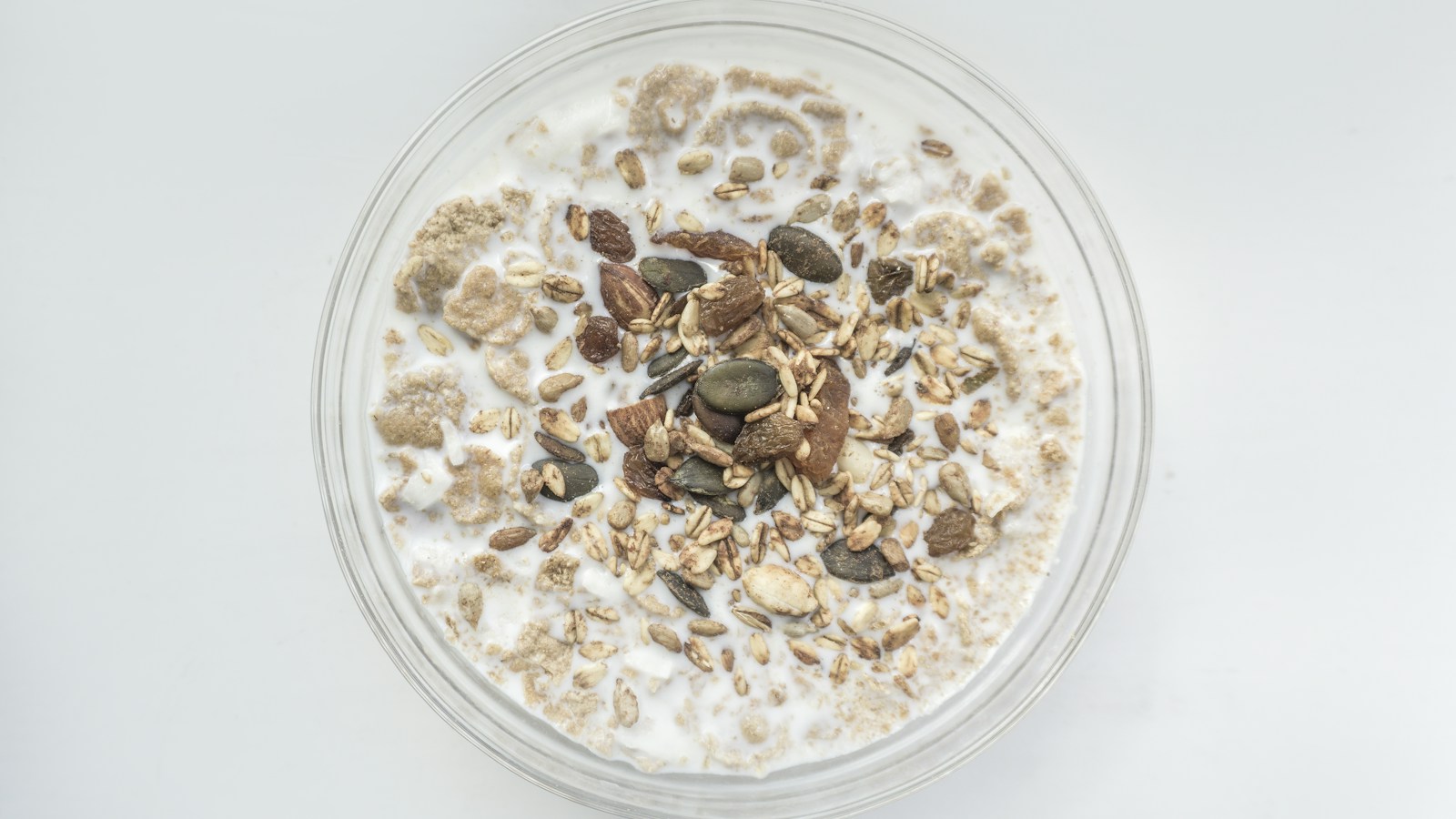
The broad flakes bring texture to granola, fruit crumble toppings, and oatmeal cookies. They can thicken a smoothie or add body to a homemade snack mixture. If you pulse them into a flour, they no longer behave exactly like intact flakes, so use a recipe designed for oat flour when precision matters.
In a crumble, the flakes stay more distinct than quick oats. In a soft muffin, quick oats may disappear more readily into the batter. That does not make one style universally better. Pick the result you want, and be cautious about substituting steel-cut oats in a recipe that expects flakes; their longer hydration time can leave a hard bite.
For a savory bowl, cook plain oats with water or unsalted broth and finish with vegetables, an egg, or beans. The grain has a mild flavor, which makes it a flexible base. If you are watching sodium, seasoning at the end gives you control rather than relying on a salty packaged mix.
Nutrition, labels, and storage
Oats are a whole grain and contain fiber, including soluble beta-glucan. The American Heart Association discusses that fiber in oatmeal, but one breakfast cannot stand in for an overall eating pattern. Toppings and portions change the finished meal. A plain oat bowl with fruit, nuts, and yogurt tells a different nutrition story from a heavily sweetened packet.
Oats themselves do not contain wheat, but cross-contact during growing or processing can matter for someone who needs a gluten-free diet. Choose a product specifically labeled gluten-free when necessary and follow your clinician’s guidance for celiac disease. An ordinary bag of oats should not be treated as certified simply because the ingredient list says oats. Our gluten-free cereal guide explains what to look for on another breakfast aisle.
Keep an opened bag tightly closed in a cool, dry cupboard, following its best-by and storage directions. Heat and moisture can dull the flavor or invite pests. If the oats smell stale or rancid, or you see mold or insects, discard them. A sealed container makes it easier to use the same bag steadily instead of forgetting it at the back of a shelf.
If you prepare several servings, cool the cooked oats promptly, cover, and refrigerate them. Reheat with a splash of liquid until hot throughout, following safe leftover handling. The dry flakes belong in the pantry; a cooked bowl needs the refrigerator. Keeping those two routines separate is an easy way to make breakfast ahead without leaving a warm pot on the counter.
Old fashioned oats earn their space because they are adaptable. I like the simple decision: choose broad flakes for a bit of chew, quick oats for a softer bowl, and steel-cut oats when you have more time. Then let the rest of breakfast be about what tastes good to you.
Sources
- Whole Grains Council, Whole Grains A to Z
- Whole Grains Council, Oats: Grain of the Month
- Quaker Oats, How to Prepare Oats
- American Heart Association, A Fresh Look at Oatmeal

Hi, I’m Laura, the voice behind Tastiva. I’ve always believed that eating well should feel enjoyable, comforting, and realistic—not like another complicated rule to follow. I love creating recipes that fit into everyday life, sharing simple nutrition ideas, and finding small ways to make meals feel a little better without losing the pleasure of good food.