
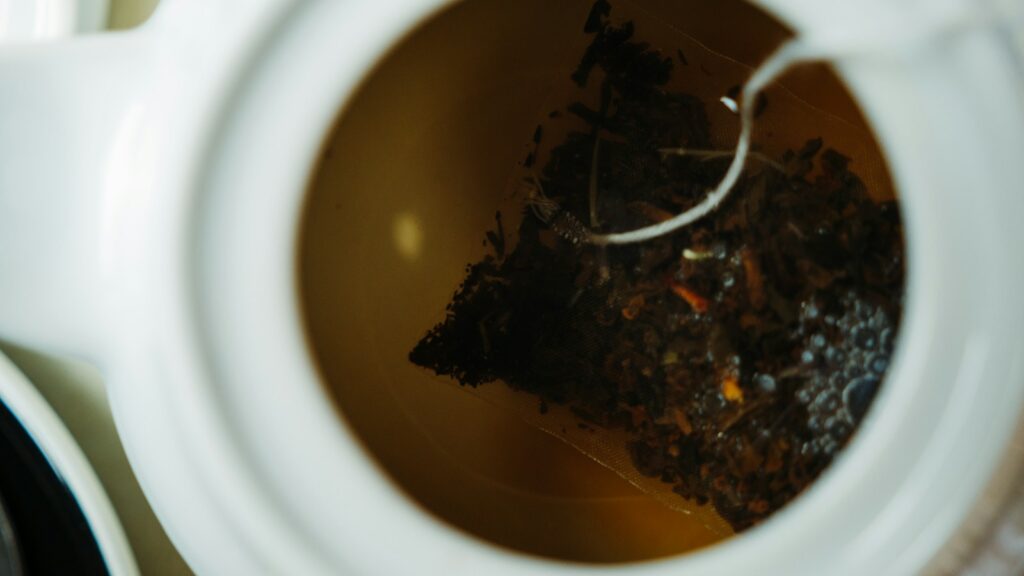
The first thing I notice about an Earl Grey cup is the citrus scent rising above the tea. Earl Grey is usually black tea flavored with bergamot, a citrus fruit; its peel oil gives the blend its distinctive aroma. It is not a separate tea plant or a promise of one exact flavor. The black tea and the amount of bergamot vary by product, so the ingredient list is a better guide than a romantic name on the tin.
Think of Earl Grey as a tea blend with a citrus signature. Choose the base and bergamot strength that fit the cup you actually want.
What makes Earl Grey different
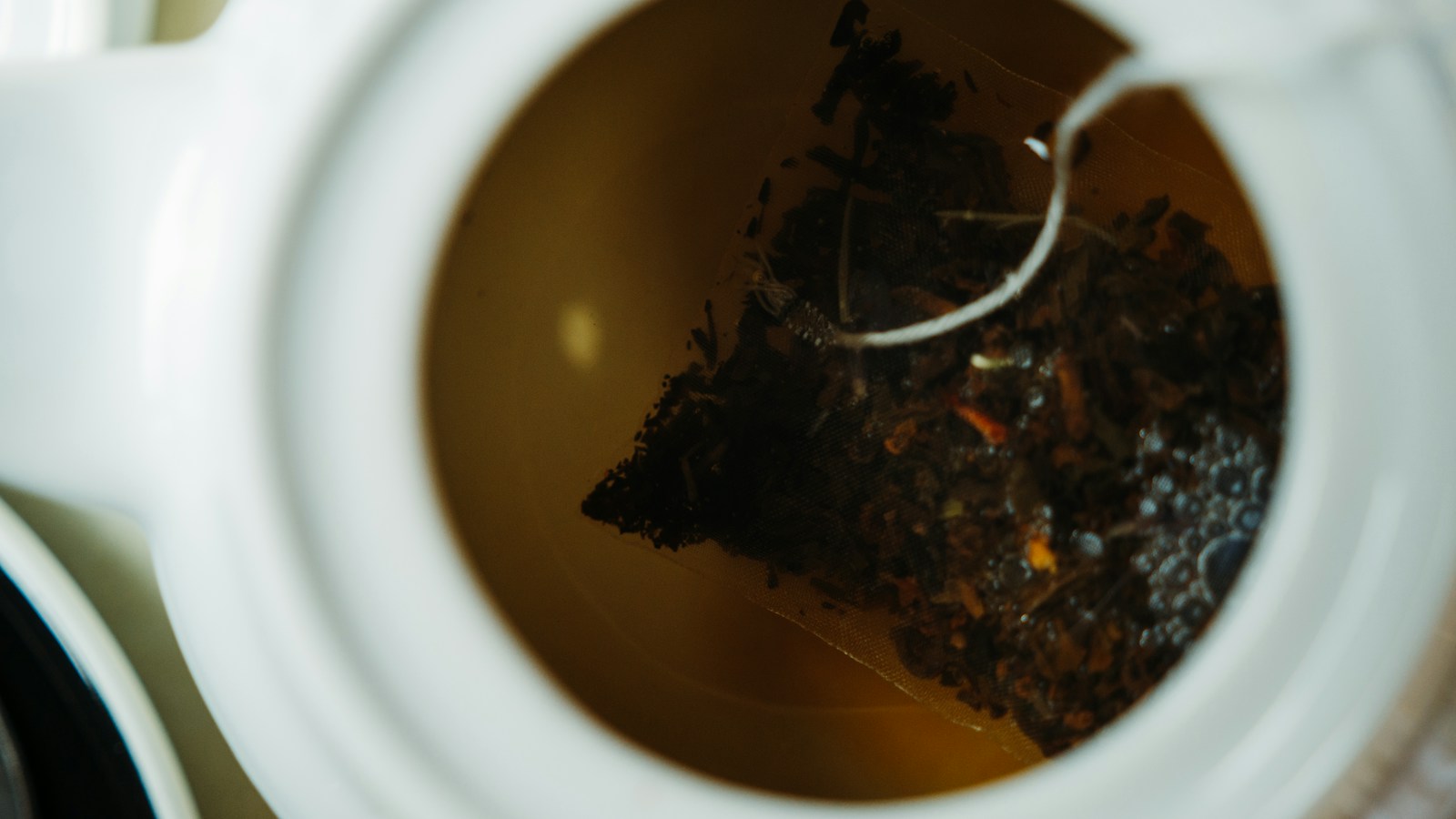
Classic Earl Grey pairs black tea with bergamot oil or flavoring. For example, Harney & Sons describes its blend as black teas from India and China scented with natural bergamot oil, with a little oolong added. Bigelow describes an organic version as black tea with oil from bergamot peel. Those two labels show the useful point: the base and the additions are choices made by the blender, not fixed ingredients in every box.
Bergamot gives a fragrant citrus impression, while the tea underneath may taste brisk, malty, or more delicate depending on its leaves. If the scent seems perfumed when you open a package, that does not necessarily mean sugar was added; check the ingredients for sweeteners. I would start with a plain cup before adding milk or lemon, because that makes the tea’s own balance easier to notice.
Some products named Earl Grey use green tea, decaf black tea, or additional flavors such as lavender and vanilla. They can be enjoyable, but they will not brew or taste exactly like a straightforward black tea blend. A short ingredient list is especially helpful when you want the familiar tea-and-bergamot pairing rather than a dessert-like cup.
Does Earl Grey have caffeine?
Usually, yes. A regular black-tea Earl Grey contains caffeine from its tea leaves. The FDA lists a typical 12-fluid-ounce brewed black tea at 71 milligrams, but that is a category estimate, not a laboratory measurement of your Earl Grey bag. Leaf quantity, steeping, cup size, and blend can change the amount. A green-tea or decaffeinated version also needs its own label check.
Decaf is not the same as caffeine-free. FDA notes that decaffeinated teas can still contain some caffeine. If you are sensitive, a package that clearly identifies the tea base and a manufacturer’s caffeine guidance are more useful than guessing from the word ‘light’ or the color of the brew. I would count Earl Grey alongside coffee, soda, and other sources when thinking about a late-afternoon cup.
The FDA cites 400 milligrams per day as an amount not generally associated with negative effects for most adults, while also emphasizing that sensitivity differs and some medical situations require individual advice. That number is context, not a target to reach. If caffeine affects your sleep or you have questions about a condition, medication, pregnancy, or breastfeeding, take the question to a health professional.
How to brew a cup that tastes balanced
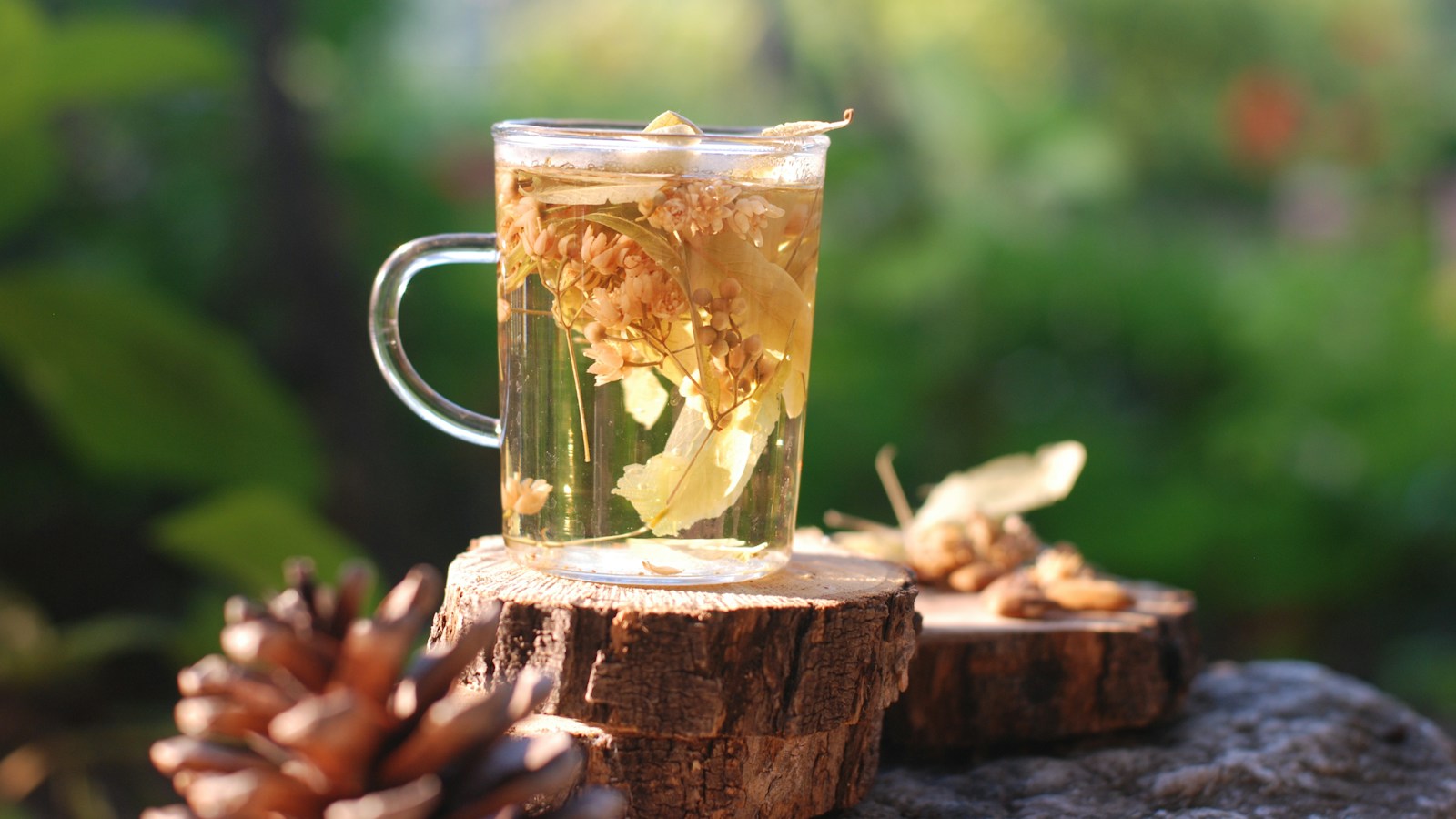
Start with the directions on your particular package. The leaf size and blend matter, so a universal time and temperature would be false precision. Use freshly heated water, give the tea enough room to infuse, and remove the bag or strain the leaves when the instructed time is up. If a cup tastes too sharp, try a shorter steep or less leaf next time rather than covering it immediately with sugar.
Milk softens a brisk black-tea base; a lemon slice can emphasize the citrus side. Both are options, and neither is required. Try the tea plain first if you are choosing a new blend. A strong bergamot note can get lost under a generous amount of milk, while a subtler one may become easier to appreciate in a simpler cup.
I would keep the first brew of any new Earl Grey ordinary: one measured cup, the package’s steep guidance, and a clean mug. Once you know what the blend tastes like, it is easy to make a second cup stronger, dilute it a little, chill it over ice, or pair it with food. That small test is more practical than assuming every Earl Grey behaves like your last box.
Choosing and storing a blend
When buying, check three things in order: the tea base, the flavoring description, and any extra ingredients. Loose leaf gives you control over the amount you use, while bags are convenient for a single cup. Neither format guarantees a better flavor. A decaf version may suit a later cup, but read its caffeine statement if even small amounts matter to you.
Keep the dry tea sealed in a cool, dry, dark place away from strong kitchen smells. Tea aroma is part of the pleasure here, and a poorly closed container makes the bergamot note less distinct. Follow a best-by date for quality, and discard a product that has become wet or moldy. Store brewed tea in the refrigerator if you are saving it rather than leaving a pitcher on the counter.
So if you are curious about Earl Grey, begin with a small, clearly labeled black-tea blend and taste it without additions. The useful question is how much bergamot you enjoy against the tea itself. After that, the cup is yours to adjust; there is no single correct level of citrus, milk, or strength.
Sources
- Harney & Sons, Earl Grey Black Tea (ingredients and blend description)
- Bigelow Tea, Organic Earl Grey Full Leaf Black Tea
- FDA, Spilling the Beans: How Much Caffeine Is Too Much?
- Study of flavor transfer in Earl Grey tea infusions, PubMed

Hi, I’m Laura, the voice behind Tastiva. I’ve always believed that eating well should feel enjoyable, comforting, and realistic—not like another complicated rule to follow. I love creating recipes that fit into everyday life, sharing simple nutrition ideas, and finding small ways to make meals feel a little better without losing the pleasure of good food.