
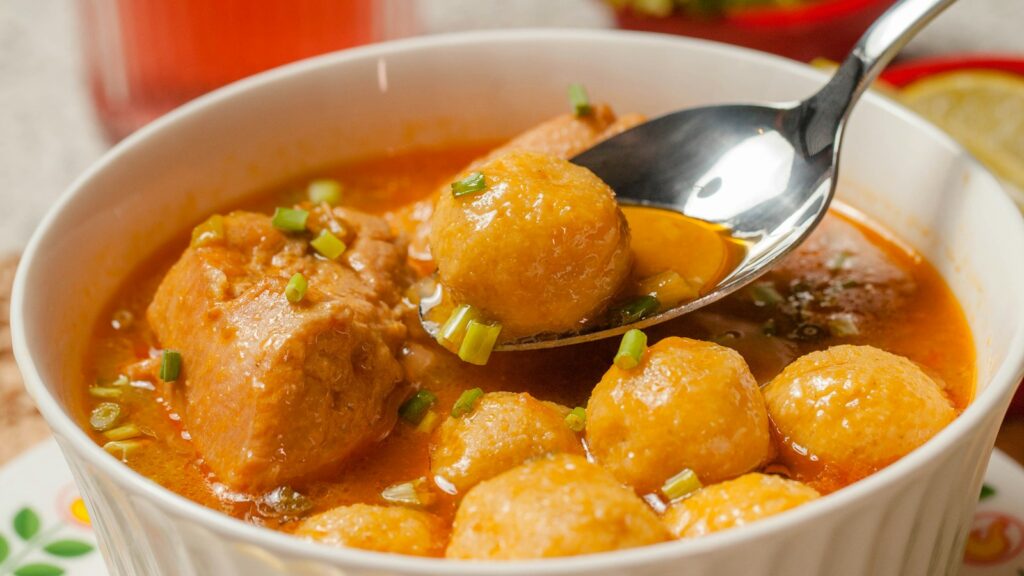
When you feel unwell, the question of what to eat when sick can seem much bigger than dinner. There is no single recovery menu for every illness. A stuffy nose, sore throat, and a stomach that cannot settle call for different foods. I would start with fluids you can tolerate, then choose simple meals in small amounts as your appetite allows. Food can support you through the day, but it is not a cure or a substitute for medical care when symptoms are concerning.
Begin with what you can comfortably drink and eat. Let your symptoms, appetite, and your clinician’s advice guide the next meal.
Start with fluids and an ordinary meal if you can
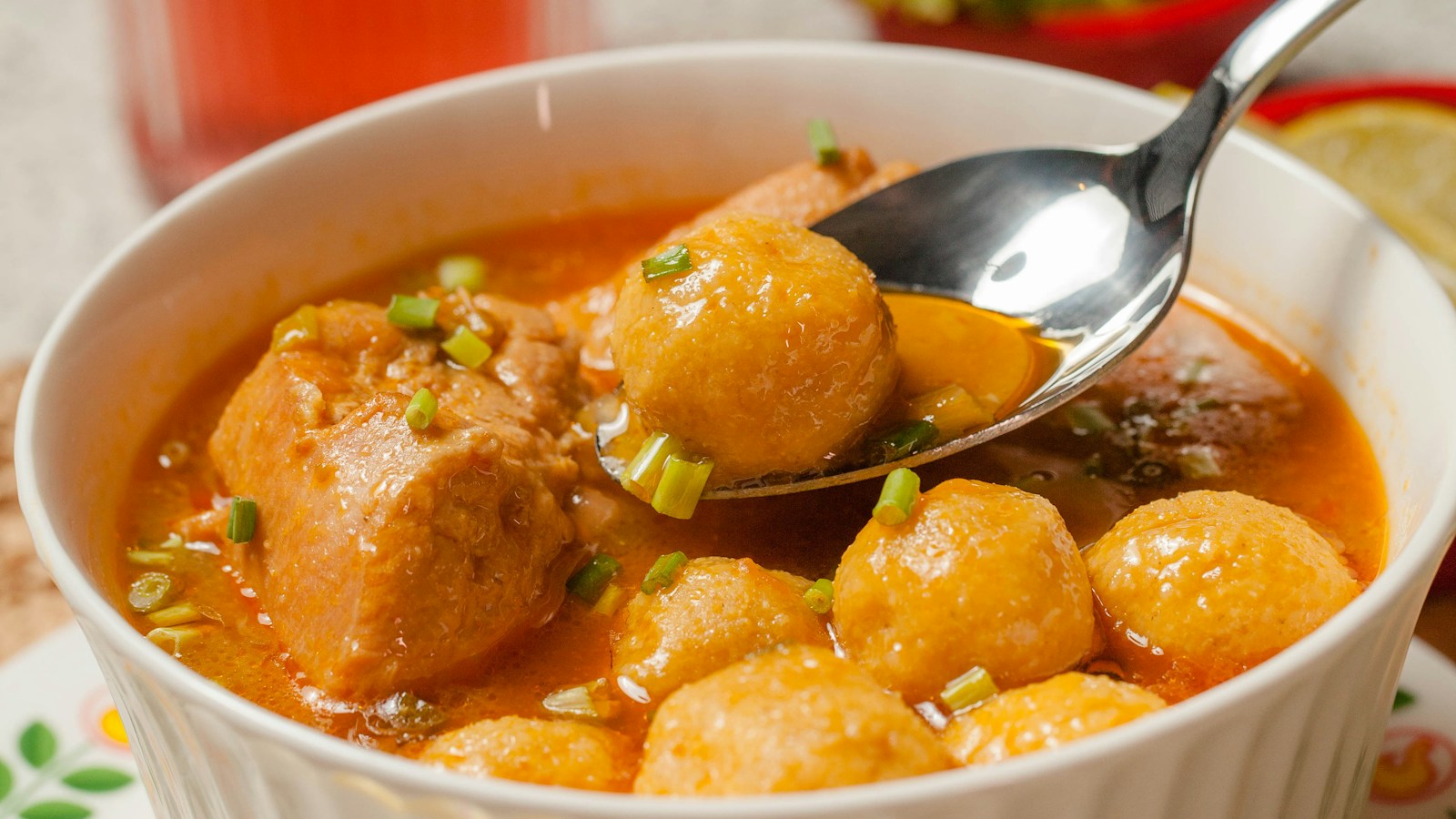
For a cold or a flu-like illness without stomach upset, you may be able to eat much as you usually do. Soup, toast with eggs, oatmeal, fruit, or a simple rice bowl are all practical choices. A warm soup can feel comforting when you are congested, and it supplies fluid as well as food. I would choose the version that sounds appealing, not chase a supposed miracle ingredient.
Keep a drink nearby and take regular sips. Water, broth, and other beverages you tolerate can help replace what you lose through fever or reduced intake. You do not need to force excessive amounts; pay attention to thirst and any specific fluid instructions from your healthcare team. If a sore throat makes eating difficult, softer foods such as oatmeal or yogurt may be easier to manage.
A meal with carbohydrates, some protein, and produce is a reasonable goal once appetite returns, but an illness can make a full plate unrealistic. A few bites now and another small meal later still count. There is no evidence-based reason to impose a rigid ‘sick day superfood’ list on yourself when an ordinary, tolerable meal would do.
When nausea or vomiting changes the plan
For a sore mouth or throat, temperature can matter as much as ingredients. Some people prefer warm broth; others find a cool smoothie or soft fruit easier. Choose textures that do not scrape or irritate, and avoid anything that makes swallowing harder. If you cannot swallow fluids or have severe pain, get medical advice. A soft food is a comfort choice, not a treatment for the underlying illness.
An unsettled stomach calls for a gentler approach. MedlinePlus advises small amounts of clear liquids often if it is hard to keep fluids down. Once you can drink comfortably, try small portions of bland foods, such as crackers, toast, rice, or a plain potato. Avoid strong smells and large, rich meals if they make nausea worse. What works can vary, so move slowly.
If you have been vomiting, do not treat a heavy meal as a test of recovery. Begin with sips, then a little food as you feel ready. MedlinePlus notes that smaller, more frequent meals can be easier than one large meal. A bowl of plain rice or a piece of toast is simply a starting point; it is not a requirement to eat only those foods for days.
Persistent vomiting or an inability to keep liquids down can lead to dehydration and deserves medical attention. If you have a condition that changes your fluid or food needs, follow your clinician’s plan. Advice for infants, older adults, pregnancy, or chronic disease may differ from a general adult food guide.
If diarrhea is the main symptom
Replacing lost fluid becomes especially important with diarrhea. CDC says oral rehydration fluids sold over the counter can help with mild dehydration from norovirus, while severe dehydration needs medical care. An oral rehydration solution is formulated differently from an ordinary energy or sports drink. Ask a healthcare professional or pharmacist which product is appropriate, especially for a child.
As symptoms improve, MedlinePlus suggests soft, bland foods. You might try rice, bananas, toast, oatmeal, or soup in portions that feel manageable. Greasy food, lots of spice, or alcohol may feel unpleasant while your gut settles. Dairy is tolerated differently from person to person; if it worsens symptoms, set it aside temporarily and ask your clinician if symptoms continue.
Do not try to ‘starve out’ an illness or rely on a single food indefinitely. The point of a simple meal is to make eating easier while you recover, then gradually return to a varied diet. If diarrhea is severe, bloody, persistent, or paired with signs of dehydration, seek medical guidance rather than adjusting the menu again.
Make the next meal easy and know when to get help
A small sick-day setup can spare you decisions: a glass of water, crackers, a banana, and ingredients for a simple soup or oatmeal. Refrigerate perishable foods promptly and ask someone else to prepare food if you are too unwell to do it safely. If you have a contagious stomach illness, follow public-health advice about handwashing and avoiding food preparation for others.
The answer to what to eat when sick is therefore flexible. If your stomach is fine, eat ordinary nourishing foods in comfortable amounts. If nausea or diarrhea takes over, prioritize tolerable fluids and ease back into food. No bowl of soup can replace assessment for trouble breathing, severe dehydration, or other urgent symptoms.
CDC recommends contacting a healthcare provider if you have flu symptoms and are at higher risk of serious complications, are very ill, or are worried about your illness. Seek urgent help for emergency warning signs. This guide is for choosing food during a routine illness; your symptoms and medical history determine when a personal plan is needed.
Sources
- MedlinePlus, Nausea and Vomiting
- MedlinePlus, Diarrhea
- CDC, About Norovirus
- CDC, Flu: What To Do If You Get Sick

Hi, I’m Laura, the voice behind Tastiva. I’ve always believed that eating well should feel enjoyable, comforting, and realistic—not like another complicated rule to follow. I love creating recipes that fit into everyday life, sharing simple nutrition ideas, and finding small ways to make meals feel a little better without losing the pleasure of good food.