
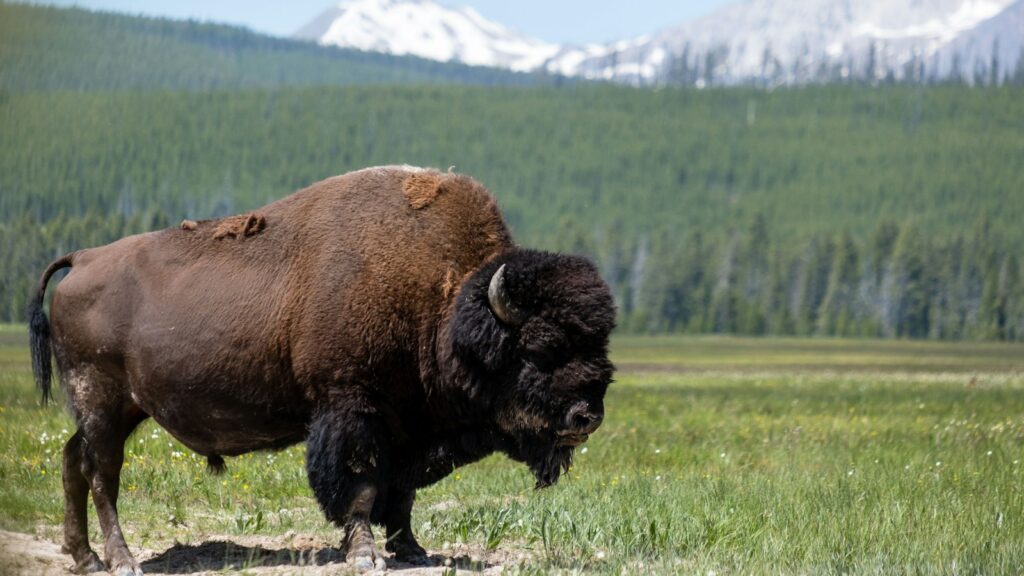
At the meat counter, a package of bison meat can look familiar enough to treat like beef. The important difference is often the fat: bison is commonly leaner, so I’d choose the cut and cooking method before I choose the seasoning. It comes from an American bison, and it can work in burgers, stews, or a simple steak. The label and a thermometer tell you much more than the deep red color does.
Choose the cut first, then cook for its texture and safe temperature. A lean steak and a package of ground bison need different attention.
What bison meat is, and how it compares with beef
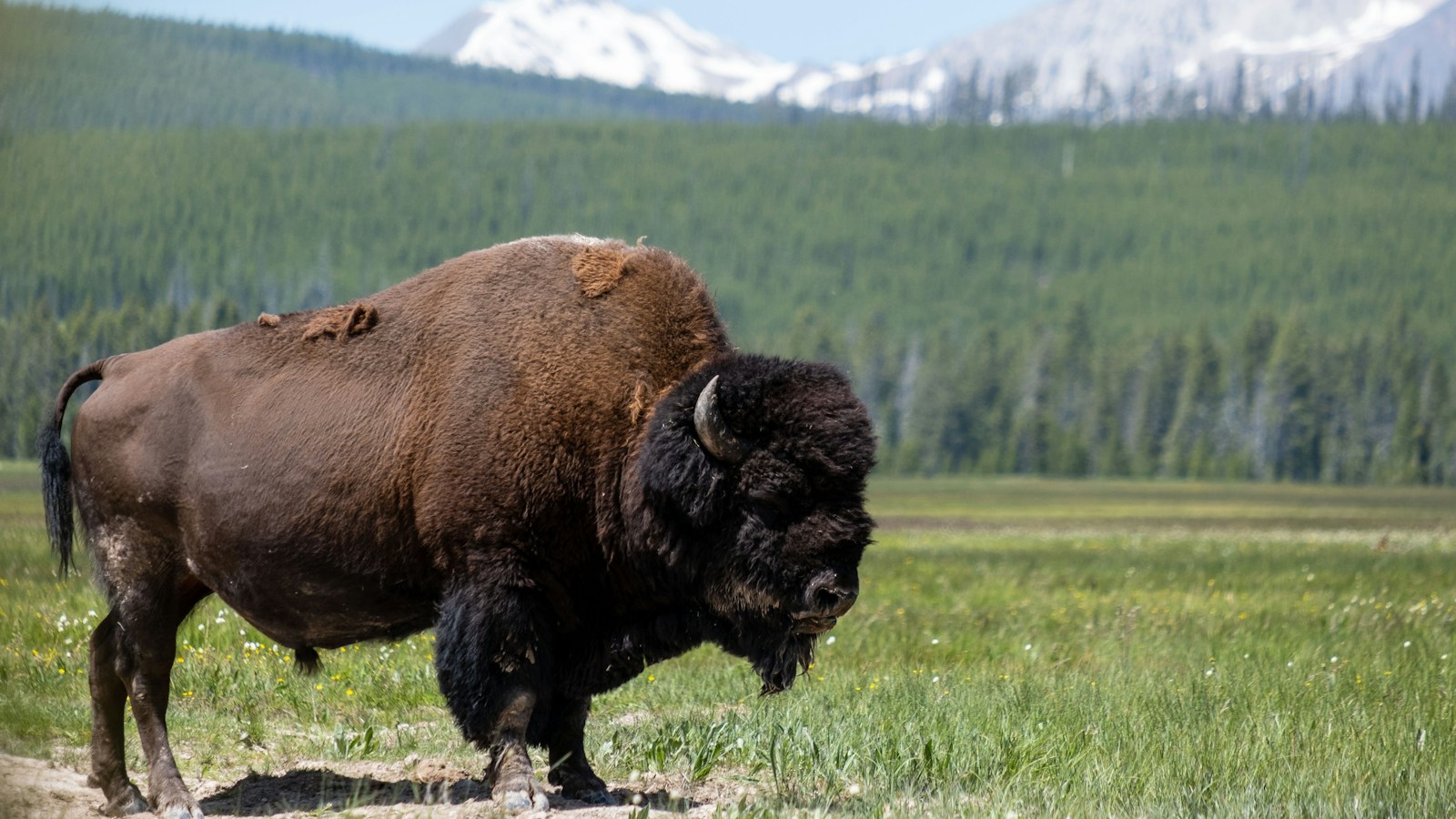
Bison and cattle are different animals, even though their meat fills similar roles in a meal. USDA describes bison as a darker red before cooking, with little visible marbling. Some people describe its flavor as richer or a little sweeter than beef. Flavor is personal, and the cut, fat level, feed, and preparation all matter. I’d start with the same seasonings I enjoy on beef, then adjust only after tasting the cooked dish.
The nutritional comparison needs the same care. USDA data for a particular lean raw bison cut cannot be fairly compared with a fatty cooked beef patty. Bison contributes protein and nutrients such as iron and vitamin B12, but the exact amounts depend on the cut, whether fat was added, and the serving size. Check the package Nutrition Facts if you want numbers for the meat you actually bought.
Ground bison can be a convenient starting point for a familiar dish. Whole steaks and roasts ask for closer attention to thickness and temperature. A very lean cut may feel firmer or drier after extra cooking, which is a kitchen reason to watch it carefully rather than a reason to make sweeping claims that one meat is always better.
Choose the right cut and read the package
Look first for words such as ground, steak, roast, or stew meat. That tells you how to plan dinner and which safe temperature applies. Then read the ingredient list: a plain package of bison is different from a seasoned patty or a blend with other meats. If you’re comparing products, compare the same amount and check the fat listed on each label. The animal’s name alone does not fix the fat content.
For a burger, ground bison fits a skillet or grill and can take the same toppings you would use with beef. Because lean mixtures may lose moisture as they cook, avoid pressing the patty hard against the pan. For a steak, a thermometer and a short rest are more helpful than an exact minute count copied from another cut. A tougher roast may be better suited to a moist, slower preparation.
If a package makes claims about raising practices, use its actual label or certification to evaluate them. I would not assume every bison product is grass-fed or raised the same way; those are separate details to check. That question is worth settling before buying, especially if a particular production method matters to you.
Cook bison meat safely without guessing by color
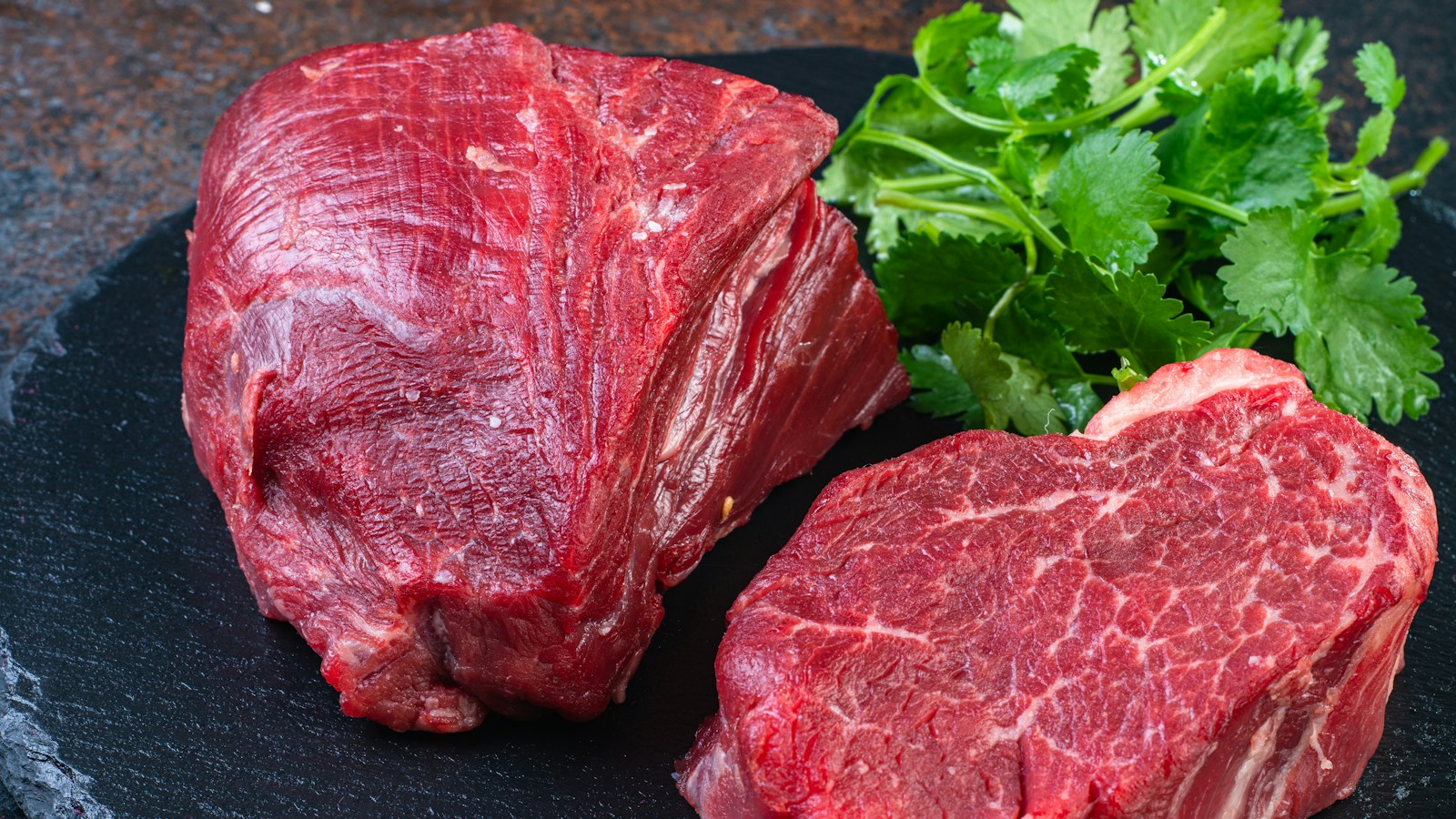
The key distinction is ground versus whole cut. FoodSafety.gov lists 160°F (71°C) for ground meat and sausage. For bison steaks, chops, and roasts, it lists 145°F (63°C) followed by a three-minute rest. Measure in the thickest part with a food thermometer. The darker raw color and a cooked surface cannot establish the center temperature.
Start checking a steak before you expect it to finish. Thickness, heat, and the pan change the timing. Insert the thermometer away from bone and heavy fat; on a thin cut, approach from the side so the probe reaches the middle. For a ground patty, check the center rather than relying on juices or browned edges. Food safety takes priority over a preferred degree of doneness.
If you are using bison in a saucy dish, break ground meat apart and cook it thoroughly before serving. Keep its raw juices off ready-to-eat vegetables and clean the board and utensils afterward. Our cross contamination guide gives a practical setup for a crowded counter. There is no need for a complicated ritual, just separate tools and a clean work area.
Store it well and use the leftovers
Keep raw bison cold and follow the package’s handling instructions. USDA recommends cooking or freezing ground bison or stew meat within two days of purchase for best quality; larger steaks and roasts have a three-to-five-day window. The refrigerator should stay at 40°F (4°C) or below. If plans change, freezing promptly is more useful than hoping the unopened package will wait another day.
Thaw frozen bison in the refrigerator, not on the counter. Put it on a tray or in a container to catch drips and keep it away from foods you will eat without cooking. Once cooked, refrigerate leftovers promptly in shallow containers. FoodSafety.gov’s cold storage chart gives cooked meat leftovers three to four days in the refrigerator; reheat them to 165°F (74°C) when serving hot.
If I were choosing bison for a first meal, I’d buy a clearly labeled cut that suits a familiar recipe, then check its temperature with a thermometer. That leaves room to notice the flavor and texture without turning dinner into an experiment in guesswork. Bison meat is one option among many protein foods, and its best use depends on the particular package and the dish you want to make.
Sources
- USDA FSIS, Bison From Farm to Table
- FoodSafety.gov, Safe Minimum Internal Temperatures
- USDA FoodData Central, Food Search
- FoodSafety.gov, Cold Food Storage Chart

Hi, I’m Laura, the voice behind Tastiva. I’ve always believed that eating well should feel enjoyable, comforting, and realistic—not like another complicated rule to follow. I love creating recipes that fit into everyday life, sharing simple nutrition ideas, and finding small ways to make meals feel a little better without losing the pleasure of good food.