
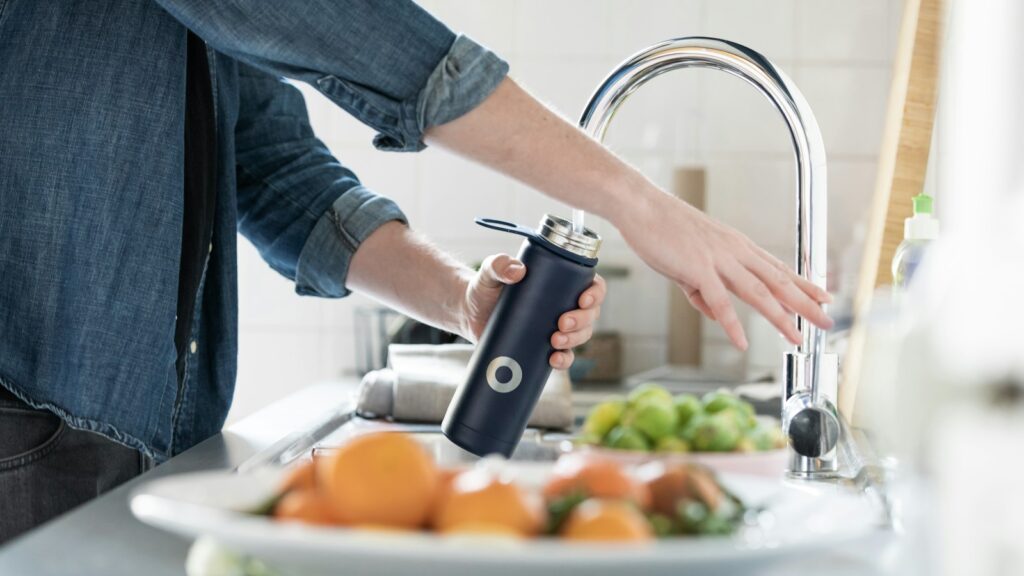
A row of brightly flavored packets can make a plain water bottle seem oddly underqualified. Electrolyte powder adds minerals such as sodium and potassium to water, sometimes with carbohydrate, sweeteners, or caffeine. It can be useful for substantial sweat losses, but most ordinary days do not require a special powder to stay hydrated.
Start with what your day asks of you, then choose the drink that fits; the longest ingredient list does not win by default.
When electrolyte powder has a useful job

Electrolytes help your body manage fluid balance and support nerves and muscles. You obtain them from food as well as drinks; sweating and some illnesses increase losses. The question is whether a particular activity or health situation creates a need beyond your usual meals and fluids.
The American College of Sports Medicine distinguishes everyday exercise from longer, hotter, sweatier activity. A short workout in comfortable conditions is a different situation from an extended run in heat or hours of outdoor work. Individual sweat losses vary, so a universal “one packet every morning” rule misses the point.
| Situation | A reasonable starting point | What deserves more attention |
|---|---|---|
| Usual day with regular meals | Water and ordinary food | Drink access and personal medical advice |
| Brief, moderate exercise | Water is often sufficient | Heat, intensity, and unusually heavy sweating |
| Prolonged, sweaty activity | An individualized fluid and fueling plan | Sodium, carbohydrate needs, and total fluid |
| Vomiting or diarrhea | Appropriate rehydration advice | A suitable oral rehydration solution and signs of significant illness |
I’d make the decision before choosing a flavor. If the problem is simply forgetting to drink, keeping water within reach may address it more directly than buying a stronger mixture. If you regularly train for endurance events, a sports dietitian can help match the plan to the actual activity.
Read the serving, sodium, and mixing instructions
Two products called electrolyte powder can deliver very different amounts of minerals. Compare the stated serving and the amount of water it makes, rather than comparing scoop sizes or the prominence of the word “hydration.” A scoop is a packaging measure, not a standard dose across brands.
- Sodium: Note milligrams per serving. This is especially relevant for replacing sweat losses, but more is not automatically better for your situation.
- Potassium: Check the amount, particularly if you have kidney disease or take medicines that affect potassium.
- Carbohydrate: Determine whether the drink is meant to provide fuel as well as fluid.
- Caffeine: Look beyond flavor names; a hydration mix may also contain a stimulant.
- Mixing volume: Use the water quantity on the directions. Doubling powder without changing water makes a different concentration.
- Other ingredients: Check allergens, sweeteners you tolerate, and any added supplements you do not need.
For an illustrative comparison, imagine a packet with 500 milligrams of sodium that makes 500 milliliters of drink and another with the same sodium amount that makes one liter. The total sodium per packet matches, but the first prepared drink is twice as concentrated. That arithmetic helps explain why the directions belong in the comparison.
The purchase decision also includes cost per prepared serving, portability, and whether you actually like the taste enough to use it as directed. An expensive tub is not automatically a better fit than a simple packet. Avoid treating an impressive-sounding mineral blend as evidence that the product has been shown to improve your health.
Sugar-free and rehydration are different questions
Carbohydrate can provide energy during prolonged exercise, so a sugar-containing sports drink may have a deliberate role. A sugar-free mix can add electrolytes without providing that fuel. Neither format is universally superior; the right comparison depends on whether you need fluid, carbohydrate, or both.
Illness adds another distinction. Oral rehydration solutions combine glucose and electrolytes in a formulation intended for replacing losses; an arbitrary sports powder is not automatically equivalent. NIDDK advises seeking suitable guidance for children and for adults with conditions such as kidney disease or diabetes rather than assuming every drink fits every person.
My preference here is to keep the categories clear. “Zero sugar,” “vitamin water,” and “electrolyte solution” answer different questions on the shelf. Tastiva’s Vitaminwater label guide offers a separate comparison of that beverage category, including why added vitamins do not settle the whole buying decision.
Use a plan that respects your health and activity
Follow product directions and any individualized advice you have received, and avoid stacking several electrolyte products without checking the totals. Food, supplements, and drinks can all contribute the same minerals. NIH notes that impaired kidney function and certain medicines can make excess potassium a particular concern, even when the product looks like an ordinary beverage.
Fluid itself also has limits: drinking beyond your needs can be harmful, and electrolytes do not make unlimited drinking safe. Persistent dizziness, confusion, fainting, inability to keep fluids down, or very little urine need medical attention, not increasingly concentrated packets. A sports product should not be used to diagnose or treat a suspected electrolyte disorder.
For routine use, keep the process manageable: identify the activity, check the prepared serving, and reconsider when weather or duration changes. You do not need to turn every walk into a sports-nutrition project. A useful powder earns its place by solving a specific problem in your day, with a formulation and amount that make sense for you.
Sources
- ACSM: Hydration and electrolyte facts
- ACSM position stand: Exercise and fluid replacement
- British Dietetic Association: Fluid and hydration
- NIH Office of Dietary Supplements: Potassium
- NIDDK: Diarrhea treatment and rehydration

Hi, I’m Laura, the voice behind Tastiva. I’ve always believed that eating well should feel enjoyable, comforting, and realistic—not like another complicated rule to follow. I love creating recipes that fit into everyday life, sharing simple nutrition ideas, and finding small ways to make meals feel a little better without losing the pleasure of good food.