
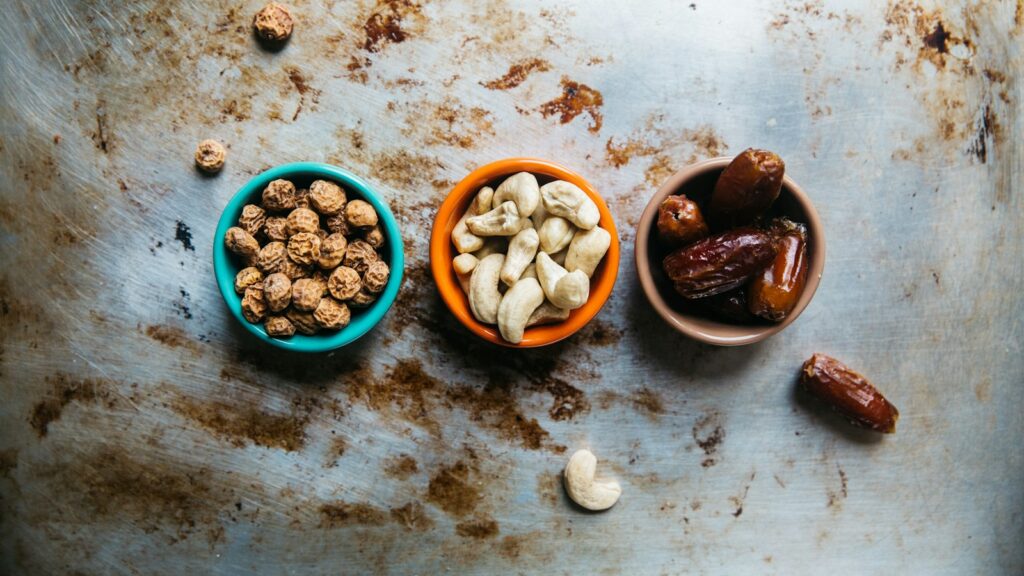
Packing a snack should not require reading every shelf in the supermarket. Gluten-free foods and snacks can start with familiar basics: fruit, vegetables, plain eggs, beans, rice, and other naturally gluten-free ingredients. Packaged foods, sauces, and shared preparation areas need closer checking, especially when you are eating gluten-free for celiac disease.
Build a small collection of foods you enjoy and can verify, then use those reliable choices to make everyday eating easier.
Start with naturally gluten-free foods and snacks
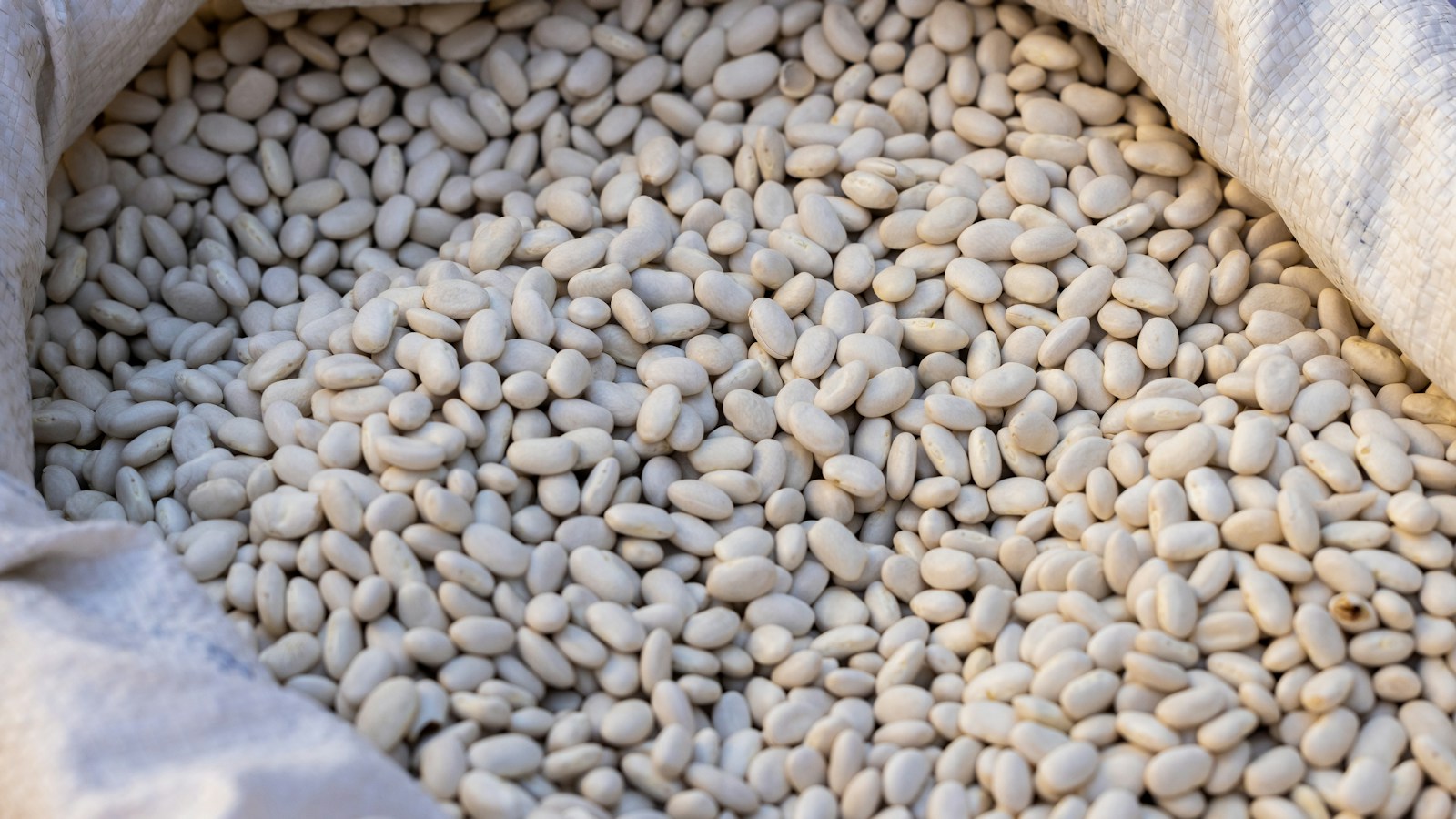
Gluten occurs in wheat, barley, rye, and related grains; it is not an ingredient in plain apples, eggs, rice, or potatoes. The distinction gets more complicated when a food is breaded, flavored, mixed, or cooked alongside something containing gluten. A familiar ingredient can be a useful starting point without making every version of it automatically suitable.
| Food group | Simple starting choices | What to check in prepared versions |
|---|---|---|
| Fruit and vegetables | Fresh fruit, plain frozen vegetables | Coatings, sauces, shared serving utensils |
| Protein foods | Plain eggs, unseasoned meat or fish, beans | Breading, marinades, seasoning mixes |
| Grains and starches | Rice, quinoa, potatoes, corn | Flavored packets, milling, added ingredients |
| Dairy foods | Plain milk, many plain yogurts and cheeses | Cookie mix-ins, cereal toppings, flavored additions |
| Snack ingredients | Plain nuts, seeds, popcorn kernels | Flavor coatings, mixed bins, manufacturing information |
I’d begin with foods already at home before building a cart full of specialty replacements. A baked potato with beans, rice with an egg and vegetables, or plain yogurt with fruit can be a workable meal or snack. Check the specific ingredients and preparation instead of assuming the gluten-free aisle is the only place you can shop.
Oats deserve their own pause. Choose oats specifically labeled gluten-free, because ordinary oats can encounter gluten-containing grains during growing and processing; some people with celiac disease also react to oat protein itself. The Celiac Disease Foundation recommends discussing tolerance with your care team when oats are a concern.
Read a package in a useful order
For foods regulated by the FDA in the United States, a gluten-free claim must meet defined requirements, including less than 20 parts per million of gluten. Certification can provide additional program-specific checks, but FDA does not require one particular certification logo. A missing claim does not prove that an unprocessed food contains gluten; context still matters.
- Identify the exact product. Flavor, size, and country of sale can matter; a brand name alone is not enough.
- Look for a gluten-free statement. Use it alongside the ingredient list, particularly for processed grain foods.
- Check ingredients and allergen information. Wheat-free does not rule out barley or rye, and a wheat statement is not a complete gluten check.
- Pause on unclear products. Ask the manufacturer rather than guessing from packaging colors or an old online list.
- Recheck on later purchases. Formulations and manufacturing information can change.
Watch for barley malt in cereals or snacks, and conventional soy sauce in marinades and dips. Tastiva’s soy sauce and gluten guide explains that particular label question. Bread, crackers, and pretzels need their own verification even when the surrounding snack ingredients are naturally gluten-free.
Keep other allergies separate from the gluten question. A product can be gluten-free while containing milk, egg, soy, nuts, or sesame. For a wheat allergy, follow allergy-specific medical advice rather than treating a celiac-oriented shopping rule as an interchangeable standard.
Put together snacks that feel like enough
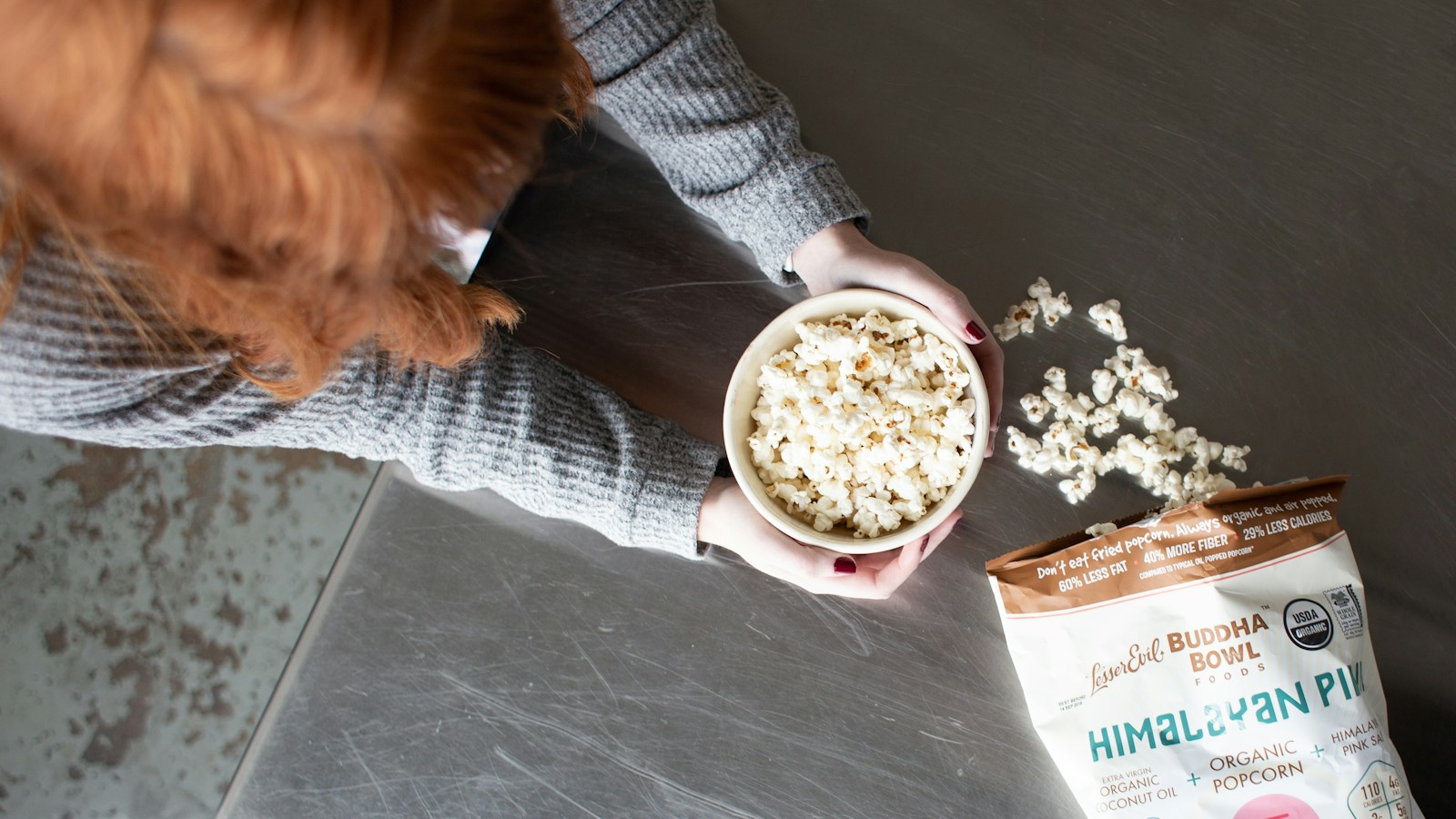
A useful snack depends on appetite, timing, and what else you are eating. Combining a carbohydrate-containing food with protein, fat, or fiber often gives you more variety and substance than relying on a handful of specialty crackers alone. It also leaves room for different textures, which matters when you want the snack to be enjoyable.
- Creamy and crisp: Plain yogurt with berries and verified gluten-free nuts or seeds.
- Portable and simple: A piece of fruit with a separately packed portion of nut butter, if tolerated.
- Savory and substantial: A hard-boiled egg with vegetables and labeled gluten-free crackers.
- For dipping: Hummus with cucumber, carrots, and a verified gluten-free crunchy option.
- For a warm snack: Plain popcorn with the seasonings you have checked.
- For a small meal: Leftover rice with beans and chopped vegetables, stored and reheated safely.
I’d keep two shelf-stable choices in the bag and a couple of refrigerated options at home. That gives you a fallback without requiring every snack to be assembled from scratch. Use a cold pack for perishable foods, and choose portions that fit your actual appetite rather than treating the package serving as a rule.
Gluten-free does not automatically mean higher in fiber or protein. Compare those nutrients when choosing foods you eat often, while allowing room for snacks chosen simply because you enjoy them. Tastiva’s gluten-free chips guide can help with one specific category without turning this shopping list into a brand-by-brand promise.
Protect the food during preparation and serving
Cross-contact happens when gluten reaches food through crumbs, equipment, ingredients, or serving practices. Shared toasters, crumb-filled spreads, and shared fryer oil can undo careful shopping. At home, use clean preparation surfaces and utensils, and keep verified foods protected from flour and crumbs.
When eating out, explain that you have celiac disease if that is the reason for your diet and ask how the meal is prepared. A menu symbol cannot answer whether the kitchen shares fryer oil or uses the same preparation surface. For gatherings, bringing a clearly separated option can reduce uncertainty without making the whole occasion revolve around your plate.
If you suspect celiac disease but have not been tested, speak with a clinician before removing gluten, because diet changes can affect diagnostic testing. Once your needs are clear, a registered dietitian can help keep the diet varied and nutritionally adequate. The goal is a routine you can trust and comfortably repeat.
Sources
- FDA: Gluten and food labeling
- NIDDK: Eating and nutrition for celiac disease
- Celiac Disease Foundation: Gluten-free foods
- Celiac Disease Foundation: Gluten-free oats

Hi, I’m Laura, the voice behind Tastiva. I’ve always believed that eating well should feel enjoyable, comforting, and realistic—not like another complicated rule to follow. I love creating recipes that fit into everyday life, sharing simple nutrition ideas, and finding small ways to make meals feel a little better without losing the pleasure of good food.