
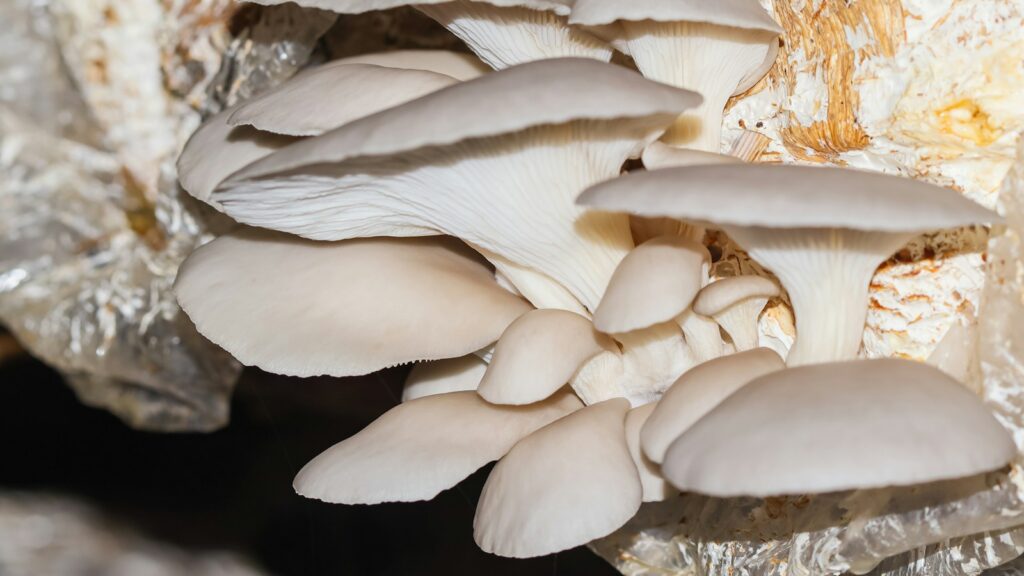
That ruffled cluster in the produce aisle can look more like a handful of petals than something headed for a frying pan. Oyster fungus usually refers to the edible oyster mushroom, especially Pleurotus ostreatus; shops also sell related oyster species. For cooking, buy identified, cultivated mushrooms from a reputable food seller and treat them as a tender, savory ingredient.
Give those delicate caps room in the pan, and their soft edges can become the most interesting bite on the plate.
What oyster fungus is—and what the name does not tell you
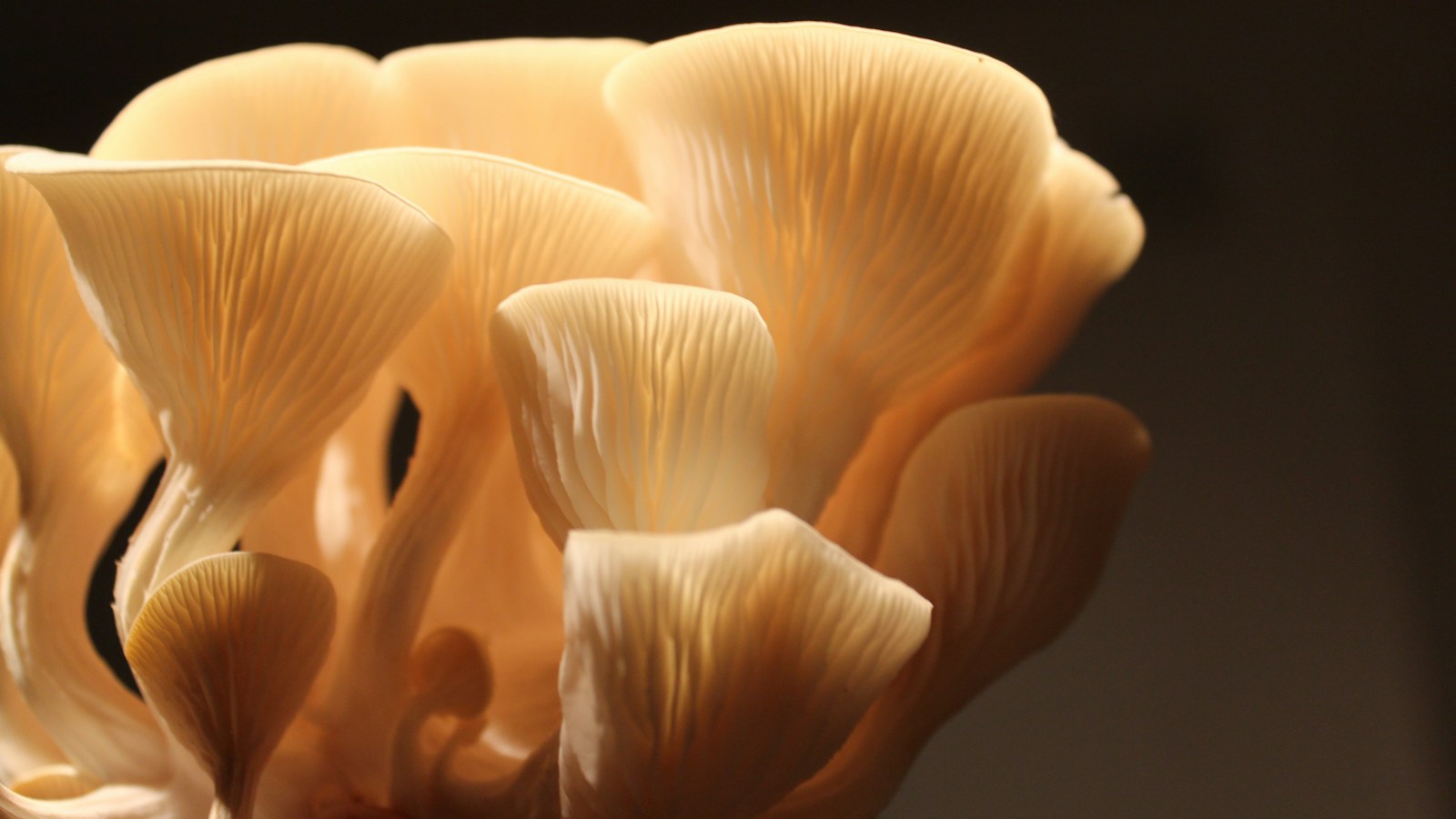
Oyster mushrooms are fungi, with overlapping caps that explain the shell-like common name. Their flavor is generally mild and savory, sometimes described as faintly briny; they are not seafood. Pearl, blue, golden, and pink oysters differ in appearance, while king oyster mushrooms have much thicker stems and need different cutting and cooking choices.
At the shop, the label matters more than resemblance to an online photograph. This kitchen guide cannot establish whether a wild mushroom is edible, and a name such as “oyster-like” is not an identification. Do not eat a foraged specimen without reliable, in-person identification by a qualified local expert.
| Mushroom sold for cooking | What you notice | How that affects preparation |
|---|---|---|
| Clustered oyster mushrooms | Broad, thin caps attached around a base | Separate into manageable pieces; protect the delicate edges |
| King oyster or king trumpet | A substantial stem with a smaller cap | Slice the thick stem to the size the recipe specifies |
| White button mushrooms | Compact, rounded caps | A practical alternative, but without the same ruffled edges |
I’d keep the first purchase simple: one clearly labeled pack and a dish with familiar companions. That gives the mushroom’s texture room to be understood without asking a new ingredient to carry an elaborate dinner by itself. A small package also reduces the chance that fragile caps will wait too long in the fridge.
Buy, clean, and store the clusters gently
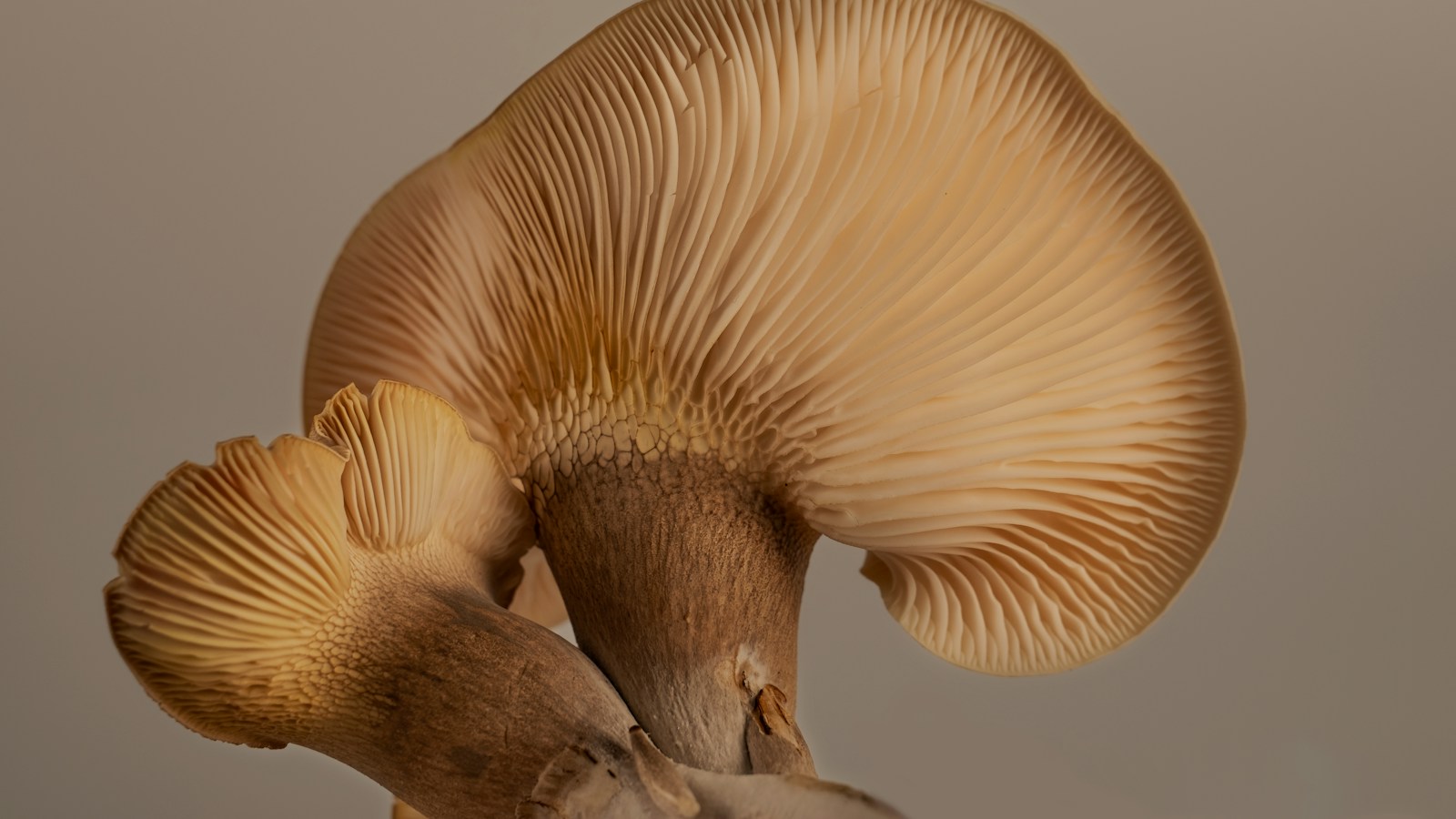
Choose plump mushrooms with firm flesh and a surface that looks fresh, rather than slimy or badly dried. Keep them refrigerated in their original breathable packaging or a paper bag, and follow any package date. The Mushroom Council notes that some mushrooms keep for about a week, but that is not a guarantee for a delicate pack already several days into its shelf life.
Brush away loose debris or briefly rinse under running water, then pat dry. Separate the cluster where it joins the dense base, trimming away any tough or growing-medium-covered portion. The cap and tender stem are edible; trimming is about texture and cleanliness, not a rule that every stem belongs in the bin.
- Before cooking: Check the underside of overlapping caps, where debris can hide.
- For a consistent panful: Tear or cut large pieces so they are closer in size to the smaller ones.
- After rinsing: Dry the surfaces thoroughly to reduce water entering the pan.
- If the mushrooms smell sour, feel slimy, or show mold: Discard them rather than trying to rescue them with heat.
The preparation I’d avoid is a long soak. A quick clean is enough for purchased mushrooms, and waterlogged clusters make it harder to manage browning. Store them unwashed until you are ready to use them, so the cleaning step does not add moisture to the storage container.
Build browned edges without a crowded pan
A skillet needs enough space for moisture to escape. Start with a pan and cooking fat suitable for the recipe, arrange the mushrooms without piling them deeply, and work in batches if necessary. If the pan fills with liquid, allow that liquid to evaporate before expecting browned edges; constantly adding more oil will not remove the water.
Let each side make contact with the pan before moving the pieces again, and adjust the heat if thin edges darken before thicker sections soften. Garlic and delicate herbs can go in later so they do not burn while the mushrooms cook. Add a splash of broth or sauce when you want a glossy finish, rather than at the start of a browning step.
- For noodles: Combine cooked mushrooms with ginger, greens, and a suitable sauce.
- For toast: Add tender mushrooms to toast with an egg, beans, or a spread.
- For grain bowls: Pair browned pieces with rice, lentils, and a bright dressing.
- For soup: Use them for a tender bite; crisp edges will soften once submerged.
Soy-based seasonings bring salt as well as savory flavor, so taste before adding more. Tastiva’s tamari guide explains how that sauce differs from conventional soy sauce and why the bottle’s allergen and gluten labeling still matters. Mushrooms themselves do not make every sauce or finished dish gluten-free.
Fit them into a satisfying meal
Mushrooms can contribute savory depth and appealing chew to a meatless plate. Their texture, however, does not make them nutritionally interchangeable with a serving of chicken, fish, beans, or tofu. If they are the main visual feature, add a meaningful protein source elsewhere in the meal instead of assuming that a hearty bite settles the nutrition question.
A useful dinner arrangement is mushrooms plus a grain, vegetables, and a protein you enjoy. Think rice with mushrooms and tofu, or toast with mushrooms and white beans. The choices can stay flexible: a crunchy vegetable and something bright or tangy often make a soft, savory mushroom dish more interesting.
For extras, cook the mushrooms before freezing if you want a more useful texture later, and follow the package’s storage advice. Reheated mushrooms suit soups and sauces especially well; they will not necessarily recover freshly browned edges. Portioning them for one future dish makes better use of that texture change than expecting yesterday’s skillet to return exactly as it was.
Sources
- Mushroom Council: Oyster mushrooms, handling, and culinary uses
- Mushroom Council: Mushroom basics
- Mushroom Council: King trumpet mushrooms
- FDA: Safe food handling

Hi, I’m Laura, the voice behind Tastiva. I’ve always believed that eating well should feel enjoyable, comforting, and realistic—not like another complicated rule to follow. I love creating recipes that fit into everyday life, sharing simple nutrition ideas, and finding small ways to make meals feel a little better without losing the pleasure of good food.