
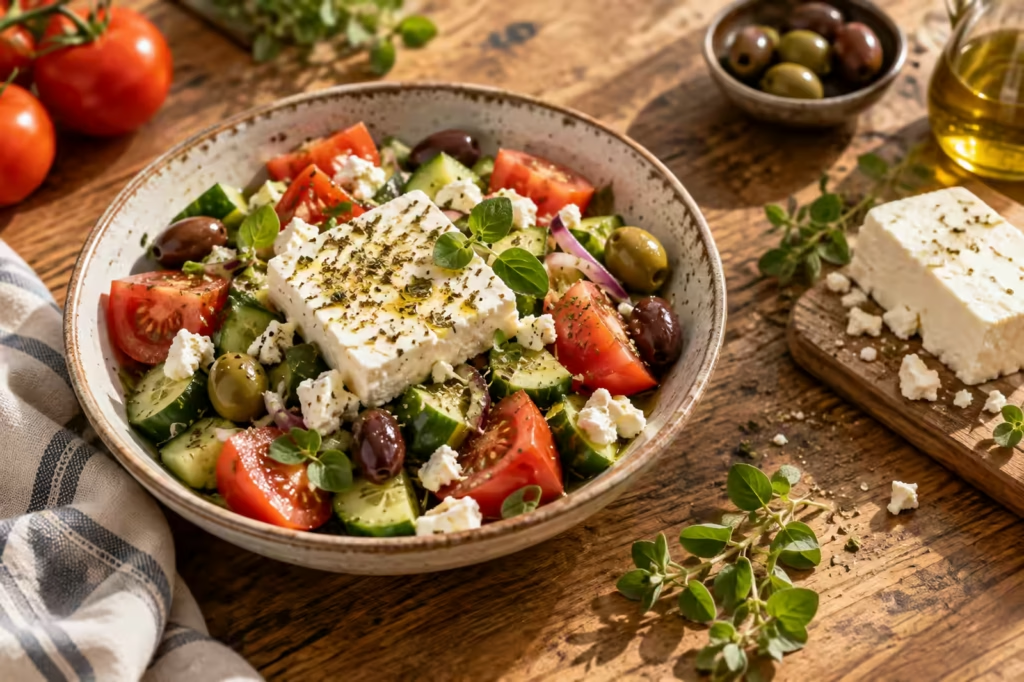
Feta cheese is one of those ingredients that can wake up an entire plate. A few bright, salty crumbles can make tomatoes taste sweeter and roasted vegetables feel finished. I also know the questions that follow: Is feta nutritious? Is it very salty? And does a small portion really count? The useful answer is that feta can fit beautifully, especially when its strong flavor is treated as an advantage rather than a reason to pile it on.
Feta works best as a flavor-maker: a modest amount can bring tang, salt, creaminess, and character to a whole bowl of nourishing food.
What feta cheese actually is
Feta is a soft, crumbly cheese matured in brine. Traditional Greek feta is made from sheep’s milk or a blend of sheep’s and goat’s milk, while feta-style cheeses sold elsewhere may use cow’s milk. That difference can change the texture and flavor, so I check the milk source when I want something creamy, sharp, or especially tangy.
The brine gives feta its characteristic salty edge and helps preserve its moist texture. You may see a firm block submerged in liquid, dry crumbles in a tub, or flavored versions with herbs. A block in brine usually tastes fresher and stays creamier; pre-crumbled feta wins on convenience but may dry out sooner.
Names and recipes vary, but the package is the clearest guide to the product in your hand. Look at the milk, ingredients, pasteurization statement, sodium, and use-by directions rather than assuming every white crumbly cheese is identical.
Feta cheese nutrition in a useful portion
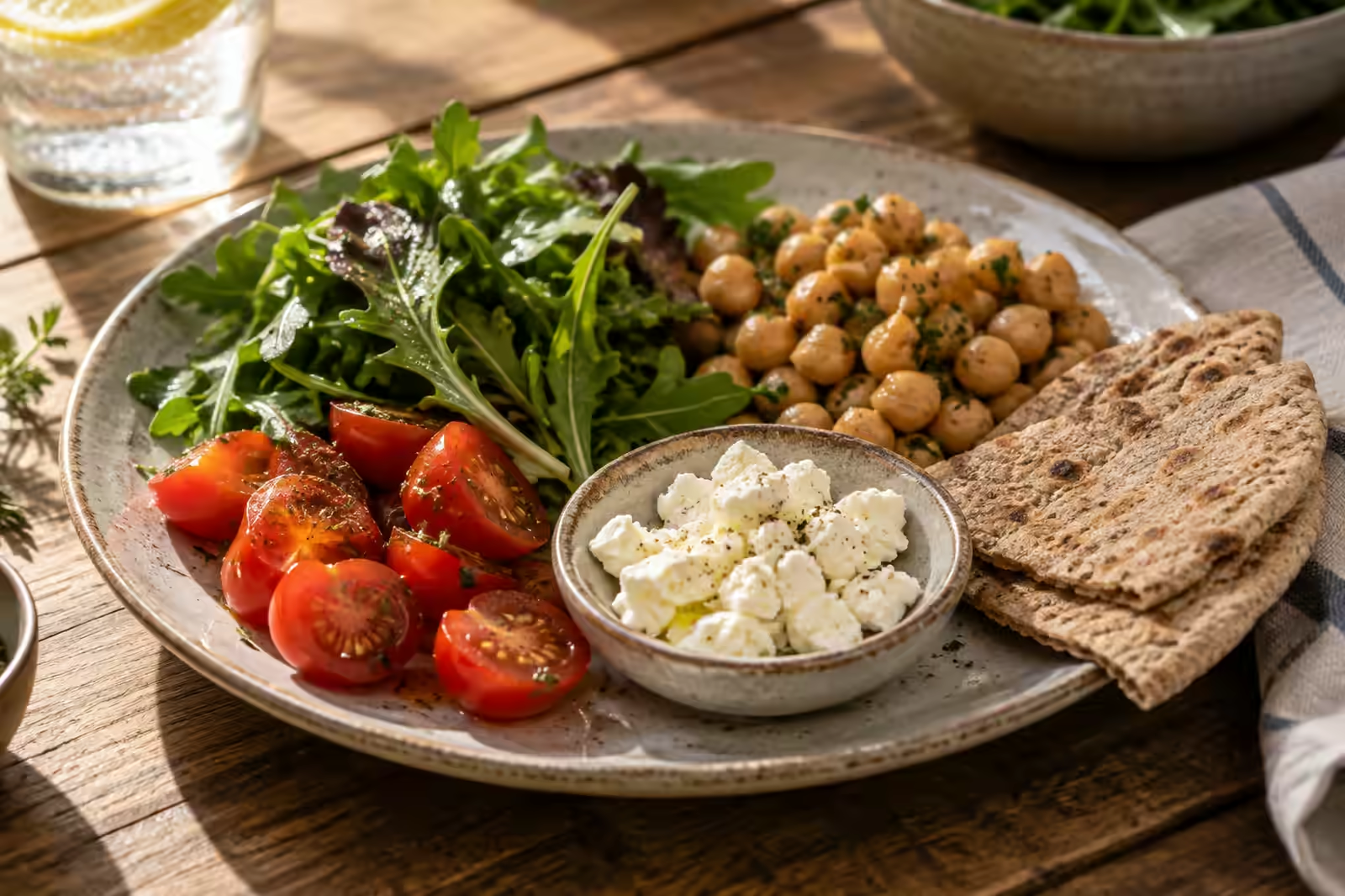
For a rough reference, one ounce of feta provides about 75 calories, 4 grams of protein, 6 grams of fat, 140 milligrams of calcium, and a little over 300 milligrams of sodium. Brands vary, especially in sodium, so the Nutrition Facts label should make the final call. One ounce is not a giant slab—it is enough to crumble over a generous salad or grain bowl.
Feta contributes protein and calcium, but I would not ask it to be the whole meal. It becomes more satisfying alongside beans, eggs, fish, chicken, whole grains, or plenty of vegetables. If bone nutrition is on your mind, remember that calcium is only one part of the picture; our guide to vitamin D deficiency explains another important piece.
The sodium deserves attention, not alarm. Because feta is assertive, a small amount can season a large amount of food. Taste before adding extra salt, use lemon and herbs for brightness, and compare labels if you eat it often or have been advised to limit sodium.
- For a salad: start with about one ounce for a large personal bowl.
- For toast: combine a thin layer with tomatoes, cucumber, or fruit.
- For a grain bowl: let beans or lentils provide more of the protein and use feta as the finish.
- For lower sodium: compare brands and use less rather than relying on rinsing to transform the nutrition.
Lactose, sodium, and pregnancy questions
Feta is not automatically lactose-free. Cheese making removes some lactose with the whey, and many people with lactose intolerance can tolerate a certain amount of cheese, but tolerance varies. If dairy causes symptoms, begin with a small portion, read the label, or choose a product specifically labeled lactose-free. A milk allergy is different and requires avoiding milk proteins, not simply choosing a lower-lactose cheese.
During pregnancy, I would choose feta clearly labeled as made with pasteurized milk and keep it properly refrigerated. The Centers for Disease Control and Prevention lists unpasteurized milk and cheeses made from it among the riskier choices because they can carry harmful germs. When a restaurant or market label is unclear, asking about pasteurization is a sensible, low-drama step.
Anyone with a medical sodium restriction, kidney condition, milk allergy, or significant digestive symptoms deserves advice tailored to them. Feta can be part of a healthful pattern, but no general article should overrule an individual care plan.
How to buy, store, and use feta
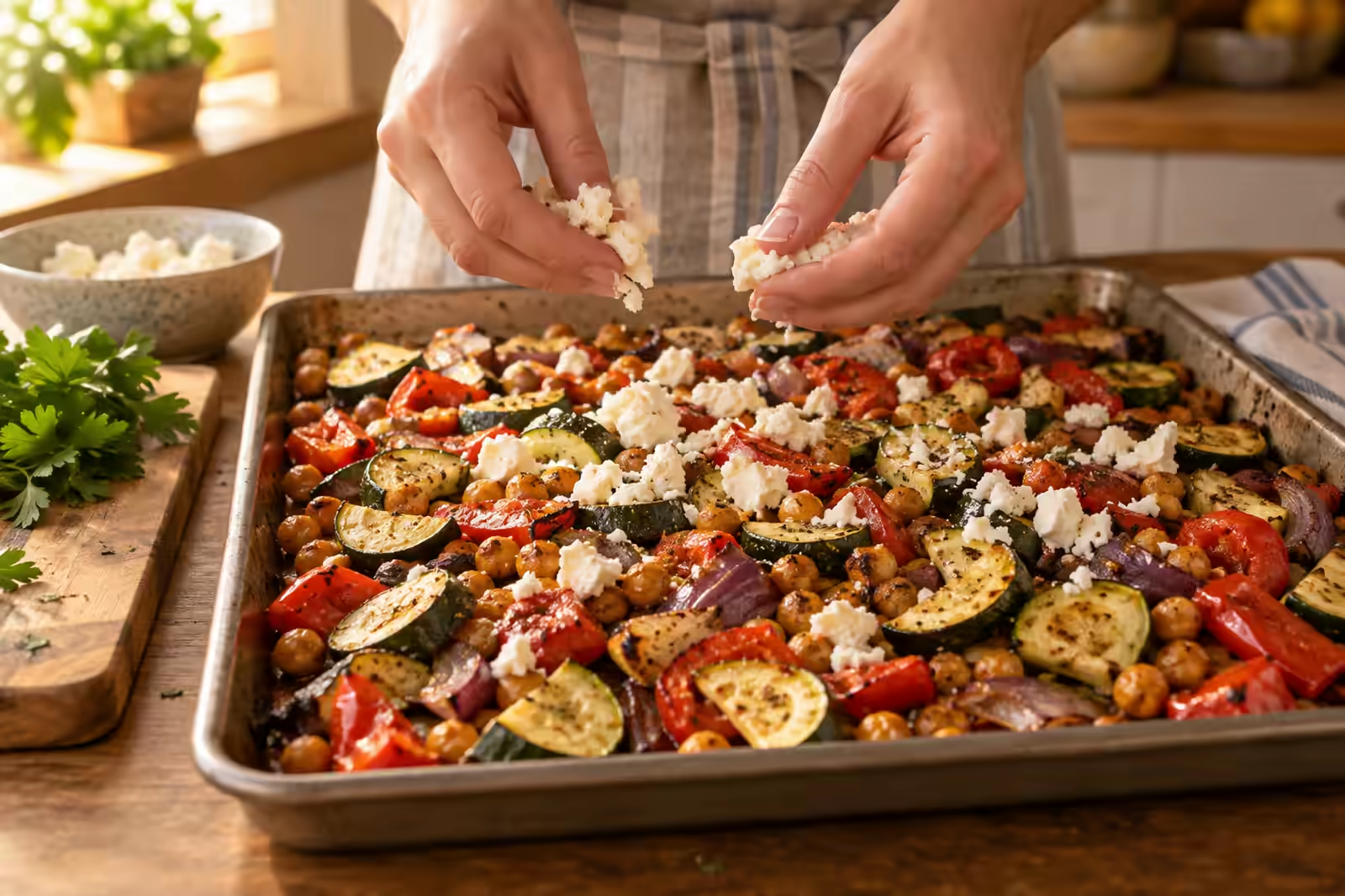
For the creamiest texture, I reach for a block in brine and crumble only what I need. Keep it refrigerated in its original liquid and follow the package date and storage directions. If the cheese develops mold, an unpleasant odor, discoloration, or a texture that seems wrong for the product, it is safer to discard it than to trim and hope.
- Crumble feta over roasted peppers, zucchini, cauliflower, or chickpeas.
- Fold it into eggs with spinach and fresh herbs.
- Pair it with watermelon, peaches, citrus, or tomatoes for a sweet-salty contrast.
- Mash a little feta with plain yogurt and lemon for a creamy spread.
- Add it to lentil, quinoa, or farro bowls just before serving.
The best feta dish is not necessarily the one with the most cheese. I like to build the plate first—vegetables, grains, and a satisfying protein—then add feta where its tang will be noticed. That approach gives you the pleasure of the cheese and keeps the meal varied, colorful, and genuinely filling.
Sources
- USDA FoodData Central: Feta Cheese
- National Institute of Diabetes and Digestive and Kidney Diseases: Eating, Diet, and Nutrition for Lactose Intolerance
- Centers for Disease Control and Prevention: Safer Food Choices for Pregnant Women
- USDA MyPlate: Dairy Group

Hi, I’m Laura, the voice behind Tastiva. I’ve always believed that eating well should feel enjoyable, comforting, and realistic—not like another complicated rule to follow. I love creating recipes that fit into everyday life, sharing simple nutrition ideas, and finding small ways to make meals feel a little better without losing the pleasure of good food.