
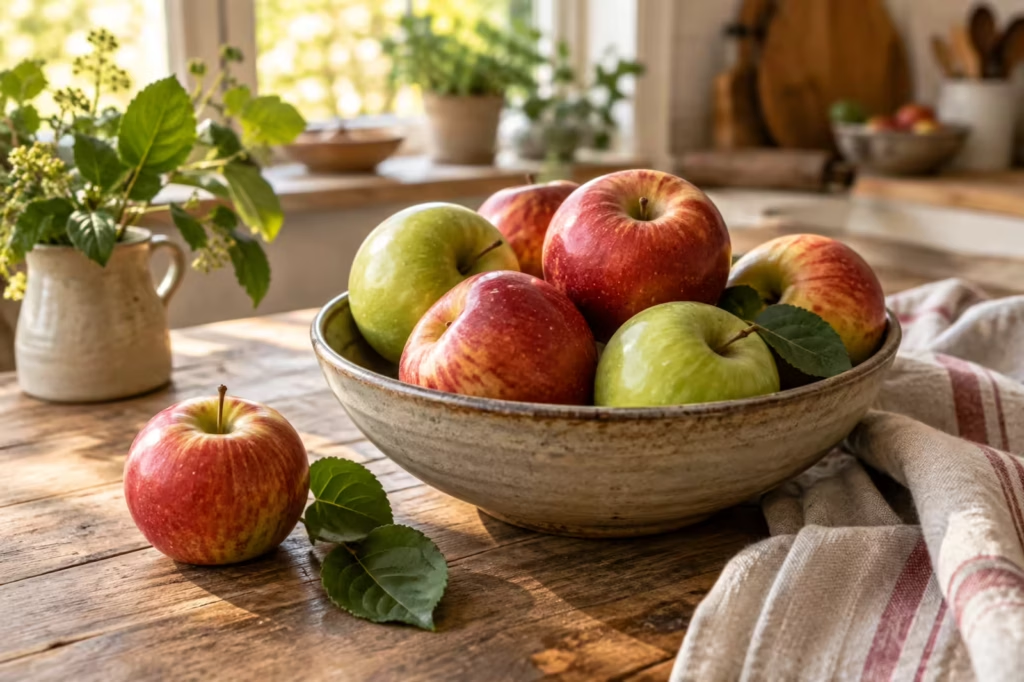
Apples are so ordinary that they are easy to overlook. They sit in the fruit bowl, travel well in a bag, and rarely arrive with a dramatic wellness promise. But are apples good for you? Yes. A whole apple provides water, fiber, vitamin C, and plant compounds in an affordable, satisfying package. Its everyday usefulness is exactly what makes it valuable.
An apple does not need to be exotic to be nourishing; sometimes the best fruit is the one that is easy to keep, easy to carry, and genuinely pleasant to eat.
What you get from a whole apple
One medium apple with the skin has roughly 95 calories, 25 grams of carbohydrate, and about 4 grams of fiber. It also contributes vitamin C and potassium. The numbers vary with the apple’s size and variety, so consider them a practical estimate rather than a promise stamped onto every fruit.
Much of an apple is water, which works with its fiber and crisp texture to make it more filling than apple juice. Apples also contain polyphenols. Research has explored how apples and apple components relate to heart, digestive, and metabolic health, but a single apple cannot carry the work of an entire eating pattern.
The old “apple a day” saying is a lovely reminder, not medical instructions. Apples count toward fruit intake, while variety brings a wider mix of nutrients and flavors. Cherries, citrus, berries, pears, and frozen fruit all belong in that same generous picture.
Should you eat the apple peel?
If you enjoy it, yes. The peel contributes fiber and contains many of the fruit’s polyphenols. Leaving it on also saves time and keeps the apple pleasantly crisp. Wash the fruit under running water and rub the surface with clean hands before eating or cutting it.
Peeling an apple does not make it worthless. Peeled apple can be easier for some children, older adults, or people with digestive sensitivities to manage. The best choice is the form that lets someone eat the fruit comfortably, not a rule that turns a snack into a test.
Cooking changes texture and may reduce some heat-sensitive vitamin C, yet a baked or stewed apple still contributes fruit and can retain useful fiber. Keep the cooking liquid when possible, and let cinnamon, vanilla, or ginger bring flavor before reaching automatically for extra sugar.
- Keep the peel when you enjoy the texture and tolerate it well.
- Wash apples under running water; soap and produce detergent are unnecessary.
- Slice just before eating or add a little lemon juice to slow browning.
- Cut apples into an age-appropriate shape for young children.
Whole apples vs. applesauce and apple juice
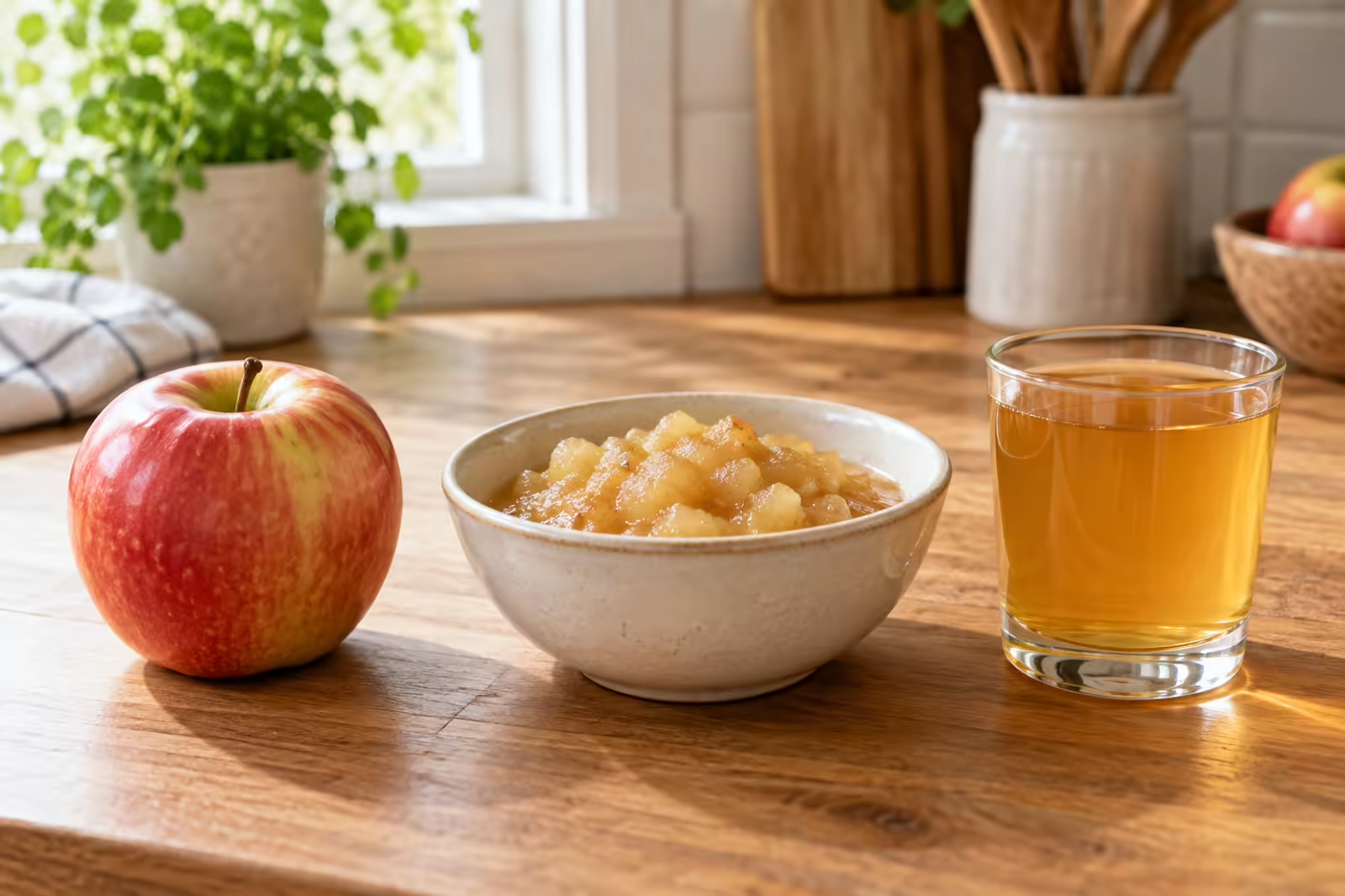
A whole apple usually takes longer to eat and keeps its full fiber structure. Unsweetened applesauce can still be a useful fruit choice, especially when chewing is difficult, but it is softer and easier to eat quickly. Check the ingredient list because some products contain added sugar.
Apple juice has much less fiber and does not satisfy in the same way as whole fruit. It can fit in a diet, but the portion matters. The Dietary Guidelines recommend that at least half of fruit intake come from whole fruit rather than juice, which is a sensible rhythm for most families.
Dried apples are another concentrated option. Choose versions without added sugar when possible and notice the serving size. The goal is not to declare one form forbidden; it is to understand how processing changes fullness, fiber, and how quickly the portion disappears.
How to make apples more satisfying
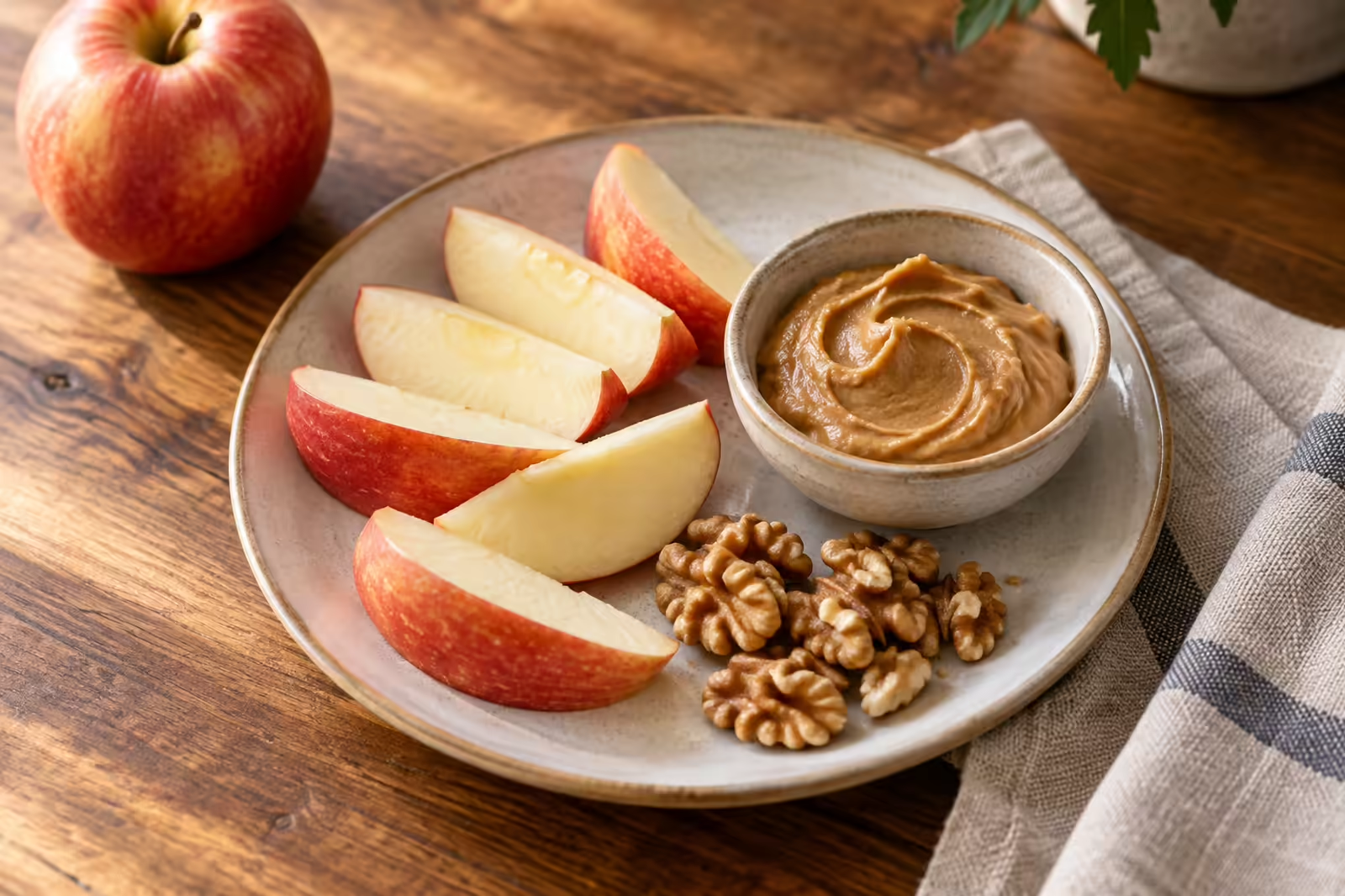
An apple is a fine snack on its own. When hunger is larger, pair the carbohydrate and fiber with protein or fat. Apple wedges with peanut butter, yogurt, cheese, or walnuts feel more like a small meal and often hold you longer than fruit by itself. Sweet-tart varieties also work beautifully in savory meals, where their crunch can brighten rich cheese, roasted vegetables, or a simple bean salad. Choose the variety you actually enjoy; a crisp Honeycrisp, soft McIntosh, and tart Granny Smith all count.
- Stir diced apple and cinnamon into oatmeal.
- Add thin slices to a turkey or cheddar sandwich.
- Toss apples into a cabbage, lentil, or grain salad.
- Bake apple halves with cinnamon for a warm dessert.
- Keep washed apples visible for an easy grab-and-go snack.
People managing diabetes can often include whole fruit, but carbohydrate needs and glucose responses are individual. Portion size and pairing can help, and personal medical advice should come from your clinician or dietitian. If apples cause bloating, a smaller serving or a different fruit may suit you better.
The quiet answer is yes: apples are good for you. They offer fiber, nourishment, and convenience without requiring a complicated routine. For another colorful option, read our guide to the nutrition in cherries.
Sources
- USDA FoodData Central: Raw Apples With Skin
- USDA MyPlate: Fruits
- National Library of Medicine: Apples and Apple Components and Their Relationship to Human Health

Hi, I’m Laura, the voice behind Tastiva. I’ve always believed that eating well should feel enjoyable, comforting, and realistic—not like another complicated rule to follow. I love creating recipes that fit into everyday life, sharing simple nutrition ideas, and finding small ways to make meals feel a little better without losing the pleasure of good food.