
Ordering a beer should not require detective work, yet the gluten-free shelf can make similar-looking bottles mean very different things. Some beers begin with naturally gluten-free grains. Others begin with barley and are treated to reduce gluten. If you have celiac disease or a medical need to avoid gluten, that distinction is not fine print—it is the heart of the choice. A little label literacy can protect both your health and the pleasure of sharing a drink without second-guessing every sip.
“Gluten-free” and “crafted to remove gluten” may sound close, but they describe two different starting points—and the starting grain matters.
What gluten-free beer is made from
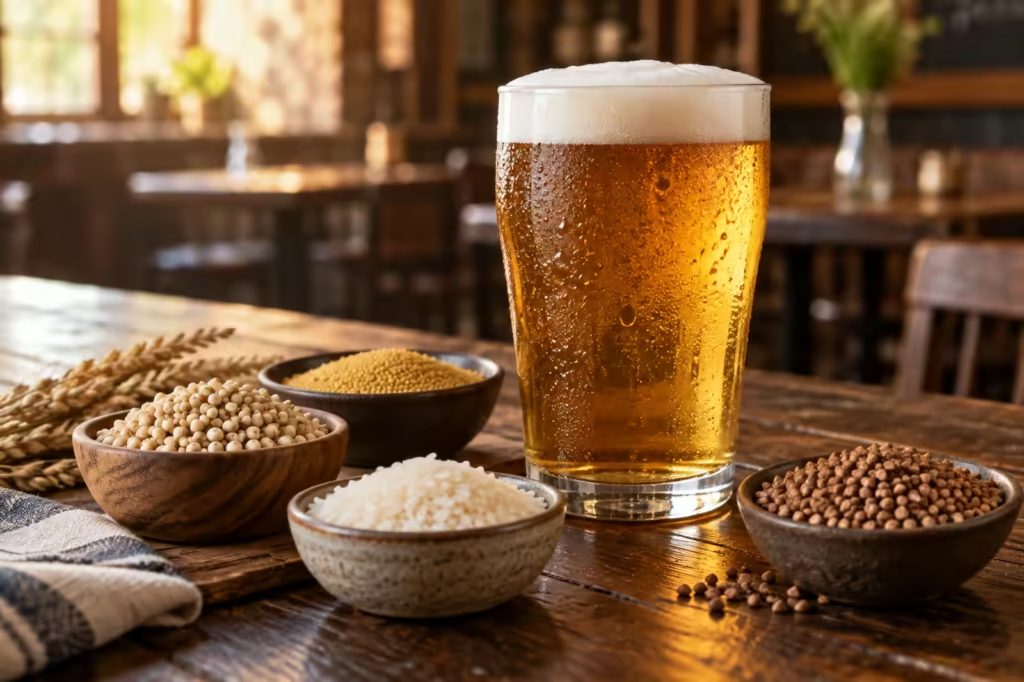
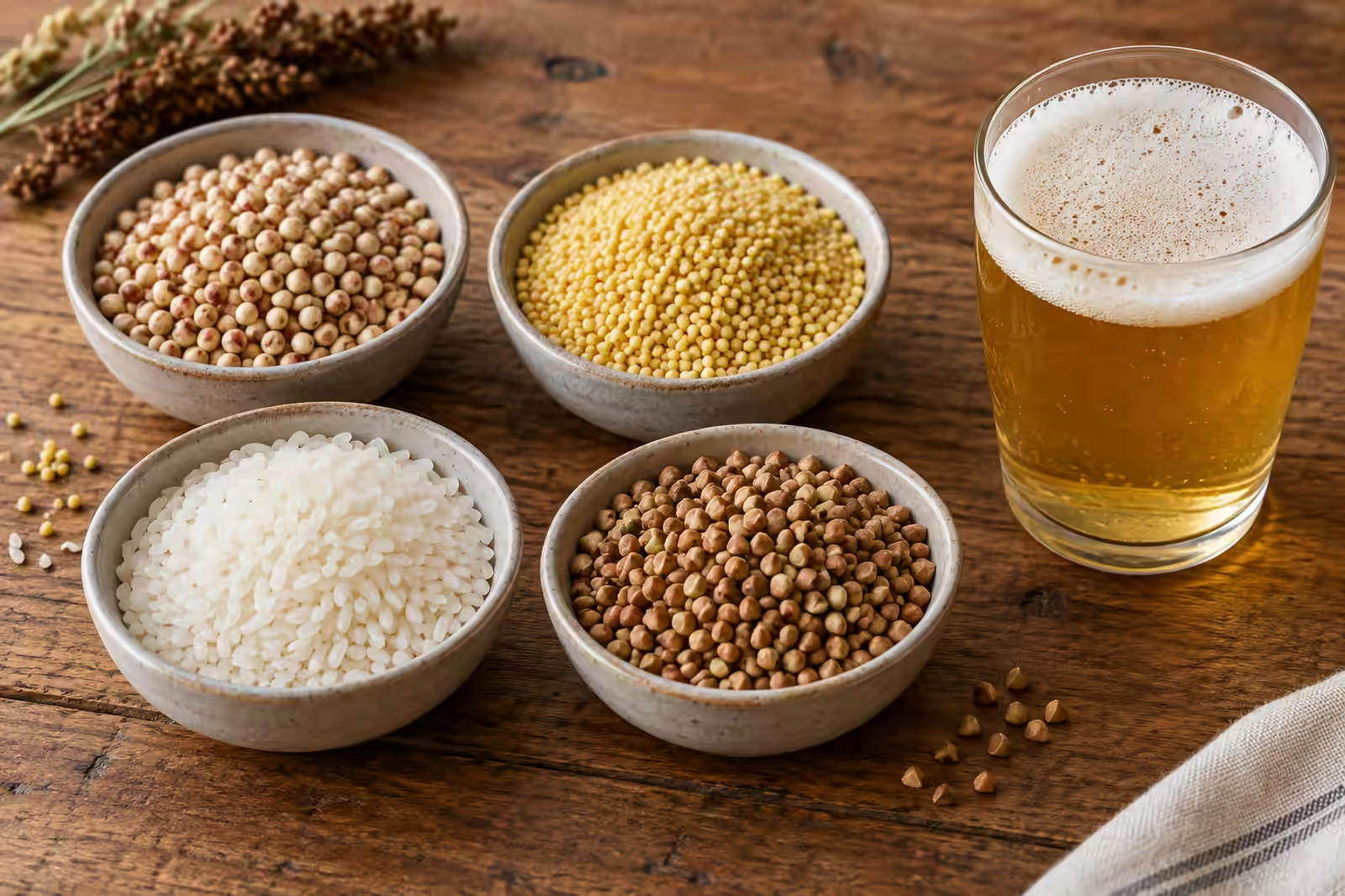
Traditional beer commonly relies on barley, wheat, or rye, all of which contain gluten. A gluten-free beer is brewed without those grains, often using sorghum, rice, millet, buckwheat, corn, or a combination. A gluten free ale is not a separate safety category: it simply means the brewer used an ale-style fermentation, while the grain list and label still decide whether it is genuinely gluten-free. “Ale” describes the fermentation family and style, not a promise about the grain bill. A pale ale, amber ale, stout, or other ale-style beer may be suitable only when its ingredients, processing, label, and cross-contact controls support that claim. Color, bitterness, and alcohol level cannot tell you whether gluten is present. When ordering at a taproom, ask about the base grains and shared brewing equipment instead of relying on the style name alone. Buckwheat sounds like wheat, but it is a naturally gluten-free seed; the name is the confusing part.
Different grains create different results. Sorghum can bring a fruity or tart note, rice can make a lighter body, and millet or buckwheat may add an earthy, grain-like character. Brewers can still build bitterness, aroma, roast, or citrus with hops, yeast, and other ingredients, so “gluten-free” is not one flavor or one style.
I start with the ingredient list and the exact label claim rather than the tap handle. A beer made with naturally gluten-free ingredients is a fundamentally different product from a barley beer that has been treated after brewing.
Gluten-free vs. gluten-removed beer
Gluten-removed, gluten-reduced, and “crafted to remove gluten” beers usually start with a gluten-containing grain such as barley. An enzyme is used to break gluten proteins into smaller pieces. That process may lower measurable gluten, but it does not change the fact that the beer began with gluten-containing grain.
In the United States, the Alcohol and Tobacco Tax and Trade Bureau says a malt beverage made from a gluten-containing grain cannot be labeled gluten-free. It may carry a qualified statement that it was processed or treated to remove gluten, together with wording explaining that its gluten content cannot be verified and that it may contain gluten.
Testing fermented and hydrolyzed products is complicated because the proteins have been broken into fragments. For someone avoiding gluten by preference, a treated beer may be a personal choice. For someone with celiac disease, I would not treat “gluten-removed” as interchangeable with beer made from naturally gluten-free ingredients.
How to read the label when gluten really matters
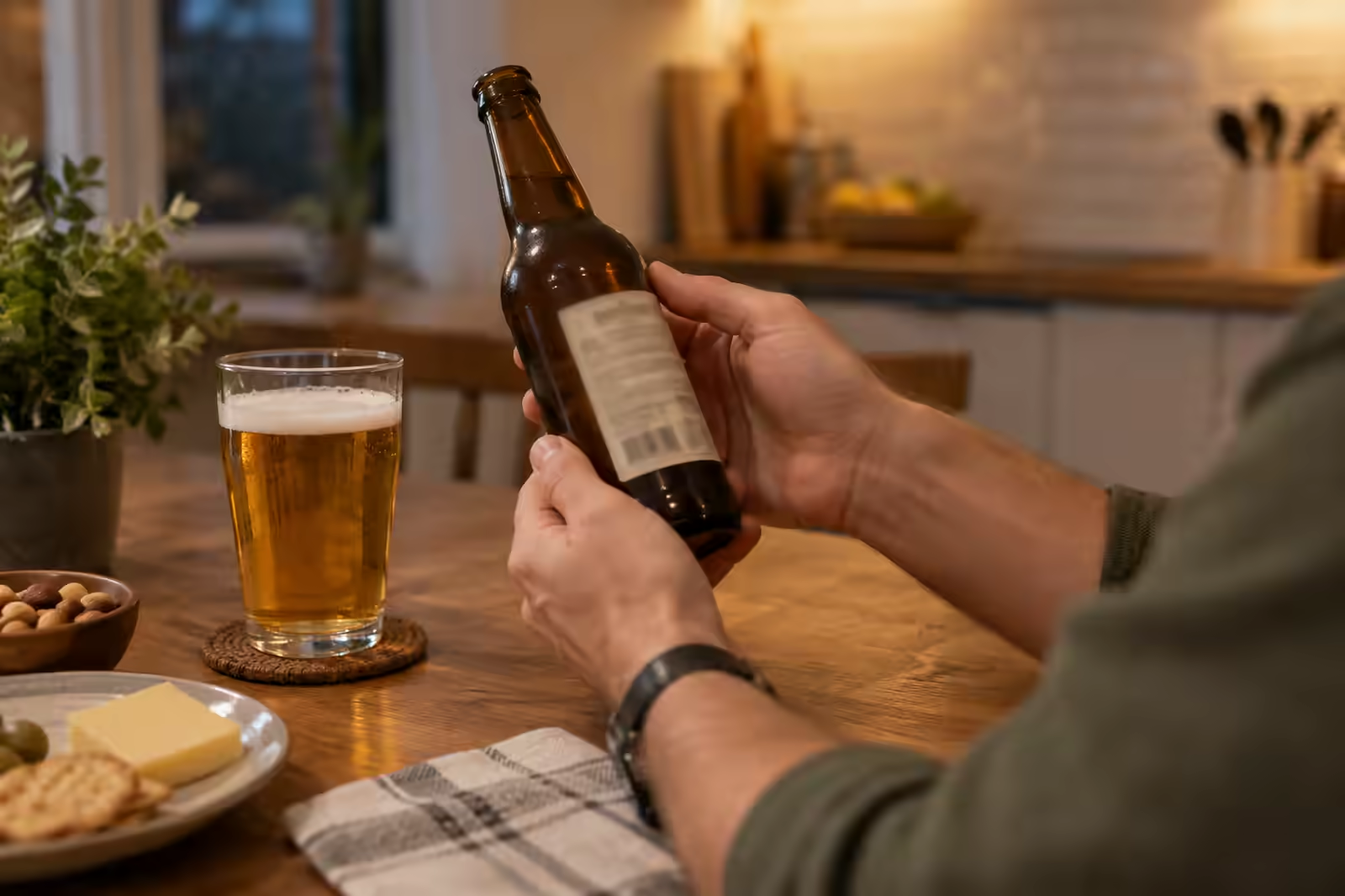
First, look for a clear gluten-free claim and then read the ingredients. Next, check for barley, wheat, rye, malt, brewer’s yeast sources, flavorings, and any cross-contact statement. Alcohol labels do not all sit under exactly the same federal agency, so the wording can differ across products; when the package is vague, the manufacturer is the best source for its grain, testing, and facility practices.
- More reassuring: brewed from named gluten-free grains and labeled gluten-free.
- Needs caution: processed, treated, or crafted to remove gluten.
- Not enough information: “gluten-friendly,” “low gluten,” or a menu symbol without an ingredient explanation.
- At a bar: ask about the original package, shared draft lines, and glass handling.
People with celiac disease need a lifelong gluten-free diet, and cross-contact matters as much as the recipe. A dedicated bottle or can is easier to assess than an unlabeled draft pour. The same label logic applies beyond drinks, which is why our guide to choosing gluten-free bread focuses on ingredients, certification, and nutrition rather than appearance.
Flavor, serving, and the health question
Gluten-free beer can range from pale and crisp to hoppy, dark, sour, or alcohol-free. I would choose by style after I have settled the gluten question. Pour it into a clean glass, serve it at the temperature recommended by the brewer, and pair lighter styles with salads or fish and fuller styles with roasted foods.
Gluten-free does not mean alcohol-free, lower calorie, or healthier. The Centers for Disease Control and Prevention notes that drinking less is better for health than drinking more. Some people should not drink at all, including anyone who is pregnant, under the legal drinking age, unable to control drinking, taking interacting medicines, or managing certain medical conditions.
A truly suitable pour is the one that matches both your gluten needs and your alcohol choices. When the label leaves room for doubt, choose a clearly labeled alternative—or skip the beer. Confidence should come from the ingredients and process, not from wishing an ambiguous phrase meant more than it does.
Sources
- Alcohol and Tobacco Tax and Trade Bureau: TTB Ruling 2014-2 on Gluten Content Statements
- U.S. Food and Drug Administration: “Gluten-Free” Means What It Says
- National Institute of Diabetes and Digestive and Kidney Diseases: Eating, Diet, and Nutrition for Celiac Disease
- Centers for Disease Control and Prevention: About Alcohol Use

Hi, I’m Laura, the voice behind Tastiva. I’ve always believed that eating well should feel enjoyable, comforting, and realistic—not like another complicated rule to follow. I love creating recipes that fit into everyday life, sharing simple nutrition ideas, and finding small ways to make meals feel a little better without losing the pleasure of good food.