
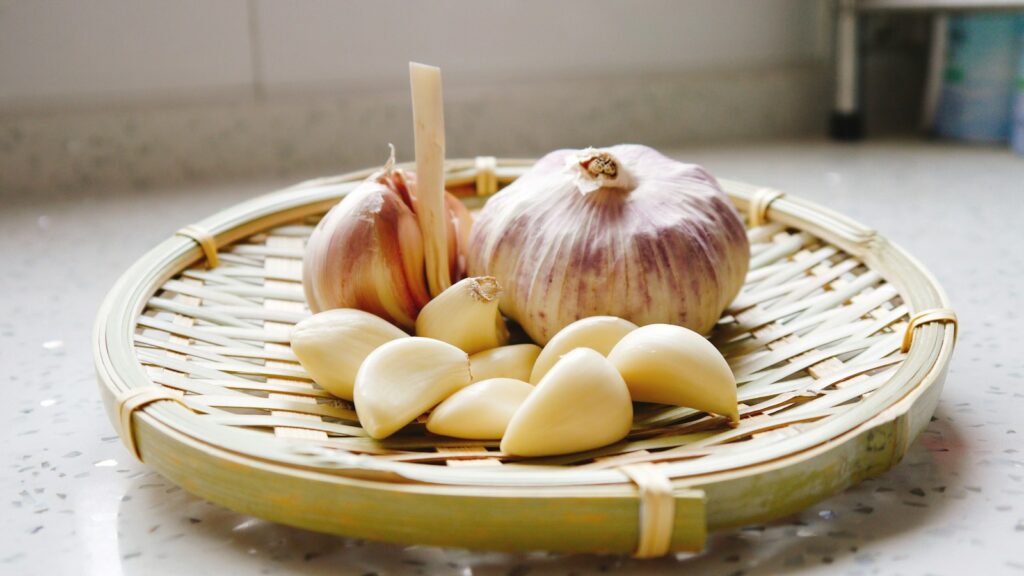
When a recipe asks for three garlic cloves, it means three individual segments, not three whole bulbs. A bulb is the full head of garlic; a clove is one piece inside it, usually wrapped in its own papery skin. That small distinction can make a very large difference to dinner, especially when you're starting with an unfamiliar ingredient.
Count cloves for a rough amount, but follow the recipe's weight or prepared measurement when precision matters.
Garlic cloves vary more than the recipe suggests
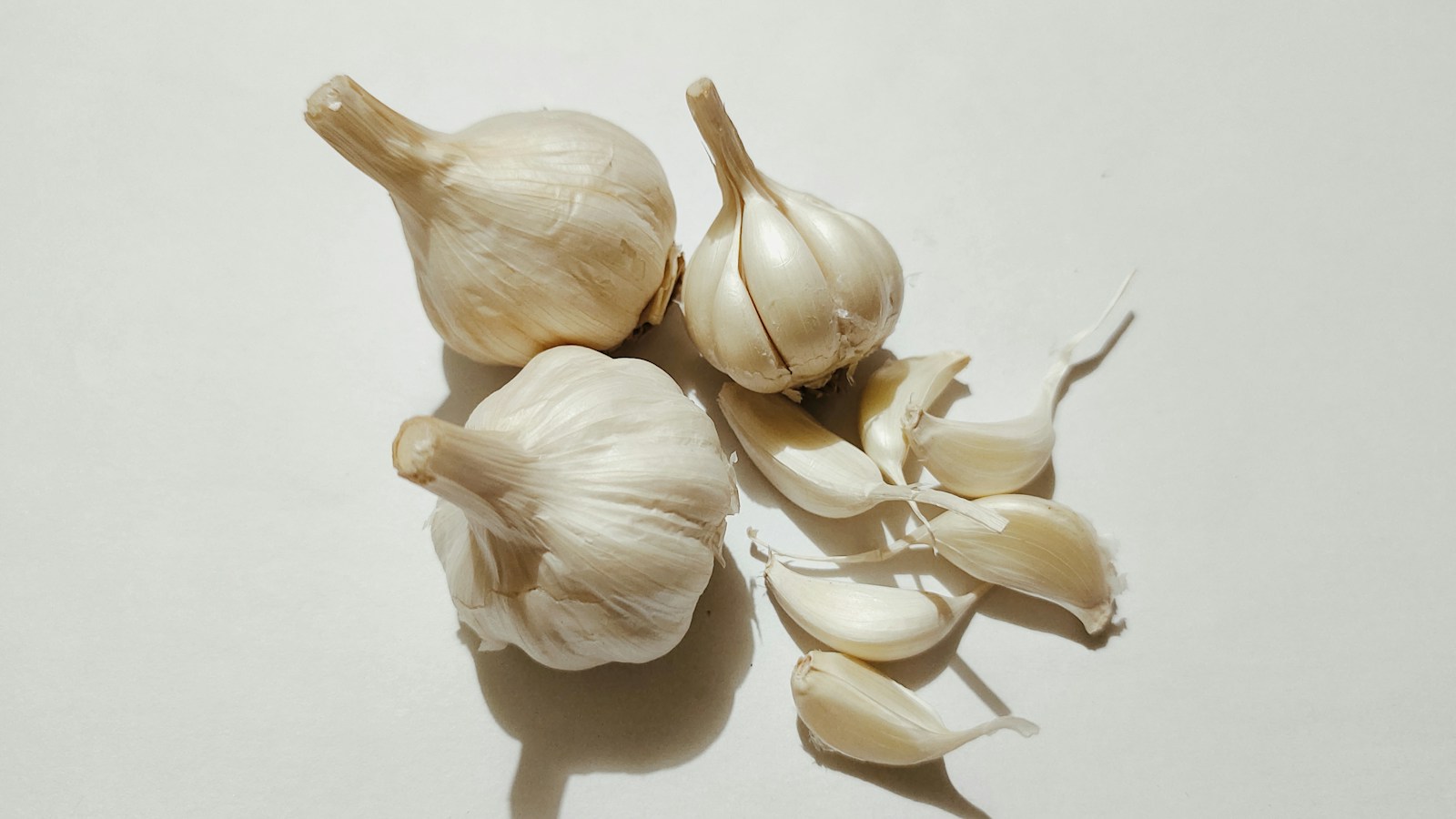
Cloves from the same bulb can differ noticeably in size, and different varieties can look quite different, too. That's why “one clove” isn't a universal teaspoon measurement. A small inner clove and a large outer clove won't produce the same amount of minced garlic, even when you chop them the same way.
If a recipe supplies grams or a volume of minced garlic, use that information. If it only gives a clove count, treat it as an ordinary kitchen estimate and choose reasonably similar cloves. I wouldn't let a tiny difference delay a flexible soup, but I would measure carefully for a recipe where the balance is particularly sensitive.
| Recipe wording | What it means | How to measure |
|---|---|---|
| One head or bulb | The whole cluster | Use one full bulb unless a weight is given |
| One clove | One individual segment | Peel the number requested |
| One teaspoon minced garlic | A prepared volume | Mince first, then measure |
| Garlic by weight | A specific mass | Check whether the recipe means peeled garlic |
| Jarred minced garlic | A prepared commercial ingredient | Use its conversion guidance and ingredient list |
Garlic powder, garlic salt, and fresh garlic also aren't the same measure in different containers. Garlic salt brings salt along with the flavor. For a substitution, start with guidance specific to that product and dish rather than replacing a tablespoon with a tablespoon.
Choose a preparation that suits the dish
Slicing gives visible pieces; mincing creates smaller pieces that distribute throughout the food. Crushing or grating makes a finer preparation that can be useful when you don't want chunks in a dressing or sauce. Follow the recipe's wording before deciding which tool is fastest, because the size of the pieces affects both texture and cooking.
- To peel: Separate a clove from the bulb and remove its dry outer skin. A gentle press with the flat of a sturdy knife can loosen the skin; keep your hand clear of the edge.
- To slice: Use a stable board and make pieces as even as practical, so a few paper-thin slices don't cook far ahead of the rest.
- To mince: Chop peeled cloves into small pieces, then gather and chop again to the texture the recipe describes.
- To grate: Use the grater carefully and stop before your fingers reach the cutting surface. Scrape the prepared garlic into the dish promptly.
Use the shape that solves the actual problem. A smooth yogurt sauce may benefit from finely prepared garlic, while a braise might deliberately use larger pieces. There isn't one preparation that's best for every meal; the useful question is whether you want distinct pieces or an evenly spread flavor.
Cook it with the rest of the pan in mind
Small pieces of garlic can color quickly in hot fat. Have the next ingredient ready before you start, watch the pan, and follow the recipe's heat setting rather than relying on a fixed minute count. If the garlic burns and smells acrid, starting that small step again is usually easier than trying to hide it in the finished meal.
Raw garlic, gently cooked garlic, and roasted garlic bring different intensity and texture. A recipe designed for one form won't necessarily taste the same with another. If you're adapting a dressing or dip, add a modest amount first, mix thoroughly, and taste a small portion before committing to more.
- Add garlic at the stage the recipe specifies rather than automatically putting it in with ingredients that need much longer cooking.
- Keep prepped garlic close by when a fast stir-fry or sauce is underway, so you can add it without leaving the pan unattended.
- When using jarred garlic, check added ingredients and follow its storage directions after opening.
- Use garlic as one flavor among others in a lower-sodium meal, alongside acidity, herbs, or spices; it doesn't have to carry the entire dish alone.
For pantry seasoning choices beyond garlic, our chicken bouillon guide explains how concentrated ingredients can change salt levels. That matters when both a seasoning blend and garlic salt are heading into the same pot.
Store whole garlic differently from garlic in oil
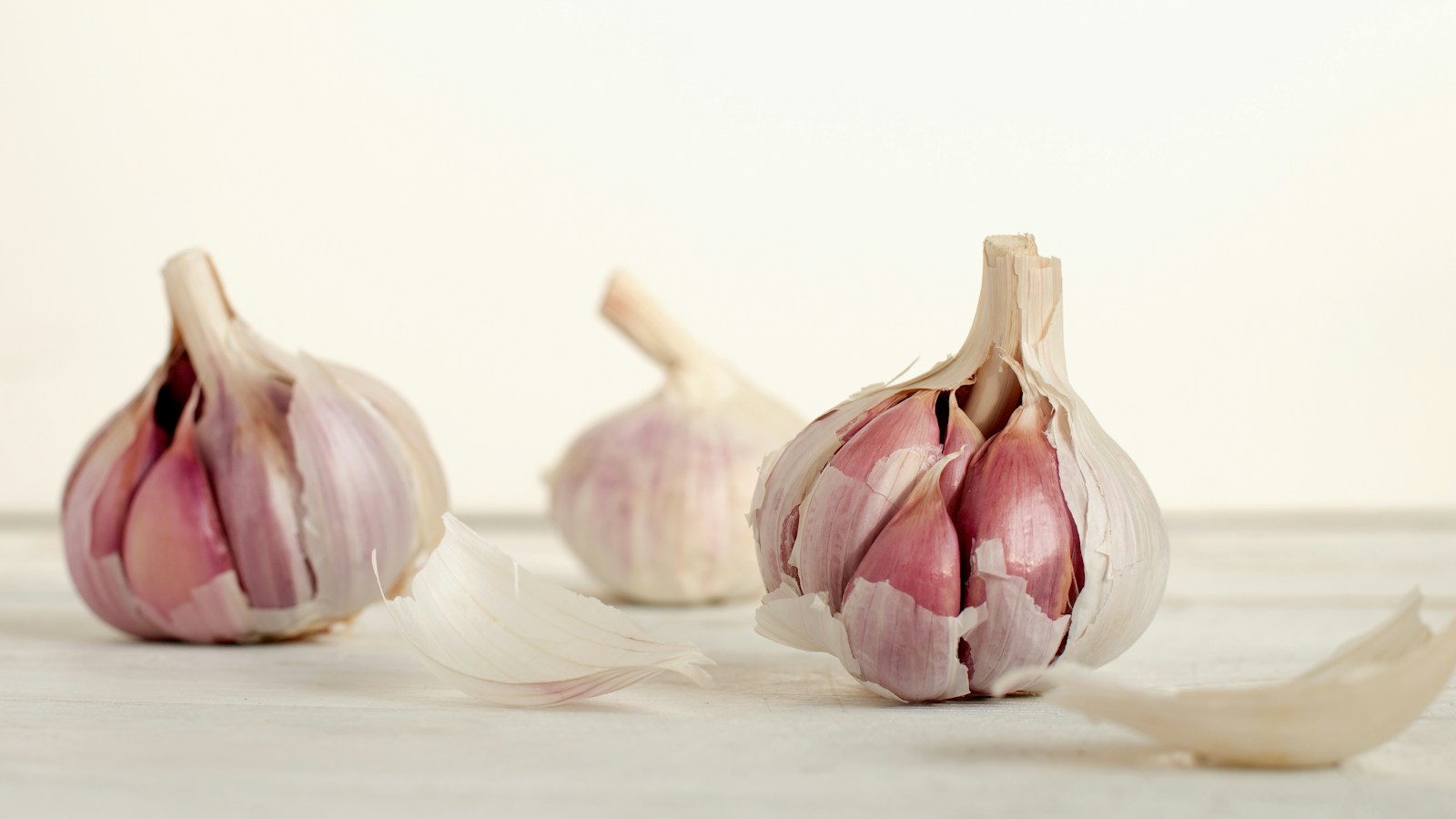
Keep sound, whole bulbs in a cool, dry place with air circulation, and inspect cloves as you use them. Discard moldy or badly deteriorated garlic. Once peeled or prepared, follow reliable refrigeration guidance or the commercial package instructions instead of assuming it has the same storage life as an intact bulb.
Homemade garlic in oil needs particular care. Oregon State Extension advises refrigerating untreated peeled garlic in oil for no more than four days, or freezing it for longer storage. Garlic is low in acid, and improper storage in oil can permit botulism toxin formation. A jar on the counter isn't a safe preservation method.
Don't improvise acidification with a splash of lemon or vinegar. Shelf-stable infused oils require a tested process, not a taste test, and commercial products may use controls unavailable in a home kitchen. If you simply want convenience, freezing portions following extension guidance is a more straightforward project than trying to invent a pantry-safe jar.
Sources
- Oregon State Extension: Preserving Garlic
- University of California: Safe Methods to Store, Preserve, and Enjoy Garlic

Hi, I’m Laura, the voice behind Tastiva. I’ve always believed that eating well should feel enjoyable, comforting, and realistic—not like another complicated rule to follow. I love creating recipes that fit into everyday life, sharing simple nutrition ideas, and finding small ways to make meals feel a little better without losing the pleasure of good food.