
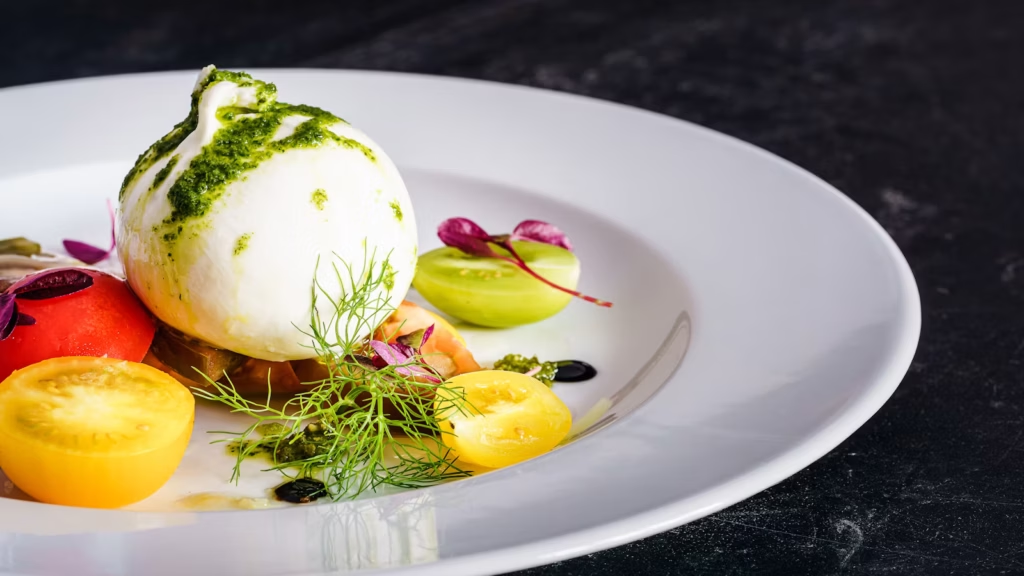
Set a smooth white ball of cheese on a plate, cut through the thin outer shell, and the center loosens into creamy ribbons. That contrast is the whole point of burrata: a mozzarella-like pouch wrapped around stracciatella, a filling of shredded curd and cream.
Burrata is best understood as two textures in one cheese: a tender casing and a lush, spoonable center.
Table of Contents
What is burrata made of?
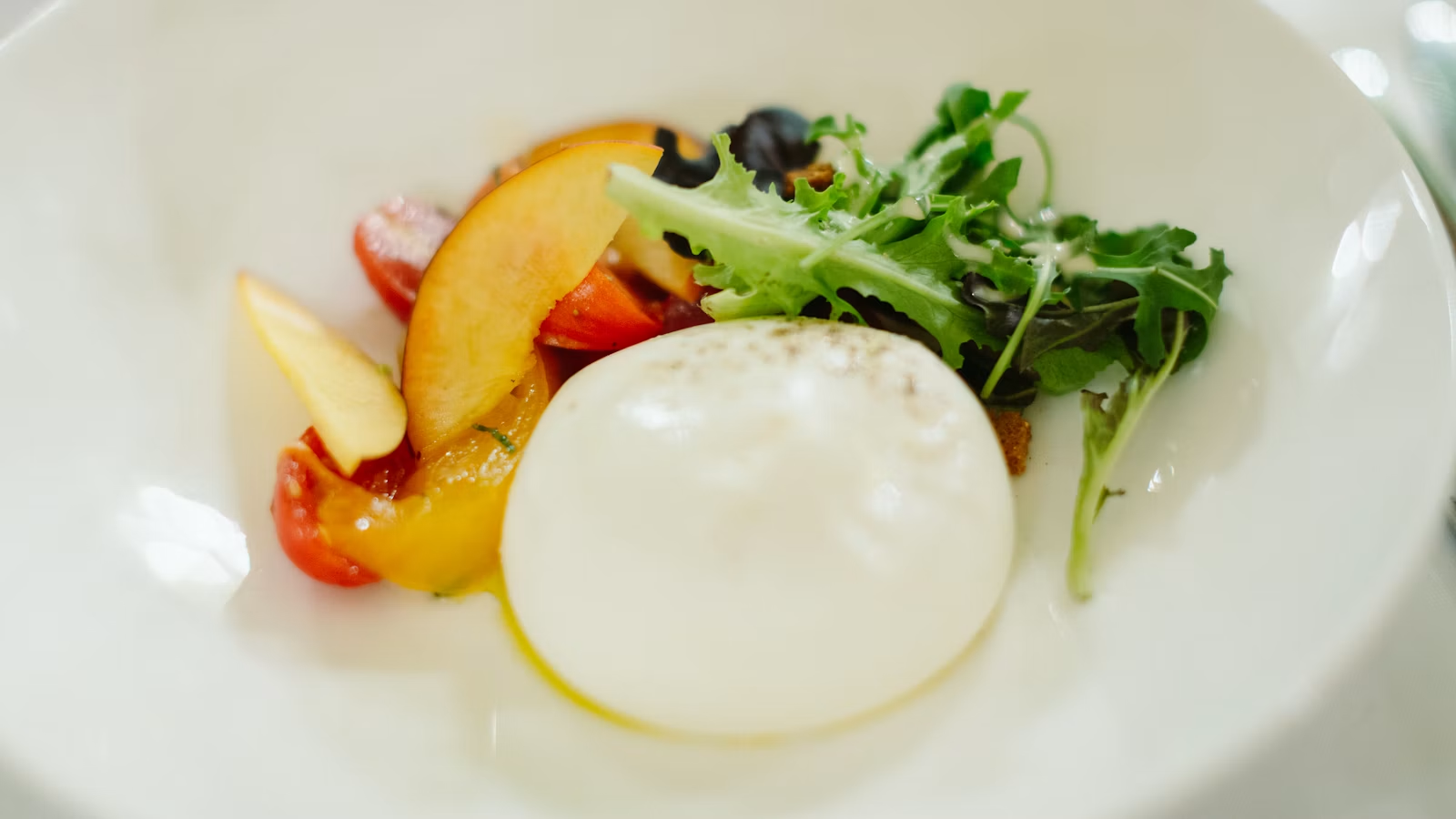
Traditional Burrata di Andria PGI is made from cow’s milk using pasta filata, or stretched-curd, technique. Part of the curd forms the outer pouch; more curd is shredded into ribbons and mixed with cream to make the filling. The official specification calls that creamy center stracciatella.
Not every cheese labeled burrata outside the protected Italian designation follows the exact same regional specification. Some producers use buffalo milk, different sizes, or a firmer filling. Read the label if milk type, origin, or certification matters to you.
The creamy filling is the defining pleasure, but it also makes burrata fragile. A pouch that has split in transit may still be usable if safely handled and within date, yet it will not create the same table-side reveal. For a centerpiece, an intact ball is worth choosing carefully.
Burrata versus mozzarella
Fresh mozzarella is stretched curd all the way through, so its texture is springy, moist, and sliceable. Burrata uses a similar stretched-curd shell, but the cream-filled center makes it richer, softer, and far less tidy once cut.
- For clean slices: choose fresh mozzarella.
- For a creamy centerpiece: choose burrata.
- For melting: mozzarella is usually more predictable; burrata can release cream and moisture.
They are related, but not interchangeable in every recipe. I would not use burrata where structure matters, such as a layered sandwich that needs to travel. On a platter where the center can mingle with tomatoes, fruit, or toasted bread, that looseness is exactly the pleasure.
How to buy and serve burrata
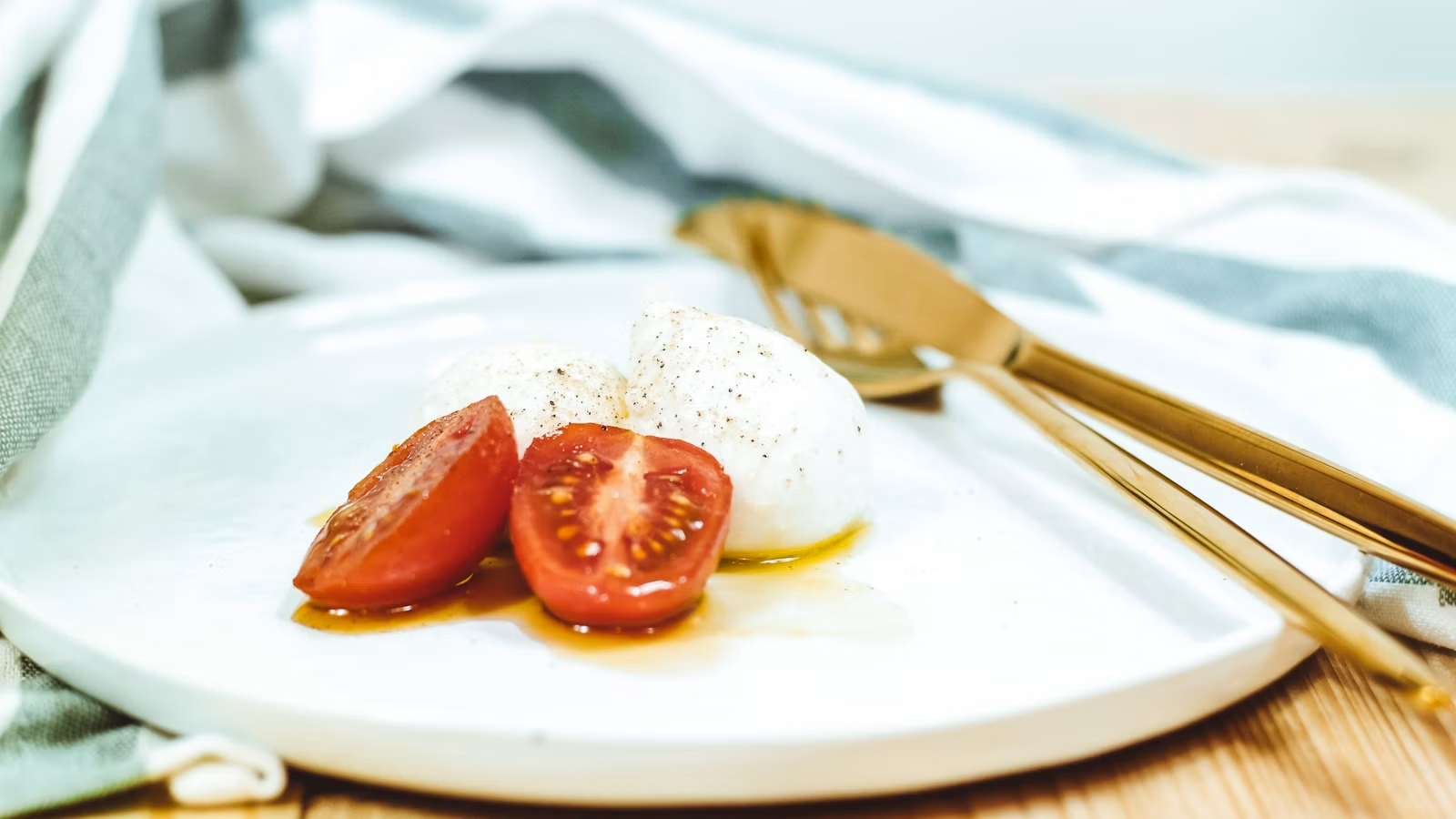
Look for a plump, intact pouch held in liquid, with no sour odor or damaged seam. Burrata is a fresh cheese, so check the use-by date and keep it refrigerated. Bring it out shortly before serving rather than leaving it at room temperature for a long stretch.
Serve the whole ball, then cut it at the table so the center stays creamy until the last moment. A little salt, olive oil, and something acidic are usually enough. Tomatoes are classic, but peaches, roasted peppers, citrus, or a bitter leafy salad can provide the same useful contrast.
- Drain gently instead of squeezing the pouch.
- Use a shallow plate that can catch the creamy center.
- Add crisp bread or vegetables for contrast with the soft cheese.
Temperature changes the experience. Straight from the refrigerator, the fat is firmer and the flavor muted; after a brief rest, the center relaxes and the milkiness becomes clearer. Keep that rest short and serve promptly, especially on a warm day.
Storage, portions, and nutrition context
Keep unopened burrata in its original liquid and follow the package date. Once opened, cover and refrigerate it promptly, then use it as soon as practical according to the producer’s instructions. Freezing damages the fresh texture, so it is not a good way to rescue a leftover ball.
Burrata contains cheese and cream, which means its calories, saturated fat, protein, and sodium can differ substantially by brand and serving size. I would use the package label for nutrition decisions rather than borrowing numbers from a generic mozzarella entry. Pairing a modest portion with vegetables, fruit, grains, or bread can make the plate feel complete without pretending the cheese is something it is not. For a label-focused comparison, Tastiva’s low-fat cheese guide explains why fat percentage alone does not describe flavor, sodium, or usefulness.
If a recipe asks you to tear burrata over hot pasta or pizza, add it after the main cooking is complete. Residual heat will soften the cheese and warm the center without driving off the cream. That preserves the contrast you paid for.
Sources
These references support the ingredient, preparation, and food-safety details in this article.
- EU Official Journal: Burrata di Andria PGI specification
- Consorzio Burrata di Andria IGP
- USDA FSIS: Keep Food Safe

Hi, I’m Laura, the voice behind Tastiva. I’ve always believed that eating well should feel enjoyable, comforting, and realistic—not like another complicated rule to follow. I love creating recipes that fit into everyday life, sharing simple nutrition ideas, and finding small ways to make meals feel a little better without losing the pleasure of good food.